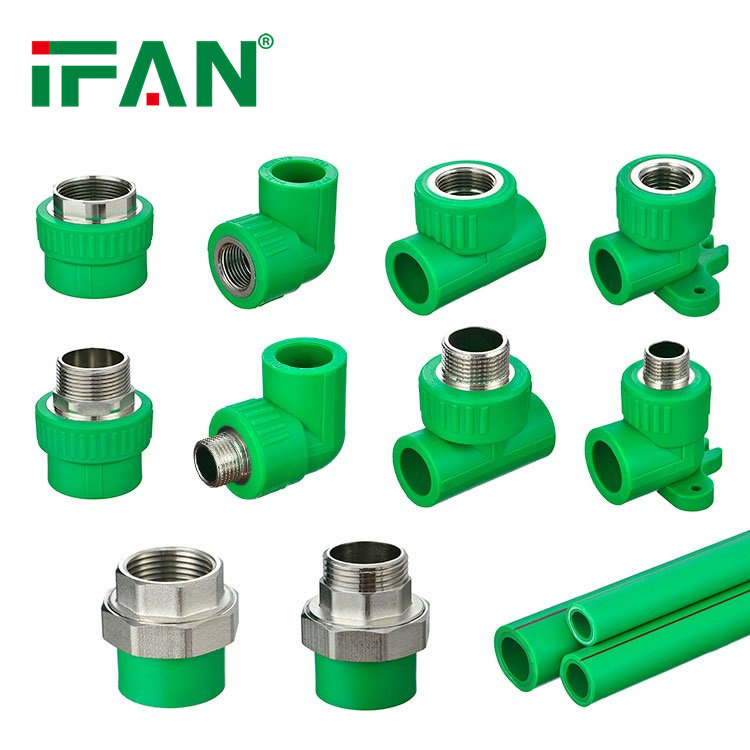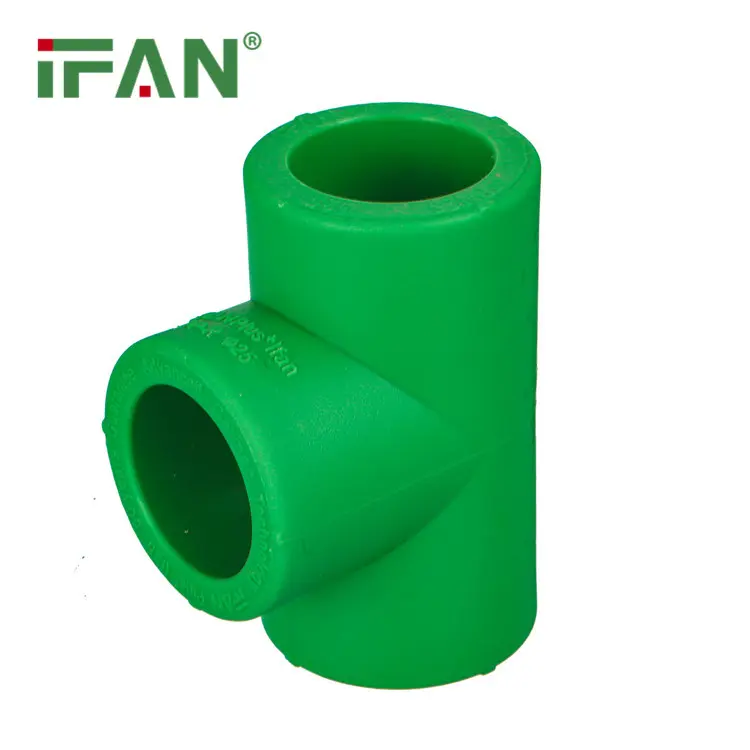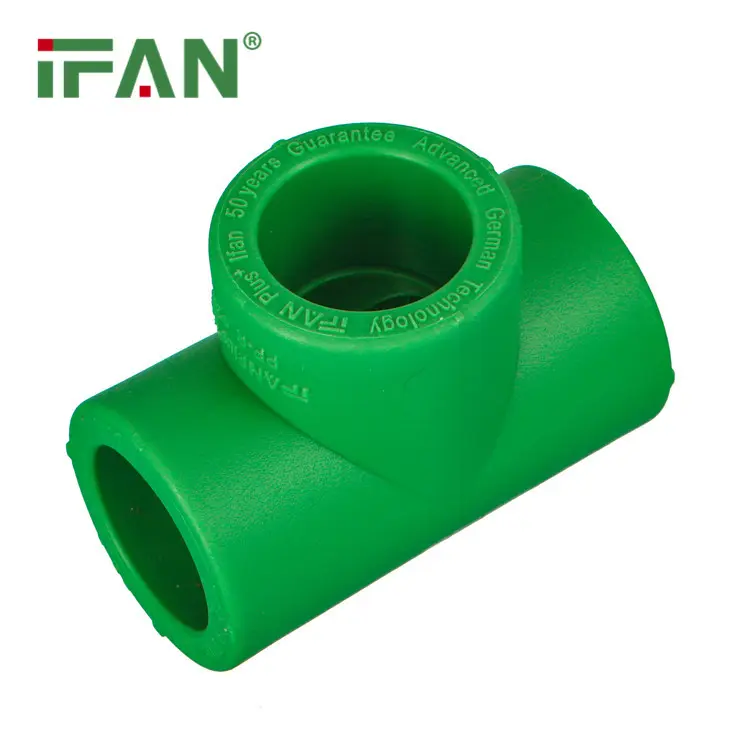
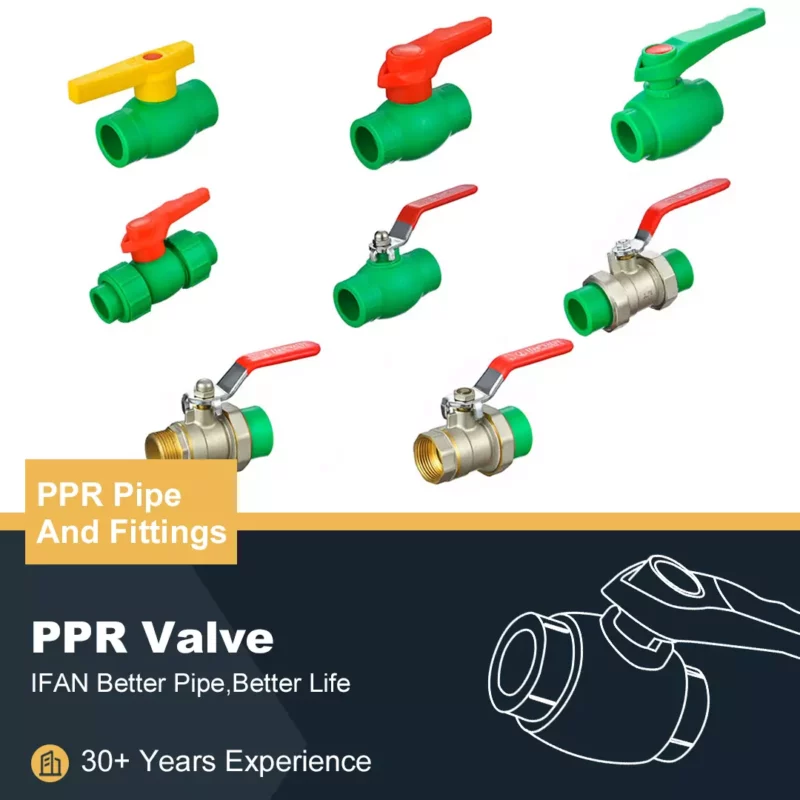



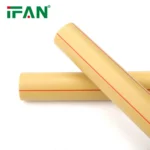
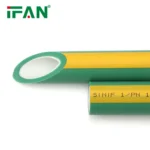
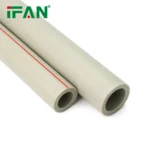
PPR Concealed Valve hides inside walls or fixtures. Designers prefer it for aesthetic and space-saving reasons. Installers connect it to PPR pipes using heat fusion. This method ensures a strong, leak-free joint. Homeowners enjoy clean looks without visible pipes or bulky valves.
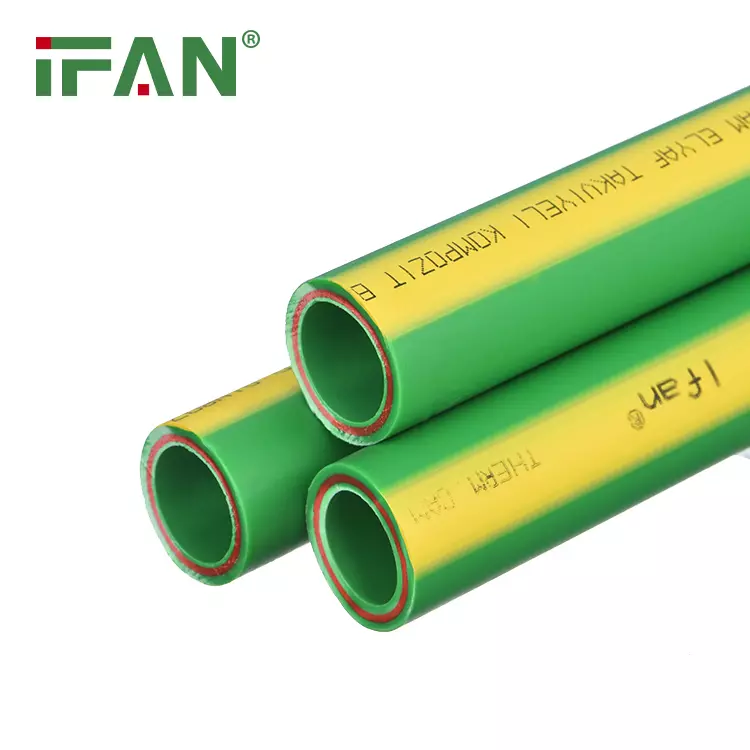
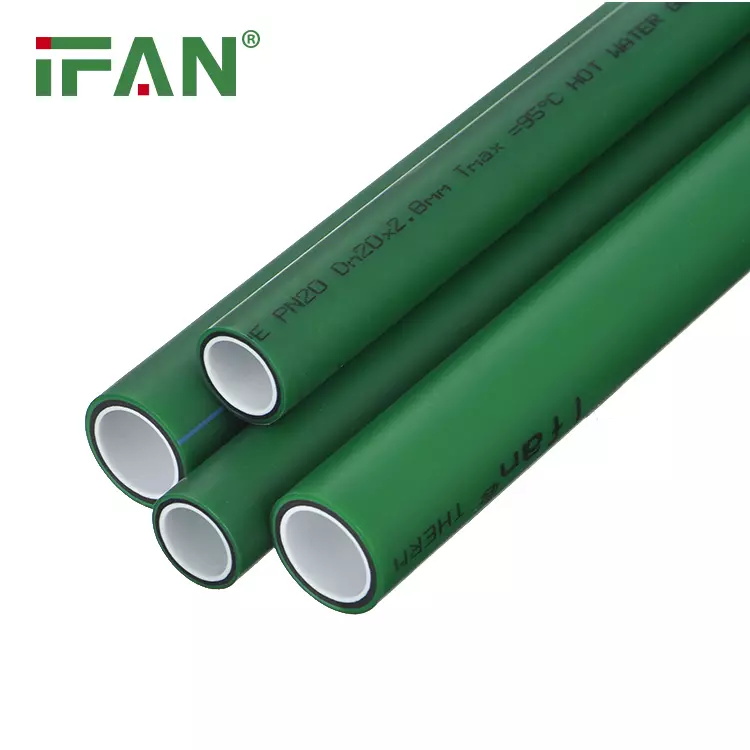
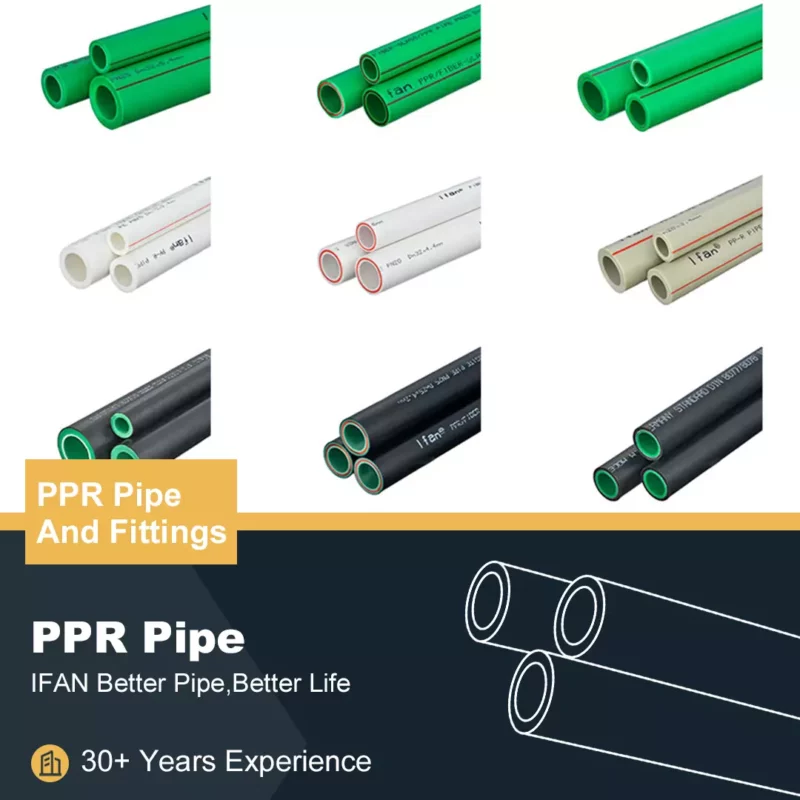
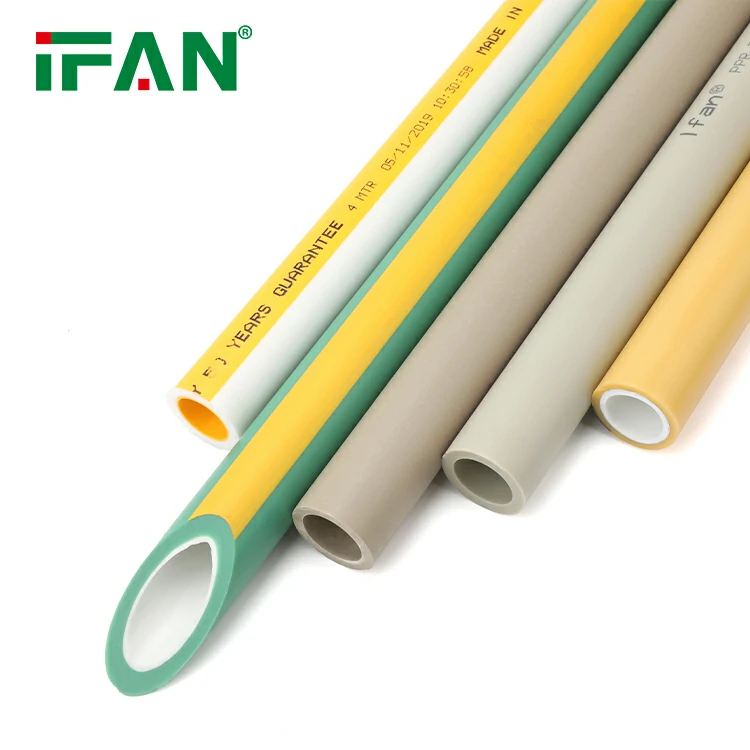
| Product Name | IFAN PPR Pipe |
| Color | Green,White Color Or Customized |
| Size | 20-160mm Or Customized |
| Material | PPR |
| Package | Opp Bag+Cartoon |
| OEM | Aviable |
| Sample | Free Provide |
| Contact US | Whatsapp:+8613373827623 E-mail:[email protected] |
If you are interested in IFAN’s Products, please feel free to send us a message; we will send you the price list and product catalogue in time.
PPR stands for Polypropylene Random Copolymer, a widely used plastic piping material. It is known for strength, flexibility, and safety. PPR pipes are used in residential, commercial, and industrial plumbing systems. They are ideal for hot and cold water transport. Their smooth interior reduces friction and ensures high flow rates. PPR pipes are durable and resistant to corrosion and scaling. Unlike metal pipes, they do not rust or leach chemicals. This makes them safe for drinking water applications. PPR is lightweight, easy to install, and long-lasting. It is also a sustainable material with minimal environmental impact. Many builders now prefer PPR for green construction projects. It offers both performance and environmental advantages. PPR pipe systems meet international safety and quality standards. Their growing popularity reflects the shift toward eco-friendly materials. They support clean water access while reducing energy and resource use. As sustainability becomes more important, PPR pipes provide a smart plumbing solution. They help protect the environment and ensure water safety. This combination makes PPR a key material for modern, eco-conscious infrastructure.
PPR pipes are manufactured using energy-efficient methods. The production process creates minimal emissions and waste. Unlike metal production, it does not involve heavy mining or toxic chemicals. PPR manufacturing uses less water and energy overall. It also produces fewer greenhouse gases compared to metal pipe production. The raw material is non-toxic and safe for human use. No harmful chemicals are released during manufacturing or use. This reduces air and water pollution significantly. The production waste is minimal and can often be reused. Many PPR pipe manufacturers follow eco-certification standards. This ensures the materials and processes are environmentally responsible. The low environmental footprint of PPR starts from the factory. The material is stable and does not release toxins over time. It also has a low carbon footprint during transportation. PPR’s light weight allows for more efficient shipping and handling. These factors make PPR a sustainable choice throughout its life cycle. From production to use, PPR supports green building initiatives. Choosing PPR helps reduce the environmental impact of construction projects.
PPR pipes are made from food-grade polypropylene, which is safe and non-toxic. This material does not release harmful substances. It keeps water clean, odorless, and free from contamination. PPR does not react with water treatments like chlorine. This ensures long-term water purity and taste. The material is approved for drinking water systems worldwide. It meets health and safety standards in many countries. PPR is free from heavy metals, lead, and plasticizers. These are common concerns in some other piping systems. No harmful chemicals leach into water over time. This makes PPR ideal for homes, schools, and hospitals. It supports human health and reduces the risk of waterborne illness. The non-reactive nature of PPR protects against chemical degradation. It also prevents bacterial growth inside the pipe. PPR’s safety and purity help maintain clean water systems. These qualities make it an eco-friendly choice for sustainable living. Safe materials are key to protecting both people and the environment.
PPR pipes offer excellent thermal insulation. This helps reduce energy loss in hot and cold water systems. Less energy is needed to heat or cool water. PPR pipes maintain water temperature over long distances. This improves energy efficiency in residential and commercial buildings. Lower energy use reduces carbon emissions and utility costs. The insulation properties of PPR reduce the need for external wraps. Fewer materials are required during installation. This lowers project costs and conserves resources. Thermal efficiency is especially important in heating systems. PPR supports green energy solutions like solar hot water. It helps maximize the performance of renewable energy systems. Efficient piping also improves overall building performance. PPR’s low thermal conductivity is a major environmental benefit. It helps conserve energy while maintaining water comfort. Reduced heat loss means fewer emissions from heating equipment. Over time, this helps lower the building’s carbon footprint. PPR pipes offer both comfort and sustainability in plumbing design.
One of the most eco-friendly features of PPR pipes is their long lifespan. PPR can last over Long-term durability according to standards with proper use. Durable materials reduce the need for replacements and repairs. This minimizes construction waste and environmental disruption. Fewer replacements also mean fewer new materials are needed. Over time, this conserves natural resources and energy. Long-lasting pipes prevent leaks that can waste water. Water conservation is vital in sustainable plumbing systems. PPR systems maintain performance with minimal maintenance. Their strength and chemical resistance reduce failure risks. This makes PPR a smart investment in long-term sustainability. Reducing waste is a key part of green building. PPR supports this goal with its durable performance. It performs better than many traditional materials in long-term use. Stronger systems mean fewer repairs, less labor, and lower emissions. The extended service life of PPR pipes helps reduce environmental impact. Fewer replacements also lower landfill waste and material use. This makes PPR an ideal eco-friendly solution for the future.
PPR pipes are 100% recyclable. After their long service life, they can be reused or recycled. This reduces landfill waste and supports a circular economy. Recycling PPR uses less energy than producing new plastic. The material can be melted and reshaped into new products. This process involves fewer chemicals and pollutants. PPR recycling helps close the loop in material use. Manufacturers can use recycled PPR in new pipe systems. This reduces the demand for virgin plastic materials. It also lowers the environmental footprint of new products. Recyclability is an important part of sustainable design. PPR helps builders and engineers meet green certification standards. Eco-conscious projects often require recyclable materials. PPR fits perfectly within those project requirements. Reuse also adds economic value by saving on raw materials. Communities benefit from lower waste and more efficient systems. PPR is part of a growing move toward responsible construction. Its full recyclability strengthens its role in green plumbing.
Green building focuses on resource efficiency, health, and environmental protection. PPR pipe systems align perfectly with these goals. They conserve water, energy, and material resources. They also protect water quality and human health. PPR helps buildings earn LEED and other green certifications. It meets strict standards for safety and sustainability. Its performance supports long-term environmental goals. Many architects choose PPR for eco-conscious building designs. Governments and developers use it in sustainable infrastructure projects. PPR systems are used in schools, hospitals, and housing developments. Their benefits apply across residential, commercial, and public sectors. Whether for small homes or large campuses, PPR delivers. It helps reduce emissions, save water, and lower energy use. The environmental advantages go beyond the building itself. PPR supports a more sustainable supply chain and construction industry. Choosing PPR is a step toward greener living and better water systems. It enables builders and homeowners to act responsibly. Eco-friendly plumbing begins with choosing the right materials.
IFAN integrates R&D, production, sales and service, and provides comprehensive plumbing system solutions. The company’s main product lines cover construction engineering, municipal pipelines, agricultural irrigation, home improvement, fire protection, industrial pipelines, gas pipelines, bathrooms and other systems, providing water supply, drainage, waterproofing, floor heating, bathing, hardware plumbing and other modules. The company provides a variety of products such as pipes, pipe fittings, valves, etc., covering PP-R, PVC-U, Ball Valve, Water Tap, PEX, CPVC, PP and other series.
No. 3, Central Road, Diankou Town, Zhuji City, Shaoxing City, Zhejiang Province
1. Our outer boxes are generally in the format of IFAN unified boxes, and OPP bags and cartons are uniformly packaged.
2. Our products usually use different packaging according to different product types.
3. In addition, we can also customize packaging according to different needs. Adopt customer opinions on product packaging, design packaging and customize Logo.
1. IFAN products have deeply covered many countries around the world, with rich product varieties, complete qualifications, and strong brand influence, helping you to expand the market faster.
2. We have a stable sales team and long-term experience, and can grasp customer needs in time.
3. Mutual benefit and win-win can lead to sustainable development.
4. Provide customers with perfect after-sales service
1. From production to shipment, we have advanced production machines and a very strict management system.
2. Our products are designed, molded, and produced in accordance with international standards. Quality control mainly includes the inspection of the first piece, process, packaging, and finished products. Only qualified products are packaged.
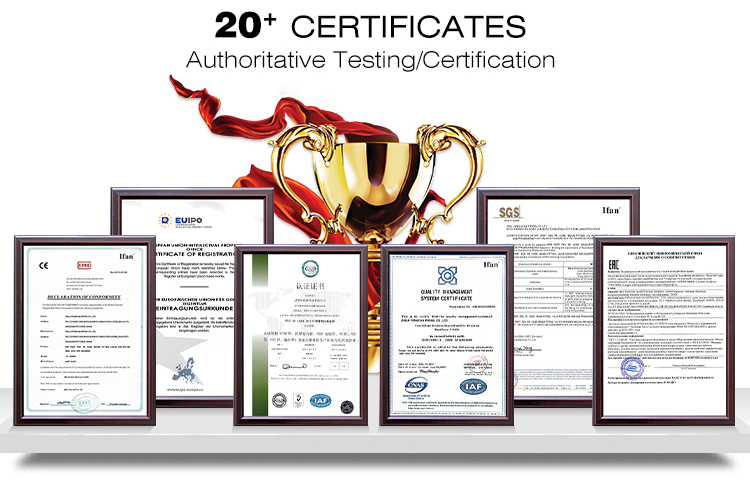
3. We not only have our own laboratory for testing, but also send samples to authoritative certification agencies every year to ensure the long-term quality of products.
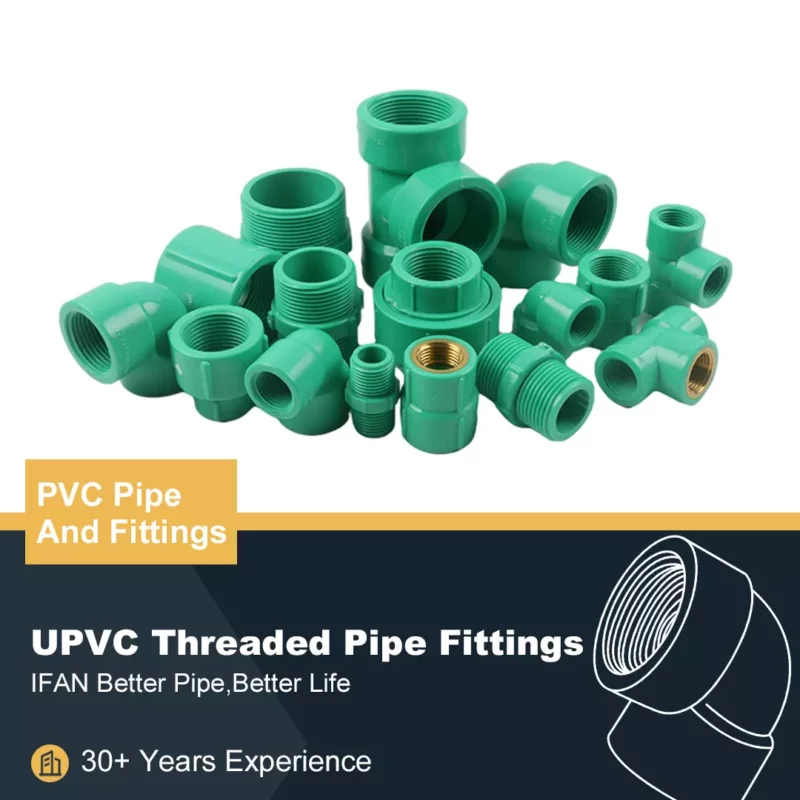
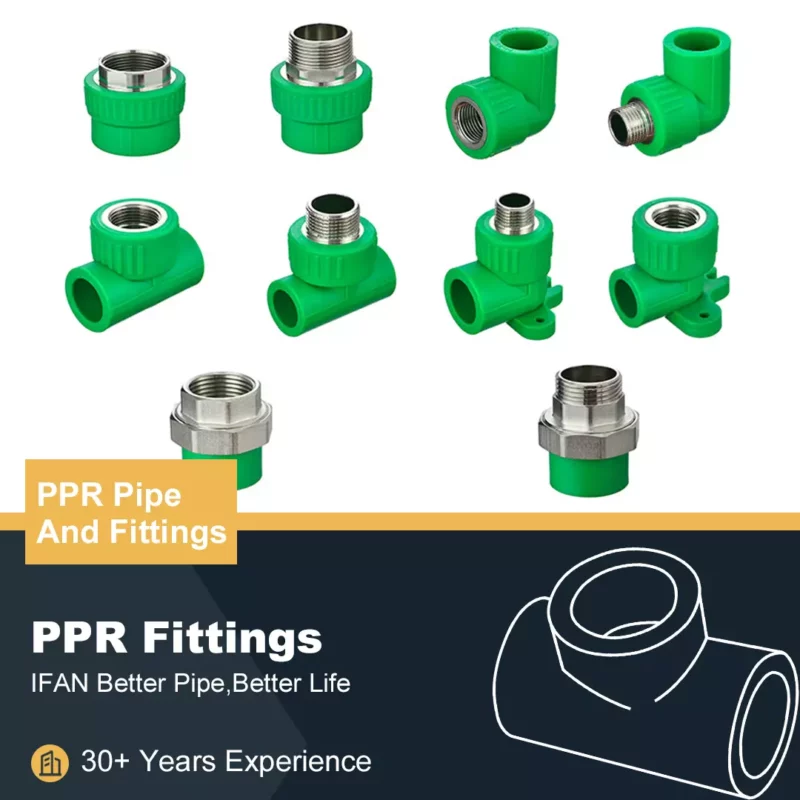
4. Our products have different connection methods, including glue, hot melt, electric fusion, thread, etc., which can meet different needs.
5. Our product prices are very competitive, and the company provides free samples to let customers see the quality of the products.