

















In commercial applications, gas flow control is crucial for safety, efficiency, and system longevity. Brass gas valves are increasingly chosen for this purpose due to their durability, reliability, and high-performance characteristics. These valves are particularly suitable for managing gas flow in commercial settings, where the volume of gas usage and pressure requirements can be demanding. This article discusses why brass gas valves are ideal for commercial applications and how they contribute to safety, cost-effectiveness, and performance.
What is a Brass Gas Valve?
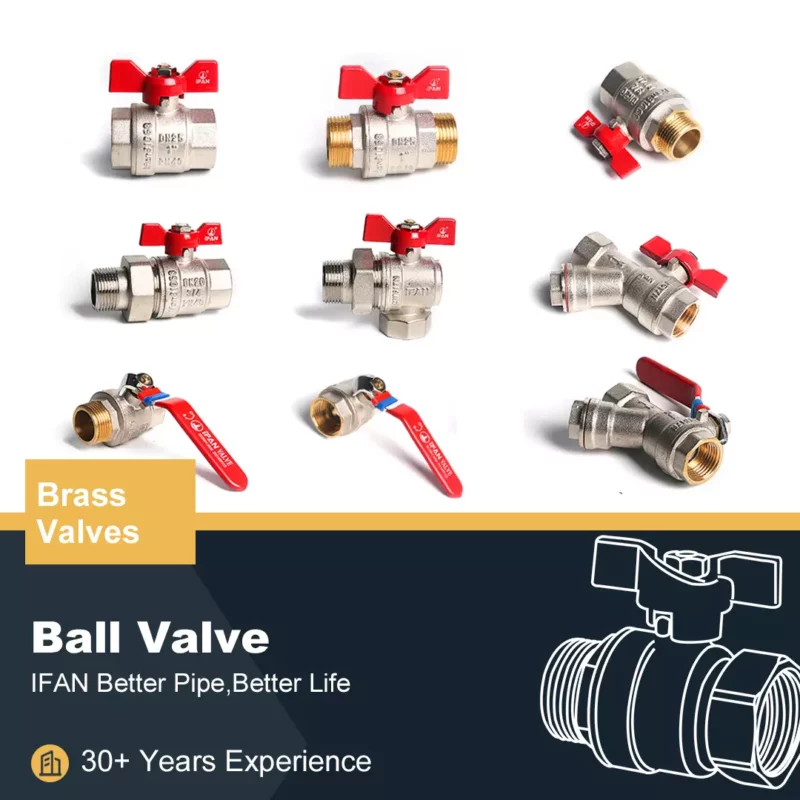
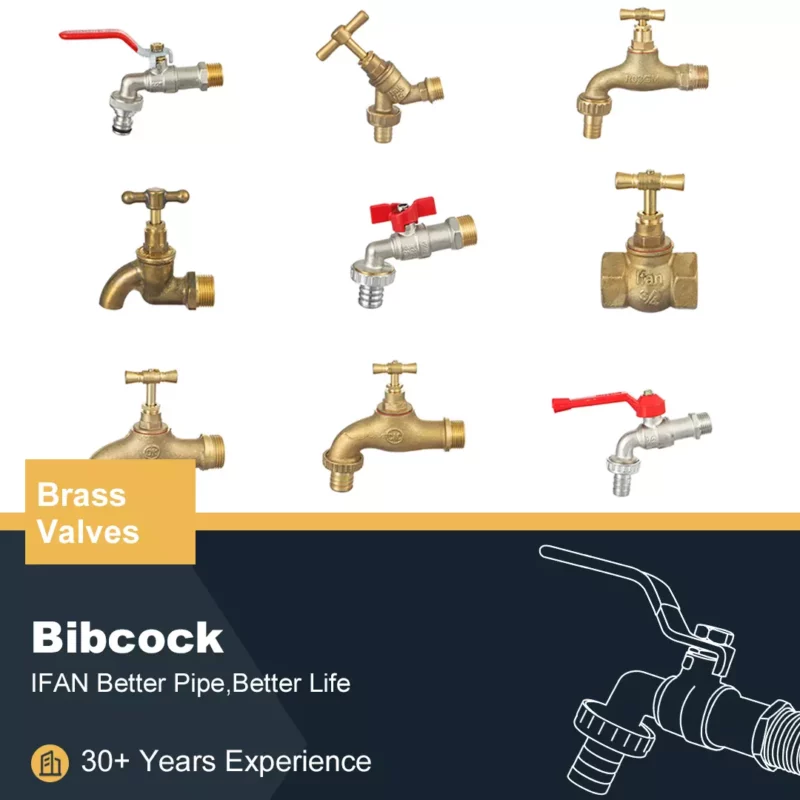
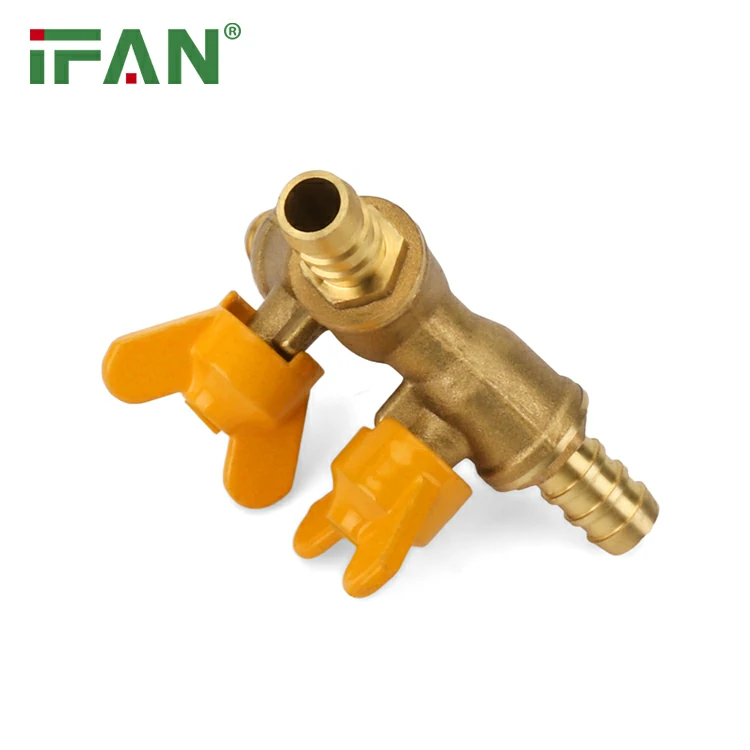
A brass gas valve is a device designed to regulate the flow of gas in various systems. Made from an alloy of copper and zinc, brass provides superior durability and resistance to corrosion compared to other metals. Brass gas valves are used in residential, industrial, and commercial systems to control the flow of gases like natural gas, propane, and other industrial gases. They are available in various types such as ball valves, gate valves, and globe valves.
In commercial settings, where high volumes of gas are used, brass valves help ensure efficient and safe gas flow management, making them a critical component in maintaining system integrity.
Durability for Demanding Commercial Environments
One of the main reasons brass gas valves are favored in commercial applications is their exceptional durability. In businesses that rely on gas-powered equipment, such as restaurants, hotels, factories, and power plants, gas valves must be able to withstand high pressure, continuous use, and harsh environments.
Brass is known for its ability to resist wear and tear, corrosion, and damage from high temperatures and pressure. This makes it particularly suitable for commercial environments where equipment needs to function reliably over extended periods. Brass gas valves perform consistently without breaking down, reducing the risk of costly repairs and downtime.
Corrosion Resistance in Commercial Applications
In commercial settings, gas systems are often exposed to environmental factors that can accelerate corrosion, such as moisture, humidity, and chemicals. Brass gas valves are highly resistant to corrosion, making them ideal for these conditions.
Unlike iron or steel, brass does not rust when exposed to moisture, which is particularly important for gas systems located outdoors or in areas with high humidity. The corrosion resistance of brass ensures that the valves maintain their performance over time, reducing the need for frequent maintenance and replacements.
Leak-Proof Design for Safety
Safety is a top priority in commercial gas systems, where even a small leak can result in significant risks, such as fires or explosions. Brass gas valves are designed to provide a tight, secure seal, preventing gas leaks when the valve is closed.
The leak-proof nature of brass valves is essential in commercial applications where gas is used in large quantities. In industrial environments, where gas-powered equipment is running continuously, the risk of leaks increases. Brass valves provide peace of mind by ensuring that gas flow is controlled efficiently and securely, preventing dangerous situations.
High-Pressure Tolerance
Many commercial gas systems operate under high-pressure conditions. For example, gas lines in manufacturing plants, commercial kitchens, or power stations can experience fluctuating pressure that must be carefully managed to avoid system failures or inefficiency. Brass gas valves are ideal for high-pressure systems, thanks to their robust construction and resistance to deformation under stress.
These valves are capable of handling high-pressure gas flows without malfunctioning, making them a preferred choice for commercial applications that involve intense operational demands. Their ability to withstand fluctuating pressures without compromising performance ensures reliable operation and prevents costly interruptions.
Precision Control of Gas Flow
In commercial applications, it’s important to regulate gas flow precisely to optimize efficiency and prevent wastage. Brass gas valves offer accurate and reliable control over gas flow, allowing businesses to maintain optimal gas usage for various equipment and processes.
In commercial kitchens, for example, precise gas flow control is necessary to ensure that cooking equipment operates at the right temperature without over-consuming fuel. In manufacturing, controlling gas flow to burners or heating systems can improve energy efficiency and reduce operational costs. Brass valves provide the fine control needed to maintain efficiency while minimizing energy consumption and reducing waste.
Cost-Effectiveness and Longevity
Brass gas valves are a cost-effective choice for commercial applications due to their long lifespan and minimal maintenance needs. While the initial investment may be higher compared to valves made from other materials, the durability and resistance to corrosion ensure that brass valves require fewer repairs and replacements over time.
Versatility for Different Commercial Uses
Brass gas valves are versatile and can be used in a wide range of commercial applications. In restaurants, these valves control the flow of gas to stoves, ovens, and other cooking appliances. In manufacturing plants, brass valves regulate the gas supply to burners, heaters, and machinery.
The versatility of brass gas valves makes them suitable for any business that uses gas in their operations. From large industrial facilities to small commercial kitchens, these valve can be customized to meet the specific needs of different gas systems, providing efficient and reliable control.
Ease of Installation and Compatibility
Another advantage of brass gas valve is their ease of installation and compatibility with various gas systems. These valves are available in multiple sizes and configurations, making them suitable for a wide range of piping systems used in commercial settings. Whether for new installations or replacements, brass gas valves can be easily integrated into existing gas lines.
Environmental Benefits
In today’s world, businesses are increasingly focused on sustainability and reducing their environmental footprint. Brass gas valve contribute to this goal by offering long-lasting performance, which reduces the need for frequent replacements. Fewer replacements mean fewer resources are consumed, and less waste is generated, helping businesses minimize their impact on the environment.
Brass is also a recyclable material, meaning that at the end of its life cycle, brass valves can be recycled, reducing waste and conserving natural resources. This makes brass gas valve an environmentally friendly option for businesses that are committed to sustainability.
Compliance with Safety Standards
Commercial gas systems must meet strict safety and regulatory standards. Brass gas valve are designed and manufactured to comply with these industry regulations, ensuring that they meet or exceed performance and safety requirements.
Conclusion
Brass gas valves are an excellent choice for commercial applications due to their durability, corrosion resistance, leak-proof performance, and high-pressure tolerance. They provide precise control over gas flow, ensuring efficient energy use and safety in commercial settings. Their cost-effectiveness, long lifespan, and ease of installation make them a practical solution for businesses that rely on gas for heating, cooking, or industrial processes.
From small restaurants to large manufacturing plants, brass gas valves offer reliable and efficient gas management. Their ability to withstand harsh conditions and their versatility in different applications make them an essential component in any commercial gas system. By investing in brass gas valves, businesses can ensure the safety, efficiency, and longevity of their gas-powered systems.
If you have read this article and have any questions, please feel free to contact IFAN. Below is our contact information:
Whatsapp:+86 13373827623
Email:[email protected]