

Material Differences
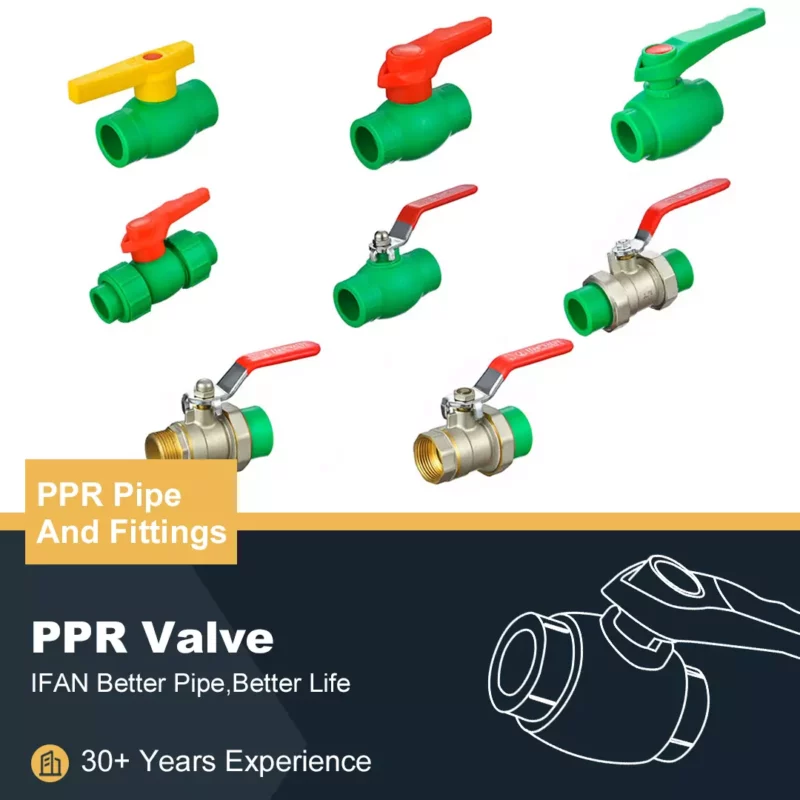
PP and PVC ball valves use different materials. PP (polypropylene) has high chemical resistance. PVC (polyvinyl chloride) offers strong durability. Both materials work well in different applications.
Temperature Resistance
PP ball valves handle higher temperatures. They can withstand up to 100°C. PVC ball valves perform well below 60°C. This makes PP better for hot liquids.
Chemical Resistance
PP resists strong acids and bases. It works well with corrosive substances. PVC handles mild chemicals but degrades with strong acids.
Application Areas
PP ball valves suit chemical and industrial applications. They also work in water treatment plants. PVC ball valve perform best in plumbing, irrigation, and drainage systems.
Cost Differences
PVC ball valves cost less than PP ones. They offer an affordable solution for water systems. PP ball valve cost more but provide better longevity in harsh conditions.
Installation and Maintenance
Both valve types offer easy installation. PP ball valves require special fittings for some applications. PVC ball valve connect easily with solvent cement or threaded joints.
Lifespan and Durability
PP ball valves last longer in extreme conditions. They resist wear and tear better than PVC. PVC ball valve work well in general use but degrade faster with UV exposure.
Conclusion
PP and PVC ball valves offer different benefits. Choosing the right one depends on temperature, chemicals, and cost factors. Both provide reliable solutions for fluid control systems.
If you have read this article and have any questions, please feel free to contact IFAN. Below is our contact information:
Whatsapp:+86 13373827623
Email:[email protected]