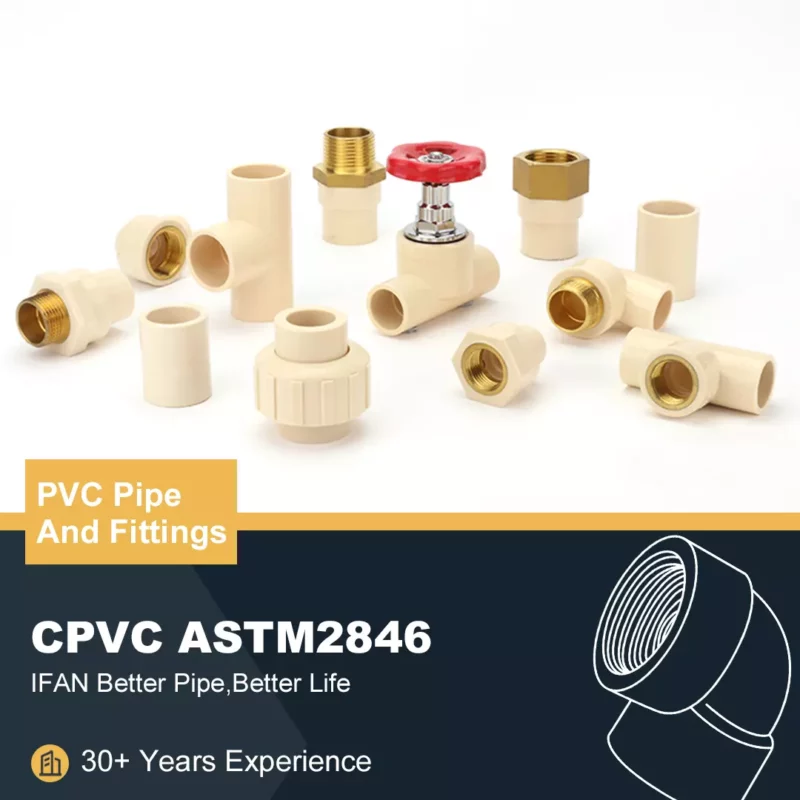
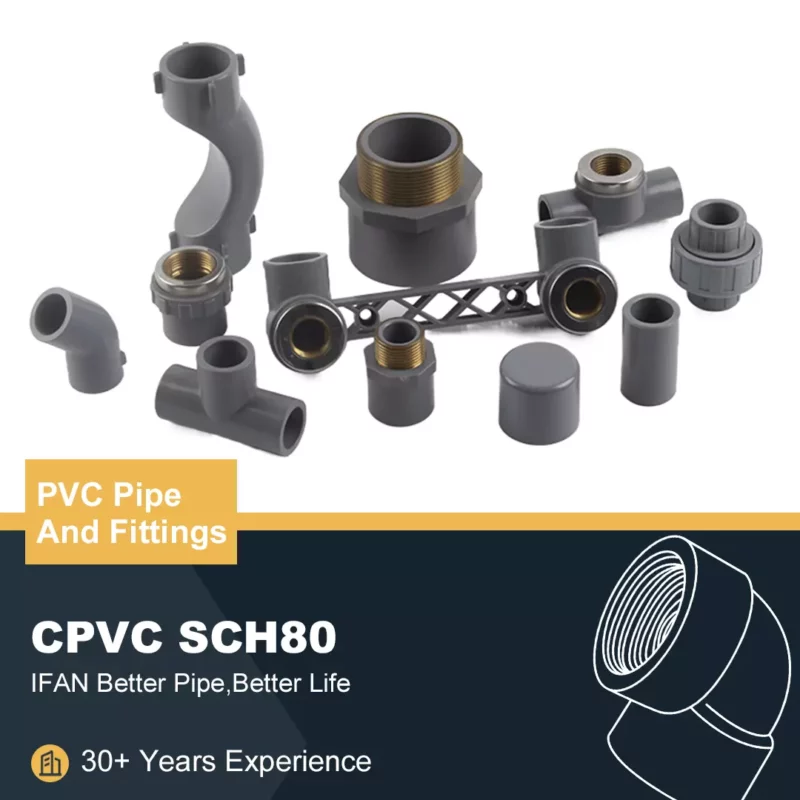
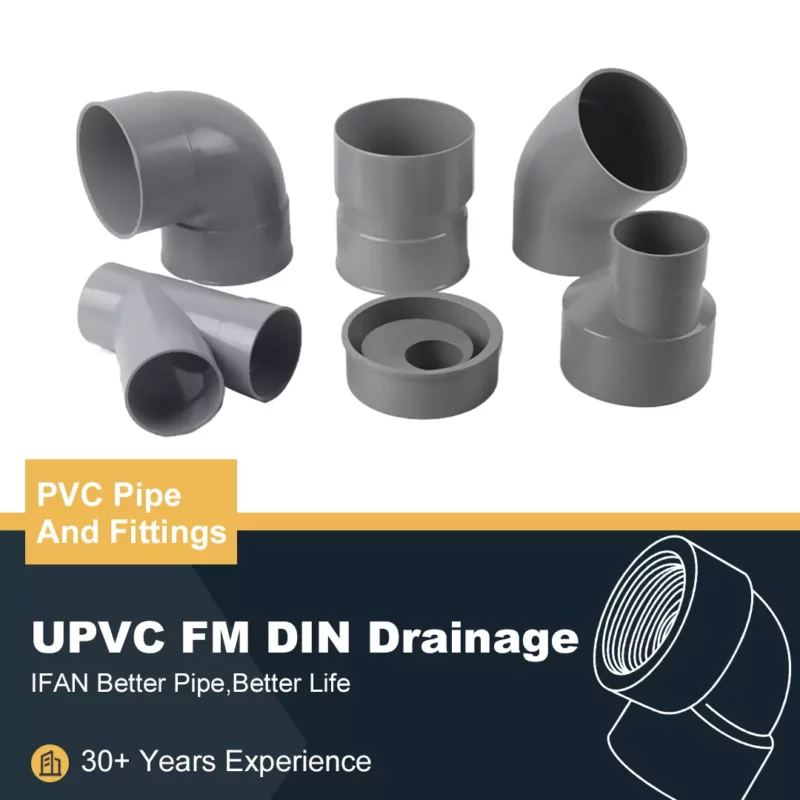



Polyvinyl chloride (PVC) pipes have become essential components in various industries, offering many advantages due to their resistance to corrosion and chemicals. These pipes have proven to be durable and versatile, making them ideal for plumbing, drainage, and industrial applications. In this article, we will explore the unique properties of PVC pipes that make them resistant to corrosion and chemicals, and discuss how these qualities benefit construction projects, industries, and the environment.
Understanding PVC Pipe Composition
PVC pipes are made from polyvinyl chloride, a synthetic plastic polymer. The composition of PVC gives it remarkable durability and resistance to environmental factors. Unlike metal pipes, PVC does not corrode when exposed to water, moisture, or other corrosive agents. This characteristic is particularly important in plumbing systems, where pipes are constantly exposed to water and chemicals.
The molecular structure of PVC is rigid, which contributes to its strength and resilience. It is also resistant to most acids, salts, and alkaline solutions, making it a reliable material in harsh environments. The chemical composition of PVC ensures that it maintains its integrity, even under challenging conditions.
Resistance to Corrosion
One of the most notable features of PVC pipes is their resistance to corrosion. Metal pipes, such as copper and steel, are prone to rust when exposed to moisture over time. This corrosion can weaken the pipes, leading to leaks, water contamination, and expensive repairs. In contrast, PVC pipes remain unaffected by moisture, which helps maintain their strength and functionality.
In addition to water, PVC pipes resist corrosion from other environmental factors, such as soil chemicals and acids found in industrial applications. This corrosion resistance makes PVC an ideal material for underground plumbing, sewage systems, and water transport systems. The ability of PVC pipes to withstand the corrosive effects of water and chemicals reduces maintenance costs and ensures long-term reliability.
Chemical Resistance
PVC pipes are highly resistant to a wide range of chemicals, including acids, bases, and solvents. This property makes them a preferred choice in various industries, including chemical manufacturing, agriculture, and wastewater treatment. PVC pipes can transport chemicals without being affected by the substances they carry, which ensures the safe and efficient transfer of hazardous materials.
For instance, in industrial applications where corrosive chemicals are used, PVC pipes provide a reliable means of transporting these substances without fear of degradation or leaks. Similarly, in agricultural irrigation systems, PVC pipes can withstand exposure to fertilizers and pesticides without being damaged.
In plumbing systems, PVC pipes can handle a wide range of household chemicals, such as cleaning agents, detergents, and disinfectants. This resistance to household chemicals helps preserve the pipes and maintain a healthy water supply.
Durability and Longevity
PVC pipes are known for their durability and long service life. Their resistance to corrosion and chemicals contributes significantly to their longevity. In contrast, traditional metal pipes, such as steel or copper, can degrade over time due to rust and corrosion. This degradation can lead to the need for frequent repairs or replacements, adding to the cost of maintenance.
PVC pipes, on the other hand, can last for decades without experiencing significant deterioration. Their strength, combined with their resistance to corrosion and chemicals, ensures that they continue to function effectively for many years. This durability makes PVC an excellent choice for both residential and commercial applications, where long-lasting performance is essential.
The long lifespan of PVC pipes reduces the frequency of replacements and repairs, which translates to lower overall maintenance costs. As a result, PVC pipes are a cost-effective investment for construction projects and industrial applications.
Benefits in Plumbing Systems
In plumbing, the resistance to corrosion and chemicals is crucial. PVC pipe ensure a safe, long-lasting solution for transporting water without contamination. Unlike metal pipes, PVC does not react with water or corrode, ensuring the water remains clean and free from harmful substances. This is especially important for drinking water systems, where maintaining water quality is a top priority.
Moreover, PVC pipe are immune to scale buildup, which often occurs in metal pipes over time. Scale buildup can reduce the efficiency of water flow and lead to blockages. PVC’s smooth interior surface prevents this buildup, ensuring that water continues to flow efficiently through the pipes.
PVC pipe also do not leach any harmful substances into the water, which makes them safe for use in potable water systems. This makes them a reliable choice for homes, businesses, and municipal water systems.
Applications in Industrial Settings
PVC pipe are commonly used in industrial settings due to their ability to resist corrosion and chemicals. In chemical processing plants, for example, PVC pipe are used to transport corrosive chemicals without worrying about pipe degradation. This ensures that operations run smoothly and that hazardous chemicals are transported safely.
Similarly, in wastewater treatment facilities, PVC pipe are used to carry wastewater and sewage without deteriorating over time. The resistance to corrosion ensures that these pipes maintain their integrity in harsh environments. The use of PVC pipes in industrial applications also reduces the need for frequent maintenance and replacements, helping to lower operational costs.
Additionally, PVC pipe are used in many other industries, such as food processing, pharmaceuticals, and agriculture. Their ability to resist chemical exposure makes them suitable for transporting a wide variety of substances in these fields.
PVC Pipes in Underground Applications
PVC pipe are particularly effective in underground installations due to their resistance to corrosion. Underground piping systems are exposed to moisture, soil chemicals, and other environmental factors that can cause metal pipes to corrode. PVC pipes, however, remain unaffected by these conditions, ensuring that the piping system continues to function properly.
For example, PVC pipe are often used in sewage and drainage systems, where they are buried underground. Their corrosion resistance allows them to withstand the constant exposure to moisture and chemicals found in these environments. This resistance helps prevent leaks and blockages, which can be costly to repair.
PVC pipe are also used in stormwater systems, where they help carry rainwater away from buildings and streets. Their durability in underground applications ensures that they can handle the pressures and demands of these systems without degrading over time.
Environmental Benefits of PVC Pipe
Another significant advantage of PVC pipe is their positive environmental impact. Because PVC is resistant to corrosion and chemicals, the need for frequent repairs and replacements is minimized. This reduction in maintenance work leads to less waste and fewer resources used in replacing damaged pipes.
Furthermore, PVC is a recyclable material, which means that used pipes can be repurposed into new products. This recycling process helps reduce the environmental footprint of PVC pipe, making them a more sustainable option in construction and industrial applications. As the demand for eco-friendly materials grows, PVC pipe offer a solution that combines performance and environmental responsibility.
Installation and Maintenance Advantages
The corrosion resistance and chemical properties of PVC pipe make them easier to install and maintain compared to metal pipes. PVC pipes are lightweight, which makes handling and installation less labor-intensive. They also require fewer specialized tools for installation, reducing costs.
Once installed, PVC pipe require minimal maintenance. Their resistance to corrosion and chemicals ensures that they will continue to perform effectively for years without needing frequent repairs. This durability reduces the overall cost of ownership and ensures that the system operates efficiently over time.
Conclusion
In conclusion, PVC pipe are an excellent choice for applications that require resistance to corrosion and chemicals. Their durability, long lifespan, and ability to withstand harsh environments make them ideal for plumbing, industrial, and underground installations. Whether used in residential, commercial, or industrial settings, PVC pipe offer a reliable and cost-effective solution for many construction projects.
The resistance to corrosion and chemicals ensures that PVC pipe continue to perform effectively, reducing the need for repairs and replacements. As industries and construction projects seek more sustainable and efficient materials, PVC pipes remain an essential choice. Their environmental benefits, along with their strength and versatility, make PVC pipes a key player in modern infrastructure.
If you have read this article and have any questions, please feel free to contact IFAN. Below is our contact information:
Whatsapp:+86 13373827623
Email:[email protected]