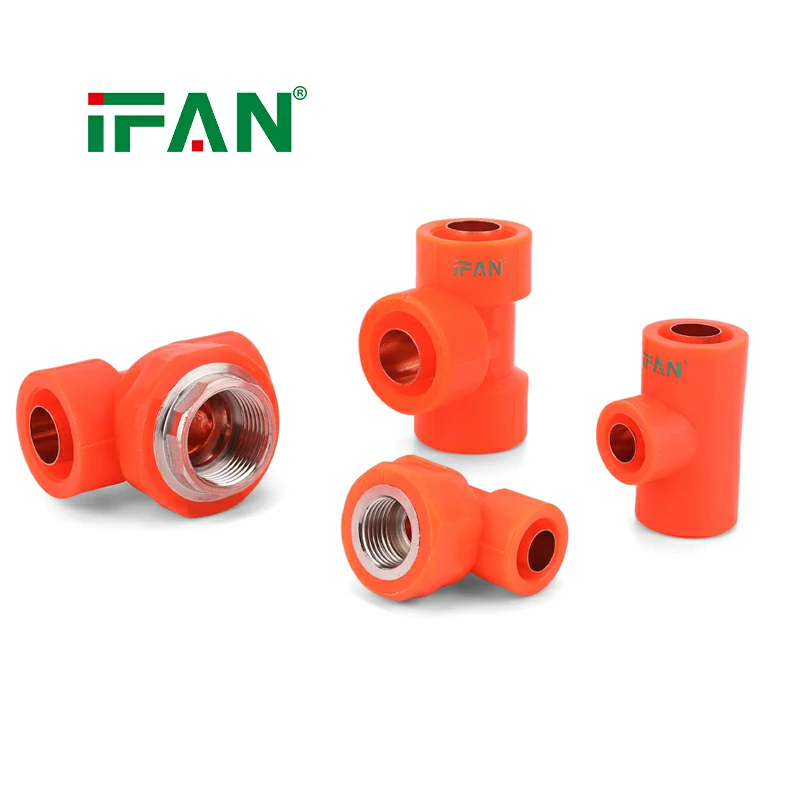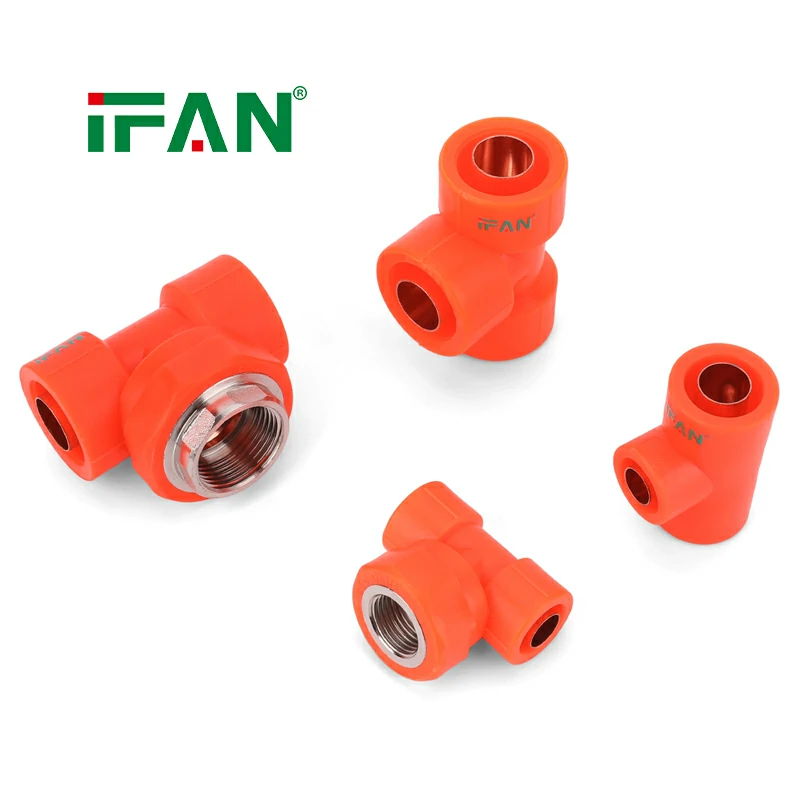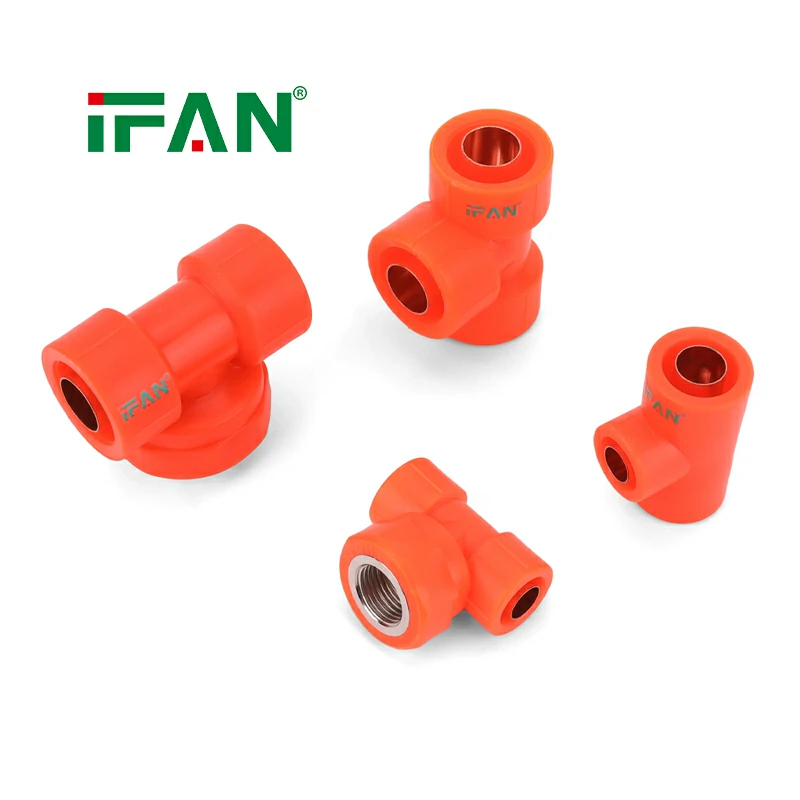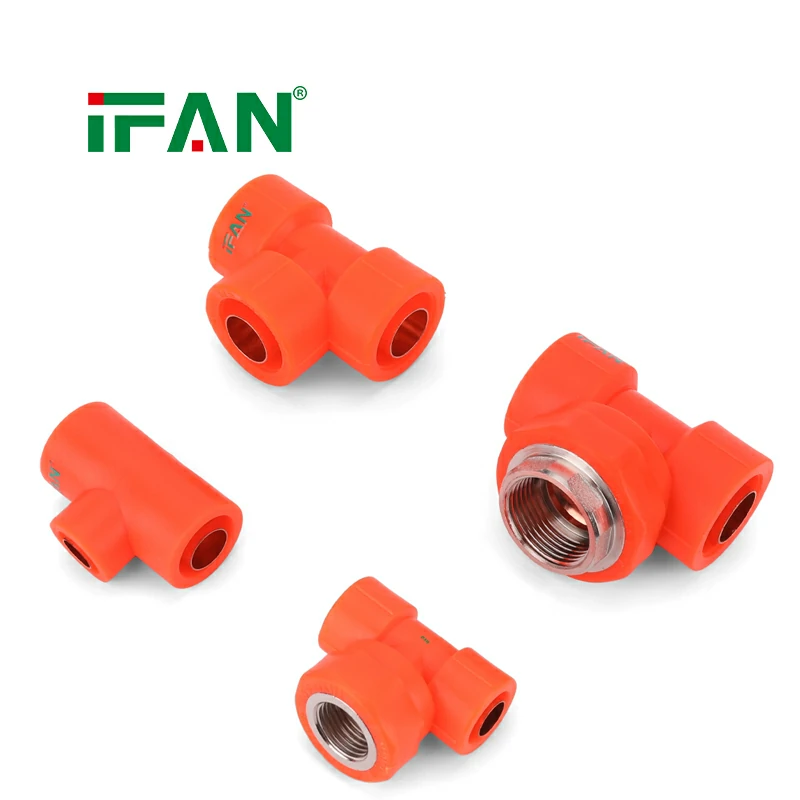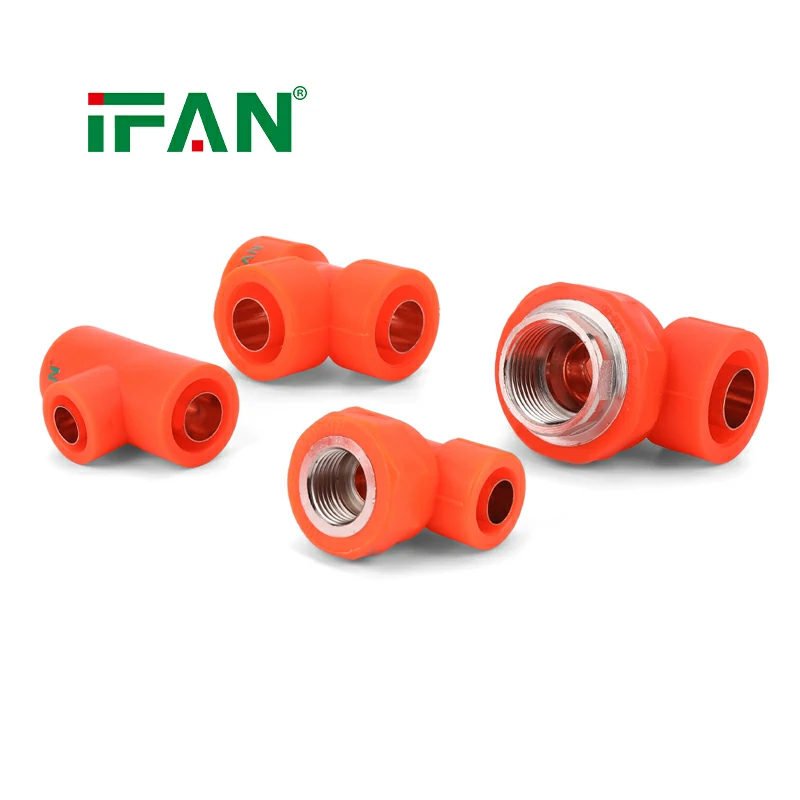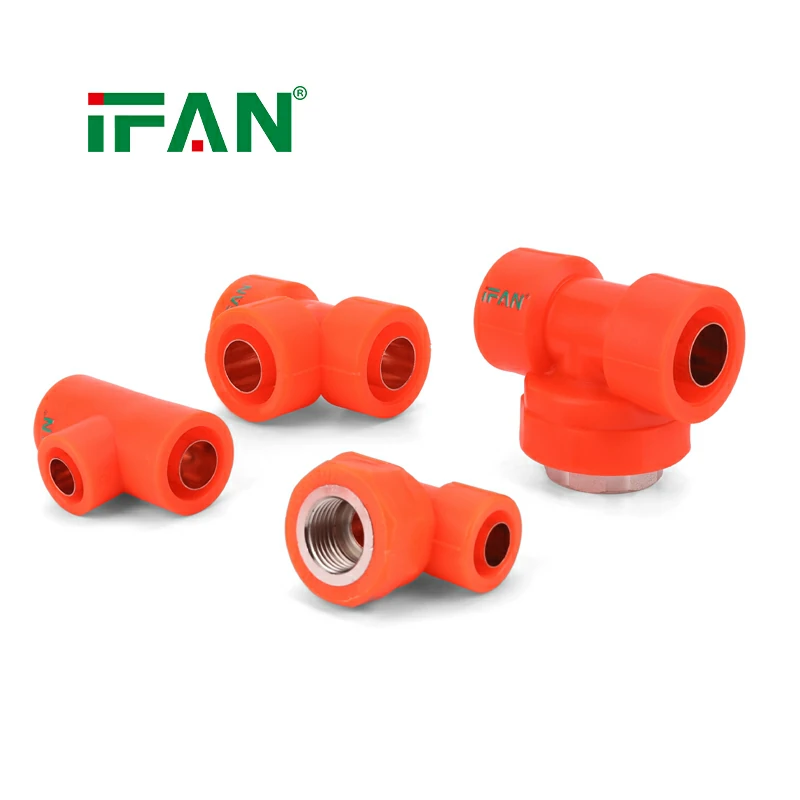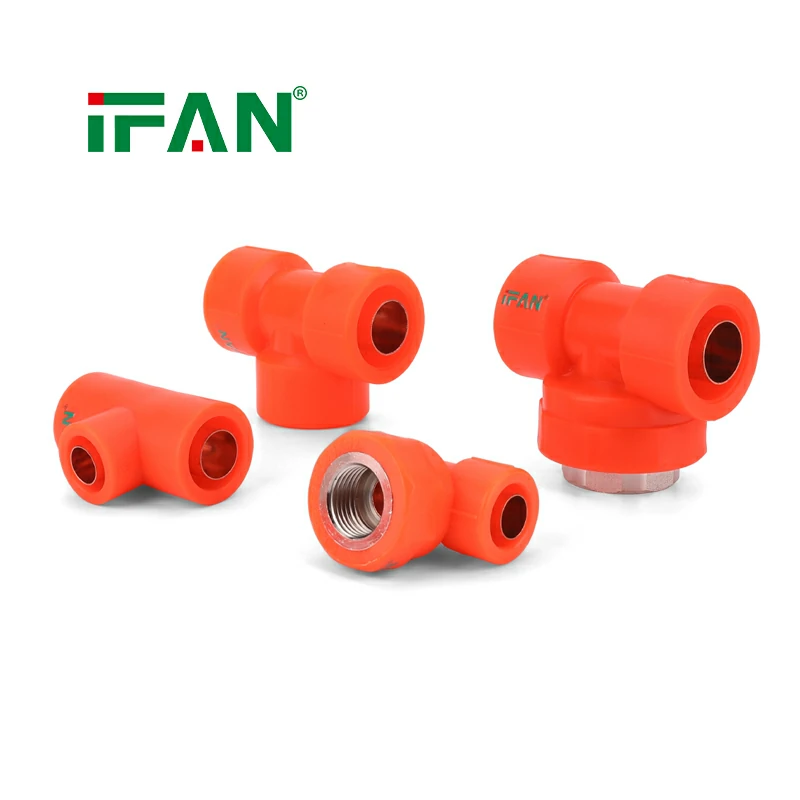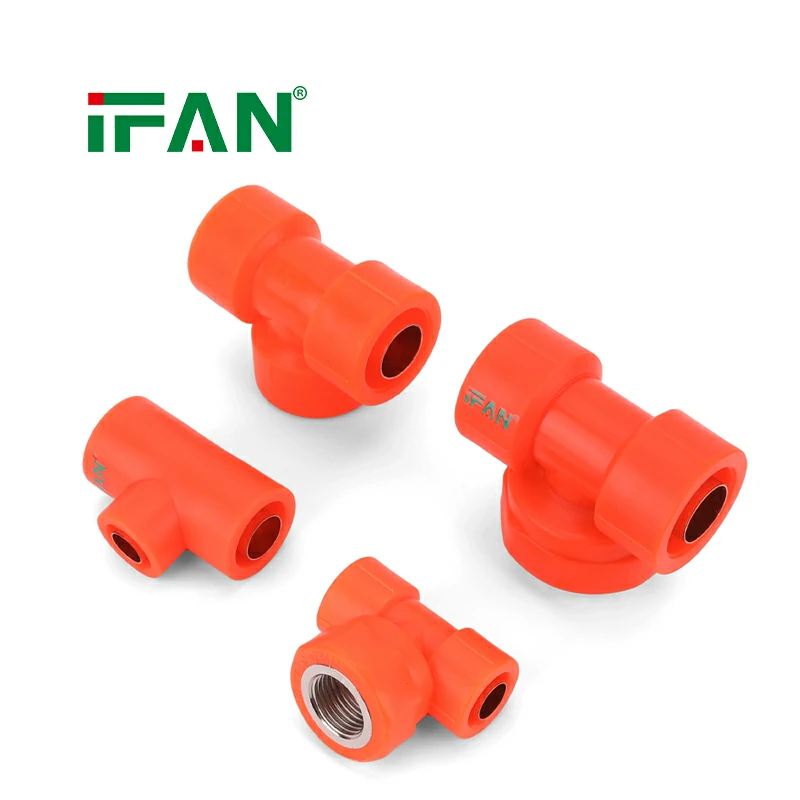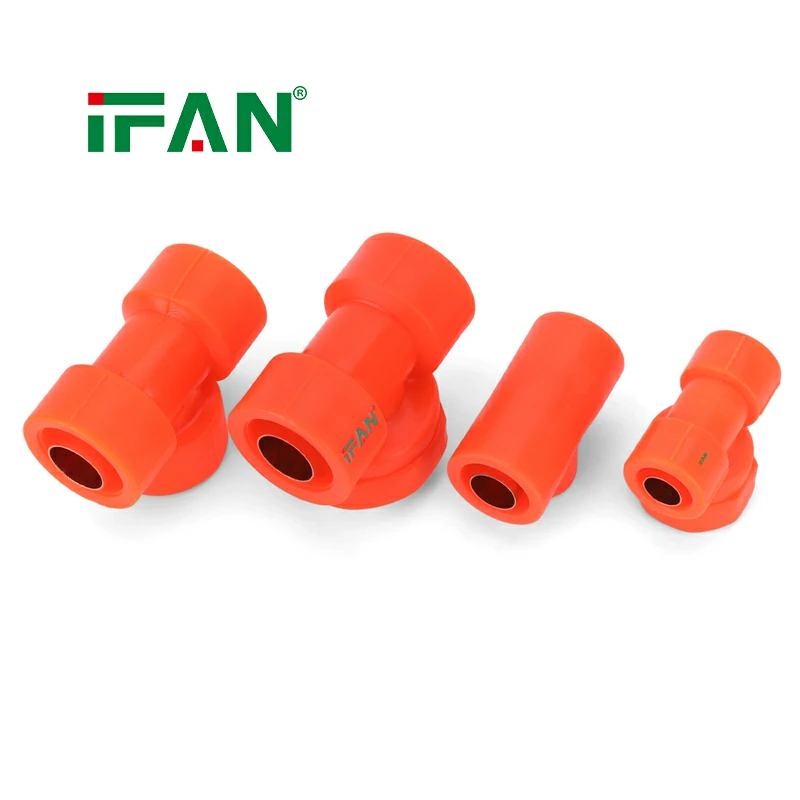
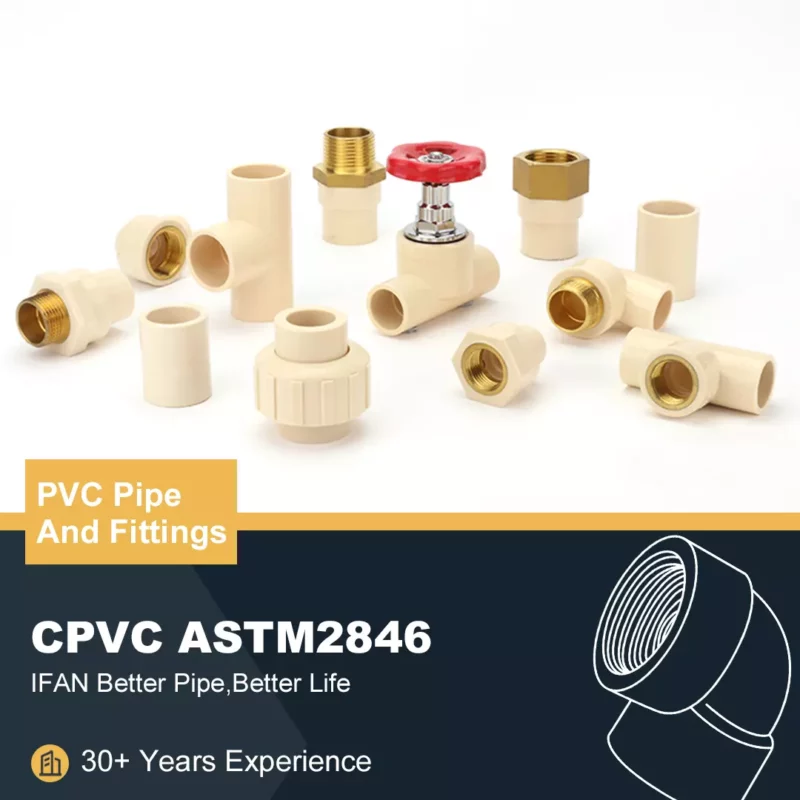
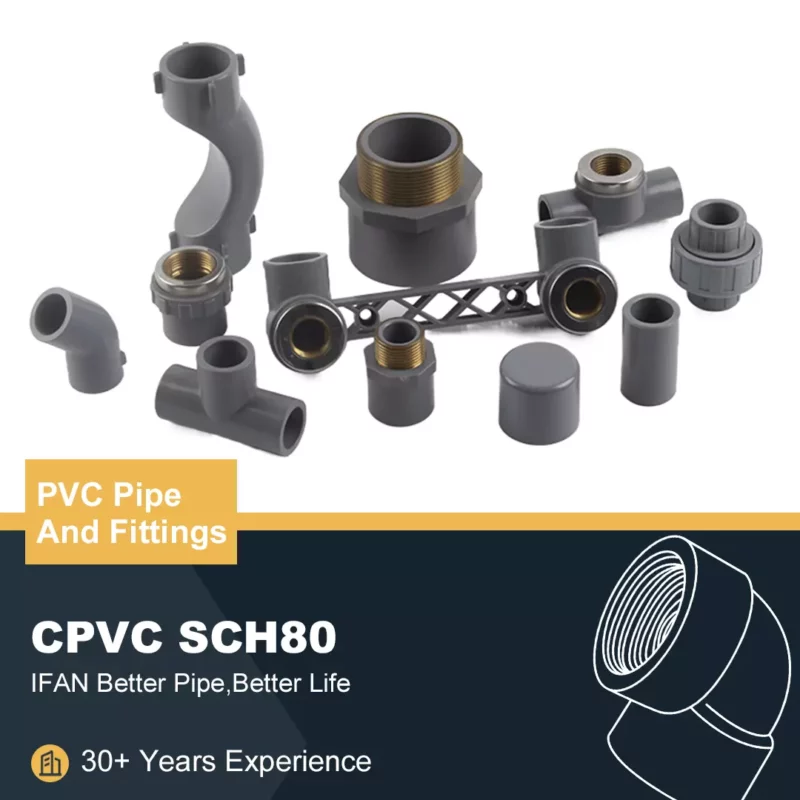
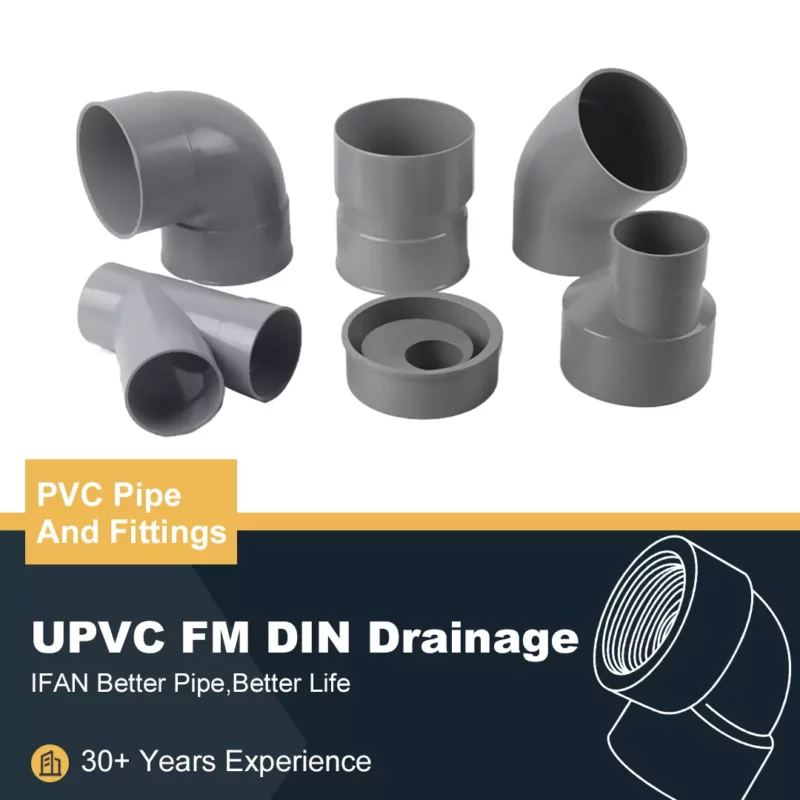
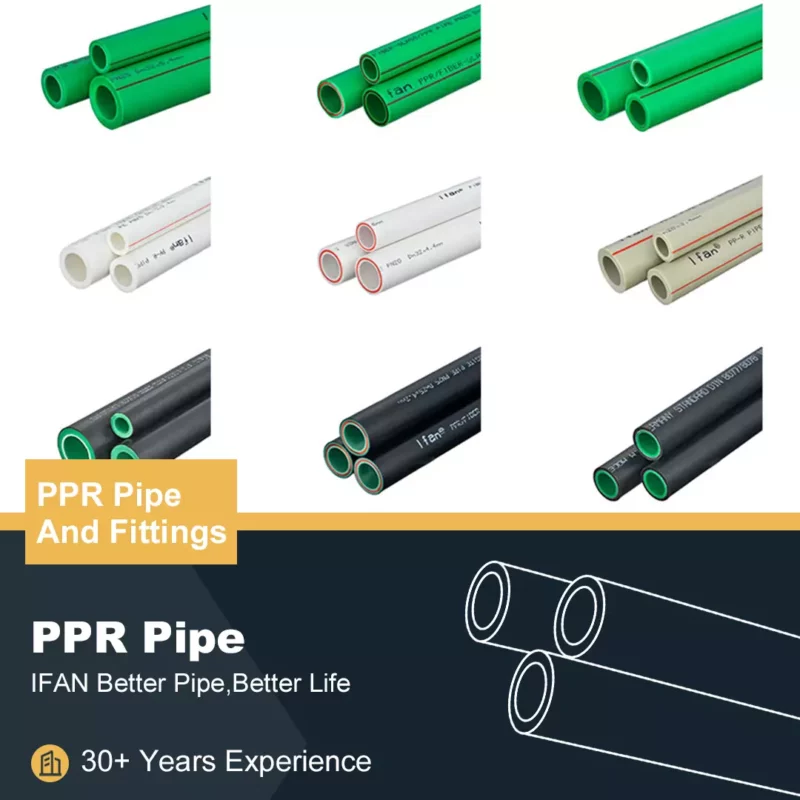
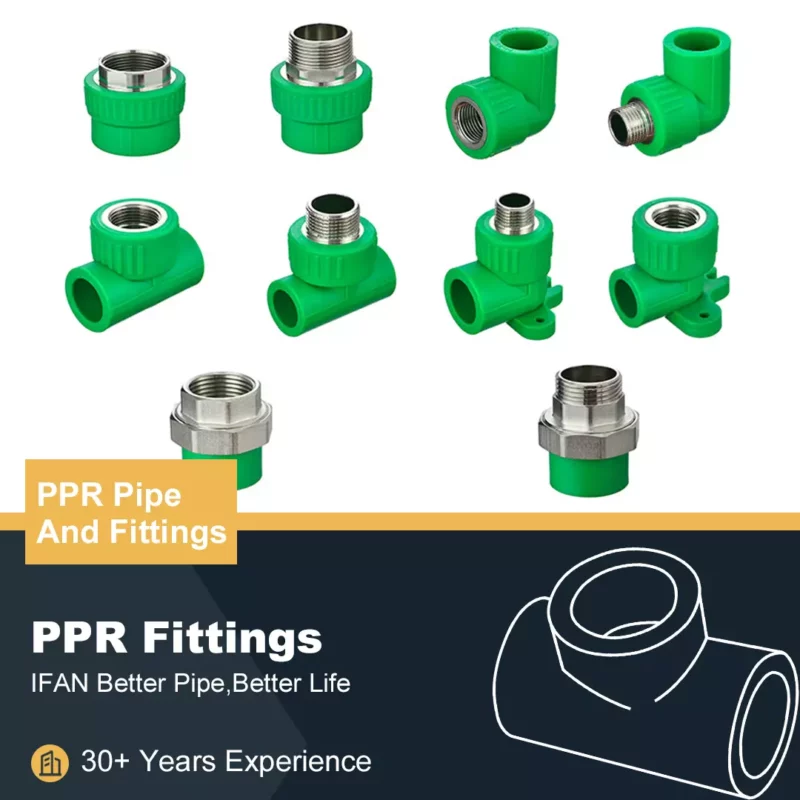
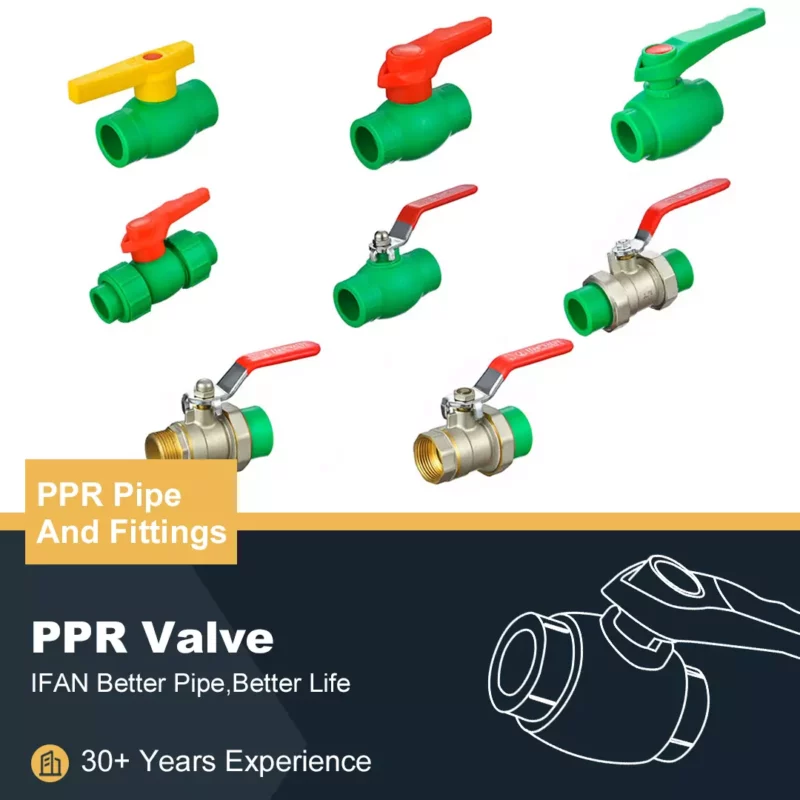
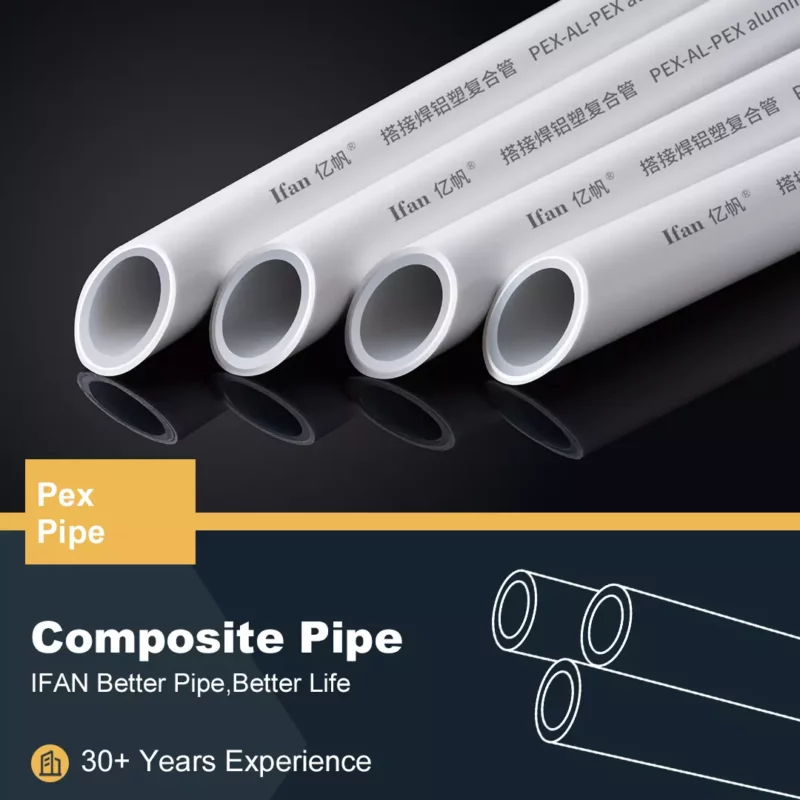
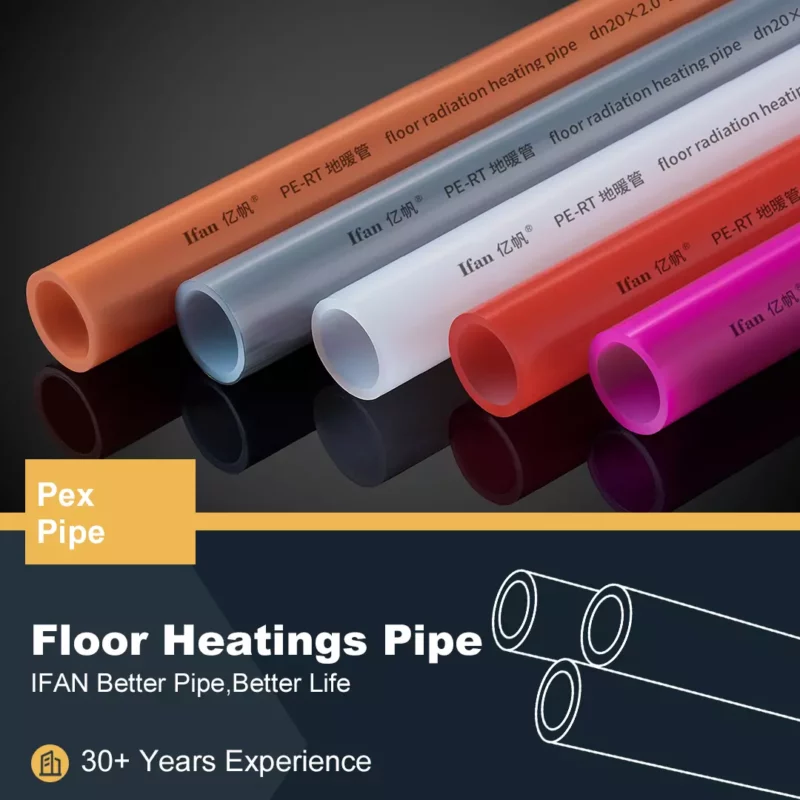
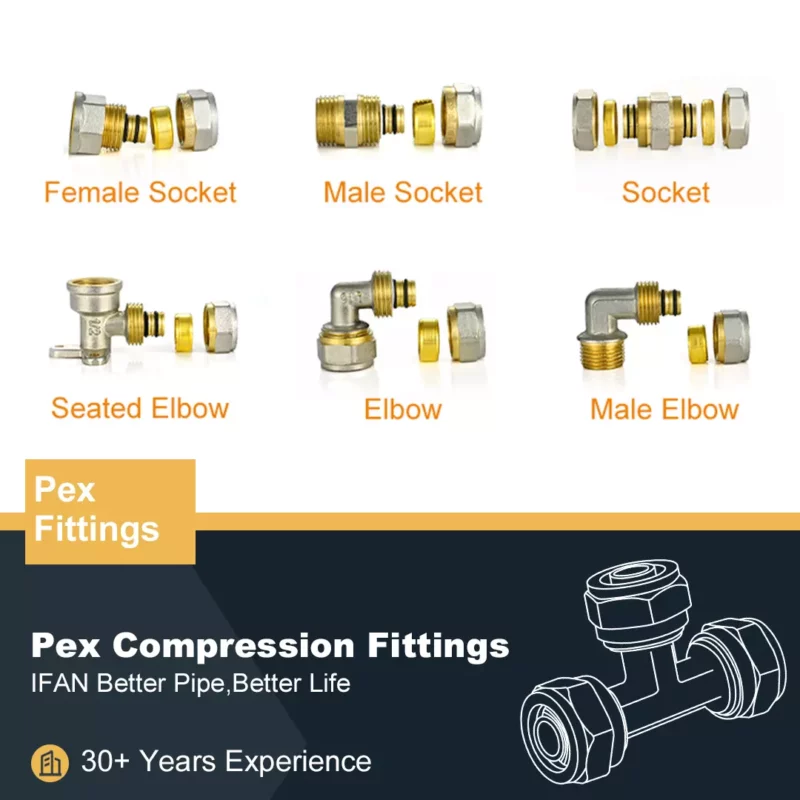
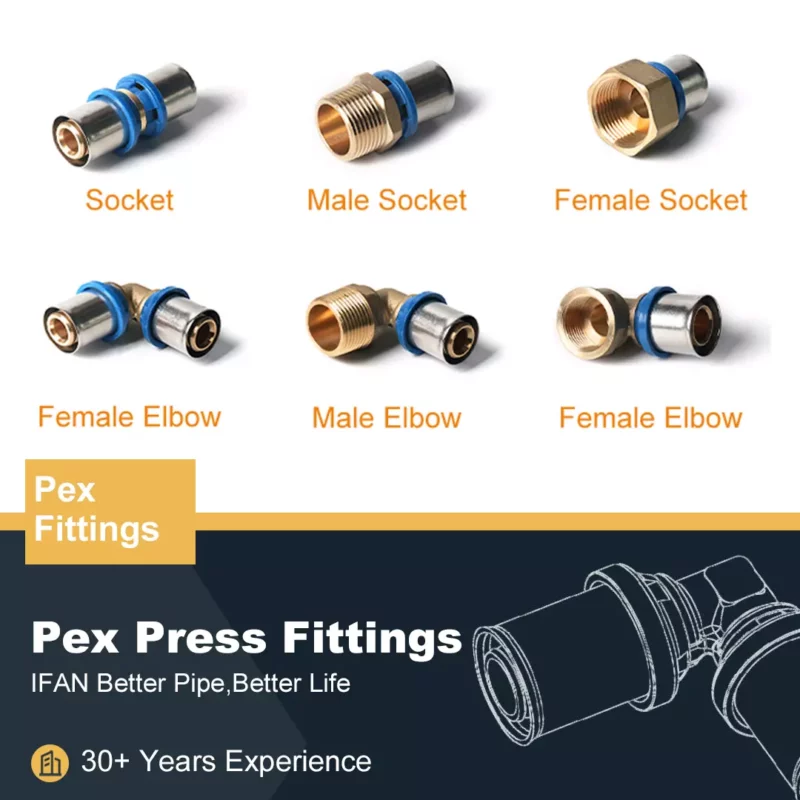
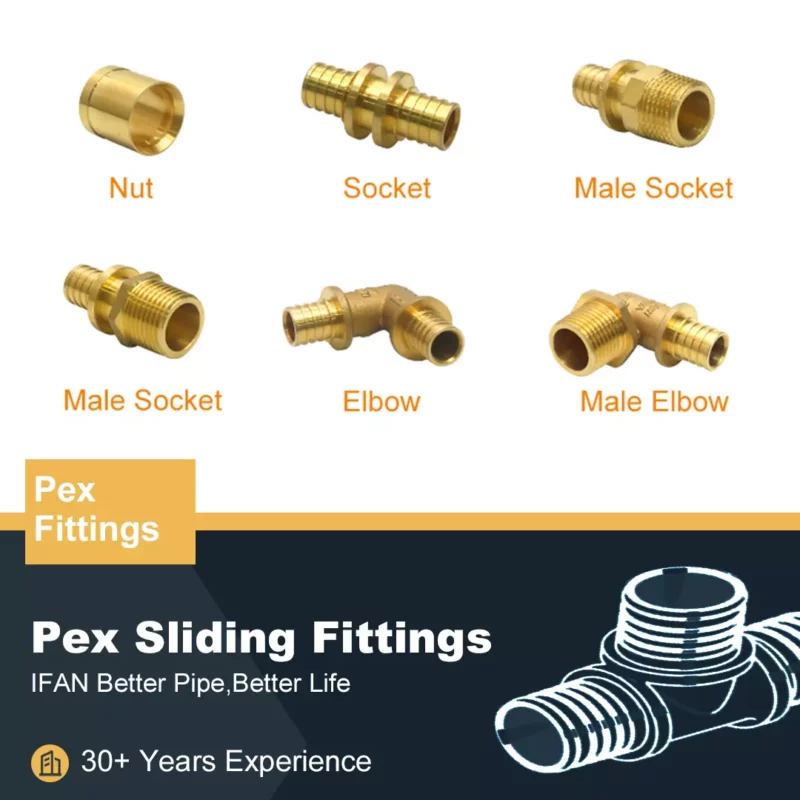
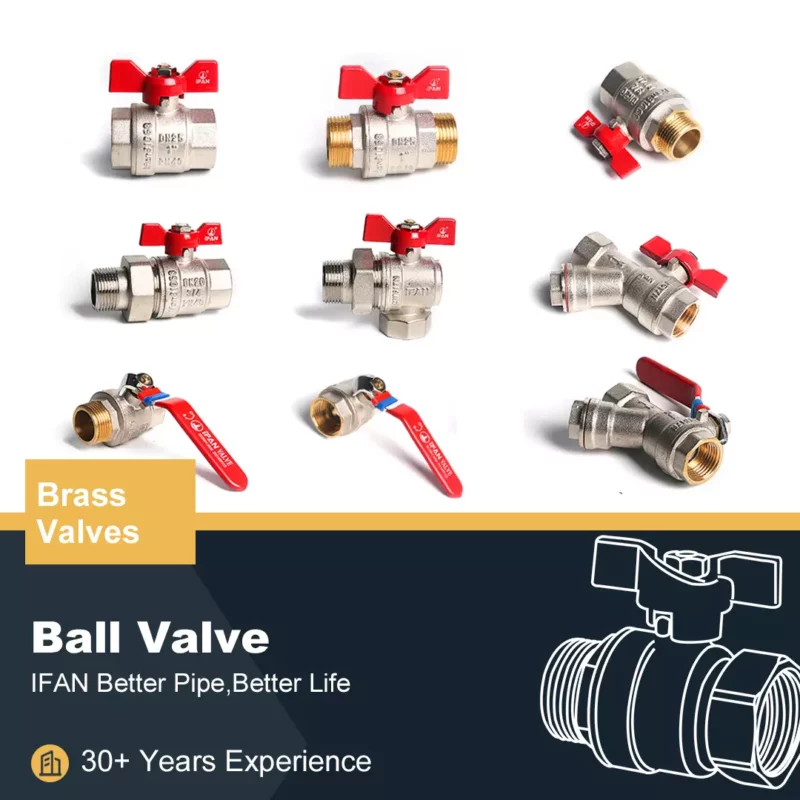
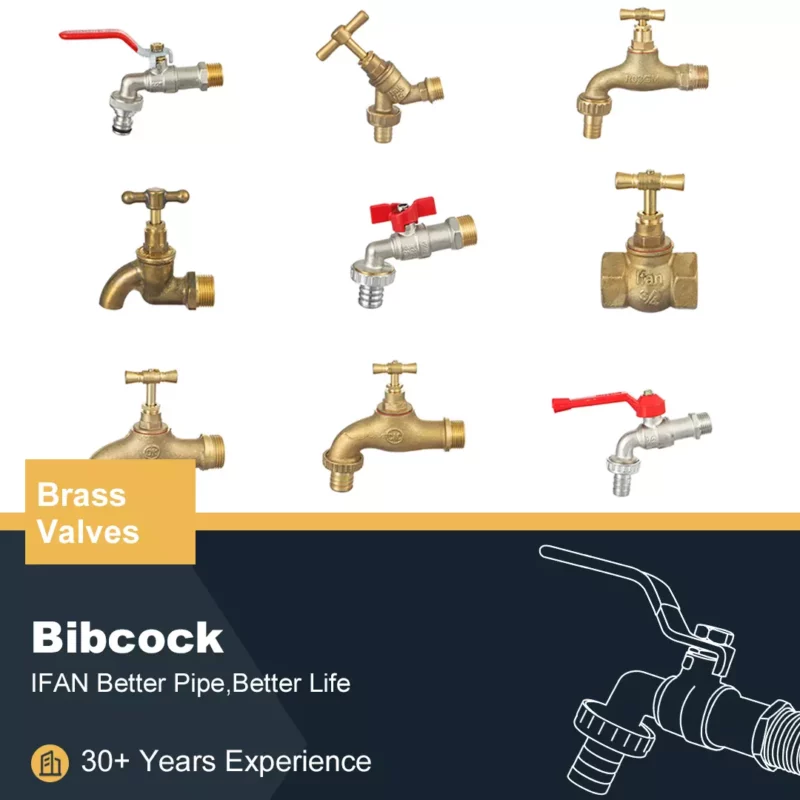
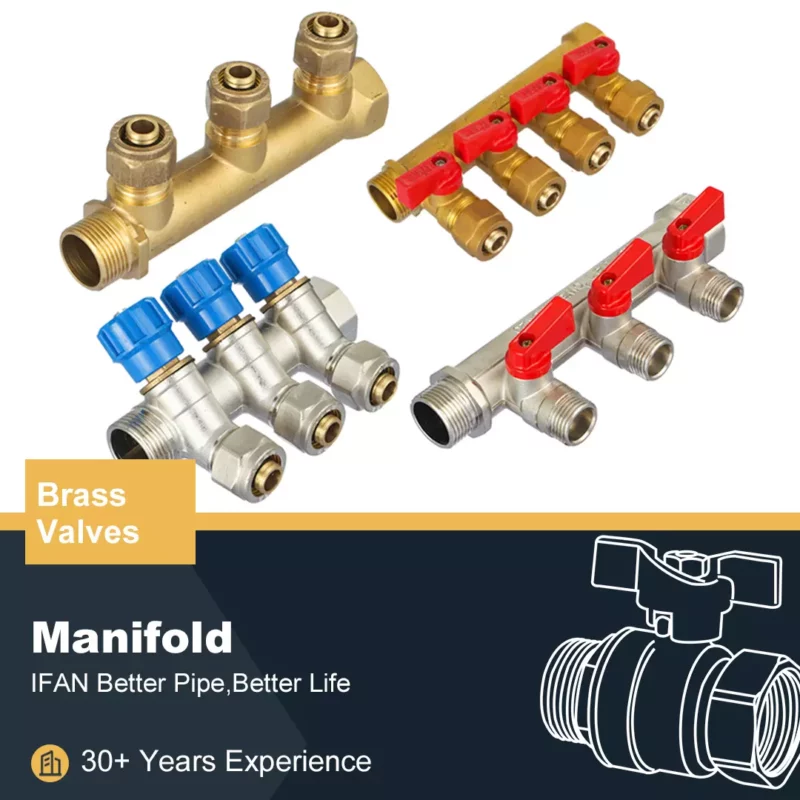
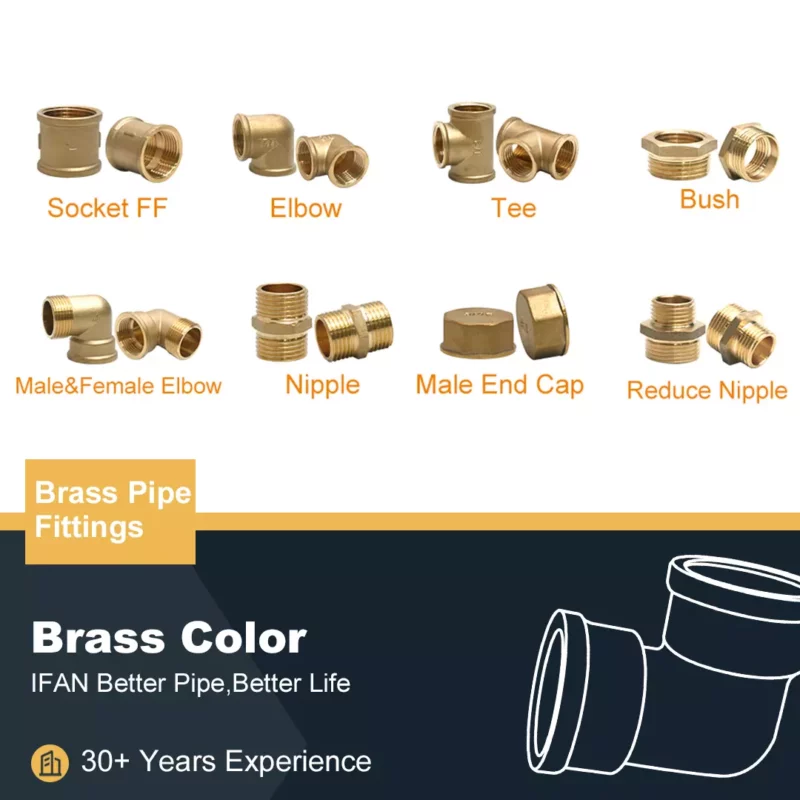
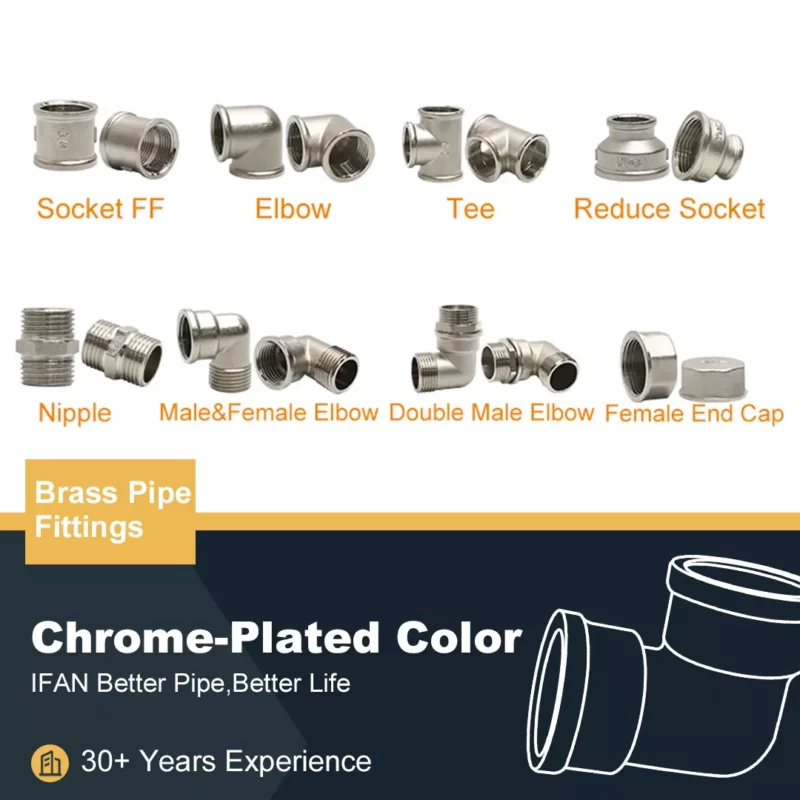





Brass press fittings create secure connections without soldering. Professionals use them in HVAC and plumbing systems. These fittings offer durability, reliability, and ease of installation. However, their applications in HVAC and plumbing differ significantly.
Material Composition
Manufacturers produce brass press fittings using high-quality brass. They ensure corrosion resistance and longevity. HVAC and plumbing fittings use similar materials, but some alloys differ. HVAC fittings often require added strength to handle high pressures and temperatures.
Design and Structure
Brass press fittings feature unique designs for different systems. Plumbing fittings focus on water-tight seals. HVAC fittings incorporate additional reinforcements for extreme conditions. Engineers design these fittings to withstand different environmental factors.
Connection Mechanism
Both HVAC and plumbing fittings use press tools for installation. The pressing process creates a permanent, leak-free joint. Plumbing fittings primarily handle water distribution. HVAC fittings support refrigerant and gas flow. These fittings often include specialized sealing elements.
Pressure and Temperature Ratings
HVAC fittings handle higher pressures and extreme temperatures. Engineers design them for refrigerant and gas lines. Plumbing fittings manage lower pressures. They primarily handle water at moderate temperatures. The difference in ratings affects the choice of fittings.
Sealing Elements
HVAC brass press fittings use specific sealing rings. These rings resist refrigerants and high pressures. Plumbing fittings use seals designed for potable water. Different sealing materials prevent leaks in their respective applications.
Application in HVAC Systems
Technicians use brass press fittings in HVAC refrigerant lines. These fittings ensure safe, leak-proof connections. They support high-pressure refrigerants and withstand temperature variations. Proper installation guarantees system efficiency and longevity.
Application in Plumbing Systems
Plumbers use brass press fittings for water distribution. These fittings create secure, corrosion-resistant joints. They work well in residential and commercial plumbing. Properly installed fittings prevent leaks and water damage.
Installation Process
Workers clean pipes before inserting fittings. Press tools apply even force to create a secure connection. HVAC and plumbing fittings require different press profiles. The correct tool and technique ensure reliable performance.
Durability and Maintenance
Brass press fittings offer long-term reliability. HVAC fittings require periodic inspection due to extreme conditions. Plumbing fittings need less frequent maintenance. Proper installation and material selection increase lifespan.
Cost DifferencesHVAC brass press fittings cost more than plumbing fittings. The higher price reflects material enhancements and pressure ratings. Plumbing fittings remain more affordable for standard applications. Choosing the right fittings balances cost and performance.
Conclusion
Brass press fitting serve different purposes in HVAC and plumbing. Engineers design them to meet system-specific demands. Understanding their differences ensures proper selection. Choosing the correct fittings enhances system efficiency and longevity.
If you have read this article and have any questions, please feel free to contact IFAN. Below is our contact information:
Whatsapp:+86 13373827623
Email:[email protected]