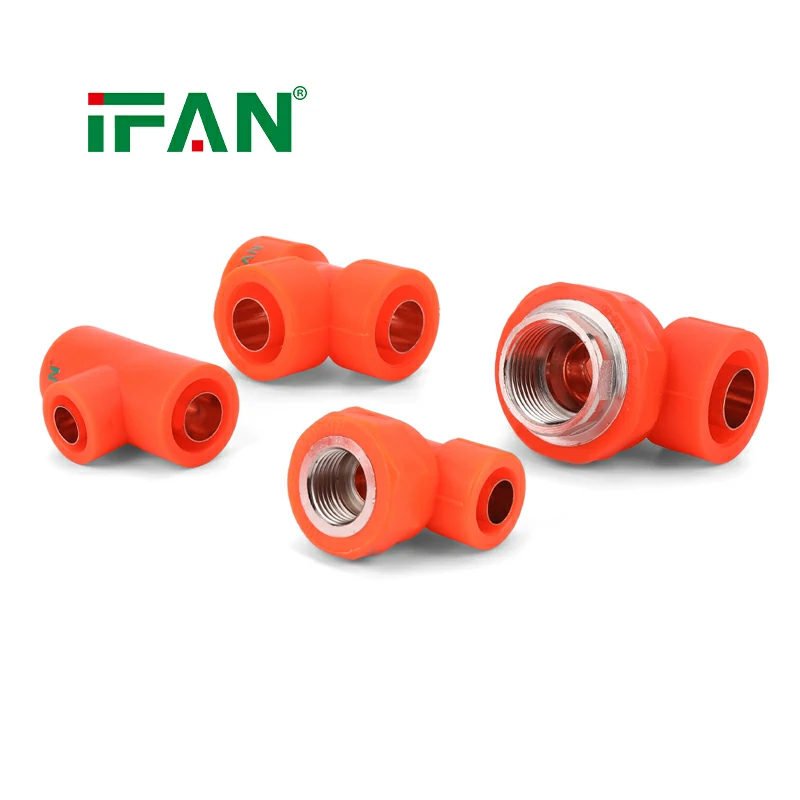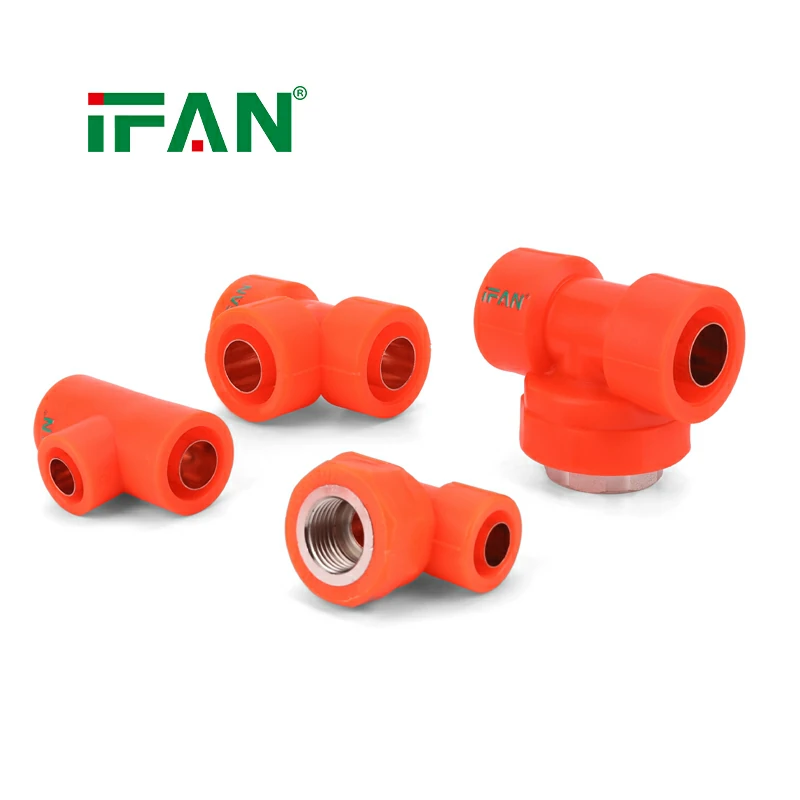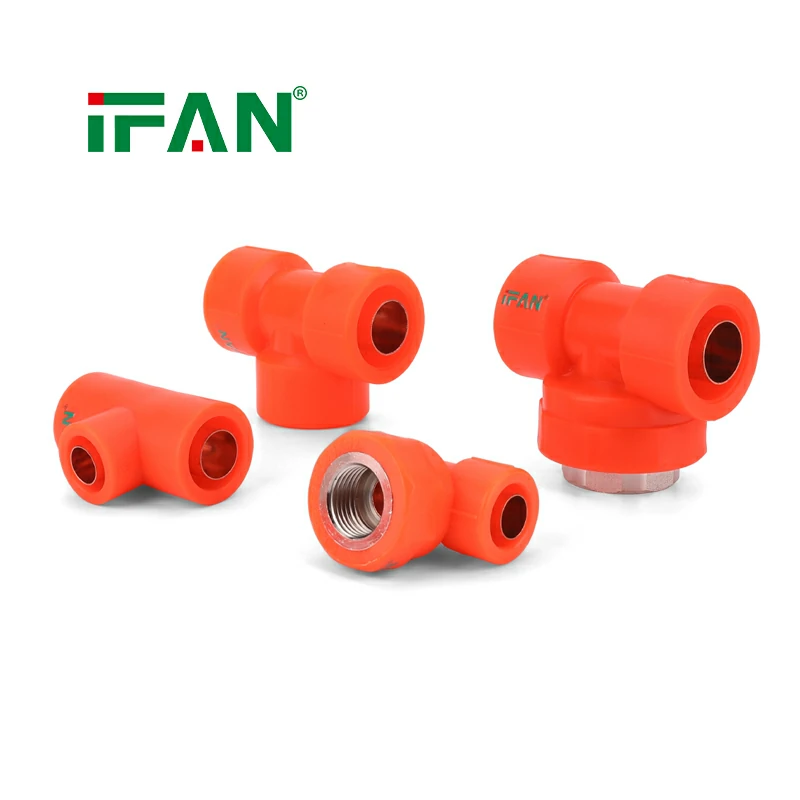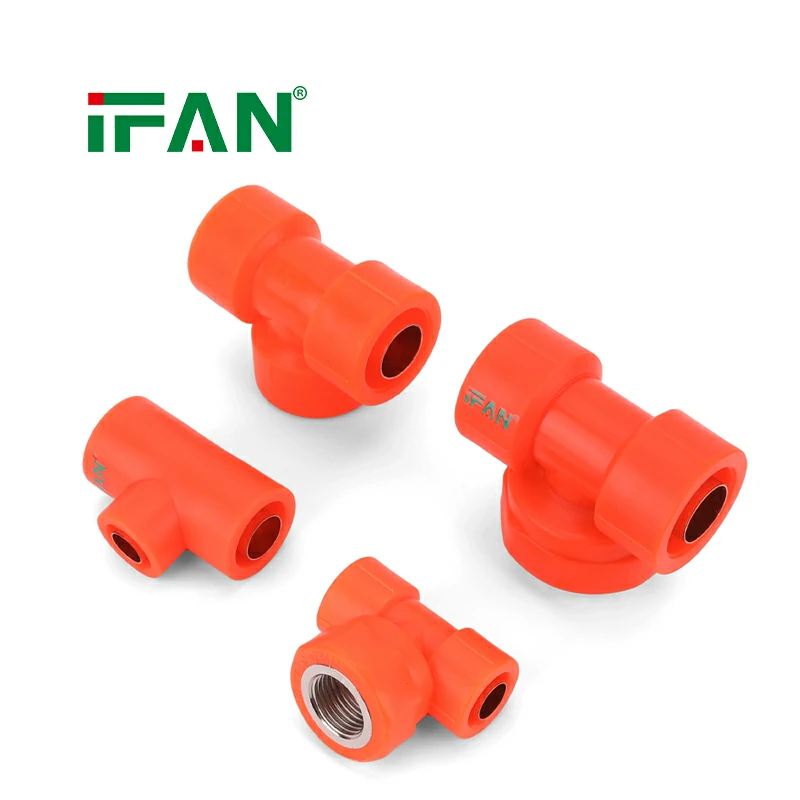


Brass fittings have long been a preferred choice in various industries due to their outstanding durability, strength, and corrosion resistance. These fittings, commonly used in plumbing, automotive, and other applications, provide long-lasting performance and reliability. The unique properties of brass make it an ideal material for fittings that need to endure tough conditions and continue to perform over time. This article explores why brass fittings are highly durable, long-lasting, and an excellent choice for many applications.
What Are Brass Fittings?
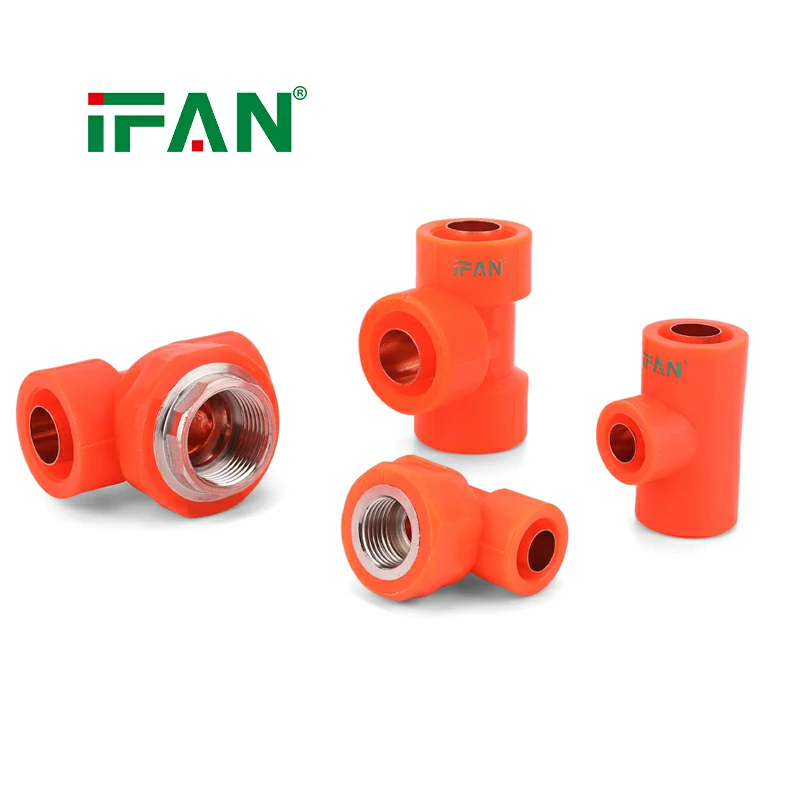
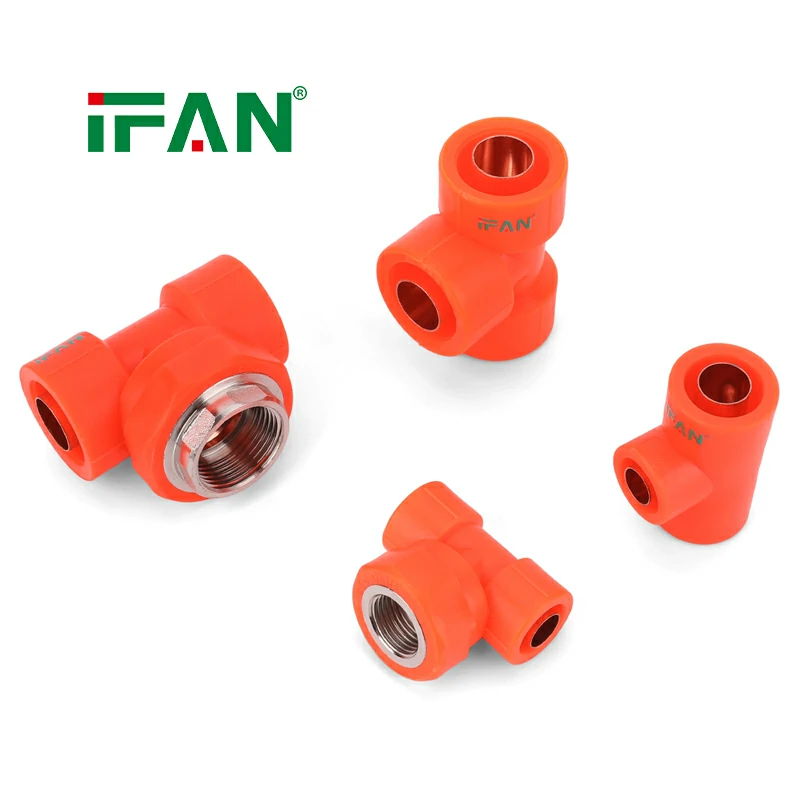
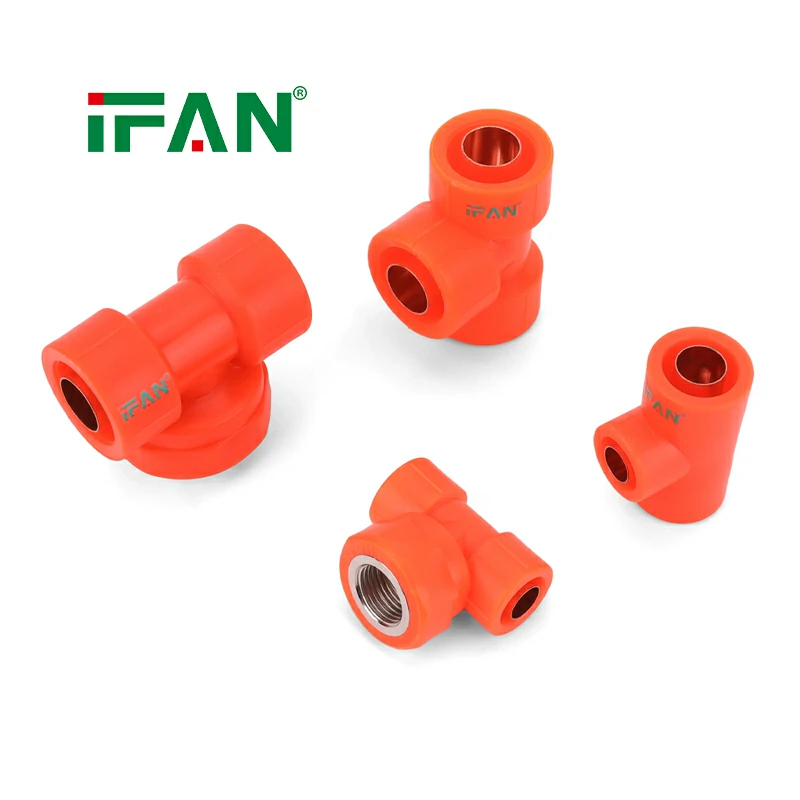
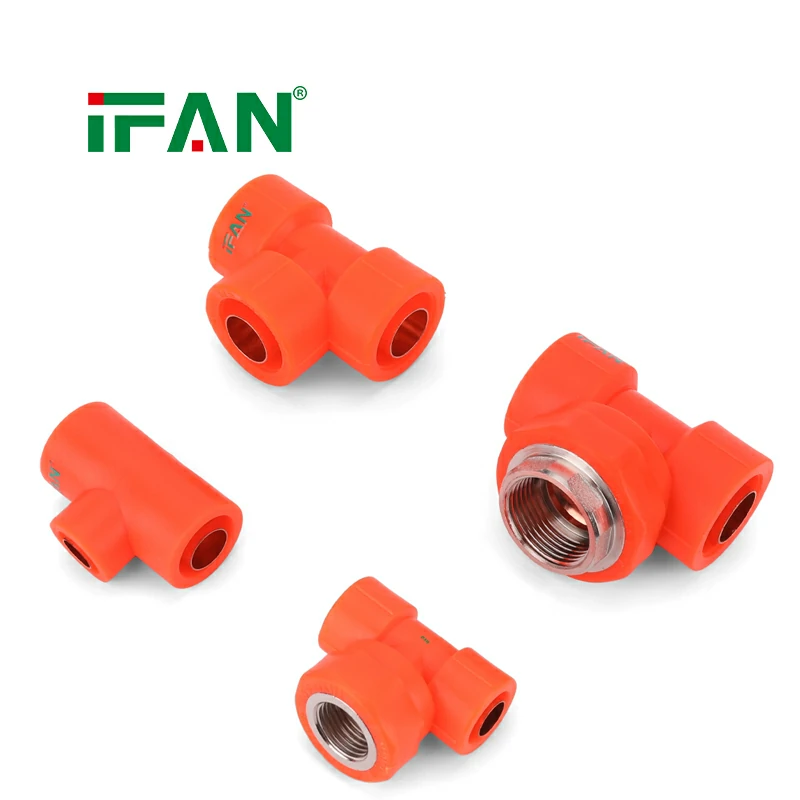
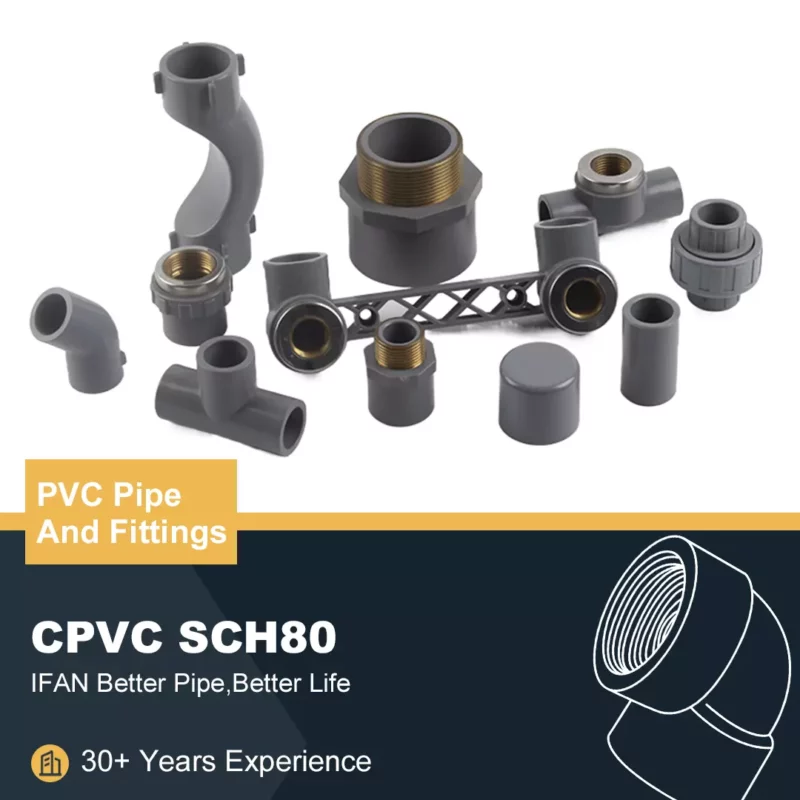
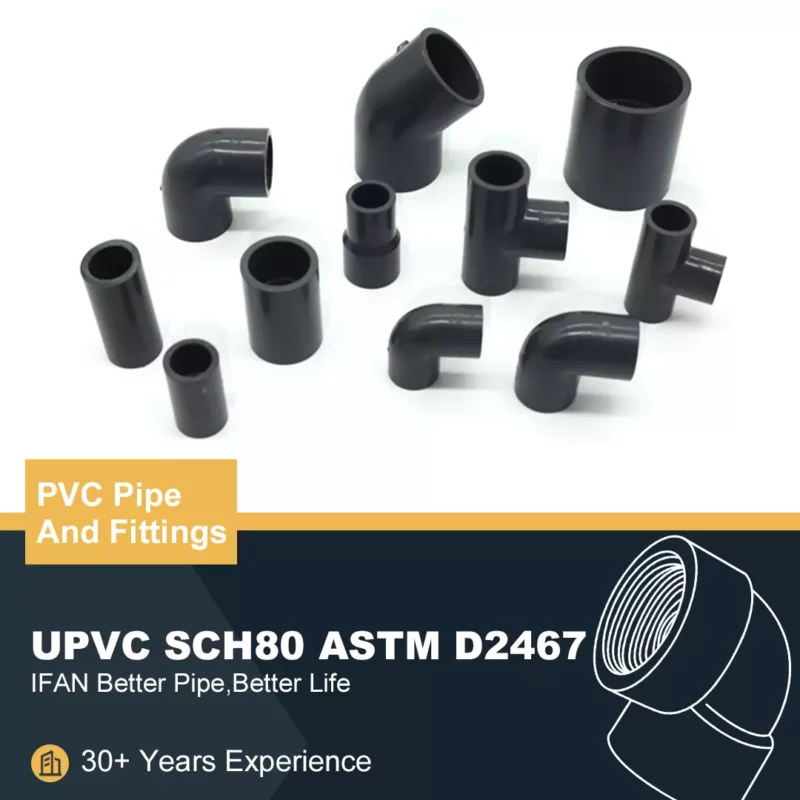
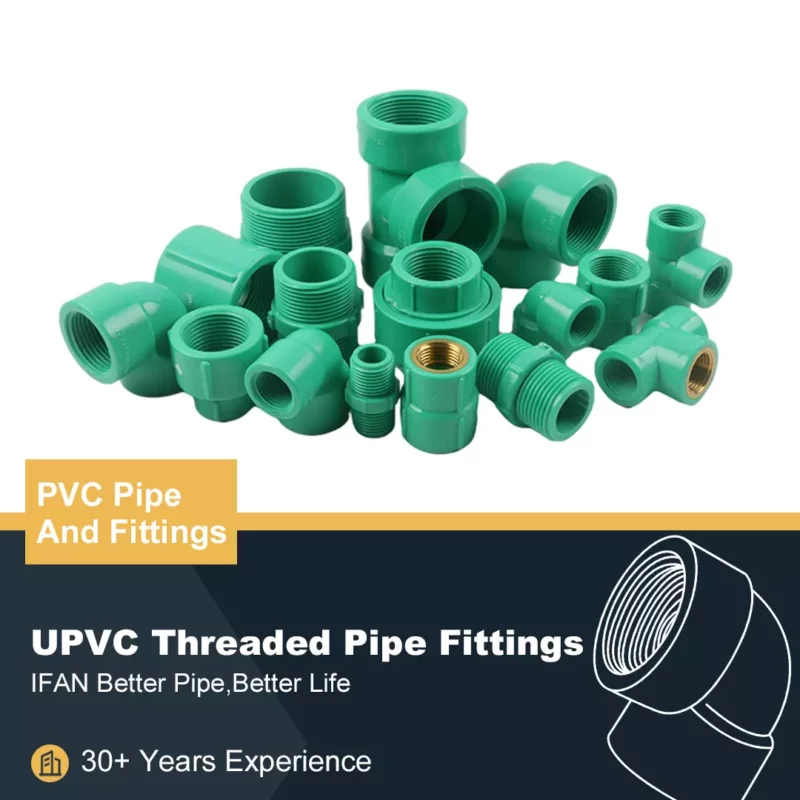
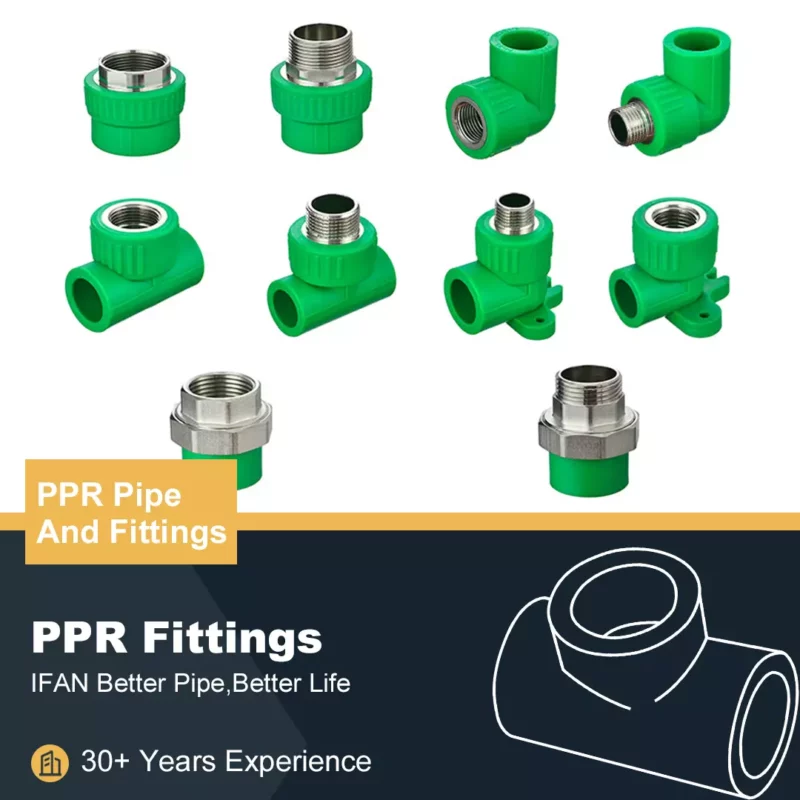
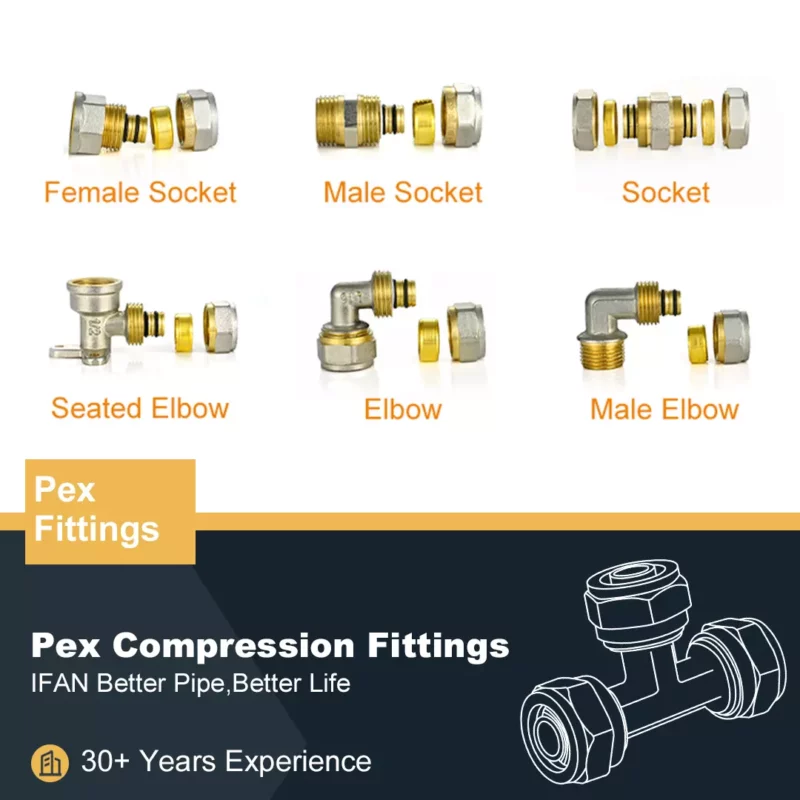
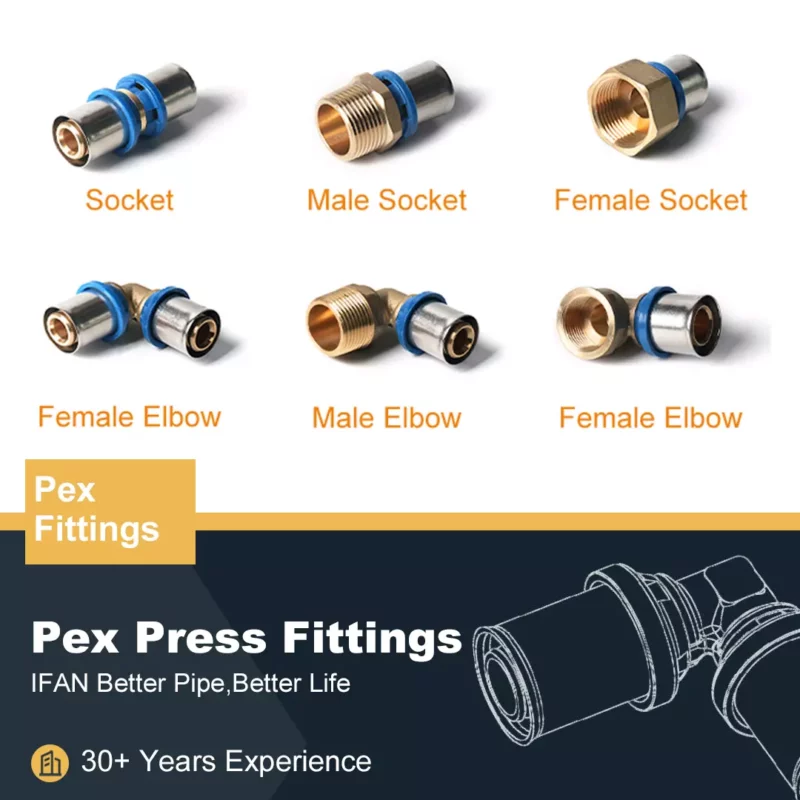
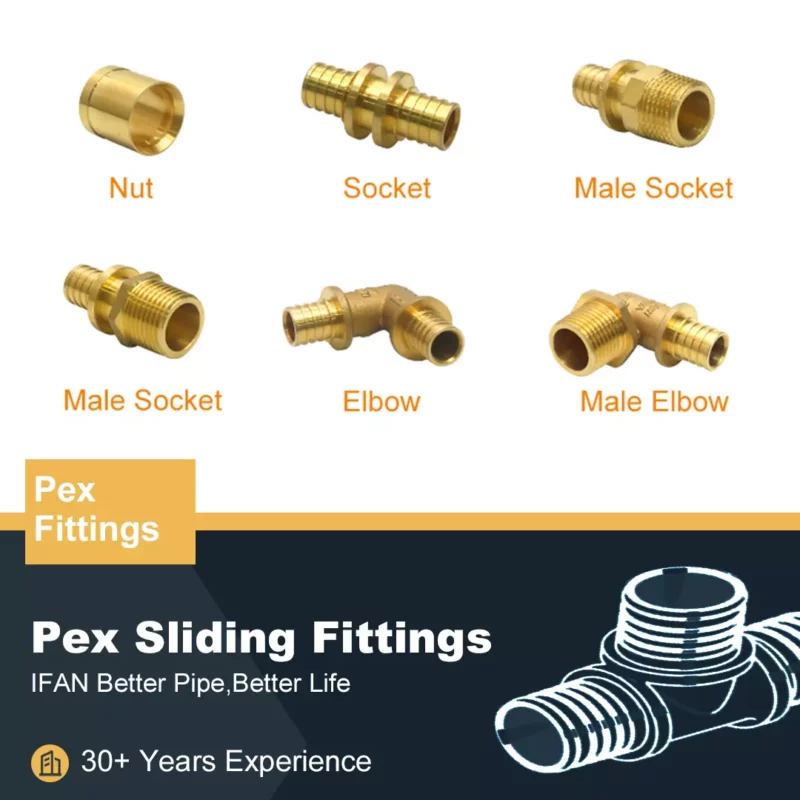
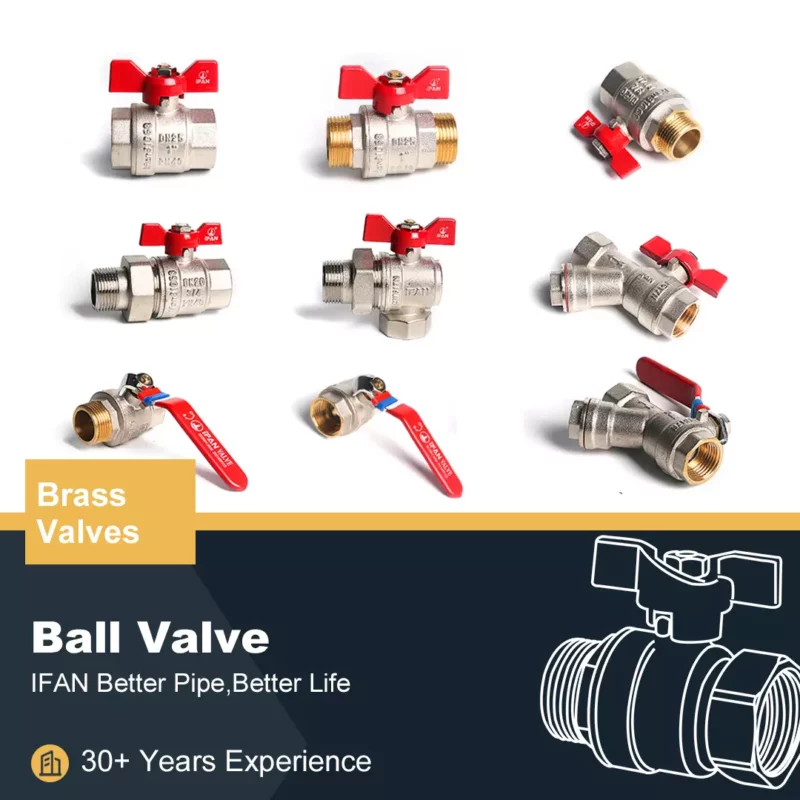
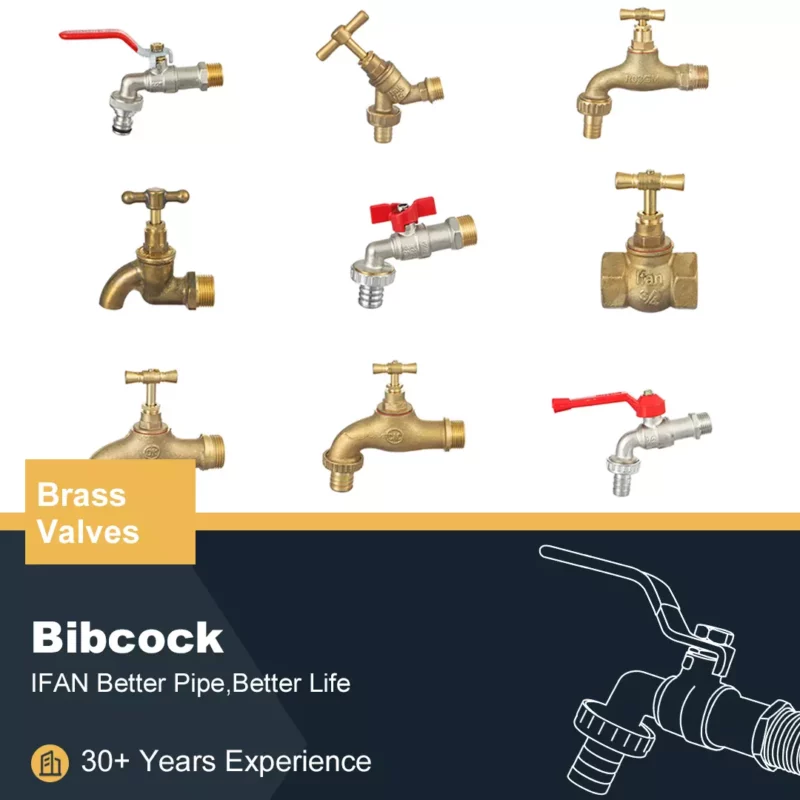
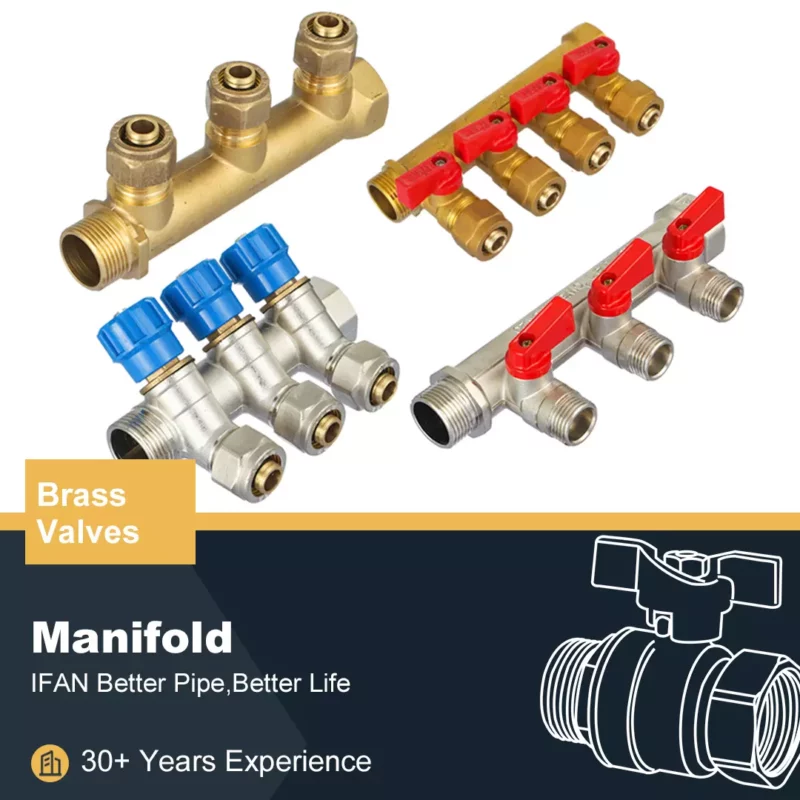
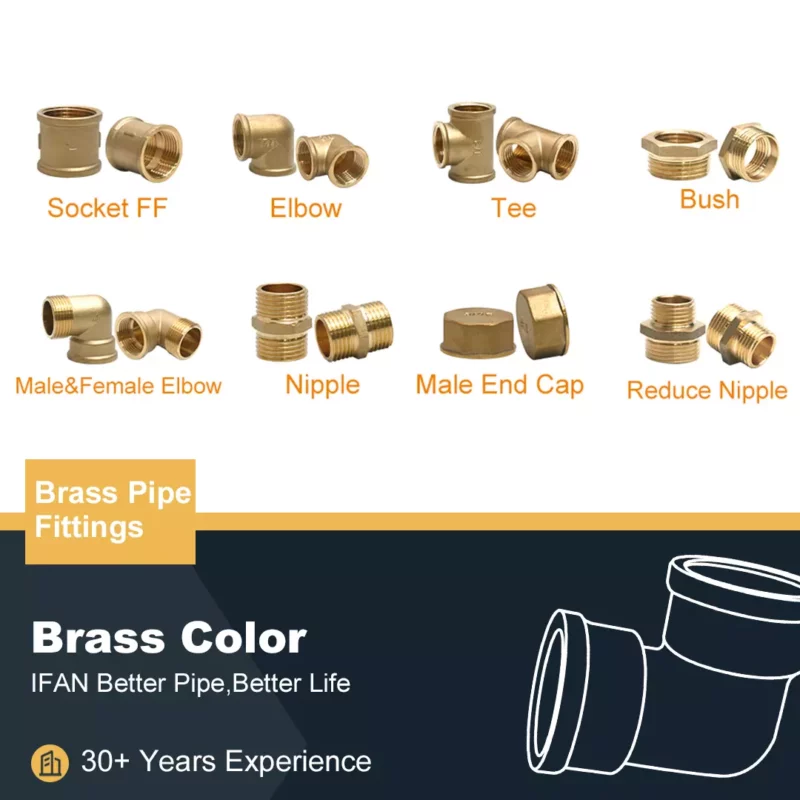
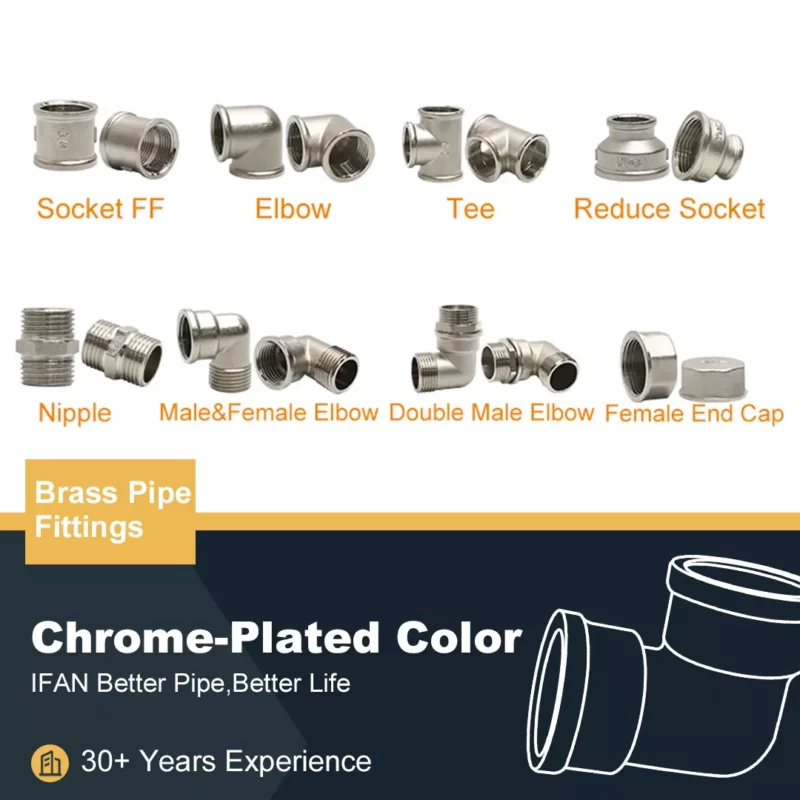
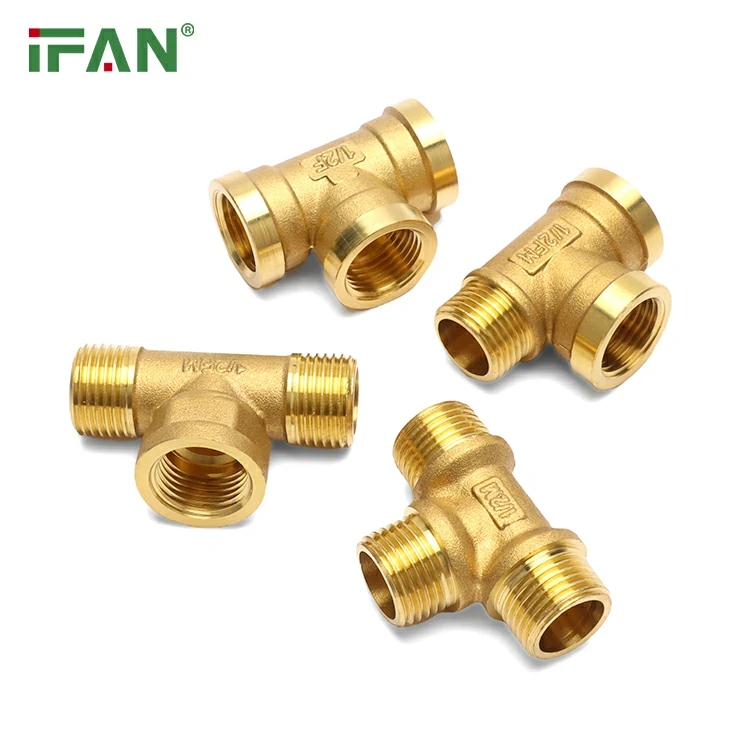
Brass fittings are connectors made from a metal alloy of copper and zinc, commonly used to join or secure two or more parts in a system. They are often used in plumbing, electrical, automotive, and industrial systems. Brass fittings come in a variety of shapes and sizes, including elbows, tees, couplings, and adapters, allowing them to serve different purposes depending on the application.
These fittings are renowned for their high resistance to corrosion, strength, and ability to withstand harsh conditions. Whether used in high-pressure plumbing systems or as part of an industrial pipeline, brass fittings ensure long-term reliability and efficiency.
Key Benefits of Brass Fittings
The popularity of brass fittings can be attributed to several factors. Their robust properties make them suitable for a variety of applications, offering several important benefits.
1. Durability and Strength
Brass fittings are known for their exceptional durability and strength. The alloy combination of copper and zinc gives brass the ability to resist wear and tear, making it ideal for long-term use. Brass is a material that does not crack or break easily under pressure, which is especially important in high-stress applications such as plumbing and automotive systems.
Unlike materials like plastic, which can degrade over time, brass retains its integrity and functionality even after years of use. This durability makes it a reliable choice for environments that require fittings to perform without frequent maintenance or replacement.
2. Corrosion Resistance
One of the main reasons brass fitting are favored is their high resistance to corrosion. Unlike steel or iron, which are susceptible to rust when exposed to water or moisture, brass does not rust. This resistance to corrosion ensures that brass fitting will maintain their strength and appearance for many years, even when exposed to harsh environmental conditions.
In plumbing systems, for example, brass fitting are often used for water supply lines because they are highly resistant to the corrosion caused by water, salts, and other minerals. This ensures a longer lifespan for the system and reduces the need for costly repairs.
3. Longevity
Brass fittings are designed to last for many years, thanks to their durability and resistance to various forms of damage. Their long lifespan makes them a cost-effective choice for a wide range of applications. The ability of brass to withstand exposure to water, air, and other harsh conditions without deteriorating means that it does not need to be replaced as often as other materials.
In plumbing systems, for example, brass fitting are often chosen over other materials due to their ability to endure pressure and exposure to moisture without degrading. This longevity translates into reduced maintenance costs and fewer replacements, making brass fittings an investment in long-term reliability.
4. High Heat Tolerance
Brass fittings can handle high temperatures, making them suitable for systems that involve hot water or gases. The metal’s heat tolerance is one of its most important properties, especially in applications such as heating systems, automotive engines, and industrial machinery. Brass fittings maintain their strength and do not warp or deform when exposed to elevated temperatures.
For example, in plumbing systems with hot water lines, brass fitting are often used to ensure a stable and secure connection even under the heat of the water. Their ability to endure high temperatures without damage ensures that the fittings perform effectively and do not fail prematurely.
5. Easy to Work With
Another reason brass fitting are so widely used is that they are easy to work with. Brass is relatively easy to machine, which means it can be made into a variety of shapes and sizes to suit different needs. This versatility allows brass fitting to be customized for specific applications, whether they are required for a simple household plumbing system or a complex industrial process.
Moreover, brass fitting can be easily joined with other materials using standard joining techniques like threading, soldering, or crimping. This makes the installation process straightforward and cost-effective.
Applications of Brass Fitting
Brass fitting are used in many different fields due to their versatility and performance. They are particularly useful in industries where long-term reliability and resistance to wear are essential. Below are some common applications for brass fitting.
1. Plumbing Systems
In plumbing, brass fitting are widely used for connecting pipes, faucets, and fixtures. Their corrosion resistance and durability make them a reliable choice for water systems. Brass fitting are particularly common in water supply lines, as they can handle both hot and cold water without deteriorating over time.
Brass fitting are also used for connecting various plumbing components, such as shower heads, sinks, and water heaters. They ensure leak-free connections that last for years, making them a popular choice in both residential and commercial plumbing systems.
2. Automotive Systems
Brass fitting are also commonly used in automotive systems, especially in fuel lines, coolant systems, and air systems. These fittings are essential for maintaining secure and reliable connections between different components of an engine or vehicle. Brass’s strength and resistance to heat make it ideal for handling the high temperatures and pressures found in automotive systems.
In particular, brass fitting are used in parts such as radiators, exhaust systems, and fuel injectors, where they ensure tight seals that prevent leaks and improve performance. The longevity and durability of brass also ensure that these parts continue to function effectively for many years.
3. Industrial and Manufacturing Systems
In industrial applications, brass fitting are used in a wide range of systems that require durable and corrosion-resistant connectors. These fittings are often found in machinery, pumps, and industrial equipment where reliability and performance are crucial. Brass is used in systems that handle both liquids and gases, as its resistance to corrosion ensures that the fittings remain in good condition over time.
Additionally, brass fitting are used in various hydraulic and pneumatic systems, where they help control the flow of fluids and gases. These fittings provide secure connections that ensure the efficient operation of complex systems in manufacturing and production processes.
4. HVAC Systems
Brass fittings are also used in heating, ventilation, and air conditioning (HVAC) systems. In HVAC applications, brass fittings provide secure and reliable connections for refrigerant lines, piping, and other components. Brass’s resistance to corrosion ensures that HVAC systems continue to perform efficiently, even in environments where moisture or temperature fluctuations are common.
Brass fittings are especially useful in the refrigeration industry, where they are used to connect components such as compressors, condensers, and evaporators. The ability of brass to withstand both high and low temperatures makes it an ideal material for HVAC systems.
Why Choose Brass Fittings?
Brass fittings stand out in various industries for their superior performance and durability. The combination of strength, corrosion resistance, and heat tolerance makes them an excellent choice for systems that require long-term reliability. Whether used in plumbing, automotive, industrial, or HVAC systems, brass fittings provide consistent performance and security.
Choosing brass fittings ensures that systems remain functional and efficient for many years, reducing the need for frequent replacements and repairs. Their durability also means fewer leaks, maintenance issues, and potential system failures. Brass fittings offer peace of mind for homeowners, engineers, and contractors, knowing that their systems are built to last.
Environmental Considerations of Brass Fittings
In addition to their practical benefits, brass fittings offer environmental advantages. Brass is a recyclable material, making it an eco-friendly option for both manufacturers and consumers. Using brass fittings reduces the environmental impact of plumbing, automotive, and industrial systems, as they can be recycled at the end of their life cycle.
Moreover, the longevity and durability of brass fittings contribute to sustainability. Systems that use brass fittings are less likely to need frequent repairs or replacements, which reduces waste and consumption of materials over time.
Conclusion
Brass fittings are an essential component in various systems, offering durability, strength, and corrosion resistance. Their ability to perform reliably in harsh conditions, coupled with their long lifespan, makes them an ideal choice for applications in plumbing, automotive, industrial, and HVAC systems.
The benefits of brass fittings, including their resistance to wear, corrosion, and high temperatures, make them a cost-effective investment in long-term reliability. Whether for residential, commercial, or industrial use, brass fittings continue to prove their worth as a durable and long-lasting solution. As a result, they remain a top choice for professionals and homeowners seeking high-quality, dependable connections.
If you have read this article and have any questions, please feel free to contact IFAN. Below is our contact information:
Whatsapp:+86 13373827623
Email:[email protected]