



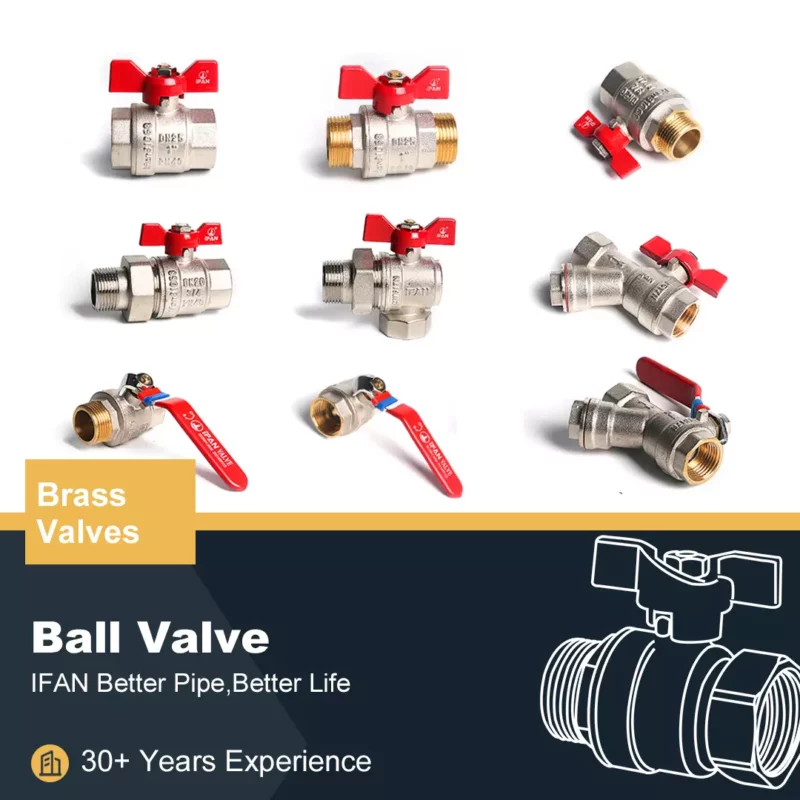
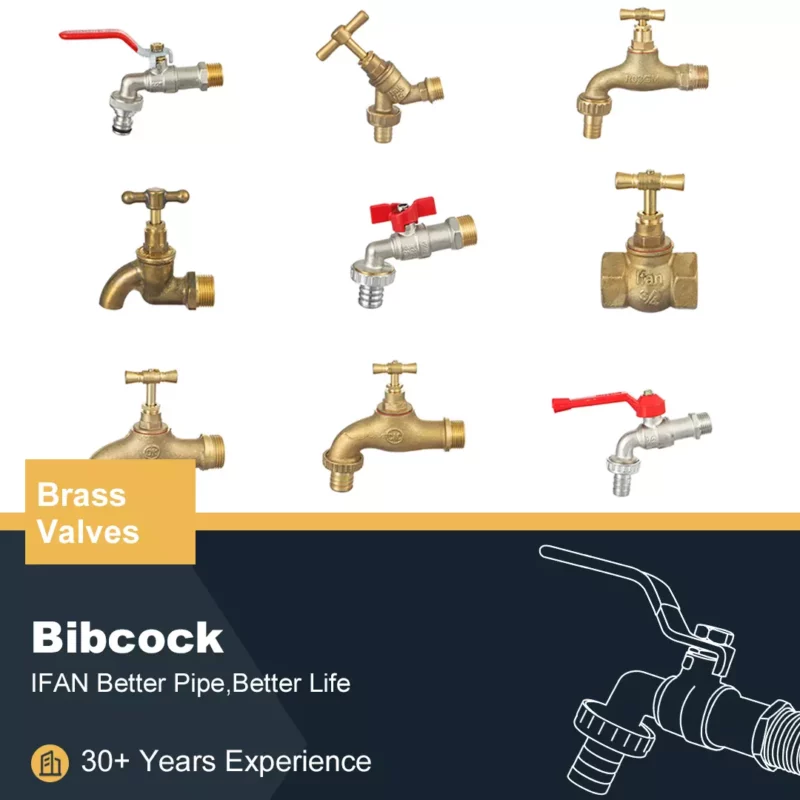
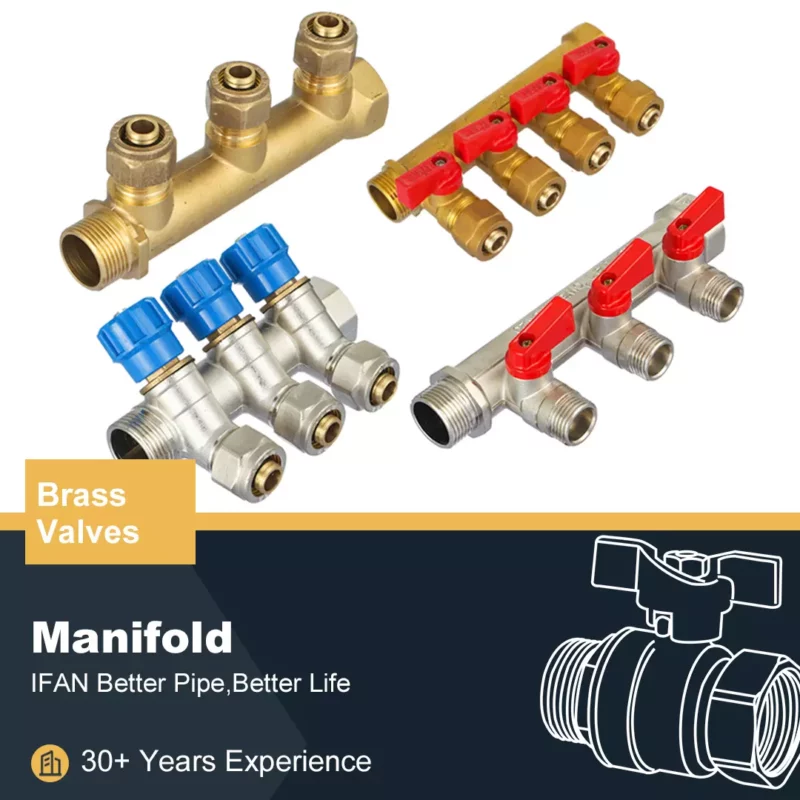
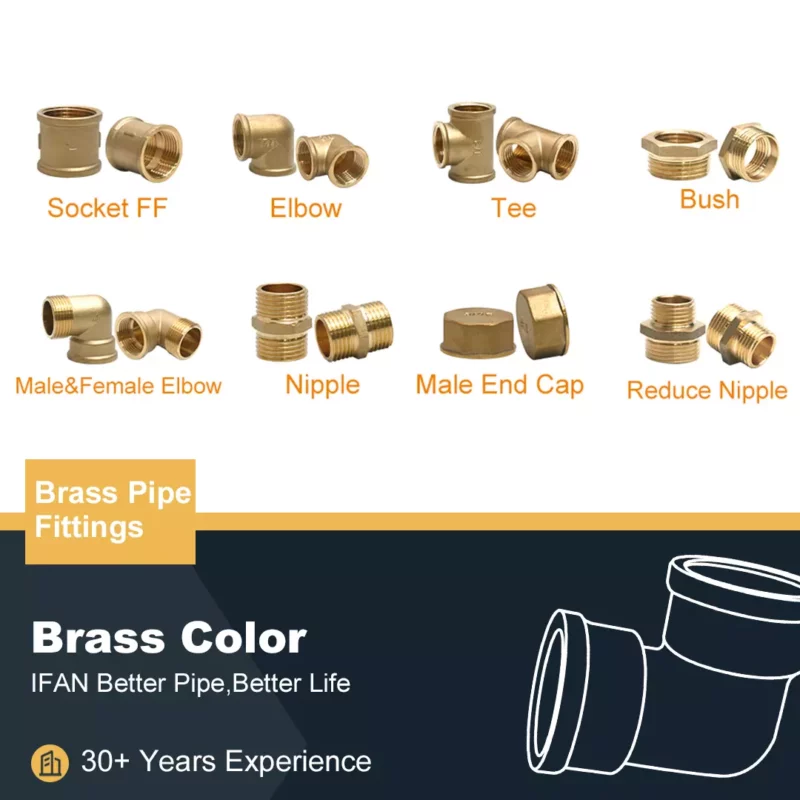





Brass stop valves are a critical component in various plumbing, gas, and industrial systems. They play a vital role in controlling the flow of liquids and gases. A well-functioning stop valve ensures system performance by providing accurate control, preventing leaks, and maintaining safety. Brass, an alloy made primarily of copper and zinc, offers durability, strength, and resistance to corrosion. These properties significantly enhance the performance of stop valves, making them ideal for use in demanding environments. This article will explore how brass stop valves improve performance and contribute to the overall efficiency and reliability of systems.
What Is a Brass Stop Valve?
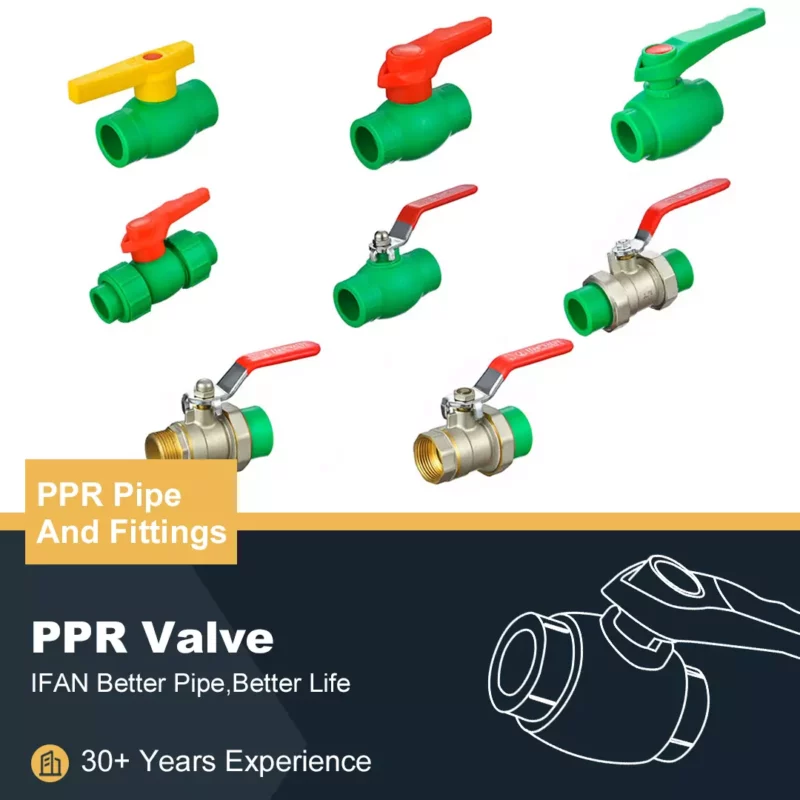
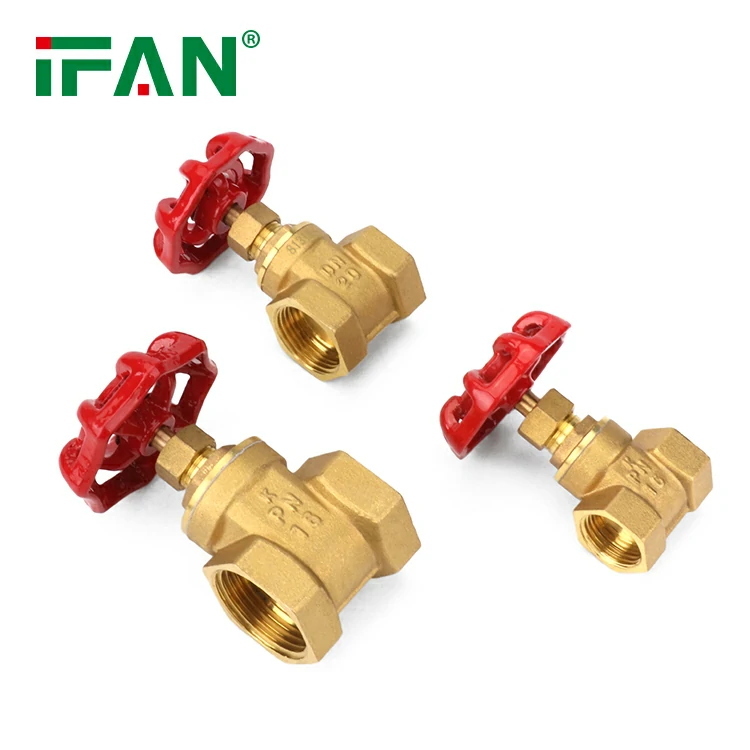
A brass stop valve is a mechanical device designed to control the flow of water, gas, or other fluids through pipes. When fully closed, the valve prevents the flow entirely, while when open, it allows the fluid to pass through. The valve can be manually operated by a handle or knob, which adjusts the valve’s position to regulate flow.
Brass stop valves are used in various systems, including residential plumbing, gas supply lines, and industrial processes. The key advantage of using brass is its ability to withstand wear, corrosion, and pressure, ensuring long-lasting performance even under demanding conditions.
Durability for Long-Term Performance
Brass stop valves are known for their exceptional durability. Brass is a tough material that resists corrosion, rust, and other forms of degradation. This ensures the valve performs effectively for many years. Unlike valves made from softer metals or plastics, brass stop valves are less likely to fail due to wear and tear.
In residential and commercial applications, this durability means fewer repairs and replacements. Homeowners can rely on brass stop valves to function smoothly for long periods without the need for frequent maintenance. The longevity of brass stop valves makes them a smart investment for both homeowners and businesses, contributing to a more efficient and cost-effective system.
Corrosion Resistance and Longevity
Corrosion can severely impact the performance of many types of valves, especially in plumbing systems. Water, moisture, and chemicals can cause rust and corrosion to form on metal surfaces, weakening their structure and reducing their efficiency. Brass is highly resistant to corrosion, which makes brass stop valves an ideal choice for systems exposed to moisture or chemicals.
Brass’s natural resistance to corrosion ensures that the stop valve continues to operate effectively over time. This feature is particularly important in systems that deal with water, such as plumbing systems, where corrosion can cause significant damage and reduce valve performance. Brass stop valves maintain their integrity, allowing for efficient fluid or gas control, without the risk of failure due to corrosion.
High Pressure and Temperature Tolerance
Brass stop valves excel in systems where high pressure and temperature are common. Brass is a strong and stable material that can withstand significant pressure without failing or causing leaks. This makes brass stop valves ideal for both residential and industrial applications where the flow of water, gas, or chemicals is subjected to varying pressure conditions.
Precision Flow Control
One of the most significant advantages of brass stop valves is their ability to offer precise flow control. These valves allow for fine adjustments to the flow of liquids or gases, enabling the user to regulate the amount of fluid passing through a system with accuracy. This precision is particularly useful in applications where the amount of flow needs to be controlled tightly.
In residential plumbing, brass stop valves help to control the flow of water to appliances, ensuring that the pressure remains consistent. In industrial applications, precise flow control is crucial for maintaining system efficiency and preventing waste. Whether it’s a gas line, water pipe, or chemical process, brass stop valves provide the ability to adjust flow rates with ease, enhancing the overall performance of the system.
Resistance to Wear and Tear
Another key benefit of brass stop valves is their resistance to wear and tear. Over time, valves can experience erosion, scratches, or other forms of mechanical wear. Brass’s hardness and resistance to physical damage make it a suitable material for stop valves that are exposed to frequent use or harsh conditions.
For systems that require frequent operation, such as commercial or industrial settings, brass stop valves provide a level of reliability that ensures long-term performance. Their resistance to mechanical wear ensures that the valve continues to function smoothly without degrading or failing. This contributes to the overall efficiency of the system and minimizes the need for replacements.
Easy Maintenance and Serviceability
Brass stop valves are designed to be low-maintenance, contributing to their long-term performance. Routine maintenance involves simple tasks such as cleaning, lubricating moving parts, or inspecting the valve for signs of wear. Because brass is resistant to corrosion, it does not require frequent maintenance like other materials.
Additionally, when repairs are needed, brass stop valve are easy to service. Their robust design and simple construction make it easier for professionals to troubleshoot and replace any worn-out parts, such as seals or washers. The ability to maintain and repair brass stop valves without complicated procedures adds to their performance by ensuring the system remains functional and efficient for years.
Versatility in Applications
Brass stop valve are incredibly versatile and can be used in a wide range of systems. In residential plumbing, they control the flow of water throughout the house. They are installed in areas such as under sinks, at water heaters, and on main water lines, allowing homeowners to control the flow of water when necessary.
Safety Enhancements
Brass stop valves contribute to enhanced safety in systems that involve liquids or gases. By allowing users to control the flow and shut off the system in case of an emergency, these valves reduce the risk of accidents, spills, and leaks. Whether used in a home, commercial, or industrial setting, brass stop valve play an essential role in protecting both property and people.
In gas systems, for example, brass stop valve are designed to stop the flow of gas when necessary, reducing the risk of leaks or dangerous buildups. In plumbing systems, they ensure that water flow can be stopped immediately in case of pipe bursts or other emergencies. The ability to control the flow in real-time is a critical safety feature that enhances the overall performance and reliability of the system.
Cost-Effectiveness Over Time
While brass stop valve may have a higher upfront cost compared to some other materials, they are cost-effective in the long run. Their durability, longevity, and resistance to corrosion and wear mean that they require fewer replacements and repairs. This reduces the overall cost of maintaining a system and ensures that the system continues to perform efficiently.
In residential plumbing, investing in brass stop valve means fewer issues with leaks, water damage, or valve failures. In industrial settings, brass stop valve minimize downtime and reduce the need for costly repairs or replacements. Over time, the cost savings associated with the long lifespan of brass stop valve make them a wise choice for both residential and industrial applications.
Environmentally Friendly
Brass stop valve are also an environmentally friendly option. Brass is a highly recyclable material, meaning that when the valve reaches the end of its useful life, it can be melted down and reused to create new products. This contributes to a circular economy, reducing the need for raw materials and minimizing waste.
Additionally, the durability of brass stop valve means fewer replacements are needed, which further reduces waste. The longer lifespan of these valves ensures that fewer resources are consumed over time, making brass stop valve a more sustainable choice compared to other valve materials.
Conclusion
Brass stop valves enhance system performance in a variety of ways. Their durability, corrosion resistance, high-pressure tolerance, and precision flow control make them a reliable choice for controlling the flow of liquids and gases in plumbing, gas, and industrial systems. Brass stop valves contribute to the overall efficiency, safety, and longevity of systems, ensuring that they function smoothly for years to come.
Brass stop valves are durable and withstand harsh conditions. They resist wear and require minimal maintenance. This makes them a great investment. They suit both residential and industrial applications. Use them for plumbing, gas systems, or industrial processes. Brass stop valves enhance system performance. They contribute to safer, more reliable, and efficient systems.
If you have read this article and have any questions, please feel free to contact IFAN. Below is our contact information:
Whatsapp:+86 13373827623
Email:[email protected]