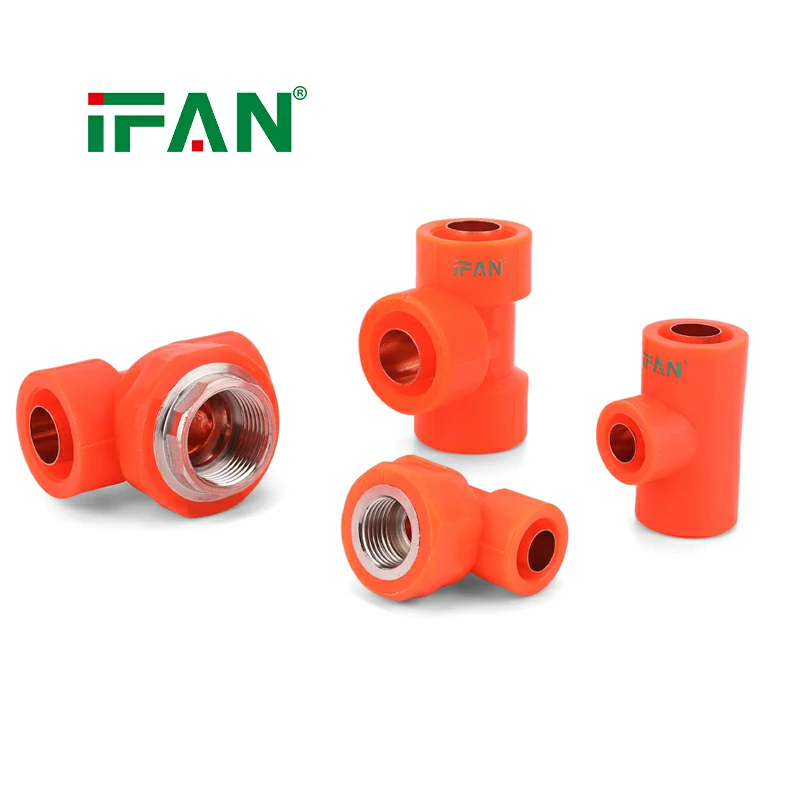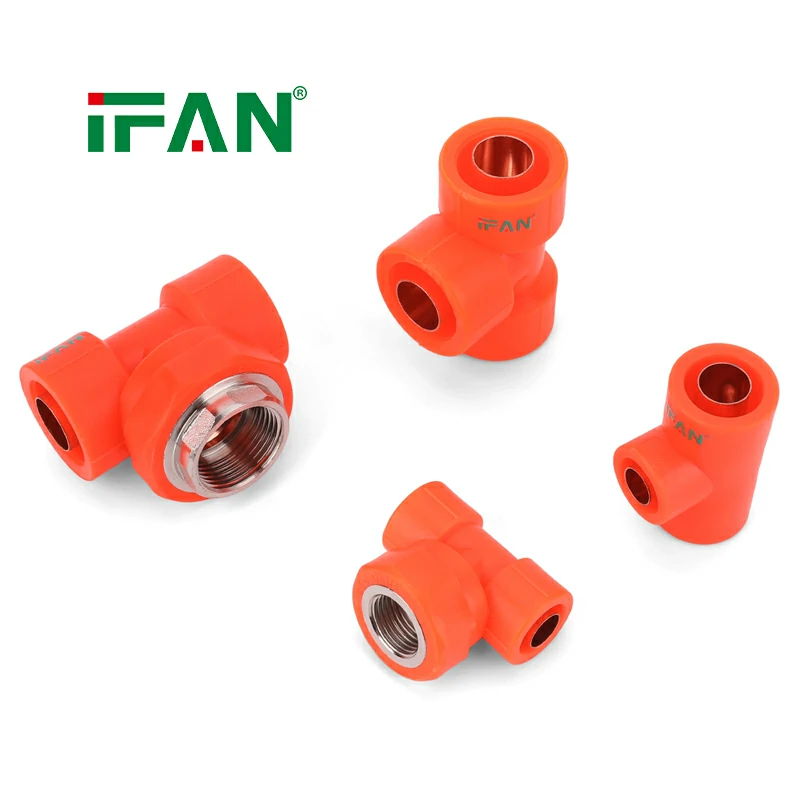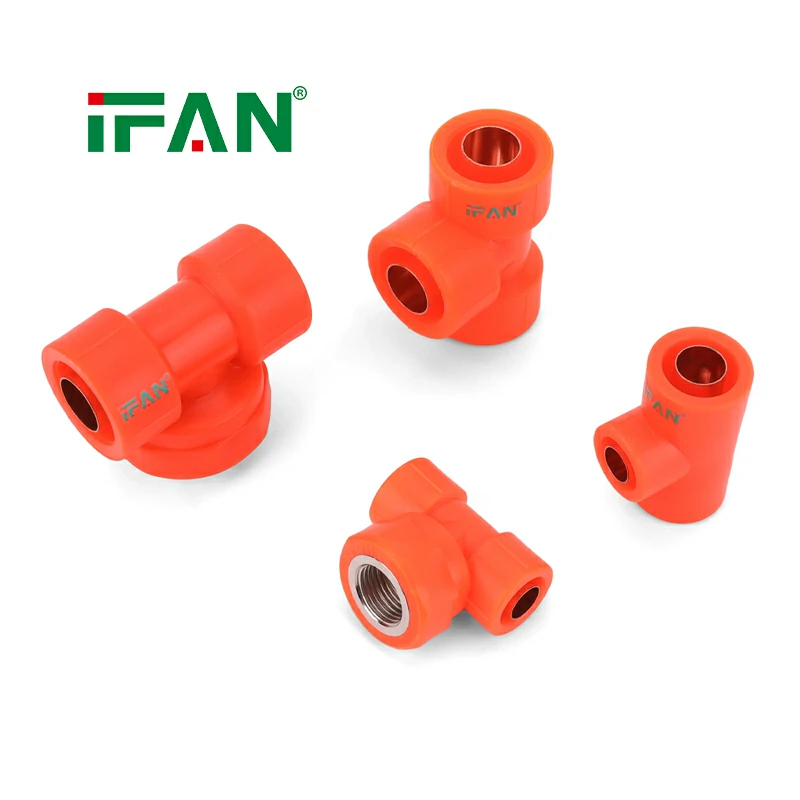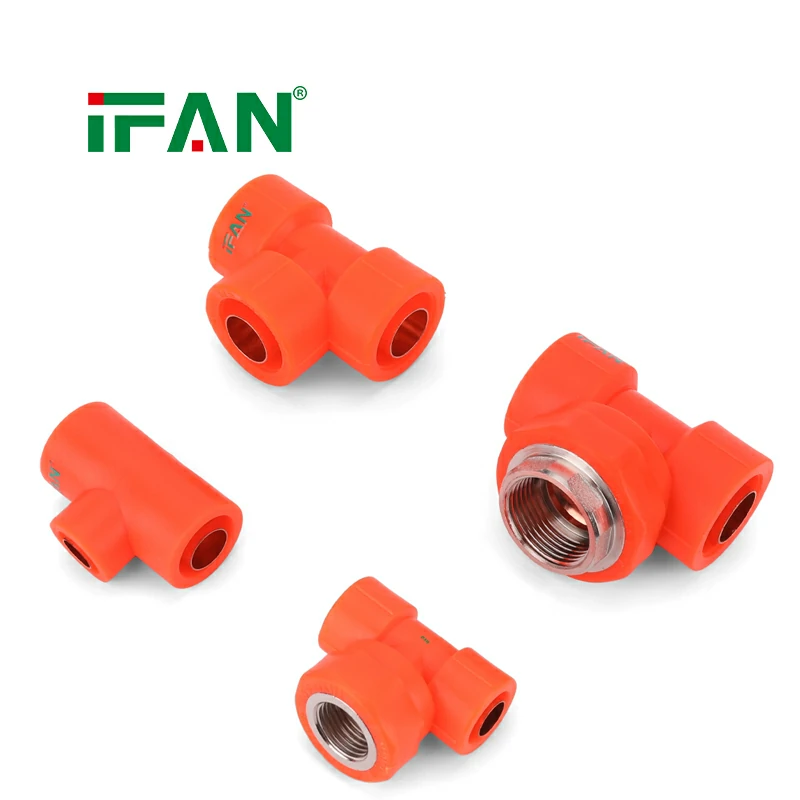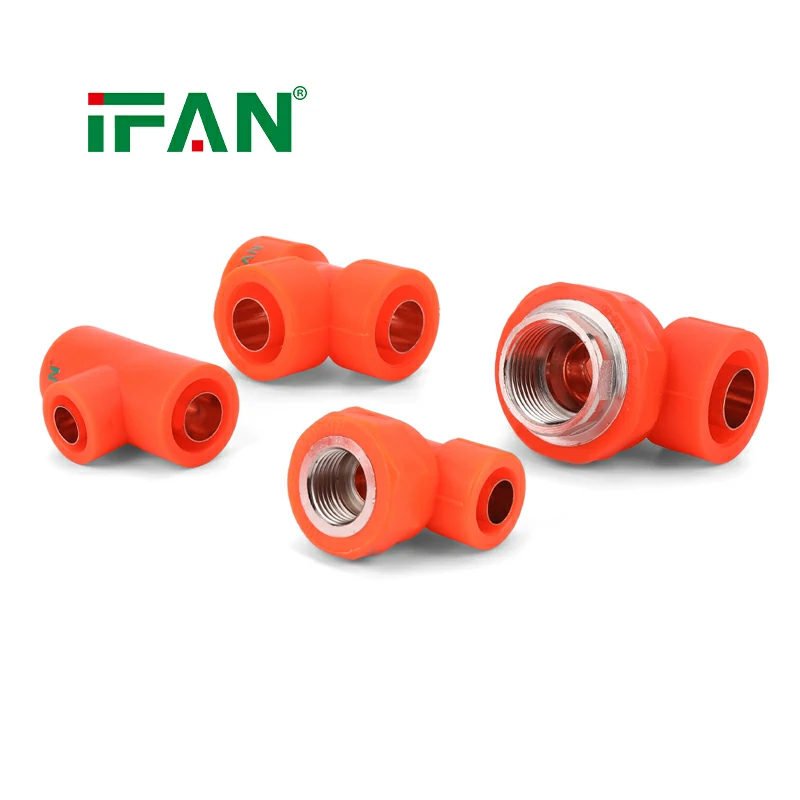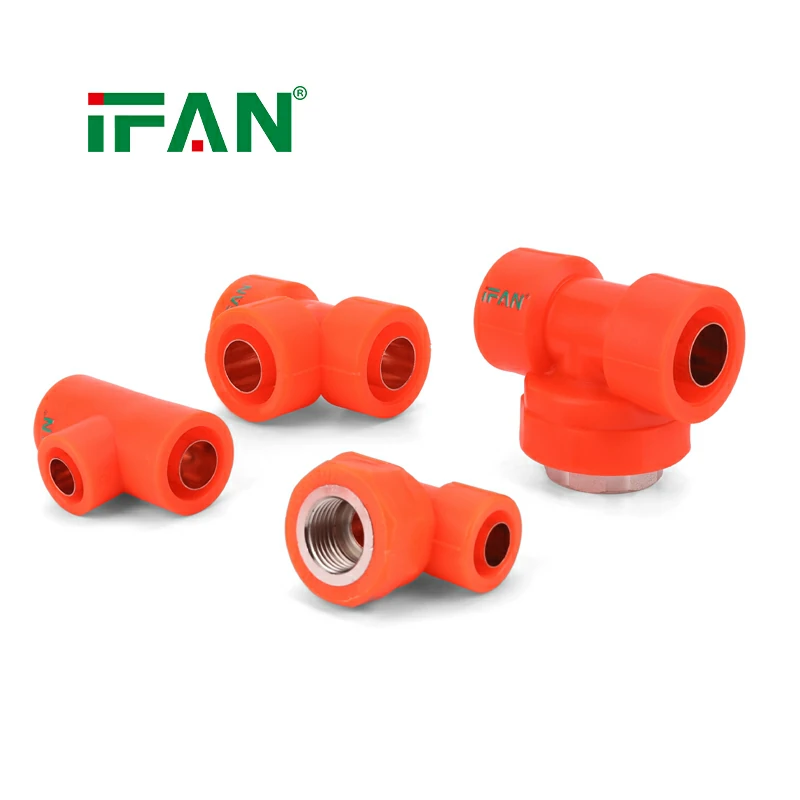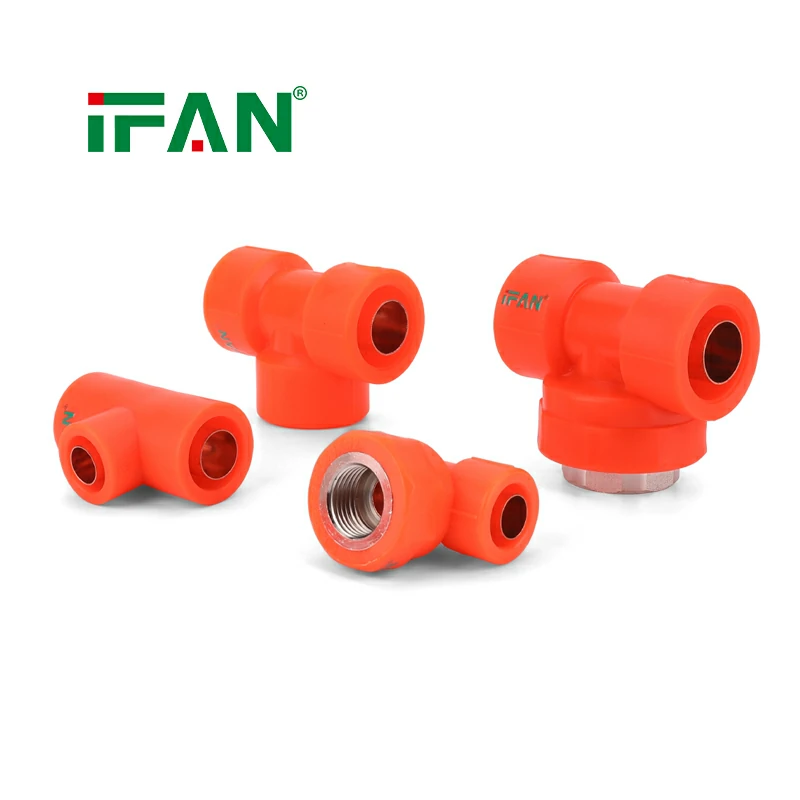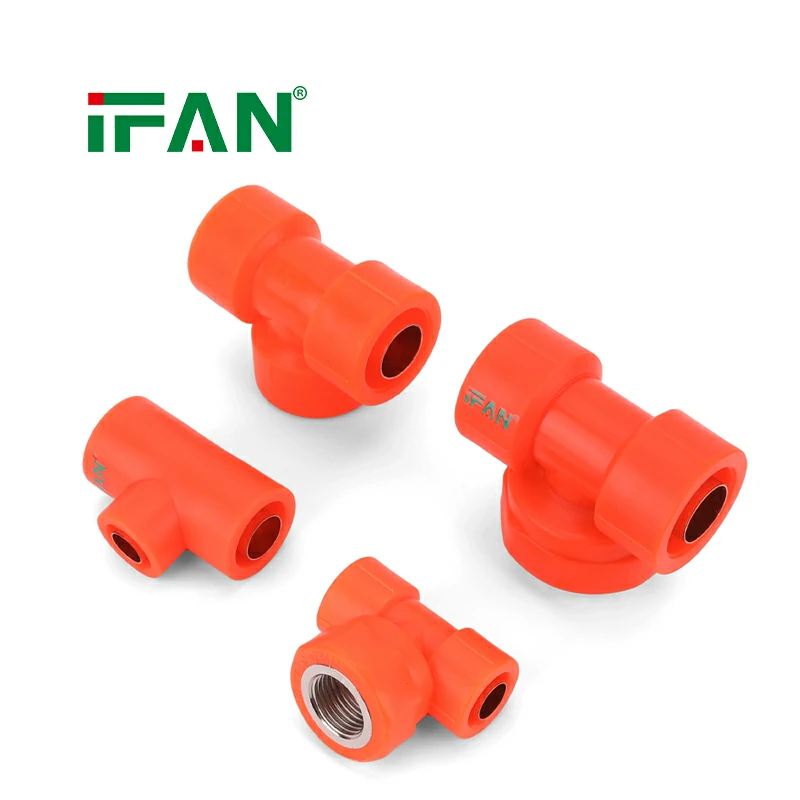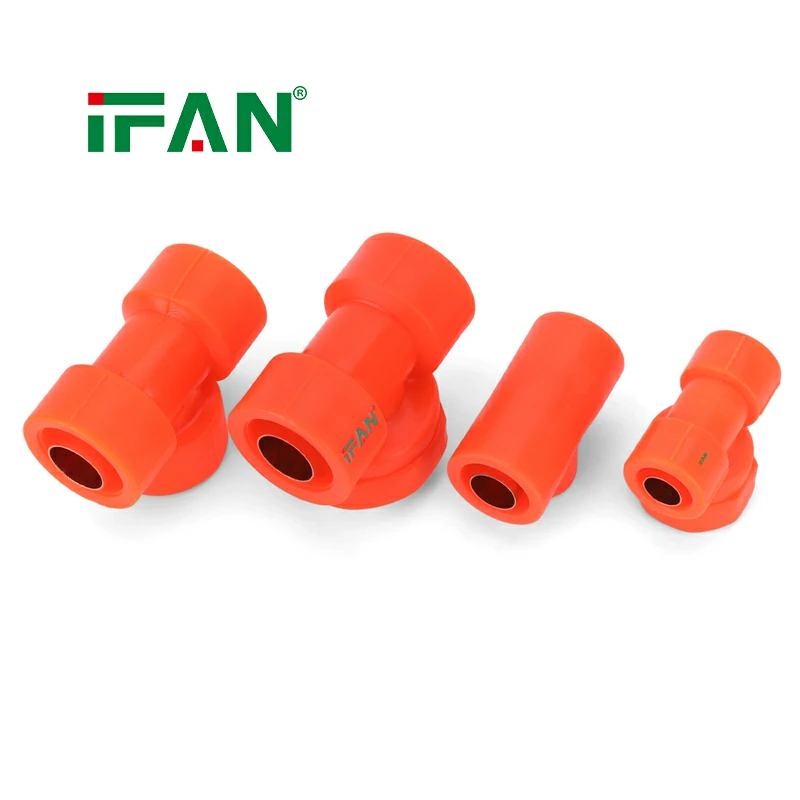
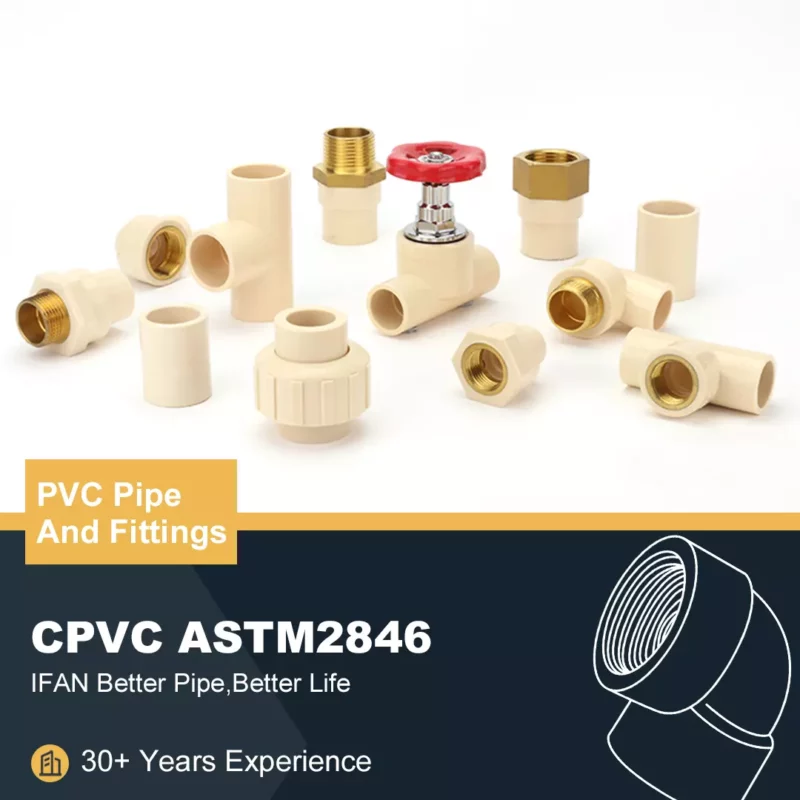
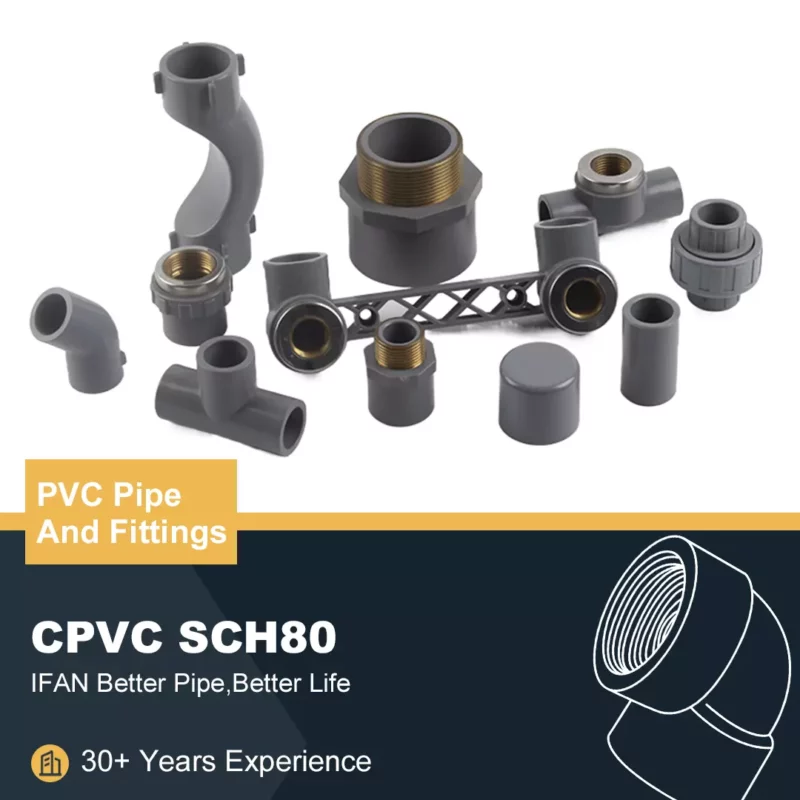
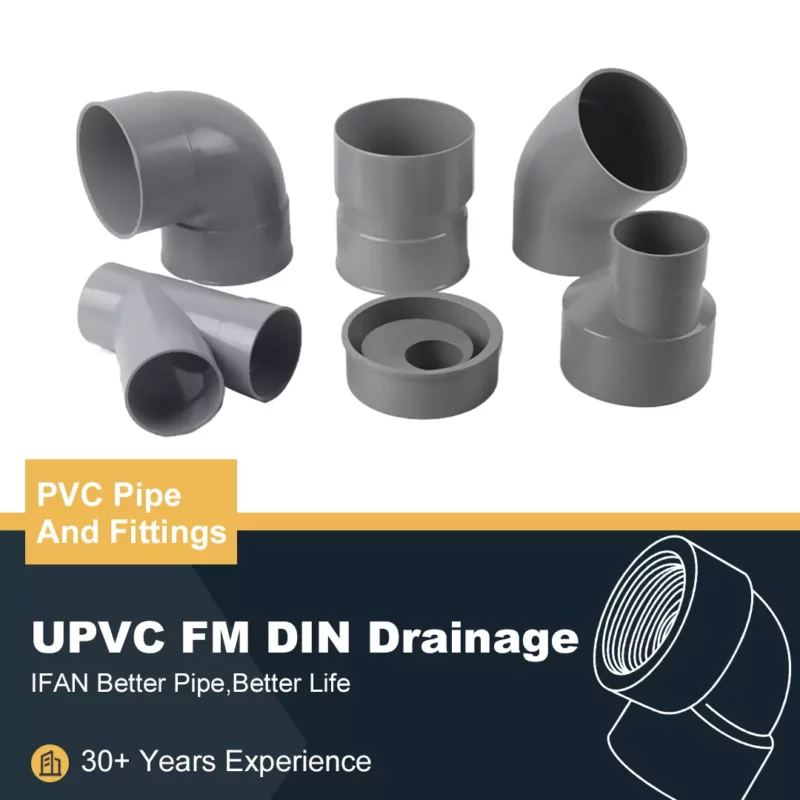
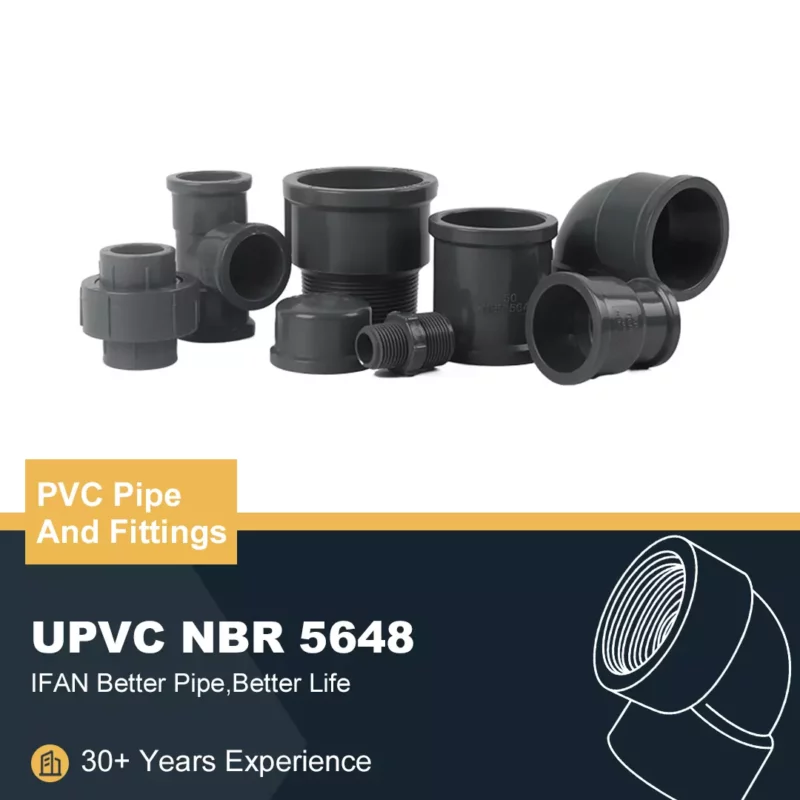
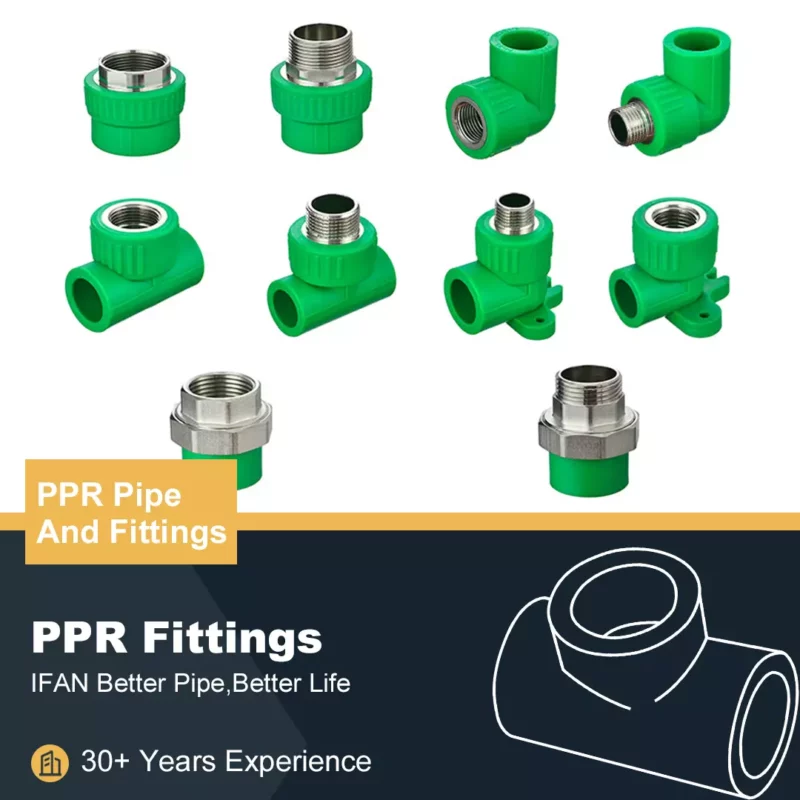
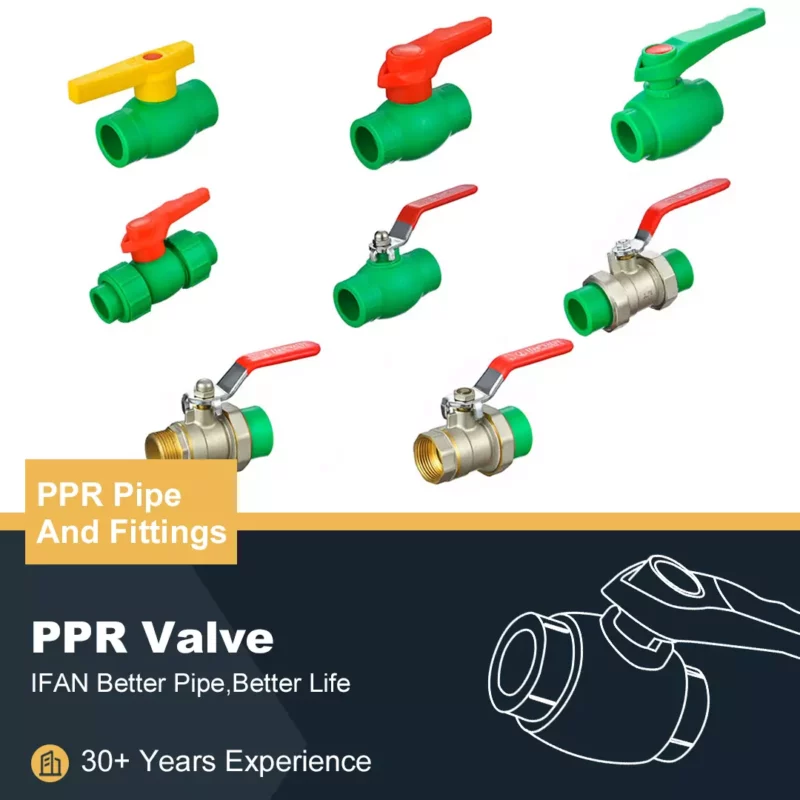
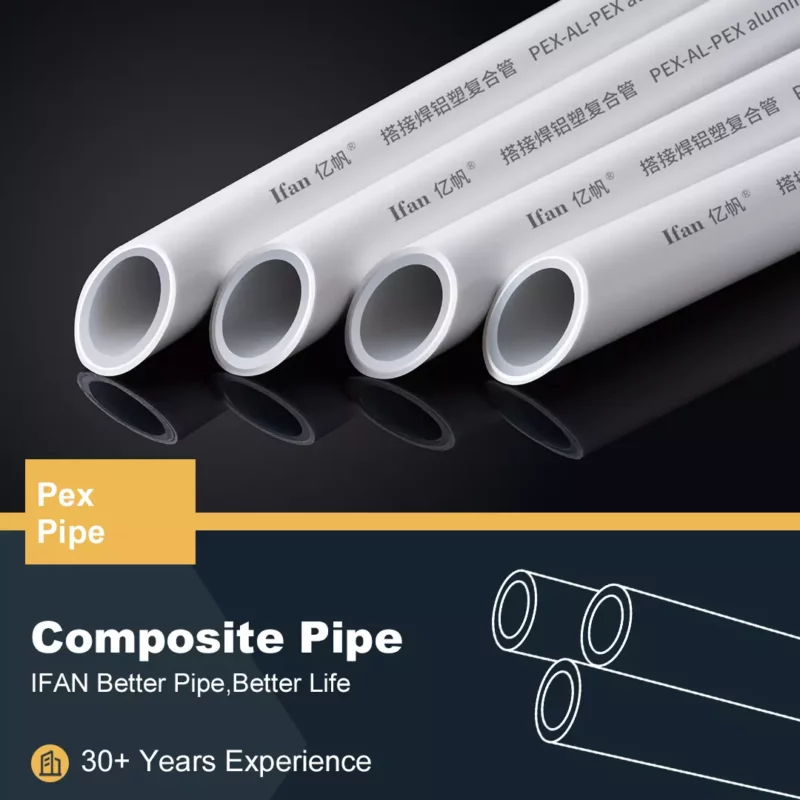
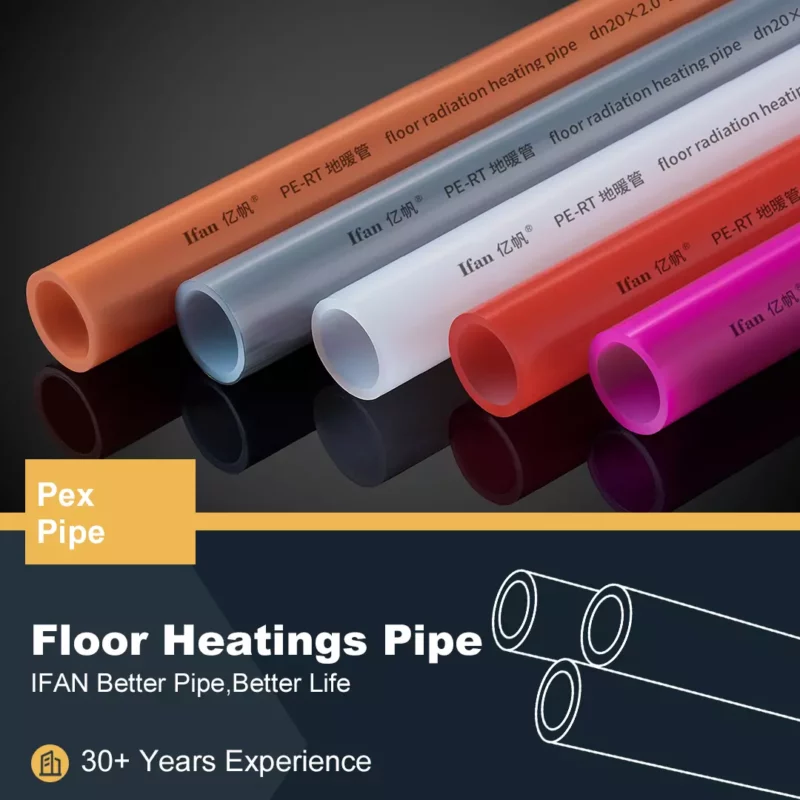
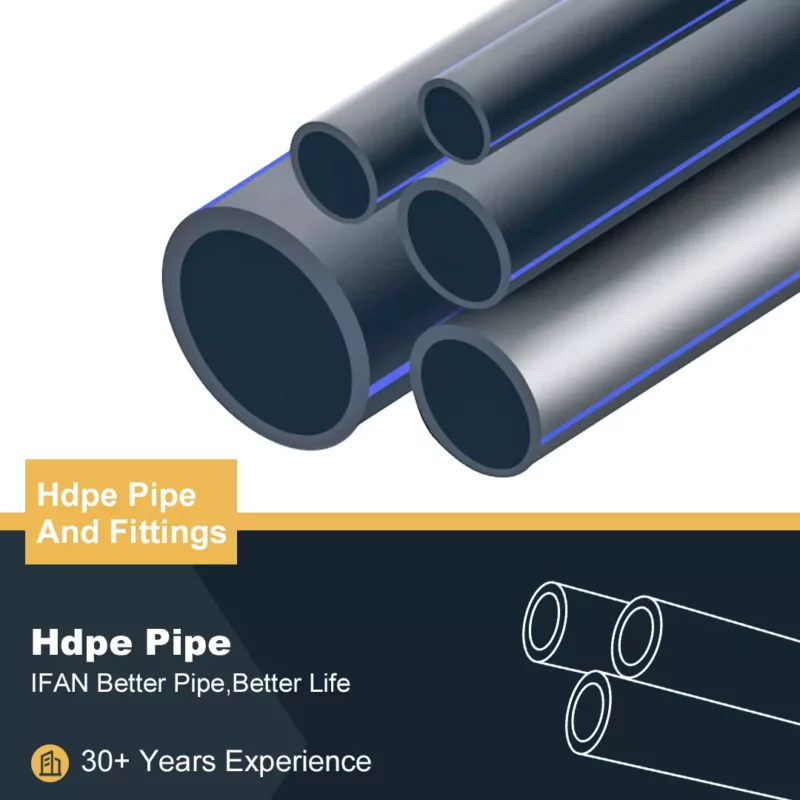
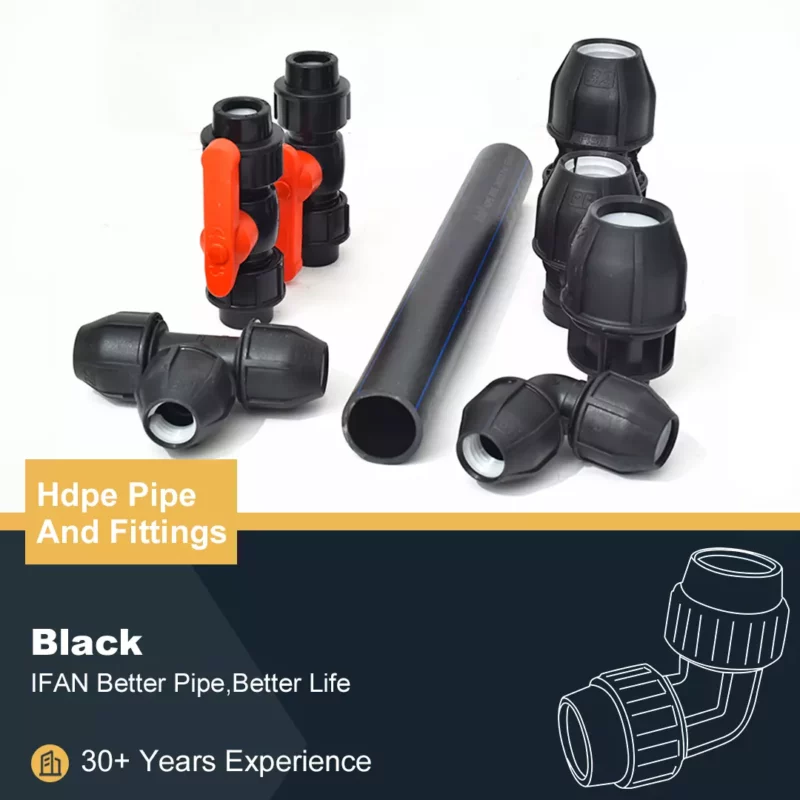
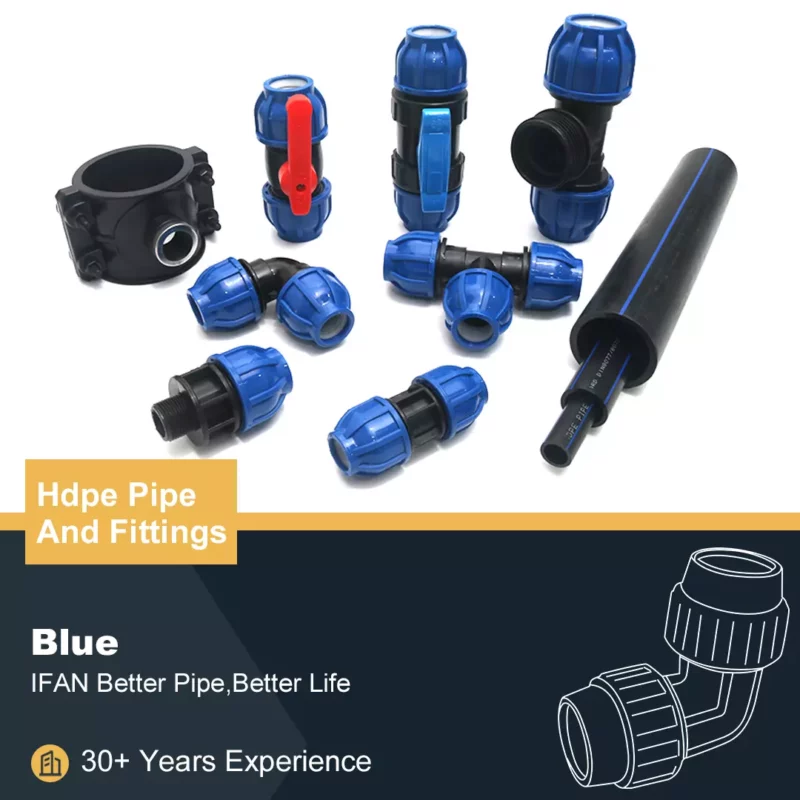
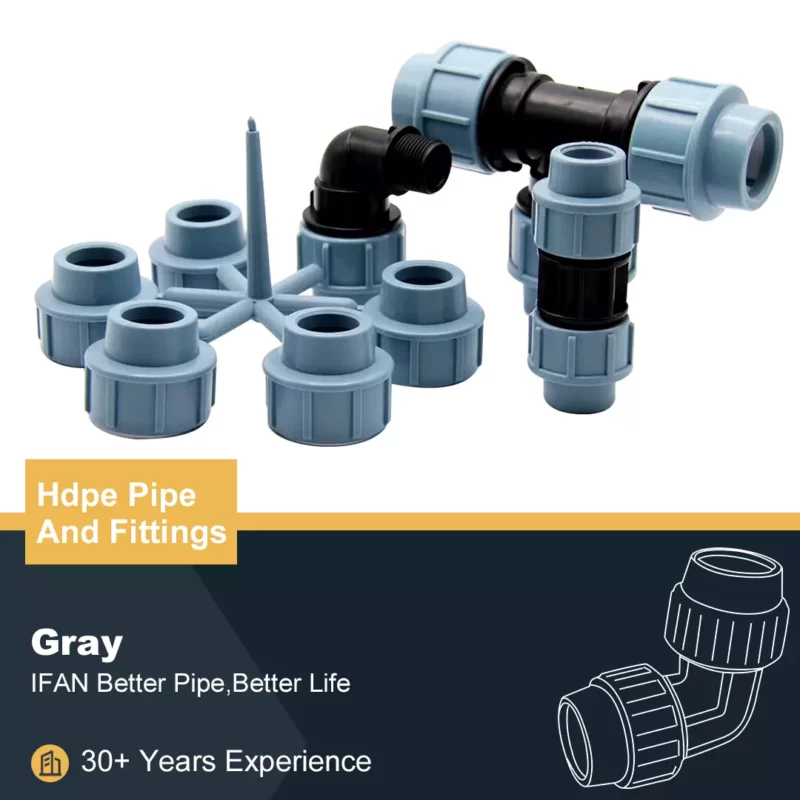


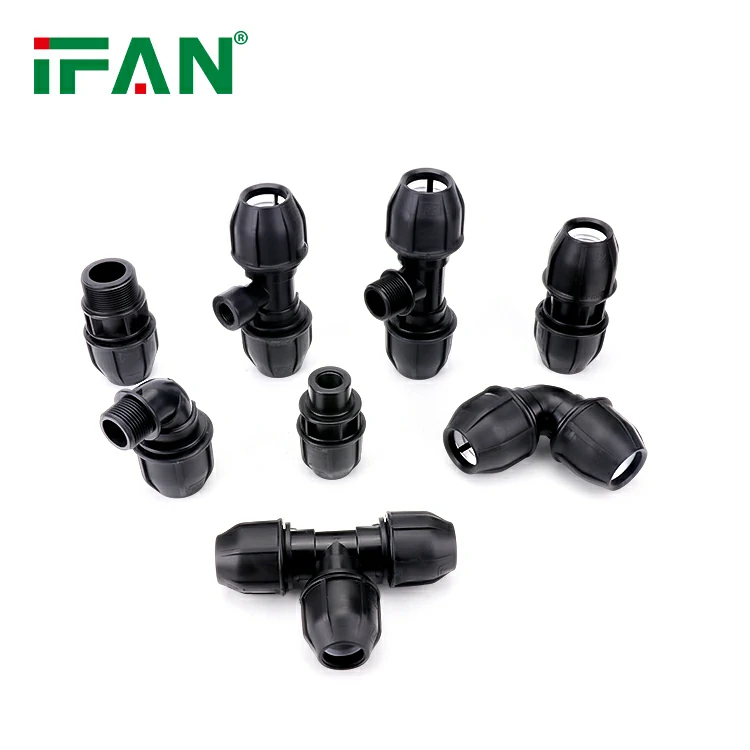
High-Density Polyethylene (HDPE) pipes and fittings are increasingly becoming the material of choice for modern piping systems. HDPE is a versatile thermoplastic polymer known for its durability, flexibility, and strength. When used in pipe fittings, HDPE offers significant advantages over other materials, making it a preferred solution in various industries, including construction, agriculture, and infrastructure. This article will explore the numerous benefits of HDPE pipe fittings, including their durability, cost-effectiveness, resistance to chemicals, and environmental advantages.
1. Durability and Long Lifespan
One of the key advantages of HDPE pipe fittings is their remarkable durability. HDPE material is known for its resistance to wear, tear, and environmental stress. Unlike metal or concrete pipes, HDPE fittings are resistant to corrosion, which means they will not degrade over time when exposed to water or other harsh elements. This resistance to corrosion is particularly beneficial in underground and industrial applications where pipes are exposed to moisture and chemicals.
In addition, HDPE pipes and fittings are highly resistant to cracking, impact damage, and weathering. They can withstand extreme temperatures and pressure variations, making them ideal for both cold and hot water systems. The durability of HDPE pipe fittings contributes to their long lifespan, often lasting for over Long-term durability according to standards with proper maintenance.
2. Cost-Effectiveness
HDPE pipe fittings are an affordable alternative to traditional materials such as copper, steel, and PVC. The lower cost of HDPE material, combined with its durability, results in a long-term cost-saving solution. The installation costs for HDPE fittings are typically lower as well. HDPE pipes are lighter than steel or concrete pipes, making them easier to transport and handle. As a result, installation time is reduced, and labor costs are minimized.
Additionally, HDPE fittings require less maintenance over their lifespan compared to traditional materials, further reducing the overall cost of ownership. The material’s resistance to corrosion and chemical degradation means fewer repairs are needed, resulting in significant savings over time.
3. Chemical Resistance
HDPE pipe fittings are highly resistant to a wide range of chemicals, making them ideal for use in environments where corrosive substances are present. This resistance to chemical attack is a key reason why HDPE fittings are commonly used in industries such as wastewater management, chemical processing, and mining.
HDPE can withstand exposure to acids, alkalis, and organic compounds without degrading. This chemical resistance extends the lifespan of the pipes and fittings, ensuring they remain functional even in harsh environments. For applications involving the transport of hazardous chemicals, HDPE pipe fittings provide an added layer of safety, preventing leaks and system failures.
4. Flexibility and Ease of Installation
HDPE pipe fittings offer excellent flexibility, which is one of the reasons they are so popular in many piping systems. This flexibility allows for easy handling during installation and helps prevent damage from ground movement or shifting. Unlike rigid pipes, HDPE fittings can accommodate slight shifts in the ground without cracking or breaking. This flexibility is particularly useful in areas with unstable soil conditions or areas prone to seismic activity.
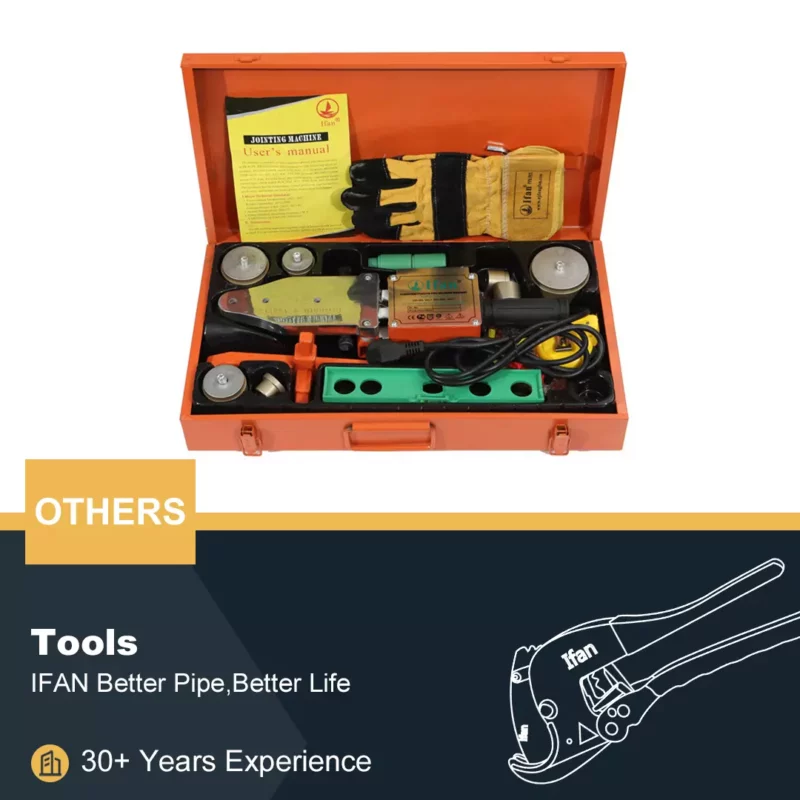
Furthermore, HDPE fittings can be easily welded together using heat fusion techniques, ensuring a secure and leak-free connection. The process of heat fusion involves melting the ends of two pipes or fittings and then joining them together, creating a seamless bond. This method reduces the risk of leaks and is faster than using mechanical joints, contributing to lower installation costs.
5. Lightweight Design
Another significant advantage of HDPE pipe fittings is their lightweight nature. HDPE pipes and fittings are much lighter than traditional materials such as steel or cast iron, which makes them easier to transport, handle, and install. The lightweight design reduces the need for heavy machinery during installation, making the process quicker and more cost-effective.
Additionally, the reduced weight of HDPE fittings reduces the likelihood of damage during transportation, handling, or installation. This makes HDPE a preferred choice for remote or difficult-to-reach locations where heavy equipment may be impractical or costly.
6. Leak-Free and Secure Connections
One of the standout features of HDPE pipe fittings is their ability to create leak-free and secure connections. As mentioned earlier, HDPE pipes and fittings can be joined using heat fusion, which creates a continuous, seamless bond between the components. This eliminates the need for mechanical joints, which can be prone to leaks over time.
The leak-free connections of HDPE fittings make them ideal for applications where water loss or contamination is a concern, such as drinking water systems or irrigation systems. The integrity of these connections helps to reduce maintenance costs and the risk of system failure due to leaks.
7. Environmental Benefits
HDPE is an environmentally friendly material, both in terms of its production and its lifespan. The manufacturing process of HDPE fittings requires less energy compared to other materials, such as metal, and produces fewer emissions. Furthermore, HDPE is 100% recyclable, which makes it a sustainable option for those concerned about environmental impact.
After the end of their useful life, HDPE fittings can be recycled into new products, reducing the need for raw materials and minimizing waste. In addition, the durability and long lifespan of HDPE fittings reduce the need for frequent replacements, lowering the overall environmental footprint of piping systems.
8. Resistance to UV Radiation
HDPE pipe fittings are resistant to UV radiation, which makes them suitable for use in outdoor applications. UV radiation can cause degradation in many materials, leading to brittleness, cracking, and overall weakening. However, HDPE’s resistance to UV radiation ensures that the pipes and fittings maintain their strength and integrity even when exposed to sunlight over extended periods.
This UV resistance makes HDPE pipe fittings an excellent choice for applications such as irrigation systems, water distribution, and outdoor construction projects. The ability to withstand UV radiation ensures that HDPE fittings will continue to perform well without deteriorating due to exposure to sunlight.
9. Wide Range of Applications
HDPE pipe fittings are versatile and suitable for a broad range of applications. They are commonly used in water distribution systems, wastewater management, gas pipelines, and industrial applications. Their ability to handle high-pressure systems and harsh environmental conditions makes them suitable for use in both residential and industrial settings.
In addition, HDPE pipe fittings are widely used in agriculture for irrigation systems. The flexibility, durability, and resistance to chemicals make them ideal for transporting water, fertilizers, and other liquids in agricultural environments. Their versatility allows them to meet the specific needs of different industries, contributing to their widespread adoption.
10. Health and Safety
The health and safety benefits of HDPE pipe fittings cannot be overlooked. The material is non-toxic and does not leach harmful chemicals into the water or fluids it transports. This makes HDPE an ideal choice for drinking water systems, as it ensures the safety and purity of the water supply.
In addition, the smooth interior surfaces of HDPE pipes and fittings help prevent the buildup of bacteria, algae, and other contaminants. This is particularly important in systems that transport potable water, as it ensures the water remains clean and free from harmful
IFAN International Standard for HDPE
IFAN brand HDPE Pipe Fitting are manufactured according to a wide range of international standards, ensuring high quality and reliability. These standards include ASTM D3035, ASTM D3350, ISO 4427 series, EN 12201 series, DIN 8074/8075, GB/T 13663 series, AS/NZS 4130, JIS K6760, BS 6572, and CSA B137.1. By adhering to these rigorous specifications, IFAN ensures that its HDPE pipe fittings meet global performance and safety requirements, making them suitable for various applications in different industries.microorganisms.
11. High Pressure and Temperature Resistance
HDPE pipe fittings are engineered to withstand both high pressure and temperature variations. This makes them suitable for use in a wide range of systems, including hot water systems and industrial applications that require resistance to elevated temperatures. The high pressure and temperature tolerance of HDPE fittings ensures that they remain durable and reliable even under challenging operating conditions.
HDPE fittings can handle both high-pressure and low-pressure applications, making them a flexible solution for various piping needs. Their ability to perform well under different conditions adds to their appeal in industries such as mining, oil and gas, and water treatment.
Conclusion
HDPE pipe fittings offer numerous advantages, making them a top choice for a variety of applications. Their durability, cost-effectiveness, and chemical resistance ensure long-lasting performance in a wide range of environments. The flexibility and ease of installation make HDPE fittings ideal for both residential and industrial use, while their lightweight design reduces transportation and installation costs. HDPE fittings are environmentally friendly, resistant to UV radiation, and provide secure, leak-free connections, further enhancing their appeal. With all these benefits, HDPE pipe fittings are an excellent investment for anyone looking to build a reliable, efficient, and sustainable piping system.
If you have read this article and have any questions, please feel free to contact IFAN. Below is our contact information:
Whatsapp:+86 13373827623
Email:[email protected]