



Radiator valves are essential components of heating systems, allowing homeowners to regulate the temperature in individual rooms. Whether you are upgrading your existing heating system or installing new valves, the process is straightforward and manageable. One of the biggest advantages of radiator valves is the ease with which they can be installed and maintained. In this article, we will explore how radiator valves contribute to home heating, their simple installation process, and how easy it is to maintain them to ensure long-term efficiency.
1. Understanding Radiator Valves
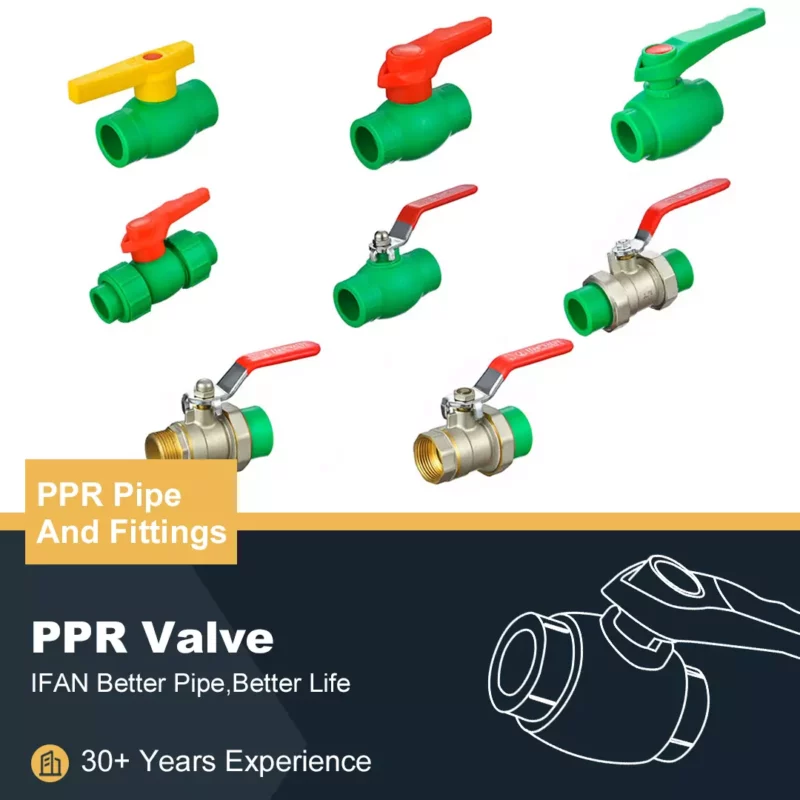
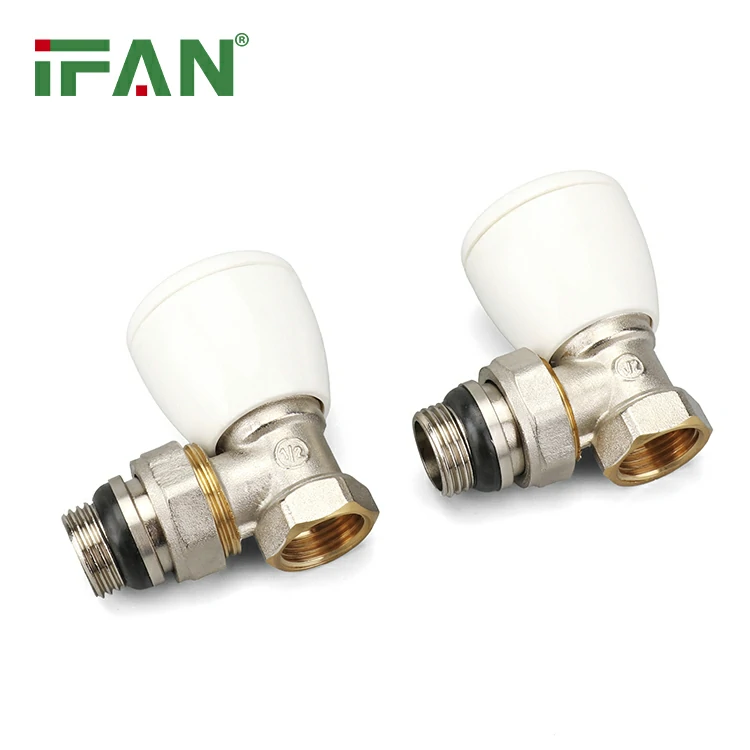
Radiator valves control the flow of hot water or steam into radiators, regulating the heat output in each room. There are two main types of radiator valves: manual valves and thermostatic radiator valves (TRVs). Manual radiator valves allow users to adjust the heat flow manually, while TRVs automatically regulate the flow of hot water based on the room’s temperature. TRVs are particularly useful for maintaining a constant room temperature without the need for constant adjustment. The ease of installation and maintenance makes radiator valves a practical choice for many homeowners.
2. Types of Radiator Valves and Their Benefits
Manual radiator valves are simple to operate, requiring you to adjust the valve by turning it to control the heat output. While these valves give you control over the temperature, they require manual intervention to maintain the desired warmth.
On the other hand, thermostatic radiator valves (TRVs) offer greater convenience. TRVs have a built-in sensor that detects the room temperature and automatically adjusts the heat flow to maintain a consistent temperature. This self-regulating feature minimizes the need for manual adjustments and optimizes heating efficiency. TRVs are ideal for energy savings and home comfort.
3. Installing Radiator Valves: A Simple Process
Installing radiator valves is a relatively simple process, and many homeowners can complete the installation themselves with basic tools. Whether you are replacing old valves or installing new ones, the following steps will guide you through the process.
First, turn off the heating system and allow the radiator to cool down. Next, use a wrench to unscrew the old valve from the radiator. Once the old valve is removed, install the new valve by threading it onto the radiator pipe and tightening it securely.
If you are installing a thermostatic radiator valve (TRV), be sure to place it on the flow side of the radiator (the side where hot water enters). After securing the valve, connect the radiator to the pipe system and ensure everything is properly aligned. Turn on the heating system and check for leaks. The valve should be easy to adjust, and the radiator should begin heating efficiently.
4. Considerations Before Installing Radiator Valves
Before installing radiator valves, there are a few important considerations to ensure the best results. First, determine whether you need manual valves or TRVs. TRVs are ideal for homes with varying heating needs in different rooms. Consider the size and layout of the rooms when choosing valves.
Additionally, ensure that your existing radiator system is compatible with the type of valves you plan to install. Some older systems may require specific valve types or adapters for installation. It’s also important to check that the radiator valve’s size matches your radiator’s connection point to avoid complications during installation.
5. The Importance of Proper Alignment and Seal
Proper alignment is crucial when installing radiator valve. Ensure that the valve is correctly positioned on the radiator, as this will help the system function optimally. If the valve is not properly aligned, it can result in inefficient heat distribution or leaks.
A good seal is also essential to prevent water leakage. Be sure to tighten the valve properly without over-tightening, as this could damage the threads or the valve. A leak-proof seal ensures that the system works efficiently and prevents water damage to your home. It is always a good idea to check for leaks after installation.
6. Easy Maintenance of Radiator Valve
Once installed, radiator valves are easy to maintain. Regular maintenance ensures that your heating system continues to operate efficiently, providing consistent warmth throughout your home. The most common maintenance task is cleaning the valve to remove dust and dirt that may accumulate over time.
For thermostatic radiator valve (TRVs), it’s important to check the sensor regularly. The sensor detects the room temperature and controls the valve’s opening and closing mechanism. Over time, dust or dirt can accumulate on the sensor, affecting its performance. Cleaning the sensor with a soft cloth ensures the TRV operates smoothly.
7. How to Clean and Maintain Manual Radiator Valve
Manual radiator valves require occasional cleaning to ensure they remain in good working order. Over time, dust, dirt, and debris can accumulate around the valve, affecting its operation. To clean the valve, simply use a soft cloth or a small brush to remove dirt from the valve and surrounding areas.
You should also check for any signs of wear and tear, such as leaks or corrosion. If you notice any issues, it may be necessary to replace the valve. Regular cleaning and inspection will prolong the life of the manual valve and ensure it operates smoothly.
8. Maintaining Thermostatic Radiator Valves (TRVs)
TRVs are more sophisticated than manual valves, but they are just as easy to maintain. The most important maintenance task for TRVs is cleaning the sensor. Dust and dirt can affect the sensor’s ability to accurately detect room temperature, leading to inconsistent heating.
To clean the sensor, gently wipe it with a soft cloth to remove dust and debris. Avoid using harsh chemicals or abrasive materials, as this could damage the sensor. In addition to cleaning, check for leaks and ensure the valve is tightly secured to the radiator. Regular maintenance of TRVs will ensure they continue to function effectively and efficiently.
9. Checking for Leaks and Addressing Problems
One of the most common issues with radiator valves is leaks. Leaks can occur if the valve isn’t properly sealed or if it becomes worn over time. To check for leaks, turn on the heating system and inspect the area around the valve. If you notice any water escaping from the valve, turn off the heating system and tighten the valve or replace the seals.
If the leak persists, it may be necessary to replace the valve altogether. Radiator valves are designed to be long-lasting, but over time, wear and tear can affect their performance. Addressing leaks promptly will prevent water damage and ensure your heating system runs efficiently.
10. The Benefits of Easy Installation and Maintenance
The ease of installation and maintenance of radiator valves offers several benefits. First, it saves homeowners money by reducing the need for professional installation or frequent repairs. With just a few basic tools, you can install or replace radiator valves yourself, ensuring that your home’s heating system is working optimally.
Second, the simplicity of maintenance means that your heating system can continue to perform at its best without the need for costly servicing. Regular cleaning and inspections keep the system running smoothly, preventing potential issues from becoming major problems.
11. Improved Heating Efficiency with Proper Maintenance
Proper installation and maintenance of radiator valves lead to a more efficient heating system. When the valves are clean and functioning properly, they ensure that each room receives the correct amount of heat. This improves overall comfort and reduces energy waste.
A well-maintained heating system also runs more efficiently, helping to lower energy bills. By preventing overheating and underheating, radiator valves optimize the heating process, making your home more energy-efficient and cost-effective.
Conclusion
Radiator valves offer a simple, effective way to enhance home comfort and heating efficiency. The installation process is straightforward, allowing homeowners to upgrade their heating system without professional assistance. Once installed, radiator valves require minimal maintenance, with tasks limited to cleaning and checking for leaks. Proper maintenance ensures that the system runs smoothly and efficiently for years to come. With easy installation and low-maintenance needs, radiator valves are an ideal solution for homeowners looking to improve their heating systems and maintain a comfortable home environment.
If you have read this article and have any questions, please feel free to contact IFAN. Below is our contact information:
Whatsapp:+86 13373827623
Email:[email protected]