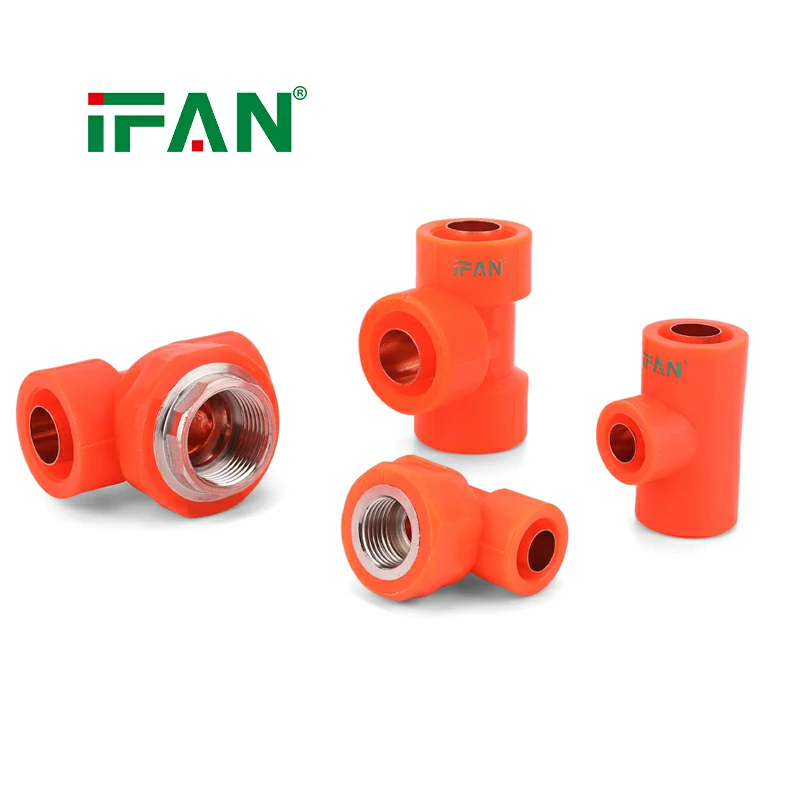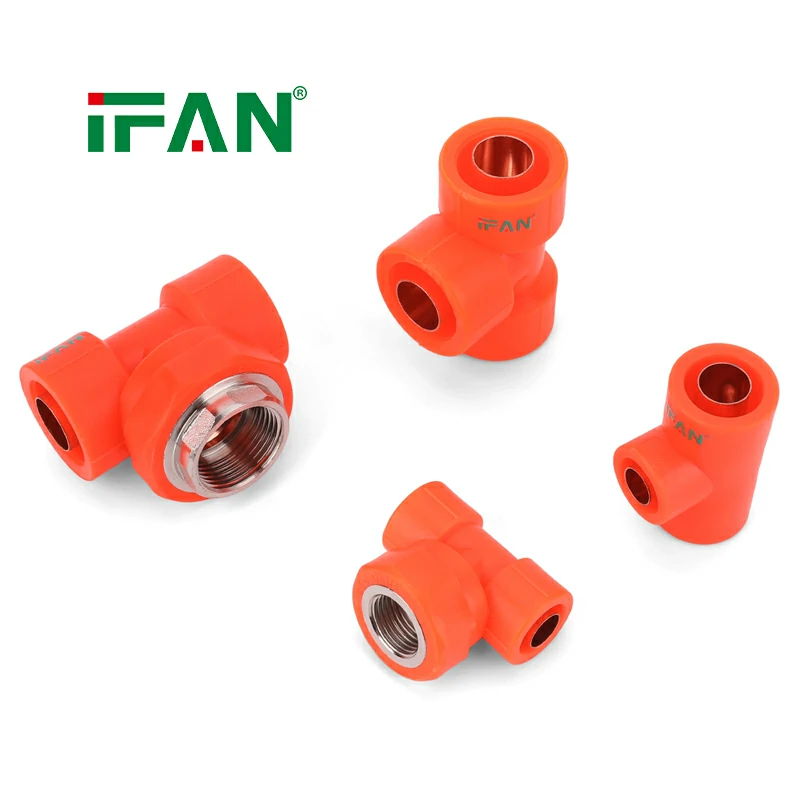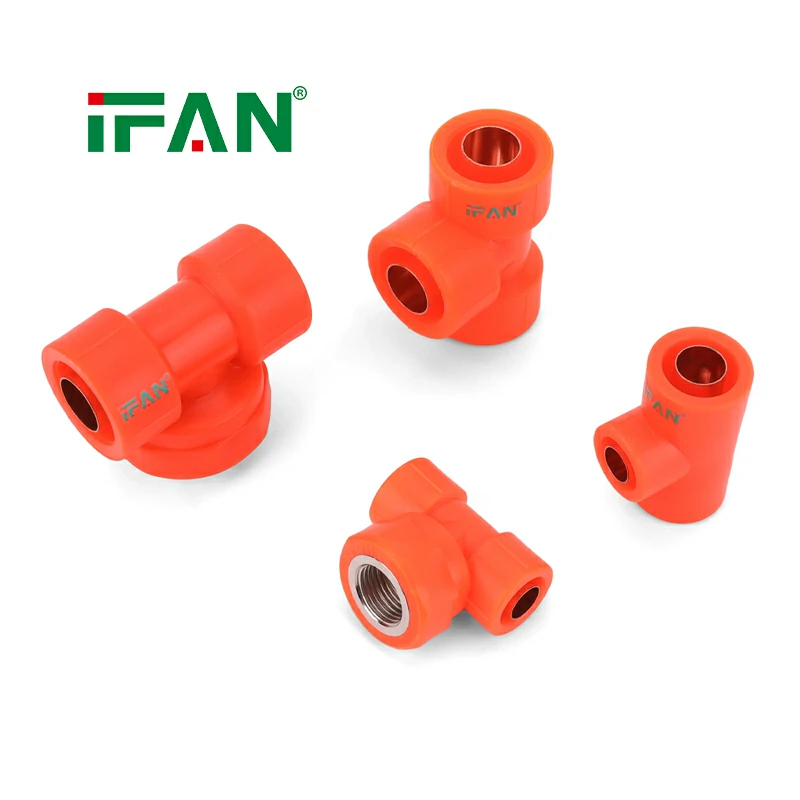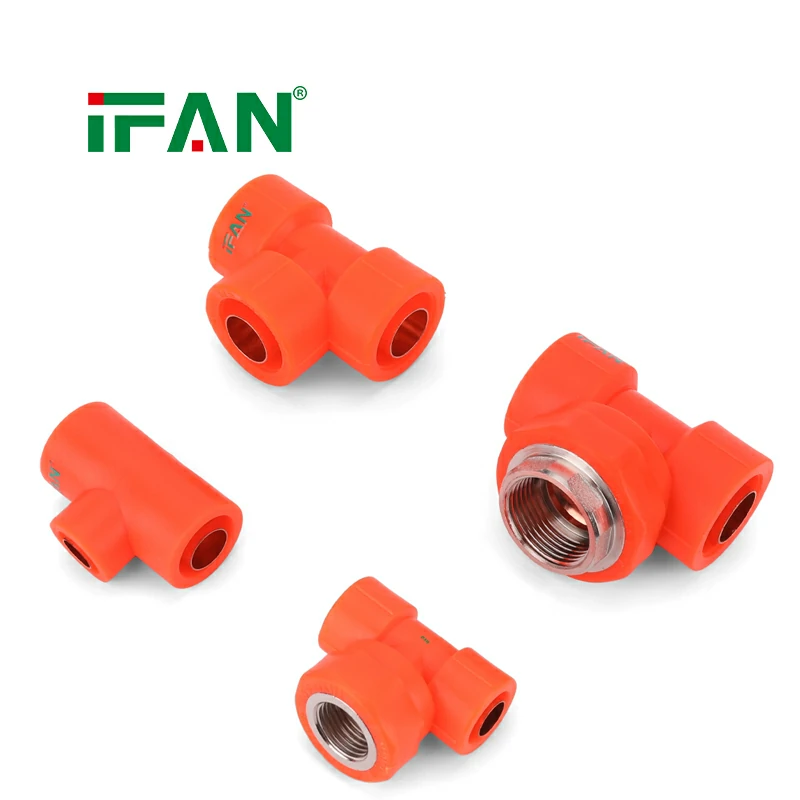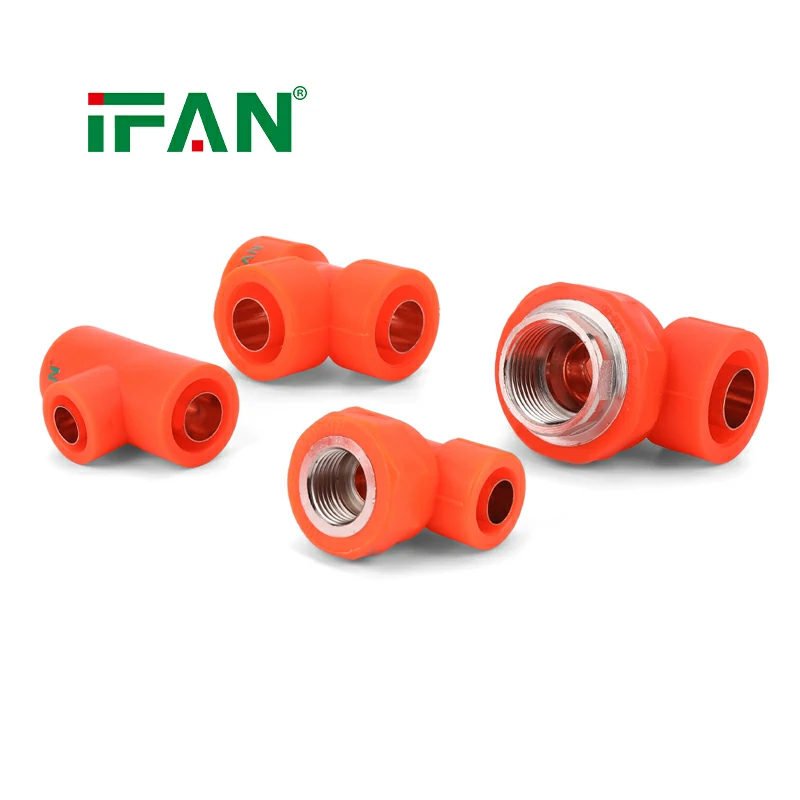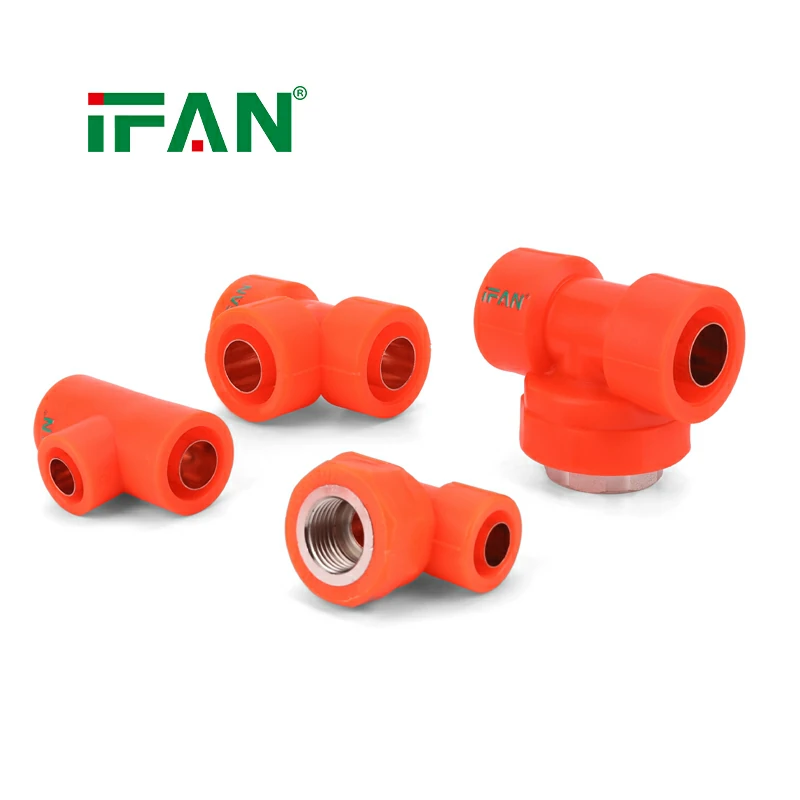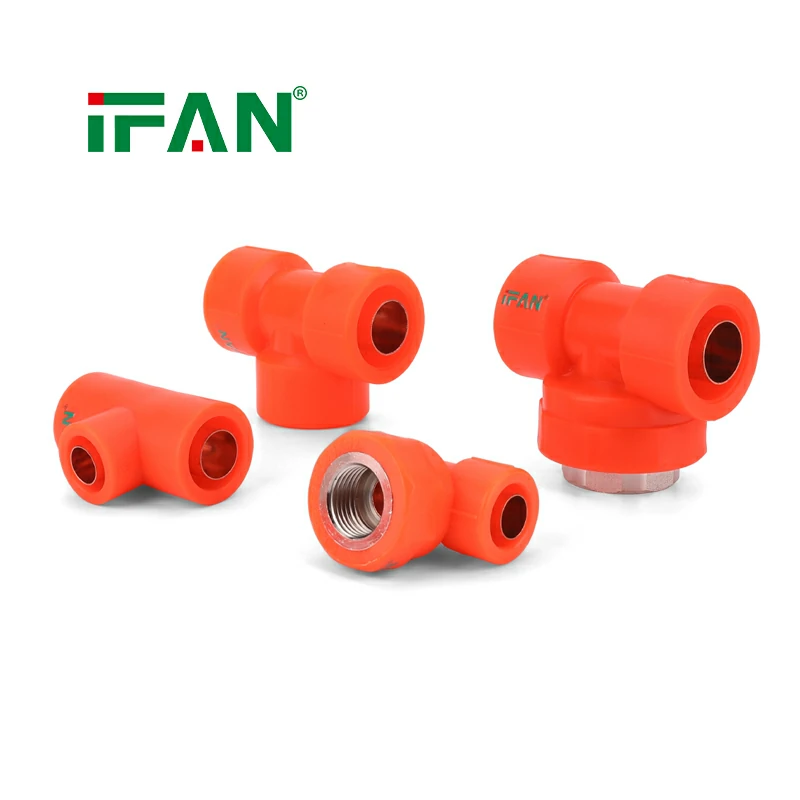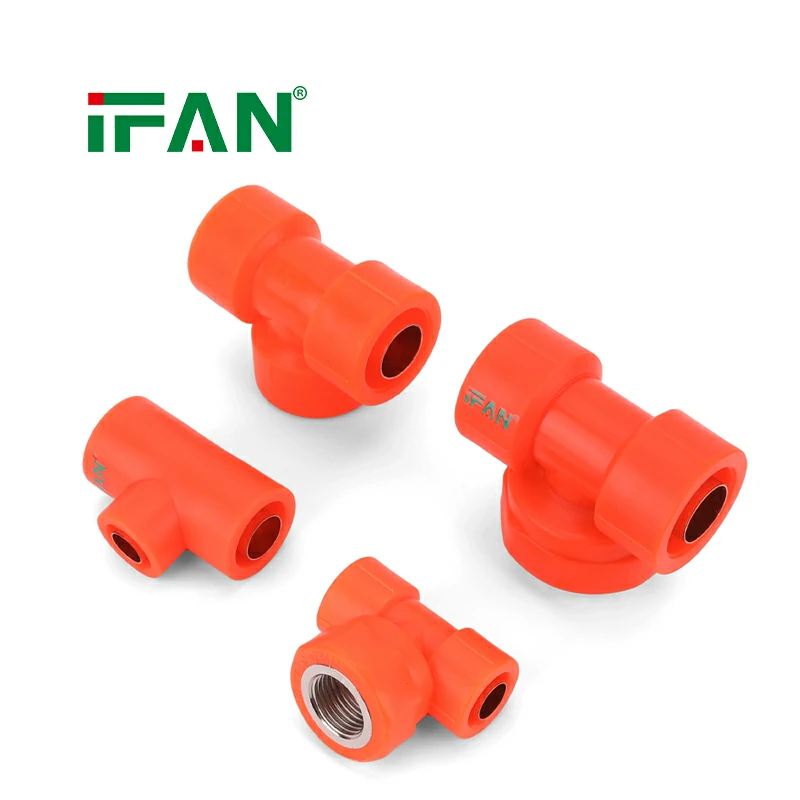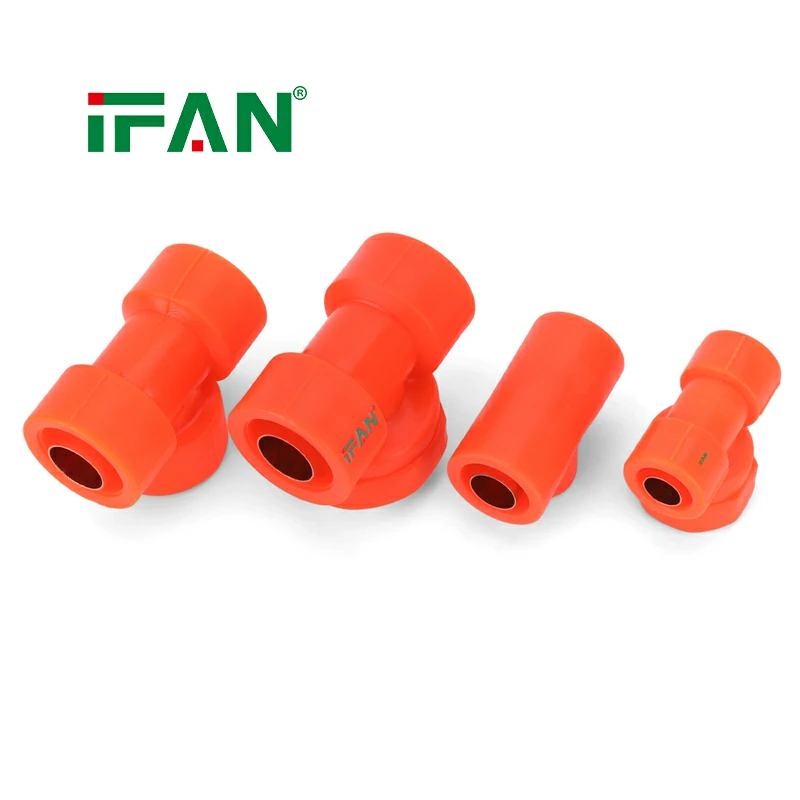
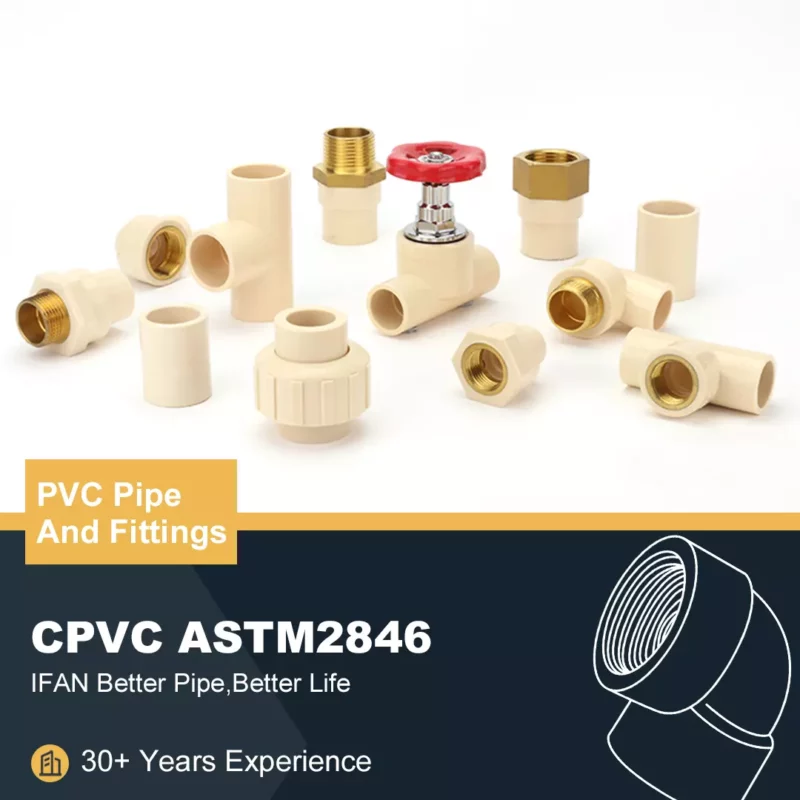
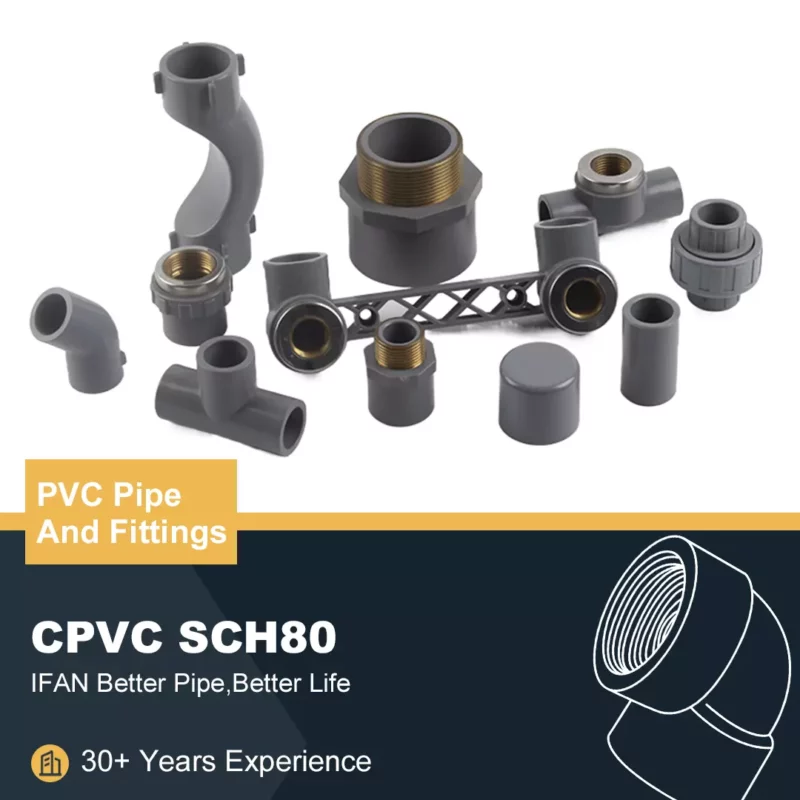
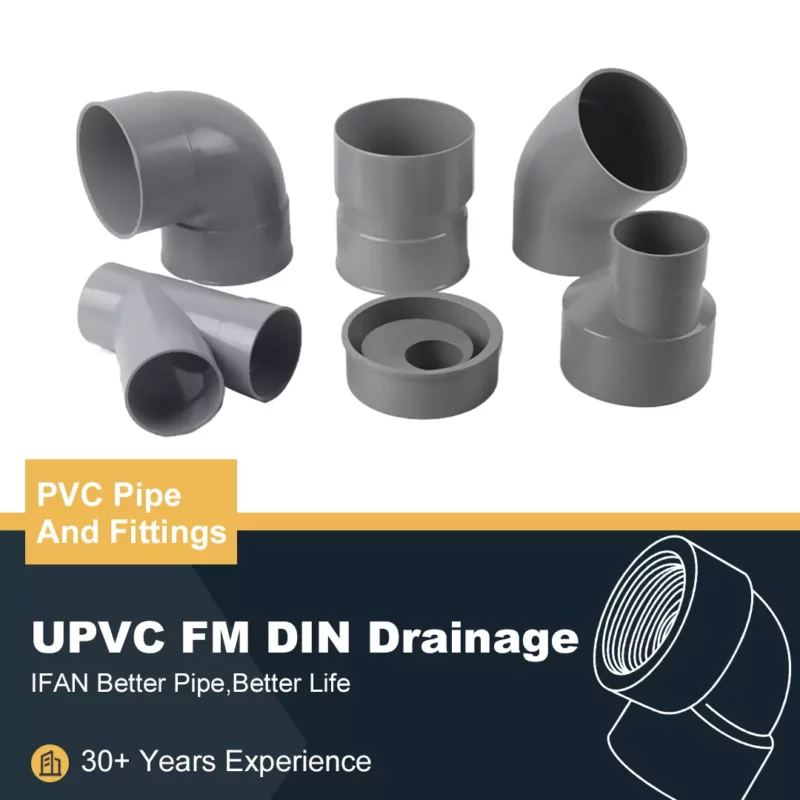
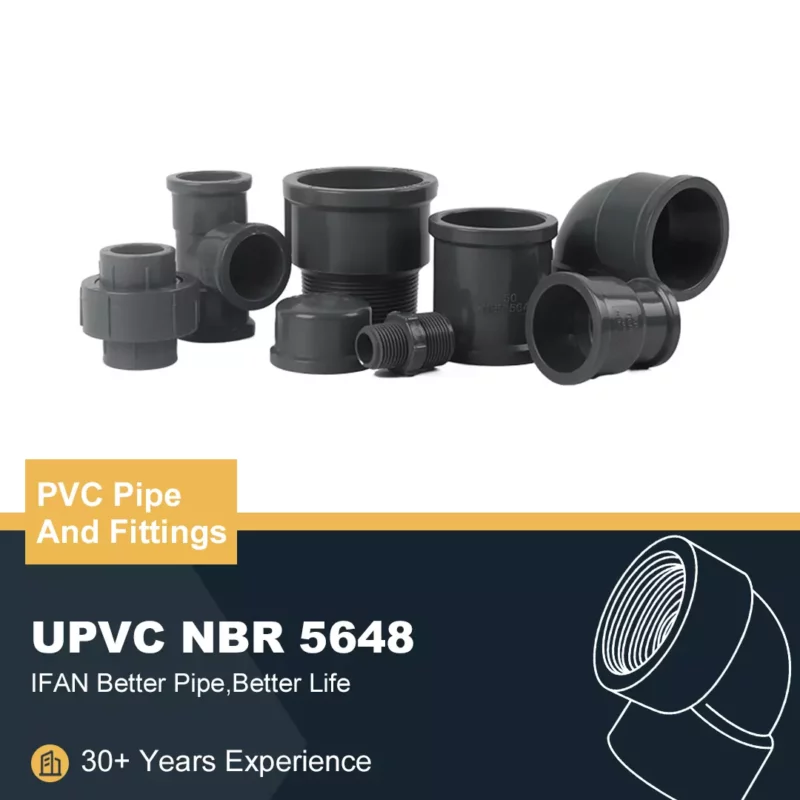
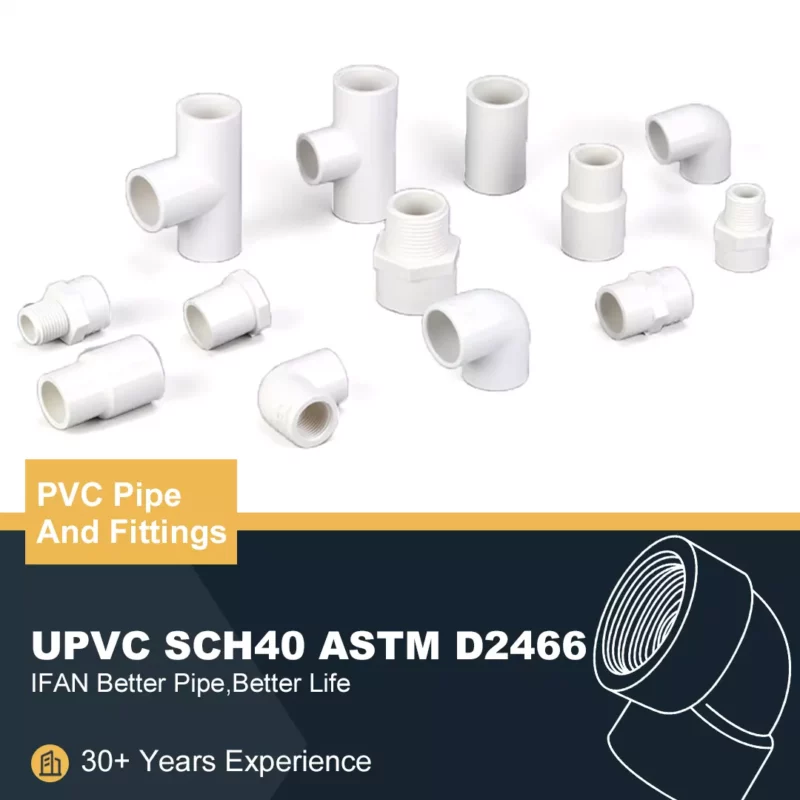
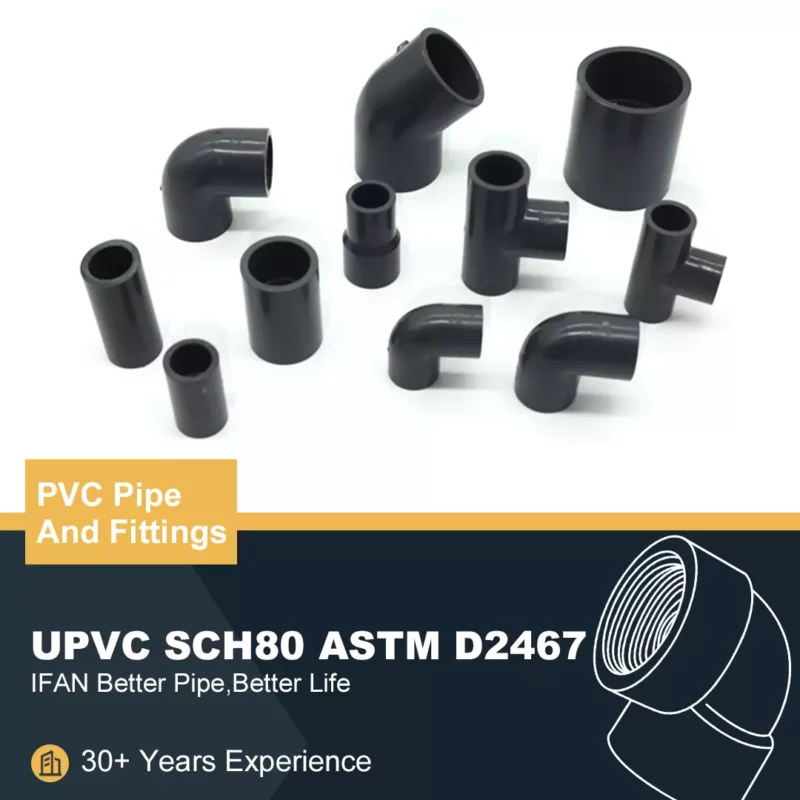
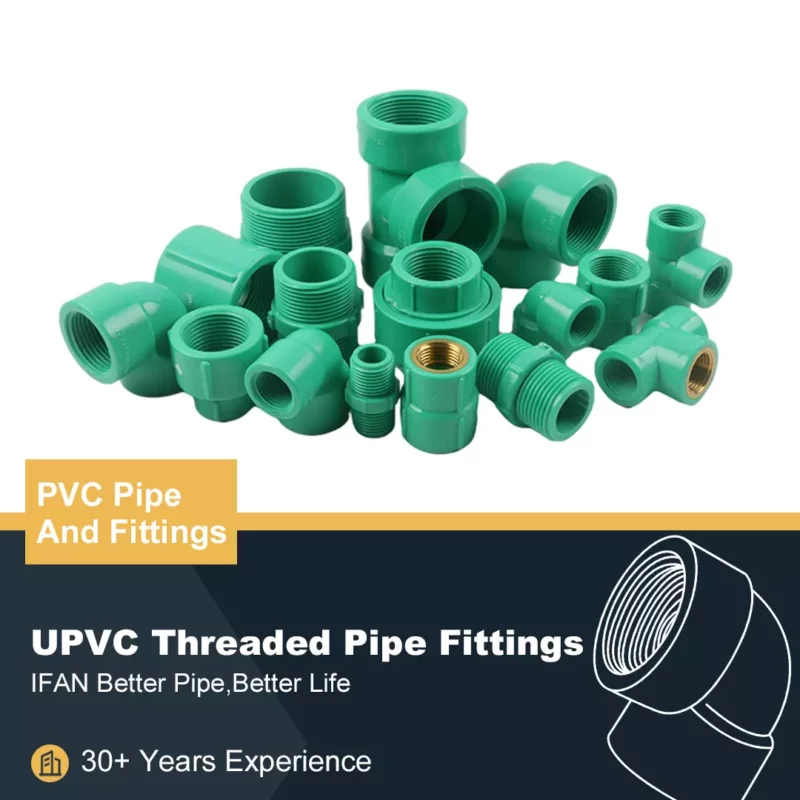
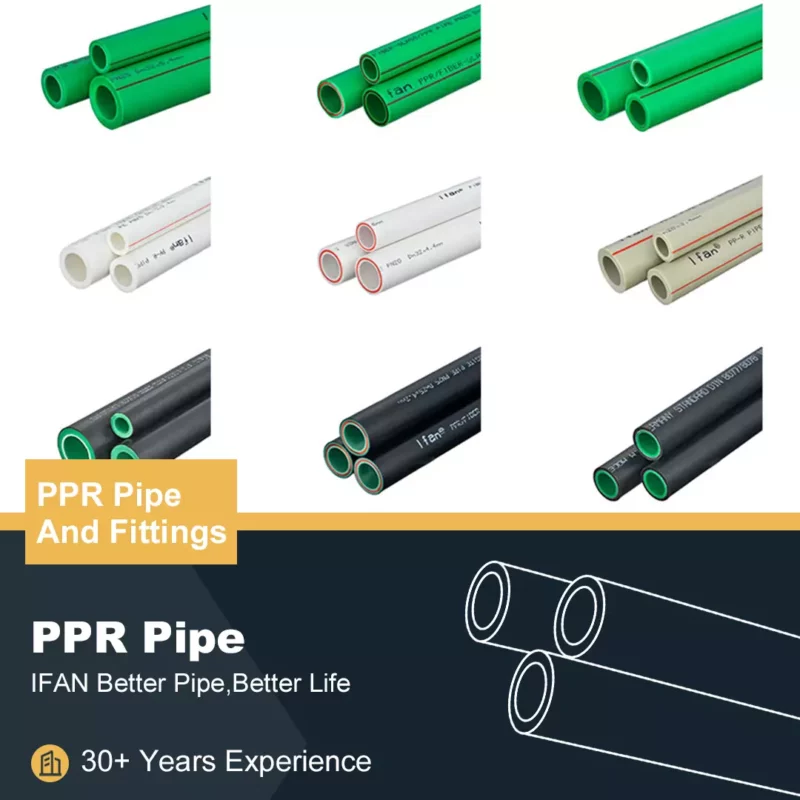
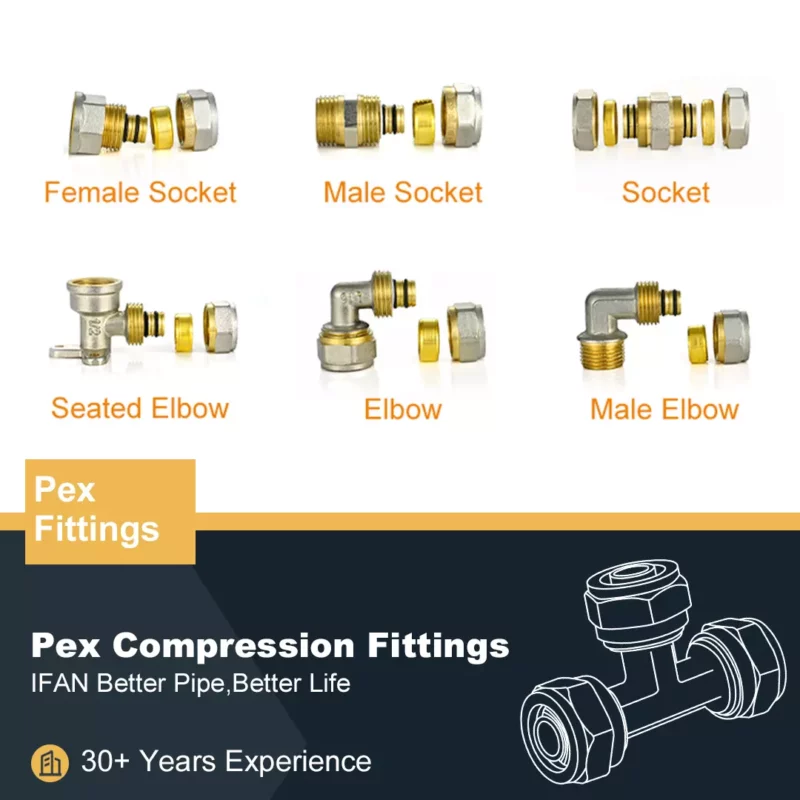
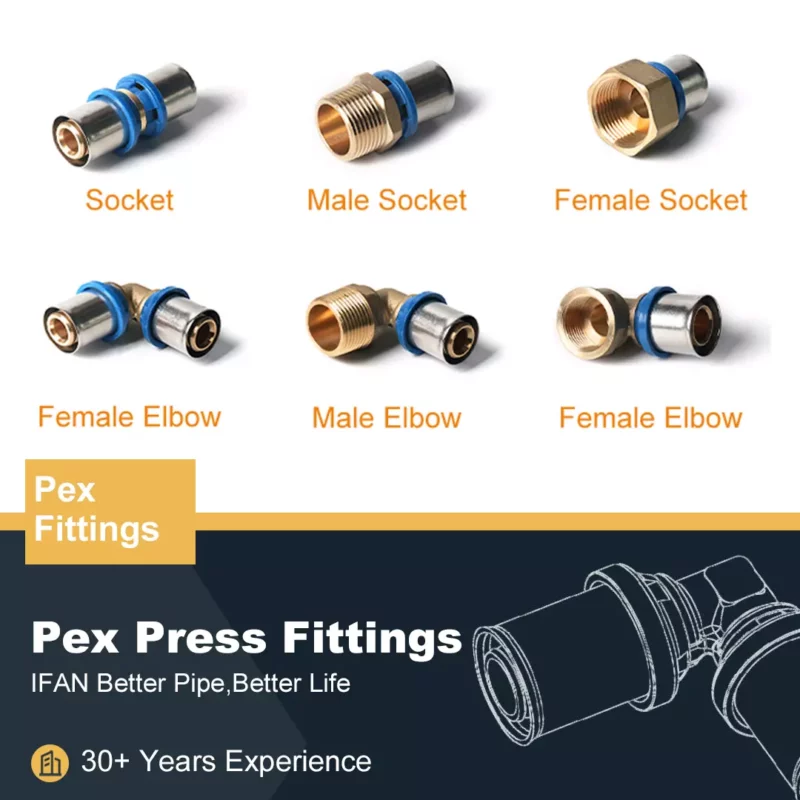
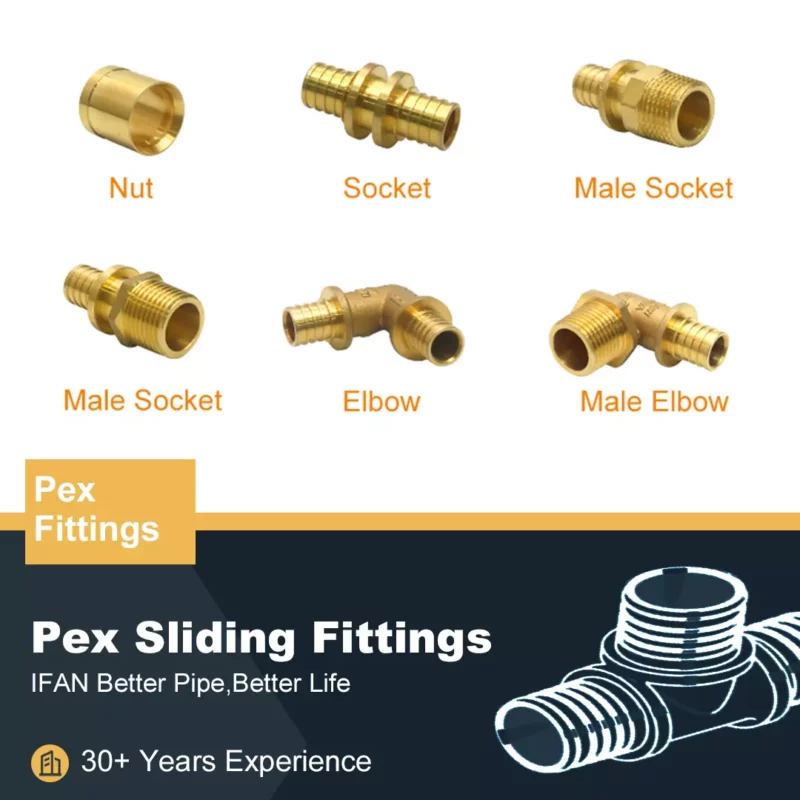
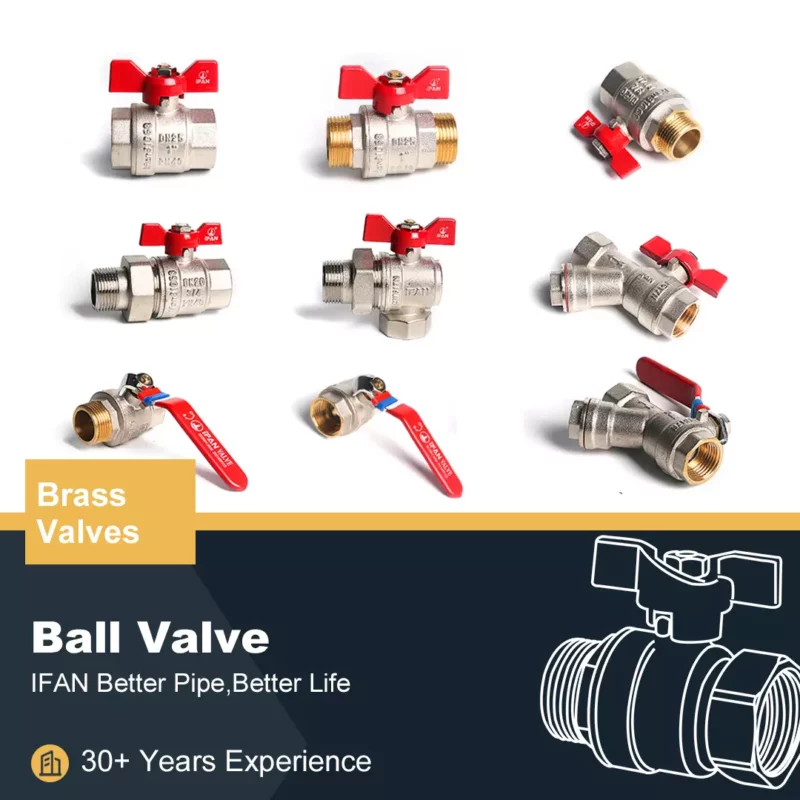
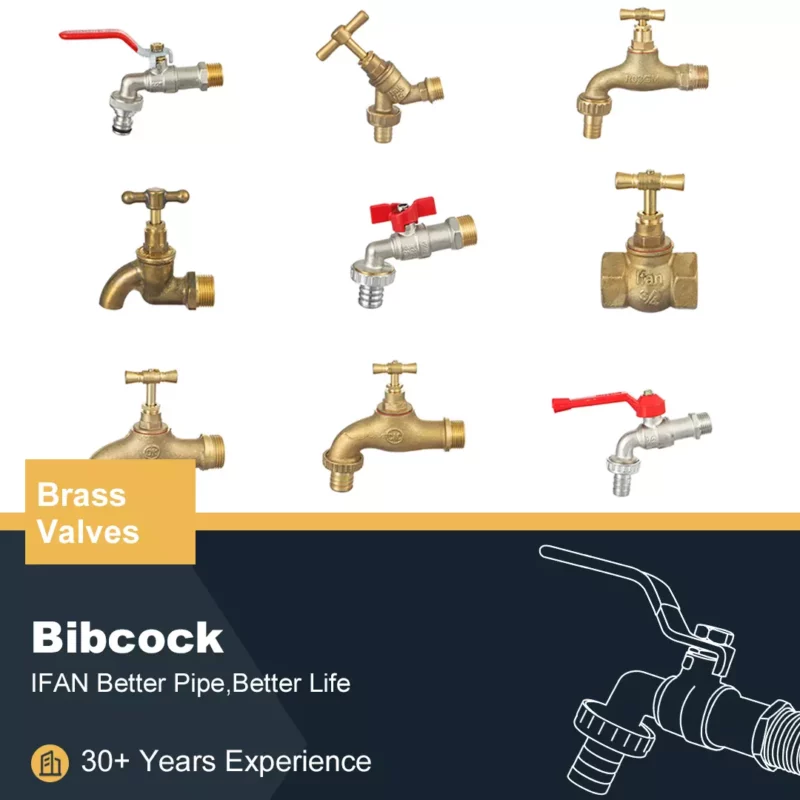
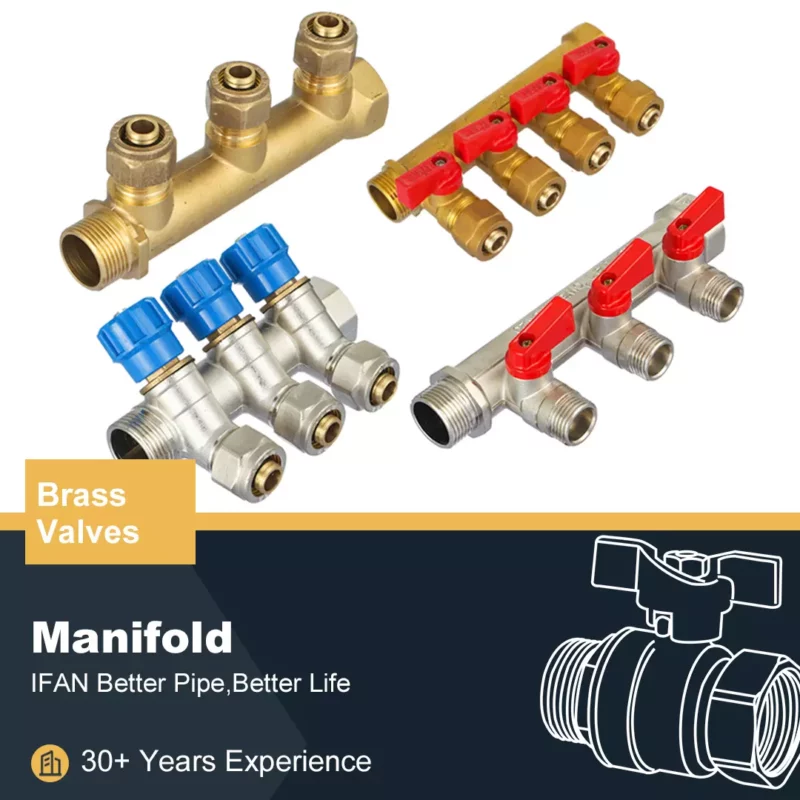
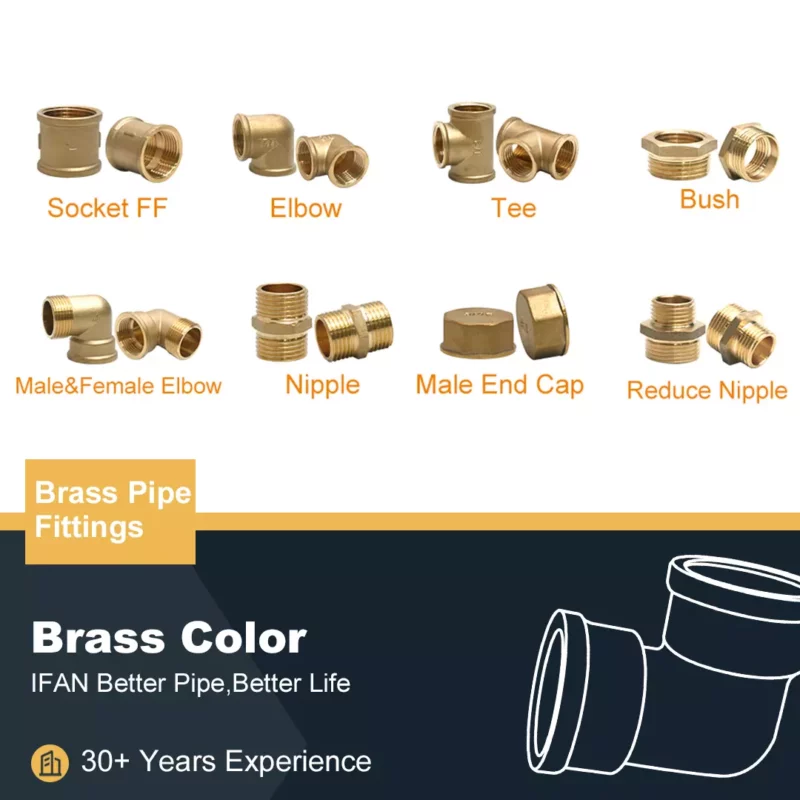
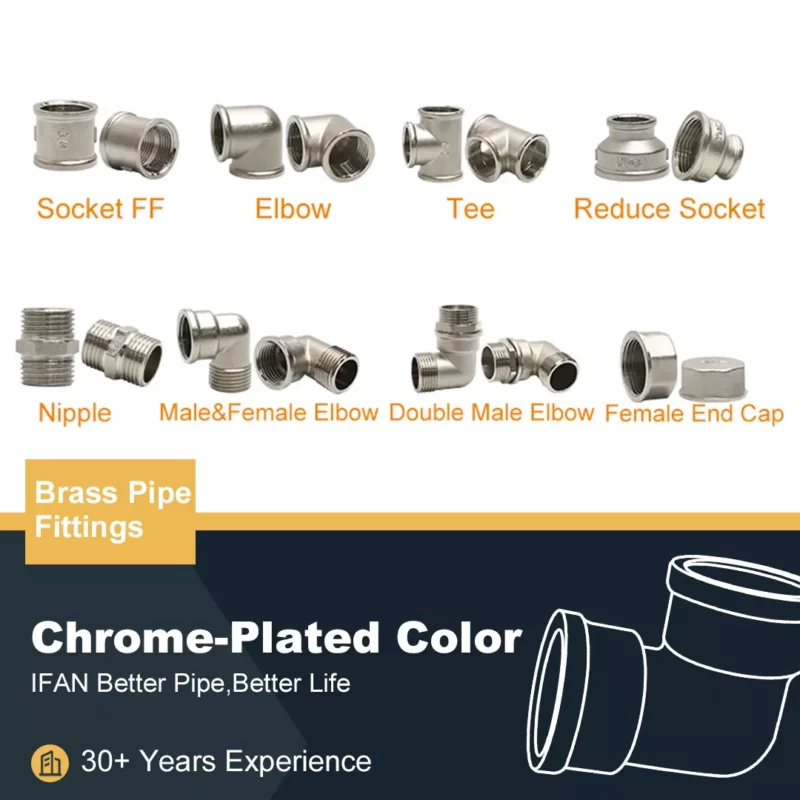
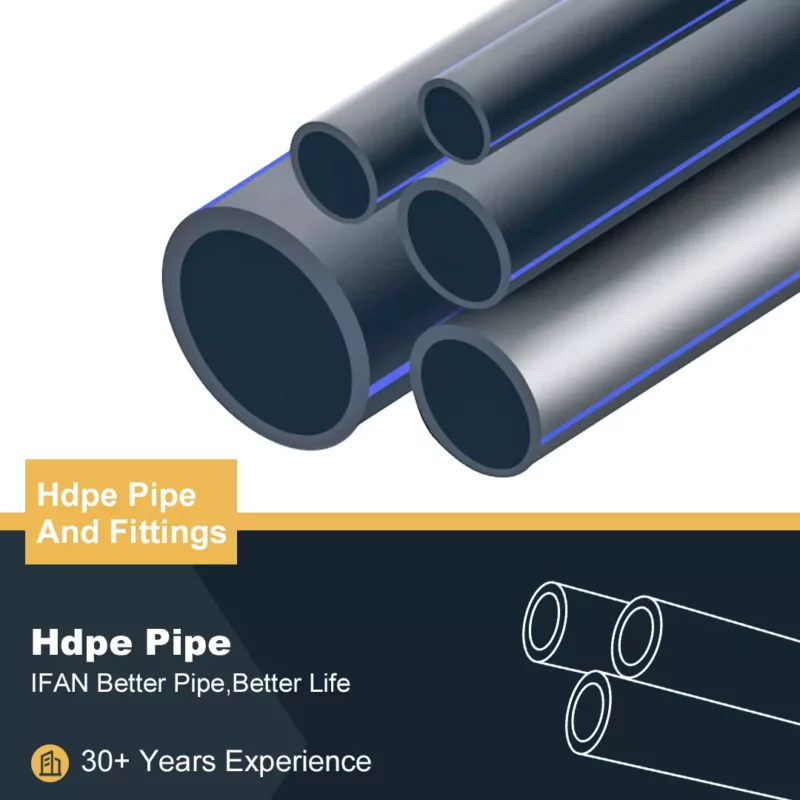
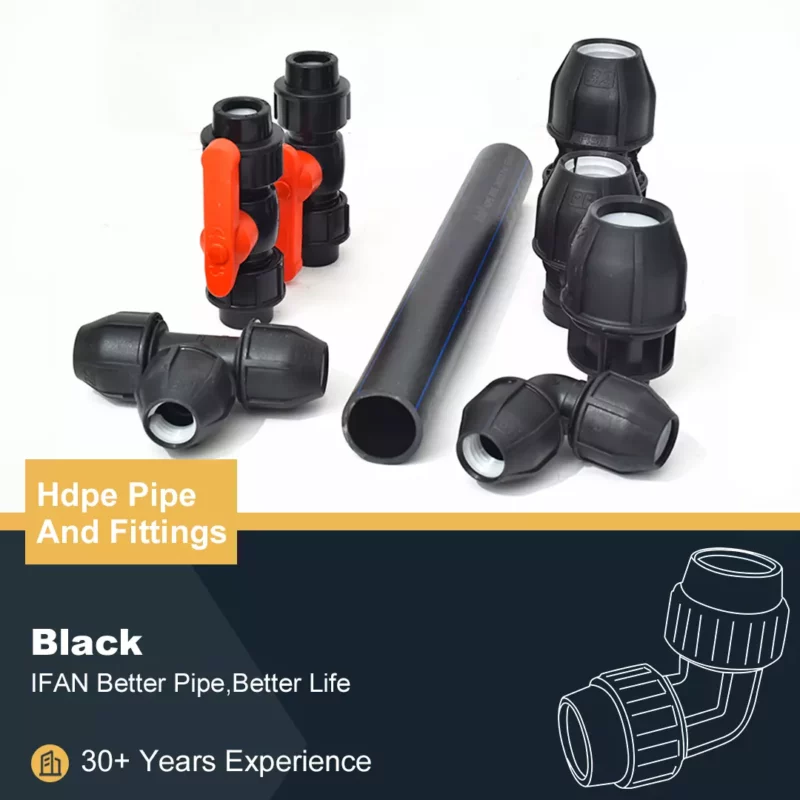
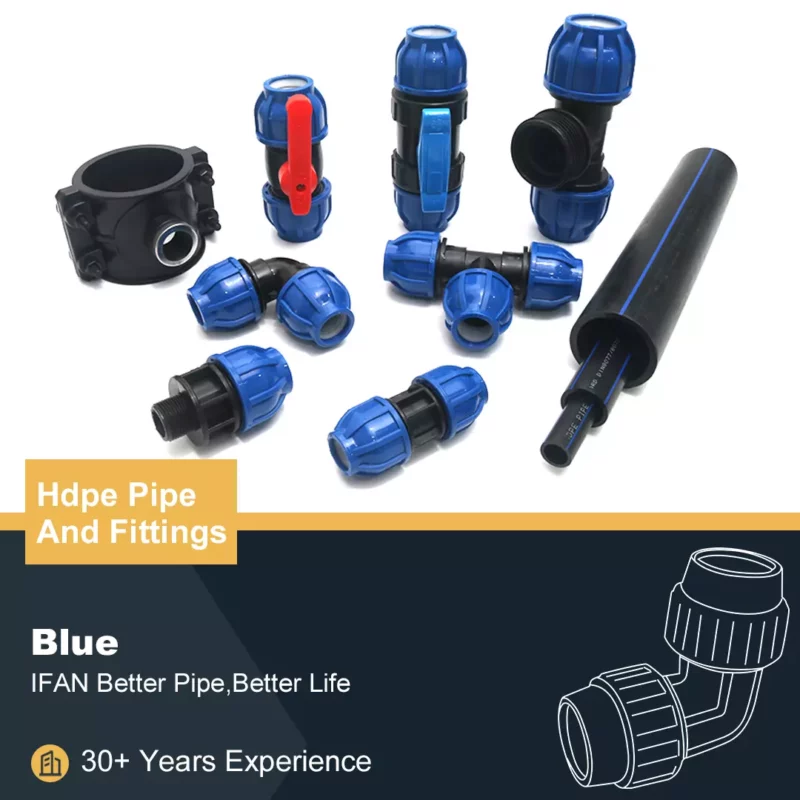
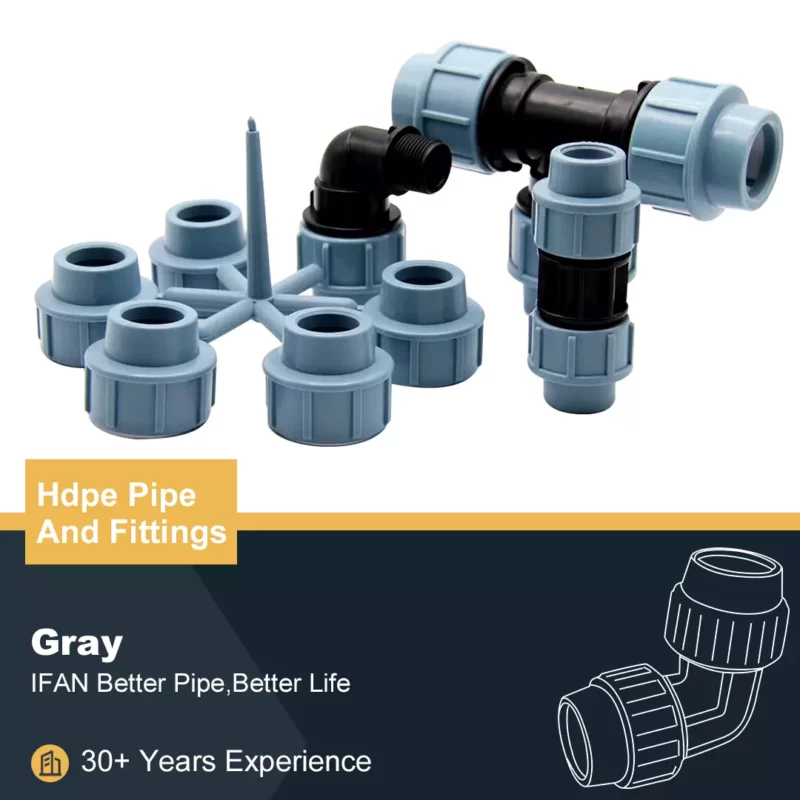

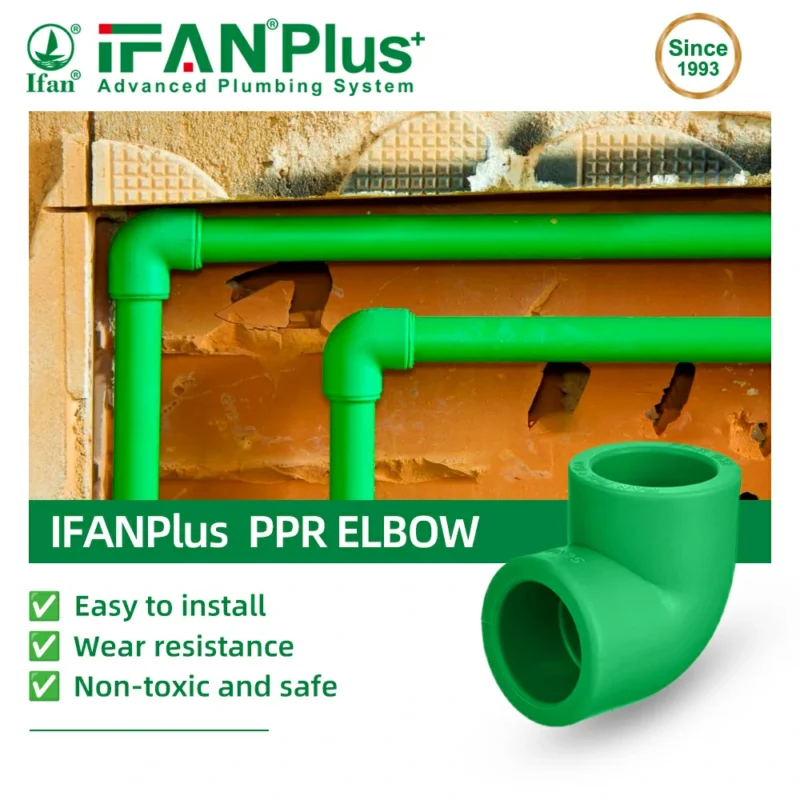
PPR pipe fittings are essential components in modern plumbing and piping systems, offering durability and leak-free performance. Made from polypropylene random copolymer (PPR), these fittings are highly resistant to corrosion, chemicals, and extreme temperatures. Due to their superior features, PPR pipe fittings are widely used in residential, commercial, and industrial systems. In this article, we will explore the key benefits of PPR pipe fittings, their various applications, and why they are becoming a popular choice for piping systems worldwide.
What Are PPR Pipe Fittings?
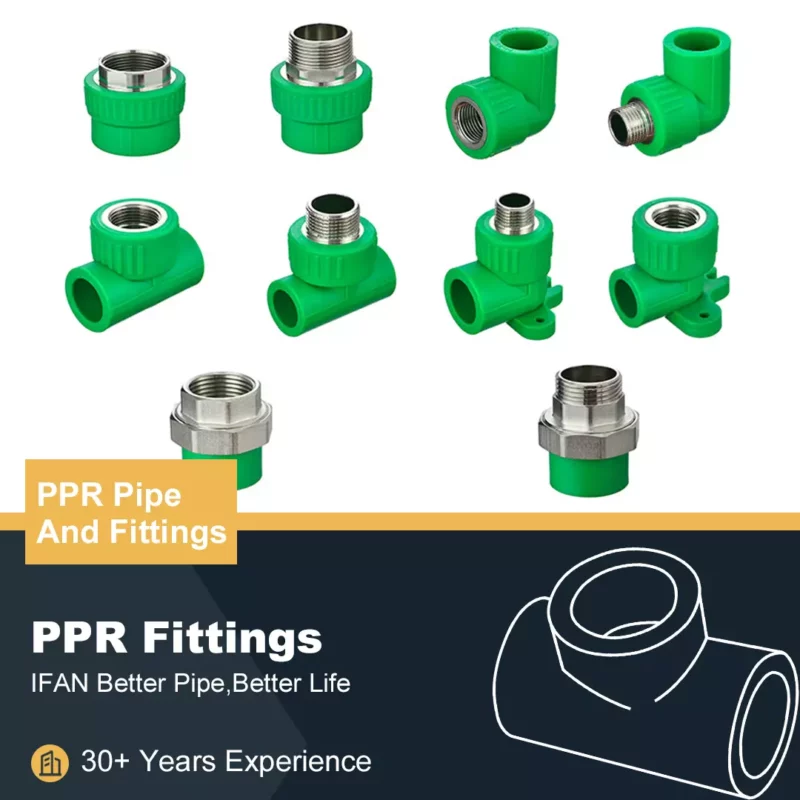
PPR pipe fittings are used to connect PPR pipes, which are made of polypropylene random copolymer. These fittings come in various shapes, including elbows, tees, couplings, and end caps. PPR fittings are known for their excellent resistance to high temperatures, chemicals, and wear, making them ideal for water, gas, and heating systems. They are fused to the pipes using a process called heat fusion, ensuring a tight and permanent bond.
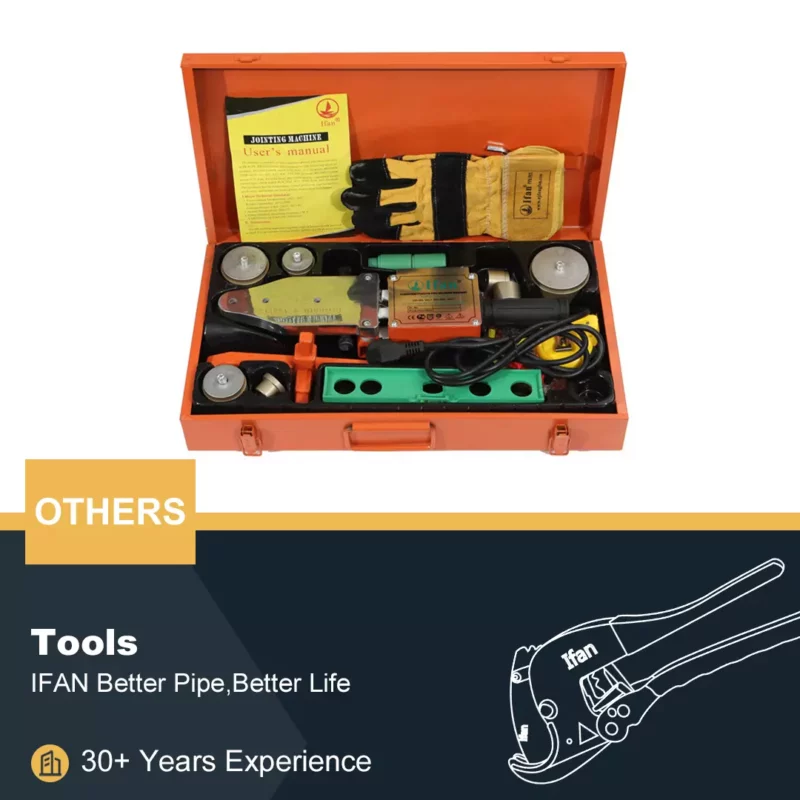
The heat fusion process involves heating the ends of both the pipe and the fitting, then joining them together to form a strong, leak-proof connection. This method guarantees that the fitting will last for years without leakage or failure.
Benefits of PPR Pipe Fittings
- Durability and Longevity
PPR pipe fittings are highly durable and have a long lifespan. They are resistant to abrasion, impact, and environmental factors. Unlike traditional metal fittings, PPR fittings do not rust or corrode, even when exposed to moisture or harsh chemicals. This makes them ideal for systems where longevity and low maintenance are essential. - Leak-Free Performance
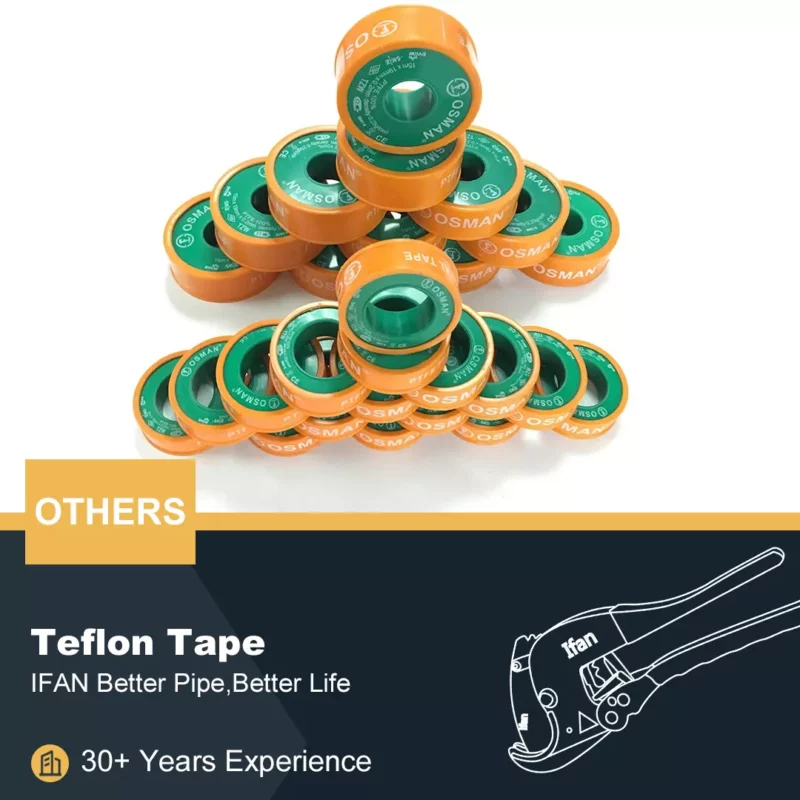
One of the primary advantages of PPR pipe fittings is their leak-free performance. The heat fusion process creates a seamless connection that prevents leaks. This ensures that the system will operate efficiently without the risk of water loss or contamination. With PPR fittings, there is no need for additional sealing materials like thread tape or joint compound, further reducing the chance of leaks. - Corrosion Resistance
PPR is resistant to corrosion and scaling, making it an ideal material for water supply and heating systems. In traditional metal systems, corrosion can cause deterioration over time, leading to leaks and failure. PPR fittings, on the other hand, maintain their integrity even in harsh environments, including exposure to chemicals and varying temperatures. - Heat Resistance
PPR pipe fittings are capable of withstanding high temperatures, up to 95°C (203°F). This makes them suitable for both hot and cold water systems. Whether it is used in domestic hot water or heating systems, PPR fittings perform reliably under varying temperature conditions. - Chemical Resistance
Another significant benefit of PPR pipe fittings is their resistance to chemicals. PPR is non-reactive and can withstand a wide range of chemicals, including acids, alkalis, and solvents. This makes them a great option for use in industrial and chemical processing systems where traditional metal fittings might degrade. - Lightweight and Easy to Handle
PPR pipe fittings are much lighter than metal fittings, making them easier to handle and transport. Their lightweight nature also reduces installation time and costs, as they require less manpower and fewer tools. This ease of installation is a major advantage, especially in large-scale projects.
Applications of PPR Pipe Fittings
PPR pipe fittings are versatile and used in a wide variety of applications across different industries. Their durability, resistance to corrosion, and leak-proof characteristics make them ideal for several systems:
- Residential Water Systems
PPR pipe fittings are commonly used in residential plumbing systems, including water supply and distribution. They are perfect for cold and hot water systems due to their high heat resistance. PPR fittings ensure that the water remains free of contaminants, as they do not leach harmful substances into the water. This makes PPR pipes and fittings a safe choice for drinking water systems. - Heating Systems
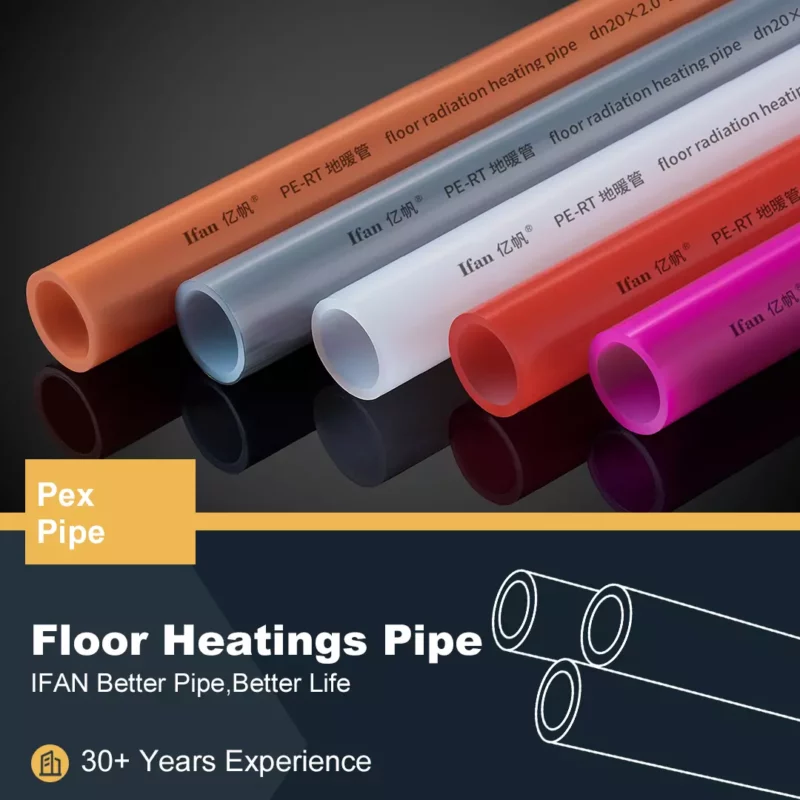
PPR pipe fittings are widely used in heating systems, such as underfloor heating or radiator connections. These fittings can handle the high temperatures that heating systems generate, ensuring efficient and reliable performance. Their leak-free connections are especially important in systems that involve hot water circulation. - Commercial and Industrial Applications
In commercial and industrial settings, PPR pipe fitting are used in various fluid and gas distribution systems. Their resistance to chemicals and high pressures makes them suitable for applications in the chemical, pharmaceutical, and food processing industries. PPR fittings are also used in fire protection systems, where reliability and durability are crucial. - Irrigation Systems
PPR pipe fitting are used in agricultural irrigation systems. They provide secure, leak-proof connections for the water distribution network. Their resistance to corrosion and chemicals ensures that they can handle the exposure to various environmental conditions. These fittings help in maintaining efficient water usage, ensuring that crops receive the necessary amount of water. - Swimming Pools and Spa Systems
In swimming pools and spas, PPR pipe fitting are used to connect pipes in the water filtration and circulation systems. Their ability to resist chemicals like chlorine makes them ideal for pool plumbing systems. Additionally, the leak-proof nature of PPR fittings ensures the water system remains efficient, preventing water loss and reducing maintenance needs.
Installation of PPR Pipe Fitting
Installing PPR pipe fitting involves a relatively simple and straightforward process. The heat fusion method, where the pipe and fitting are heated and fused together, ensures a strong and permanent bond. Here is a step-by-step guide on how to install PPR pipe fitting:
- Preparation
Before starting, ensure that the pipes and fittings are clean and free from any dirt or debris. Measure the length of the pipe and the fittings to make sure they fit correctly. - Cutting the Pipe
Use a pipe cutter to make a clean, straight cut on the PPR pipe. This ensures a proper fit with the fittings and a smooth connection. It’s important to remove any burrs or sharp edges from the cut. - Heating the Fittings and Pipe
Using a PPR fusion tool, heat the end of the pipe and the fitting. The tool heats the pipe and fitting to the required temperature for fusion. This process usually takes around 5-10 seconds, depending on the pipe size. - Fusing the Pipe and Fitting
Once the pipe and fitting have reached the correct temperature, insert the pipe into the fitting. Hold them in place for a few seconds to allow the materials to bond properly. The heat fusion creates a secure, leak-proof connection. - Cooling and Testing
After the connection has been made, allow it to cool for a few minutes. Once cooled, test the system by running water through the pipes to ensure there are no leaks. If everything is secure, the installation is complete.
Maintenance of PPR Pipe Fittings
PPR pipe fittings are known for their low maintenance requirements. However, regular inspections can help identify any potential issues before they become significant problems. Here are a few maintenance tips:
- Periodic Inspections
Inspect the piping system regularly for signs of damage, such as cracks or leaks. Although PPR fittings are durable, it’s important to ensure that they remain in good condition over time. - Clean the System
Ensure that the pipes and fittings are free from dirt, debris, or mineral buildup. Use clean water to flush the system periodically to maintain smooth operation. - Avoid Excessive Heat Exposure
While PPR pipe fittings are heat-resistant, excessive exposure to high temperatures can affect their integrity. Avoid placing the piping system in areas where temperatures may exceed the recommended limits. - Check for Proper Installation
Verify that the connections are secure and the fittings are properly fused. Poor installation can lead to leaks and system failure.
Conclusion
PPR pipe fittings offer a durable, leak-free, and cost-effective solution for various piping systems. Their resistance to corrosion, chemicals, and high temperatures makes them suitable for a wide range of applications, including residential, commercial, and industrial systems. PPR fittings provide a secure, long-lasting connection that requires minimal maintenance, reducing the risk of leaks and costly repairs.
The easy installation process, combined with their lightweight nature and strength, makes PPR pipe fittings a popular choice in modern plumbing and piping systems. Whether used in water distribution, heating systems, or industrial applications, PPR pipe fittings continue to prove their reliability and efficiency. With proper installation and care, PPR fittings will provide lasting performance, ensuring your piping system remains secure and efficient for years to come.
If you have read this article and have any questions, please feel free to contact IFAN. Below is our contact information:
Whatsapp:+86 13373827623
Email:[email protected]