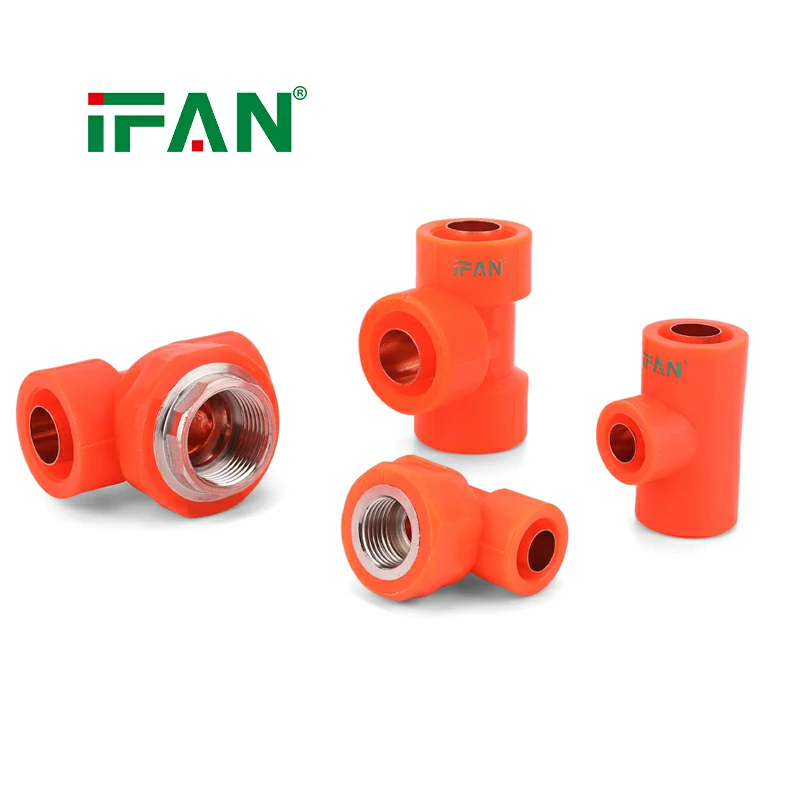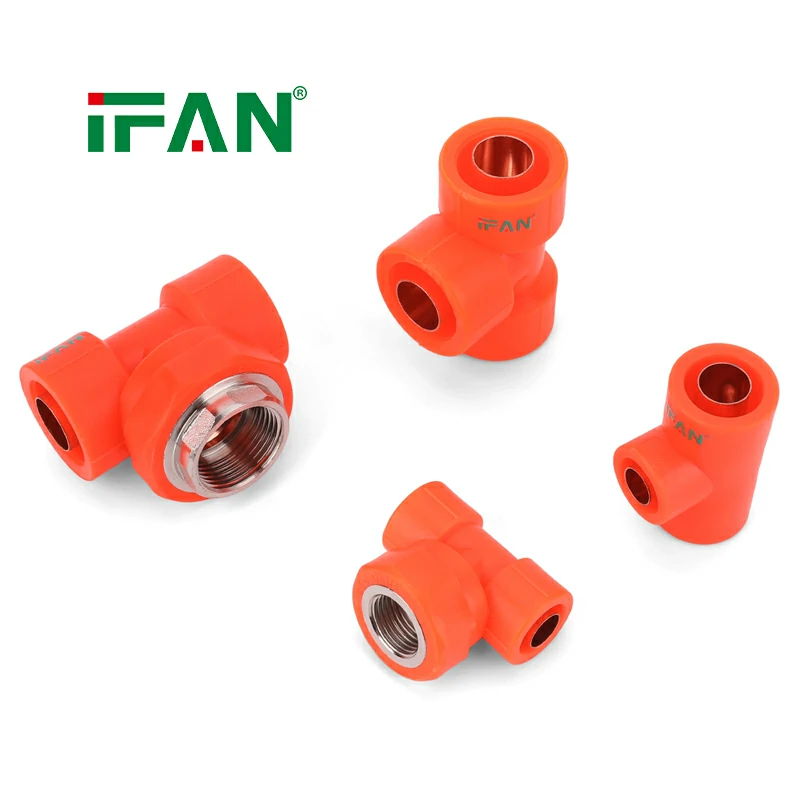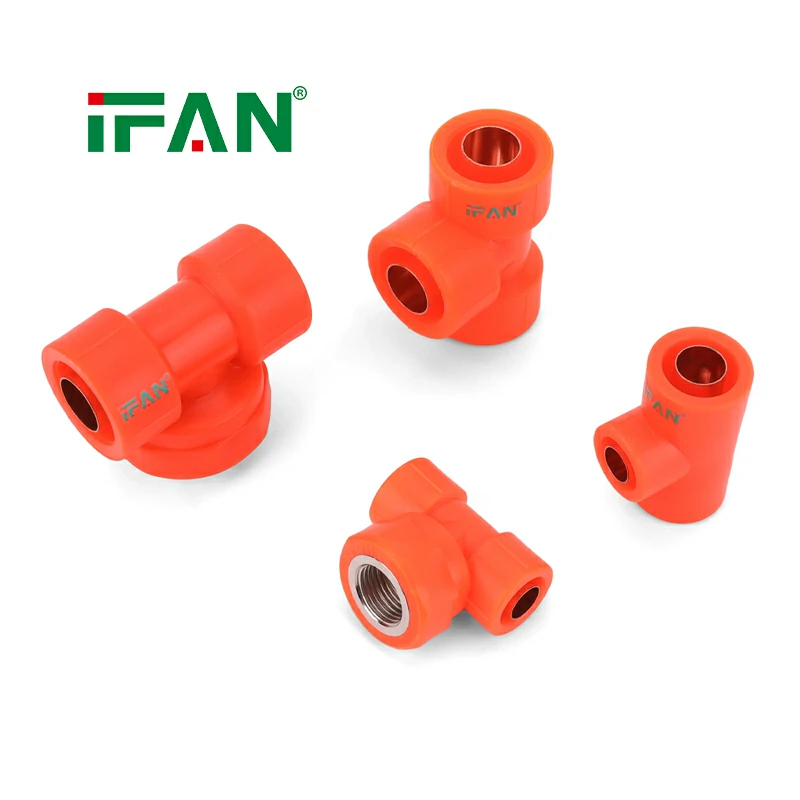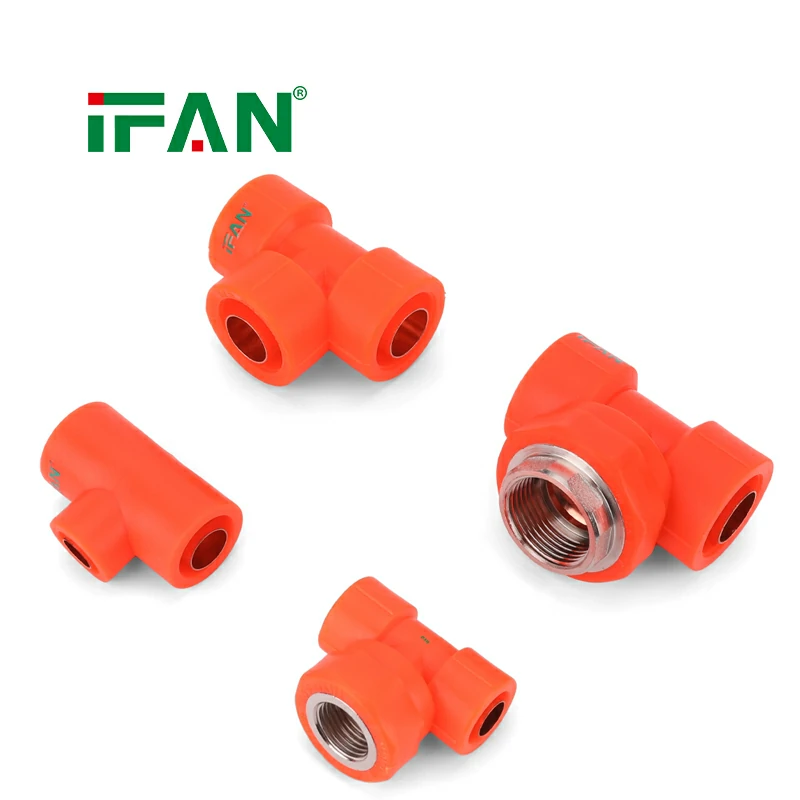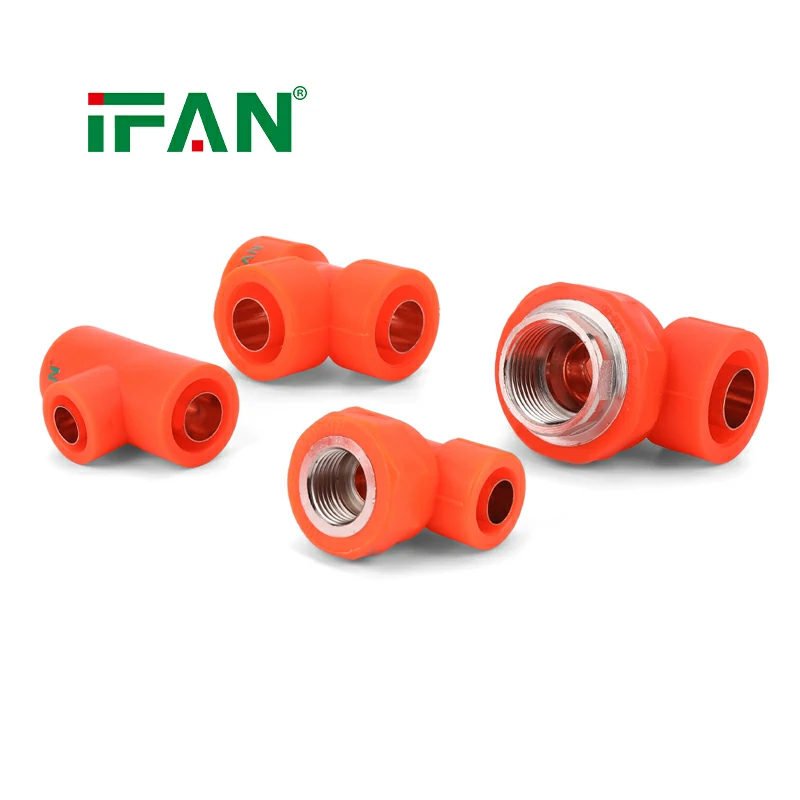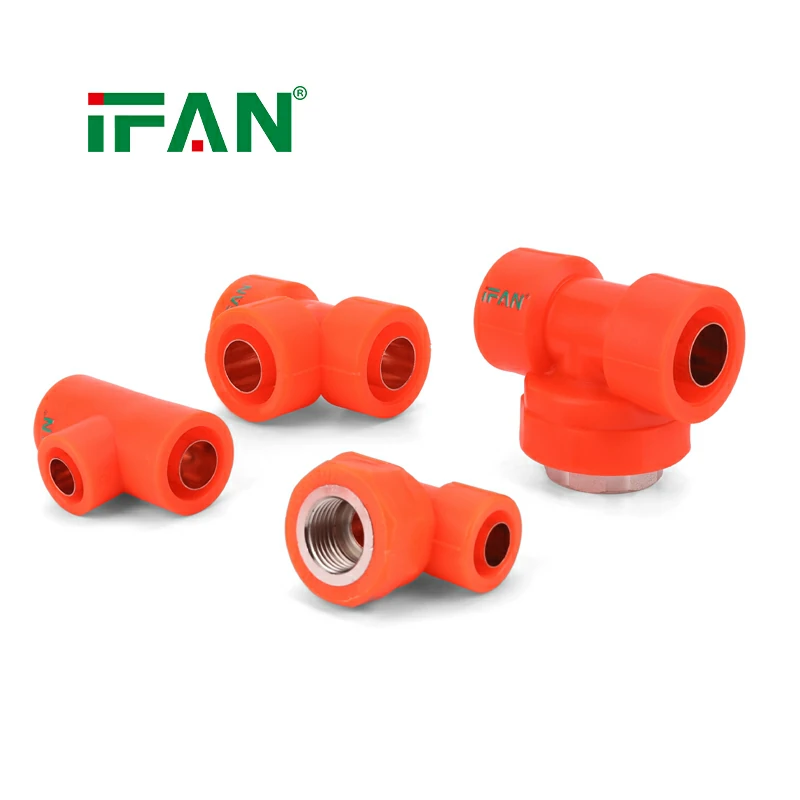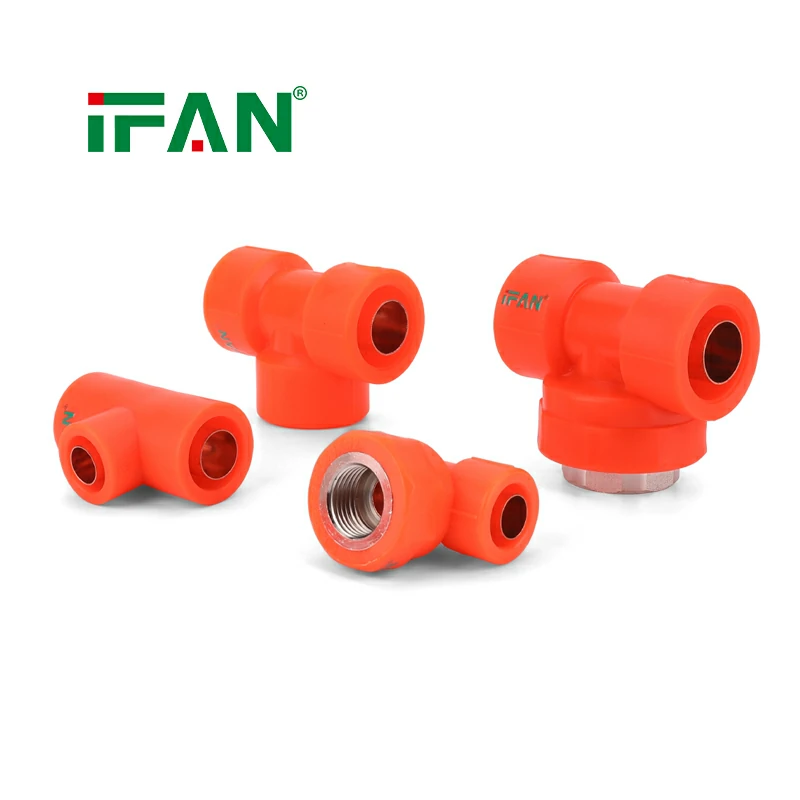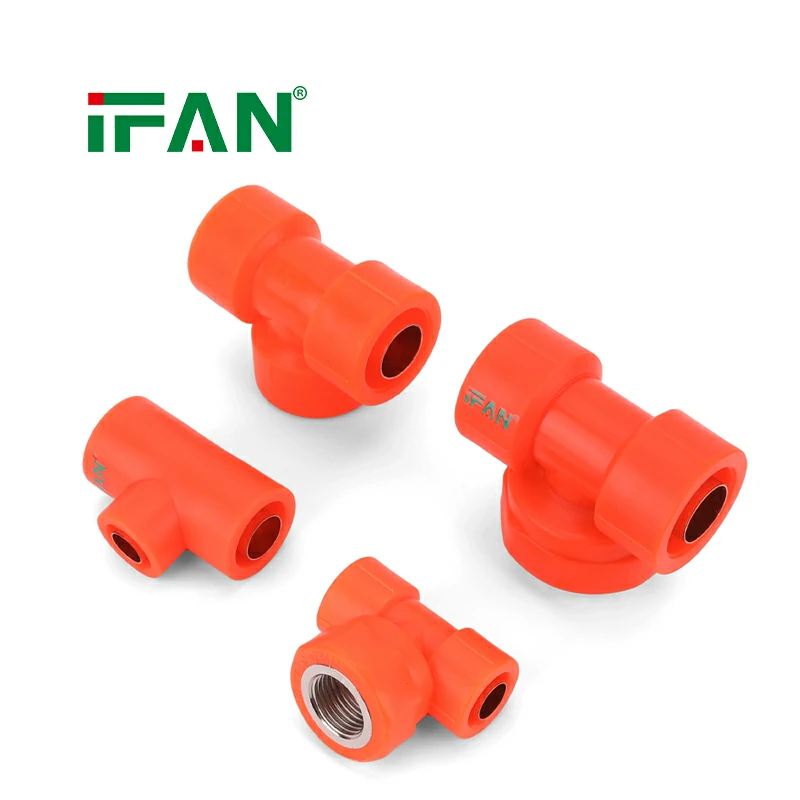
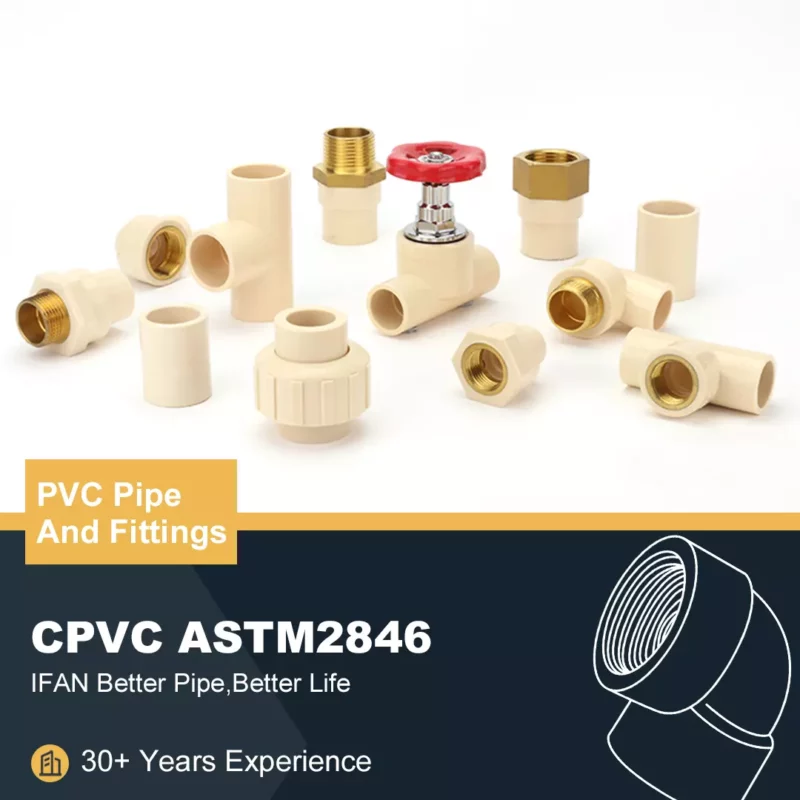
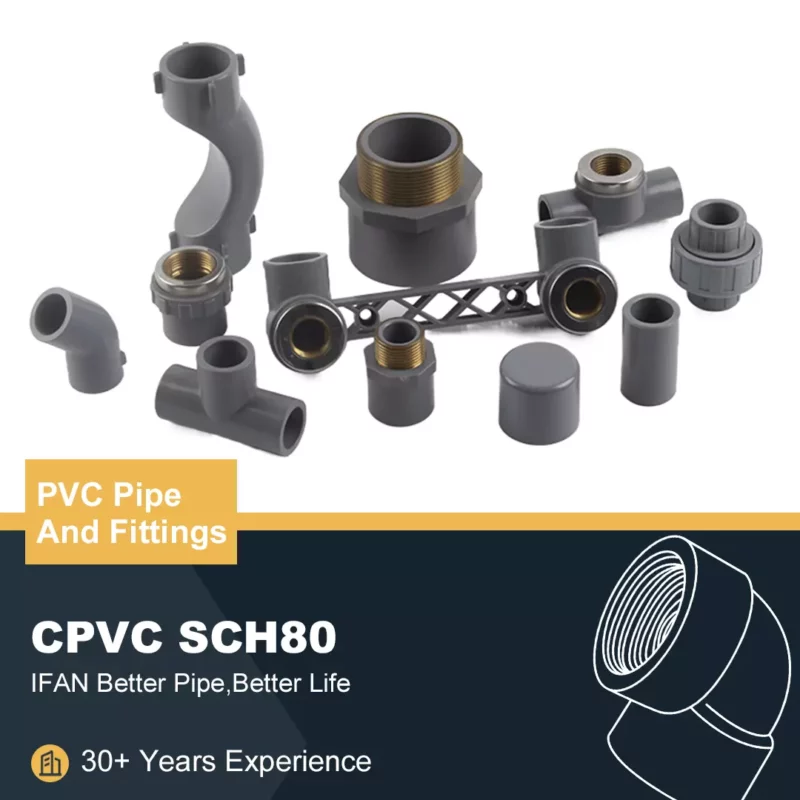




Introduction to CPVC Pipe Fittings
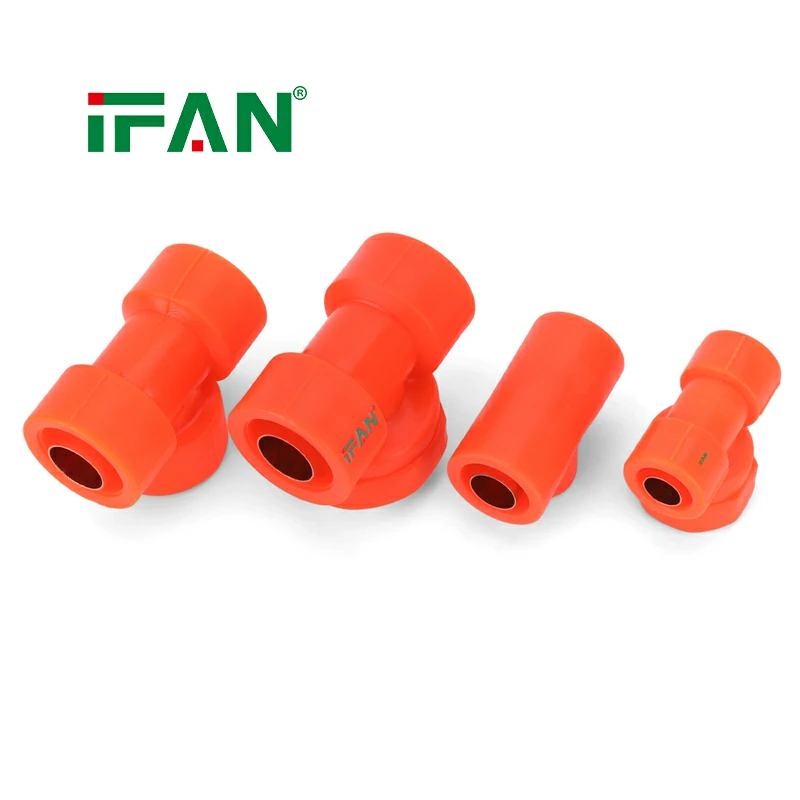
CPVC pipe fittings are essential components in modern plumbing systems. They are known for their ability to withstand high temperatures. This characteristic makes them suitable for various applications, including hot water systems. In this article, we will explore the high-temperature performance of CPVC pipe fittings and their advantages.
What Are CPVC Pipe Fittings?
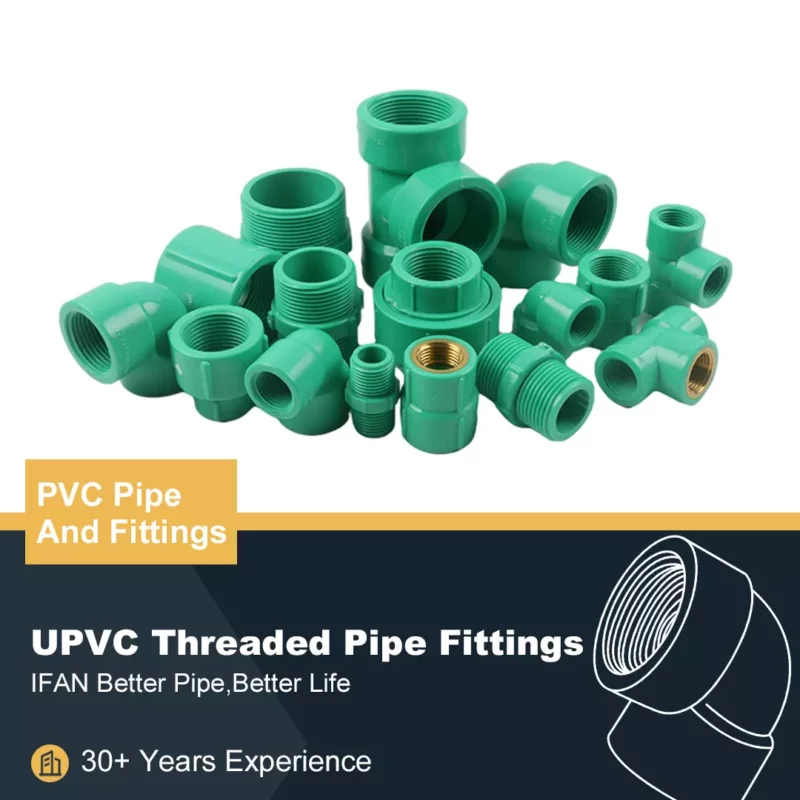
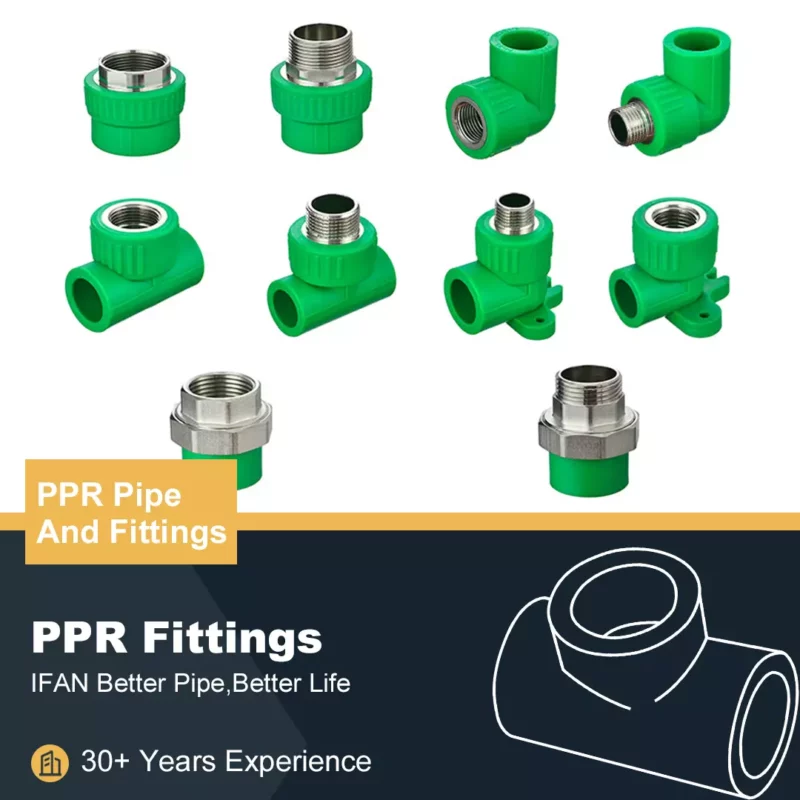
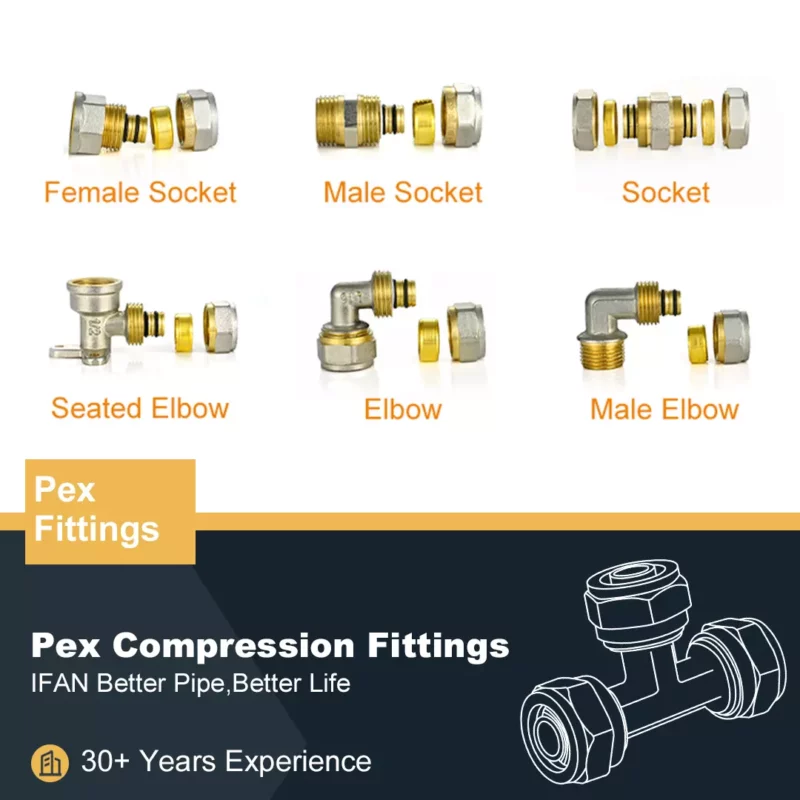
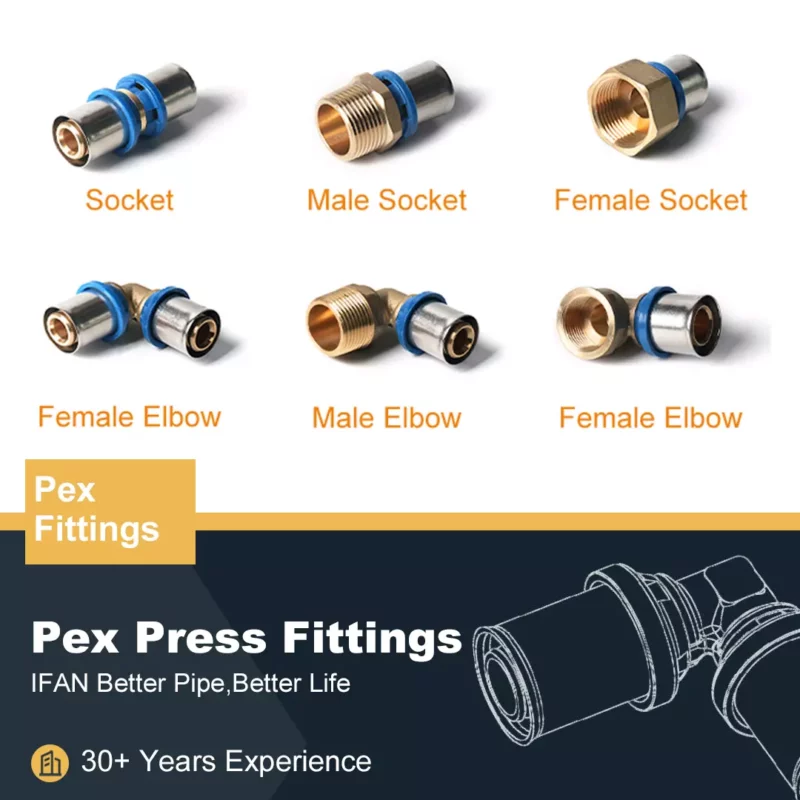
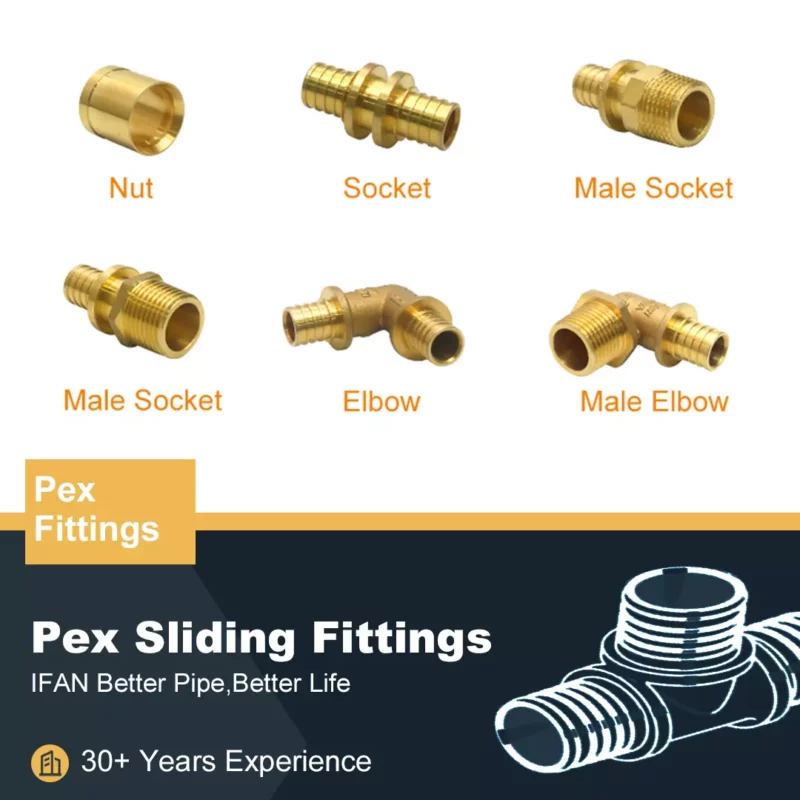
CPVC stands for chlorinated polyvinyl chloride. This material is specifically engineered to handle elevated temperatures. CPVC pipe fittings connect different sections of piping, ensuring a secure and leak-free system. They come in various shapes and sizes, making them versatile for many plumbing needs.
Advantages of High-Temperature Performance
The primary advantage of CPVC pipe fittings is their high-temperature performance. They can handle temperatures up to 200°F (93°C) without losing structural integrity. This capability is crucial for systems that transport hot water. Homeowners and businesses can rely on CPVC fittings for consistent performance in demanding environments.
Durability Under Heat Stress
CPVC pipe fittings are designed to endure heat stress. Unlike some materials, CPVC does not become brittle or deform at high temperatures. This durability ensures that the fittings maintain their shape and function over time. As a result, they provide a reliable solution for hot water applications.
Resistance to Chemical Damage
In addition to high-temperature performance, CPVC pipe fittings resist chemical damage. They are less susceptible to degradation from harsh chemicals. This resistance is particularly important in industrial settings where chemical exposure is common. CPVC fittings can withstand various substances without compromising their integrity.
Installation Benefits
Installing CPVC pipe fittings is straightforward and efficient. They can be joined using solvent cement, which creates a strong bond. This process does not require special tools or equipment. As a result, installation can be completed quickly, saving time and labor costs. The ease of installation is a significant advantage for contractors.
Low Thermal Conductivity
CPVC has low thermal conductivity, which helps maintain water temperature. This property reduces heat loss in hot water systems. As a result, energy efficiency is improved, leading to lower utility bills. Homeowners benefit from this efficiency, making CPVC fittings a cost-effective choice.
Versatility in Applications
CPVC pipe fittings are versatile and suitable for various applications. They are commonly used in residential plumbing, commercial buildings, and industrial settings. Their ability to handle high temperatures makes them ideal for hot water supply lines and heating systems. This versatility enhances their appeal in the market.
Compatibility with Other Materials
CPVC pipe fittings are compatible with a range of plumbing materials. They can be easily connected to PVC and other types of pipes. This compatibility allows for flexibility in plumbing designs. Plumbers can mix and match materials as needed, simplifying the installation process.
Cost-Effectiveness
When considering high-temperature performance, CPVC pipe fittings are cost-effective. They offer a reliable solution at a lower price compared to metal fittings. This affordability makes them an attractive option for both new constructions and renovations. Homeowners and contractors can save money while ensuring quality performance.
Safety and Health Considerations
CPVC pipe fittings are safe for use in plumbing systems. They are approved for drinking water applications, ensuring compliance with health standards. Unlike some materials, CPVC does not leach harmful substances into the water supply. This safety aspect is crucial for both residential and commercial users.
IFAN International Standard for PVC Tubing
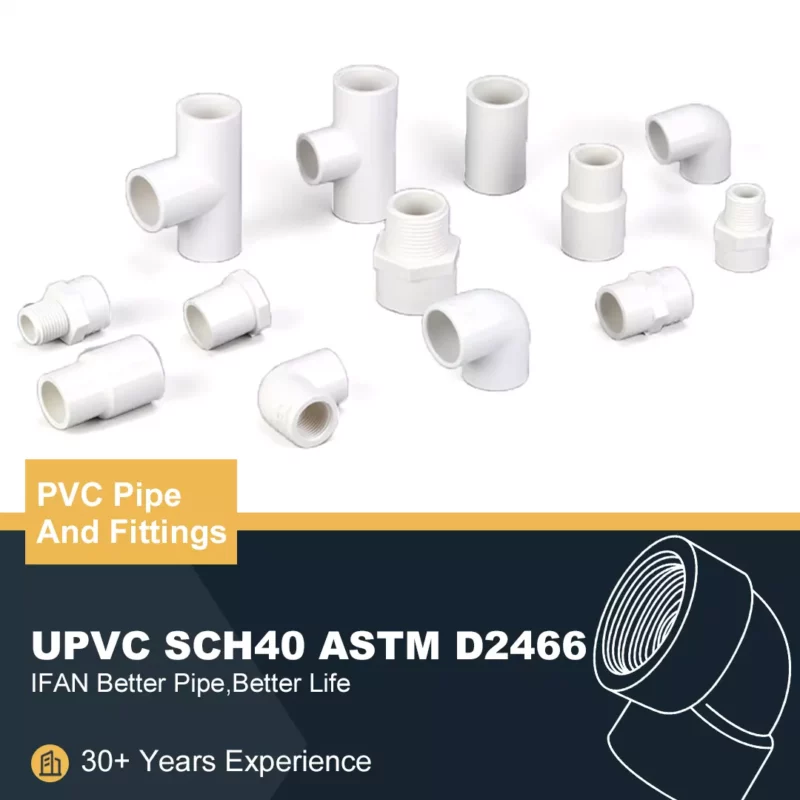
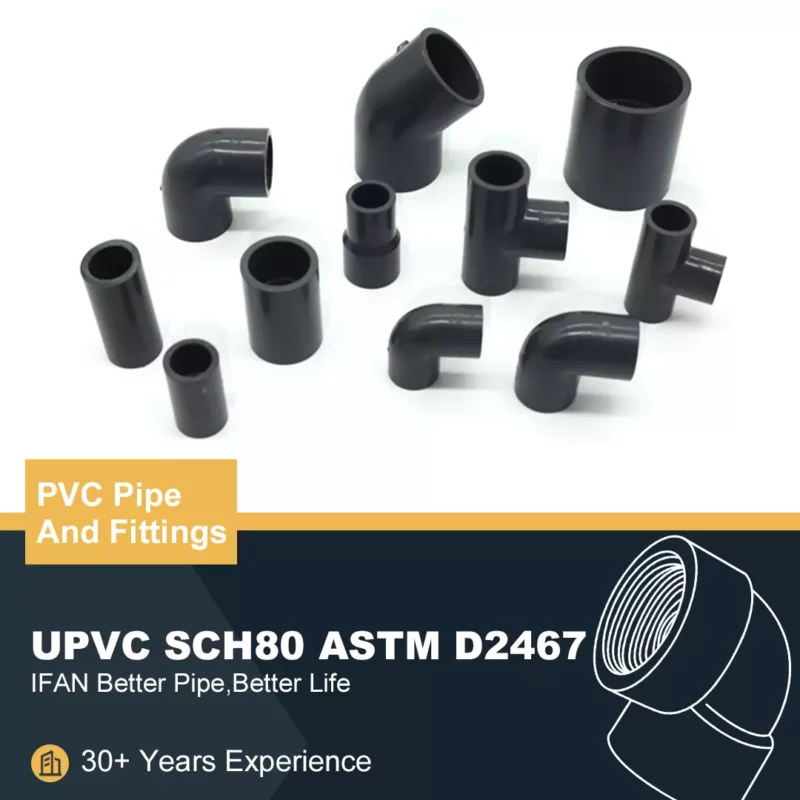
IFAN’s PVC products adhere to a wide range of international standards, ensuring they meet the highest quality and performance criteria. These standards include BS 3505, BS 4346, ASTM D1785 SCH40, ASTM D1785 SCH80, DIN, GB, DWV, ASTM D2665, ASTM D2241, ASTM D2665, ASTM D2729, ASTM F441/F441M, ISO 1452 series, EN ISO 1452, DIN 8061/8062, GB/T 10002 series, AS/NZS 1477, JIS K6741, CSA B137.3, NSF/ANSI 14, and TIS 17-2532/1131-2535. Compliance with these standards ensures that IFAN’s PVC pipes and fittings deliver consistent performance, safety, and reliability in a variety of applications globally.
Maintenance Requirements
CPVC pipe fitting require minimal maintenance over their lifespan. Once installed, they do not need frequent inspections. Their resistance to corrosion and chemicals reduces the likelihood of leaks. This low-maintenance requirement is a significant advantage for busy homeowners and businesses.
Future Trends in CPVC Technology
As plumbing technology evolves, CPVC fittings are also advancing. Manufacturers are developing new formulations to enhance performance and durability. Future innovations may lead to even better heat resistance and lower installation costs. Staying informed about these trends helps users make informed choices.
Conclusion
In conclusion, CPVC pipe fitting offer excellent high-temperature performance for various applications. Their durability, ease of installation, and low maintenance requirements make them a preferred choice. The compatibility with other materials and cost-effectiveness further enhance their appeal.
If you have read this article and have any questions, please feel free to contact IFAN. Below is our contact information:
Whatsapp:+86 13373827623
Email:[email protected]