

Introduction
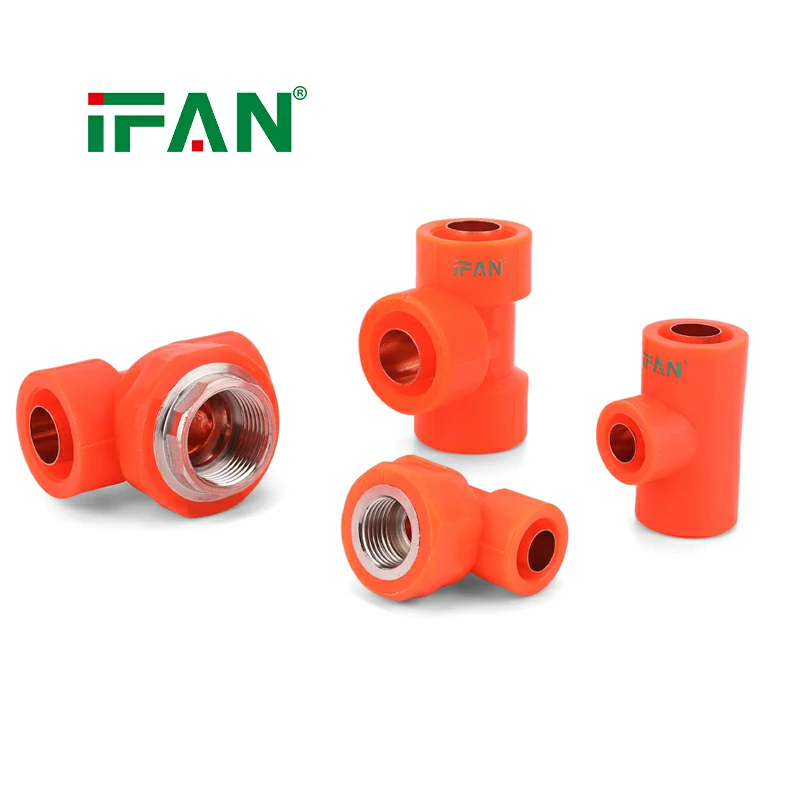
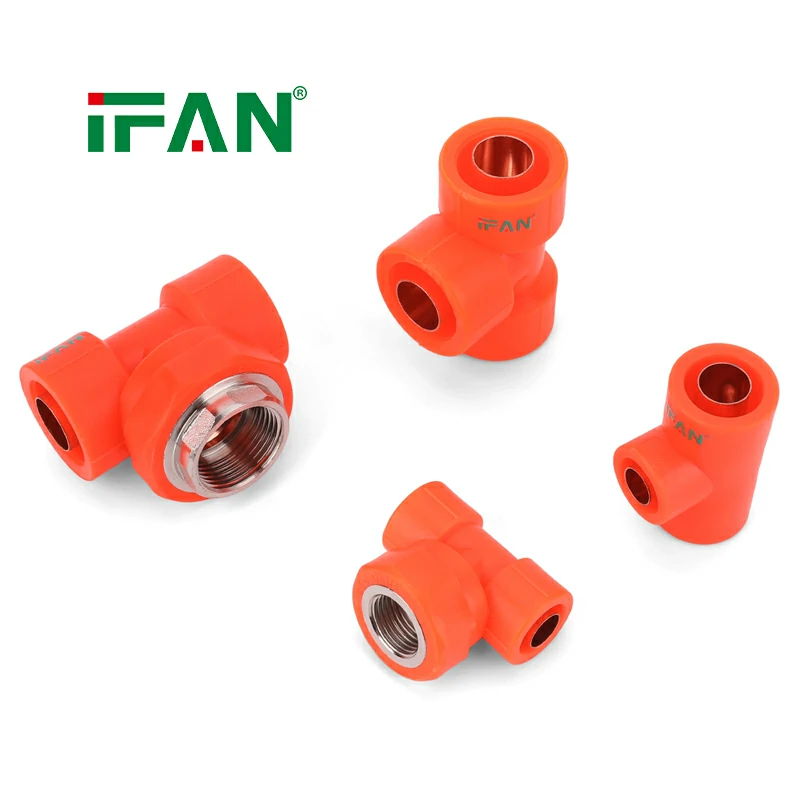
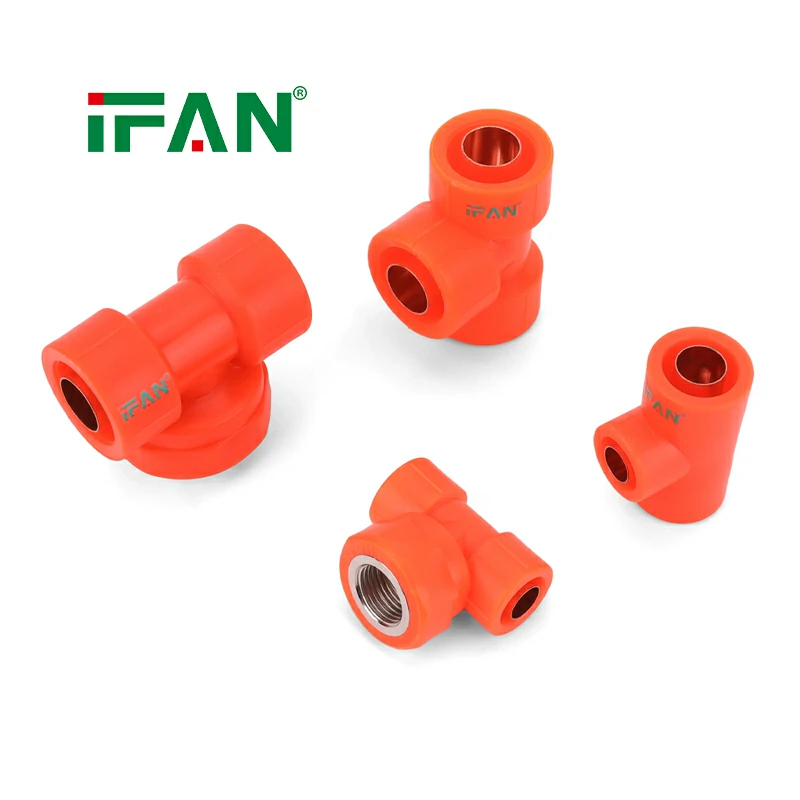
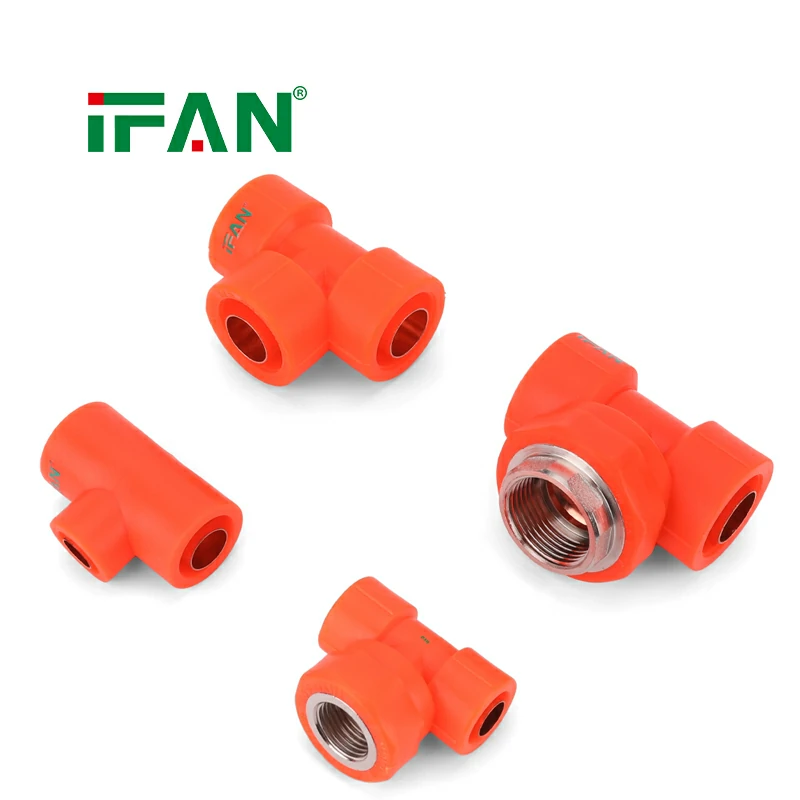
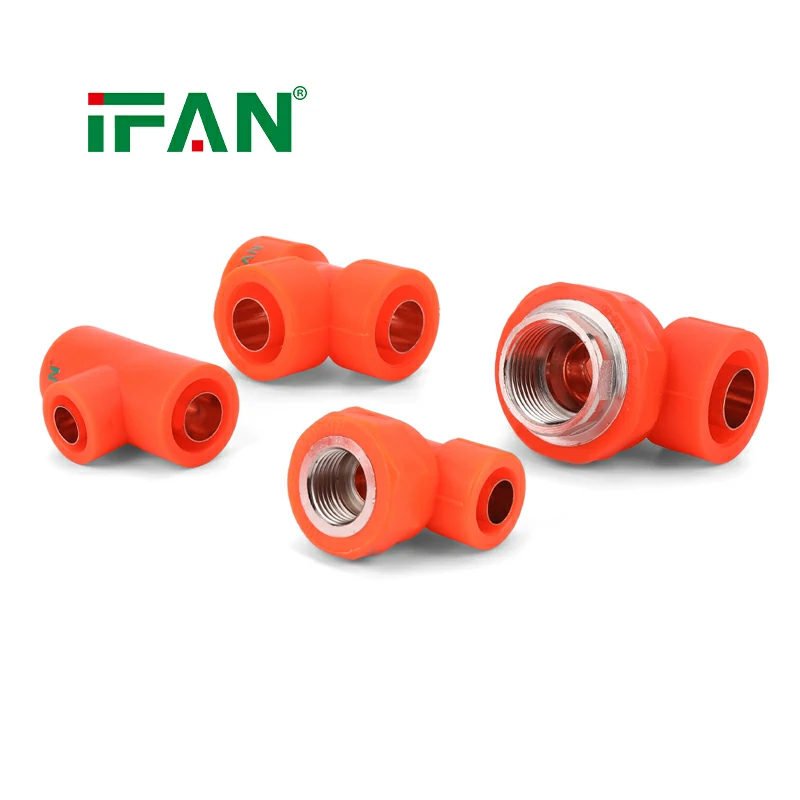
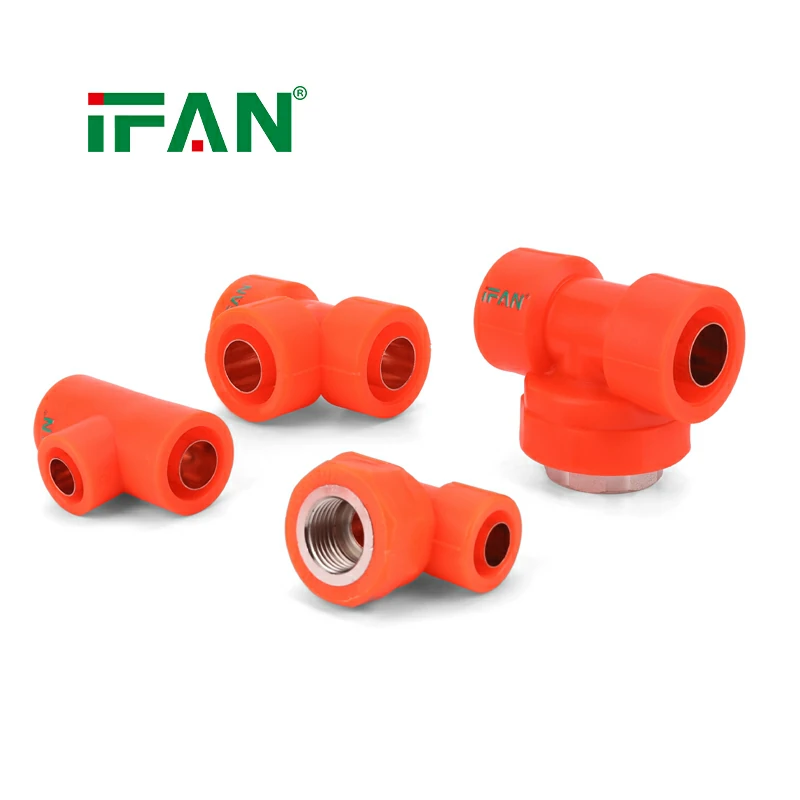
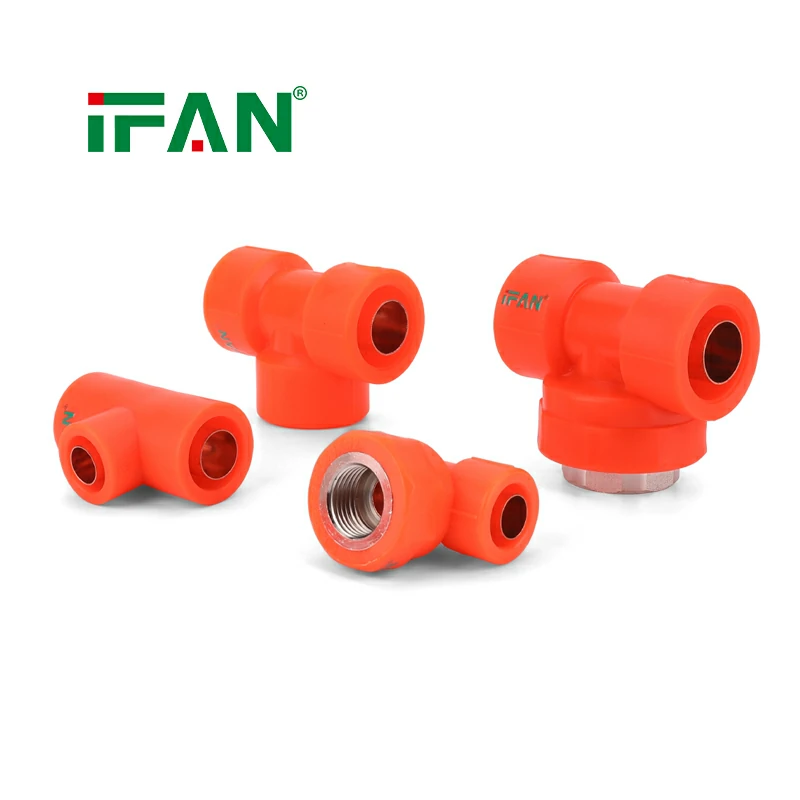
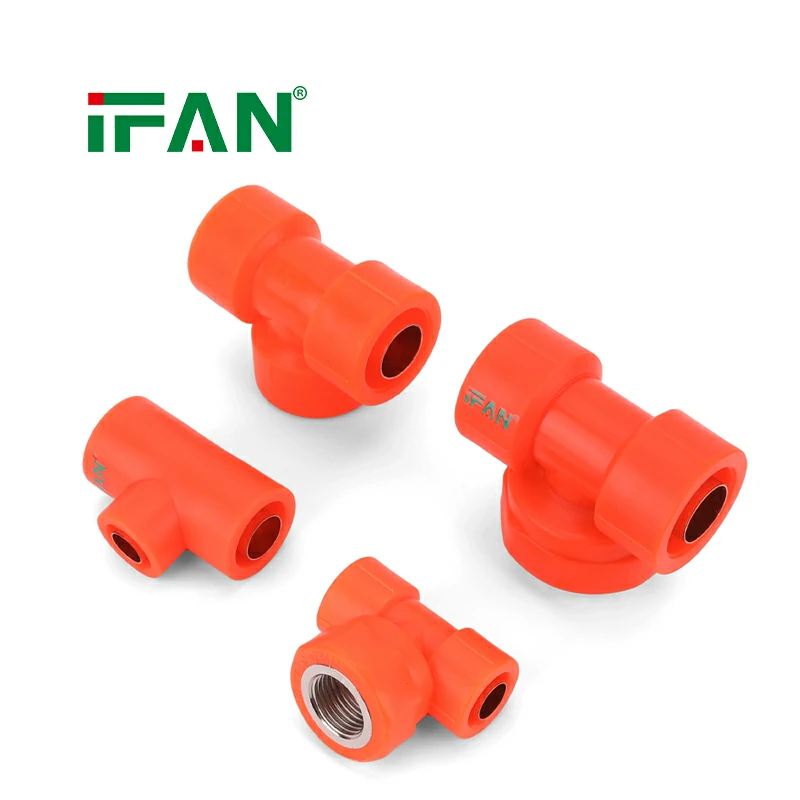
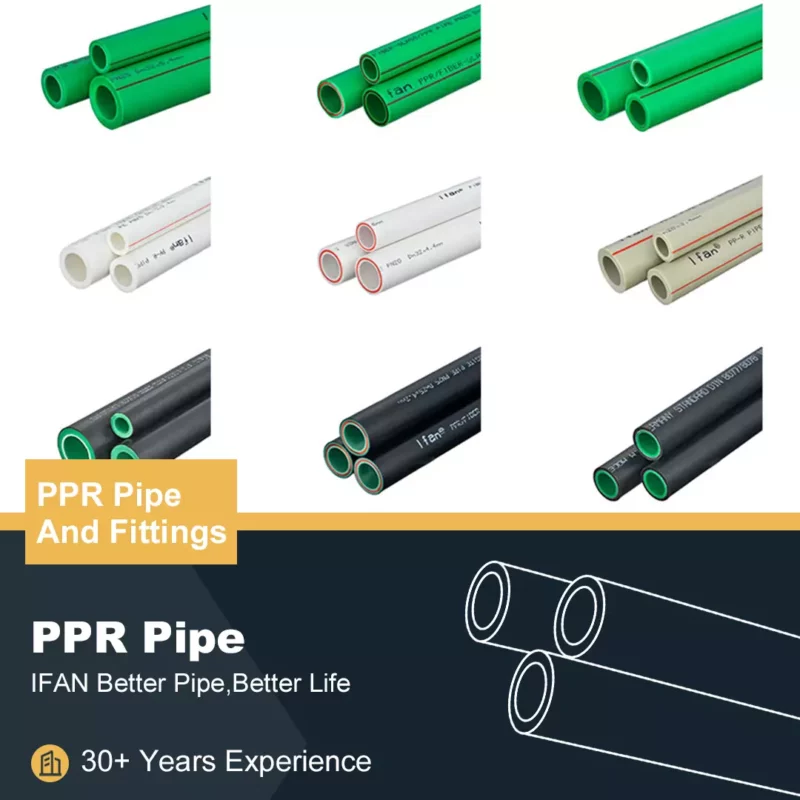
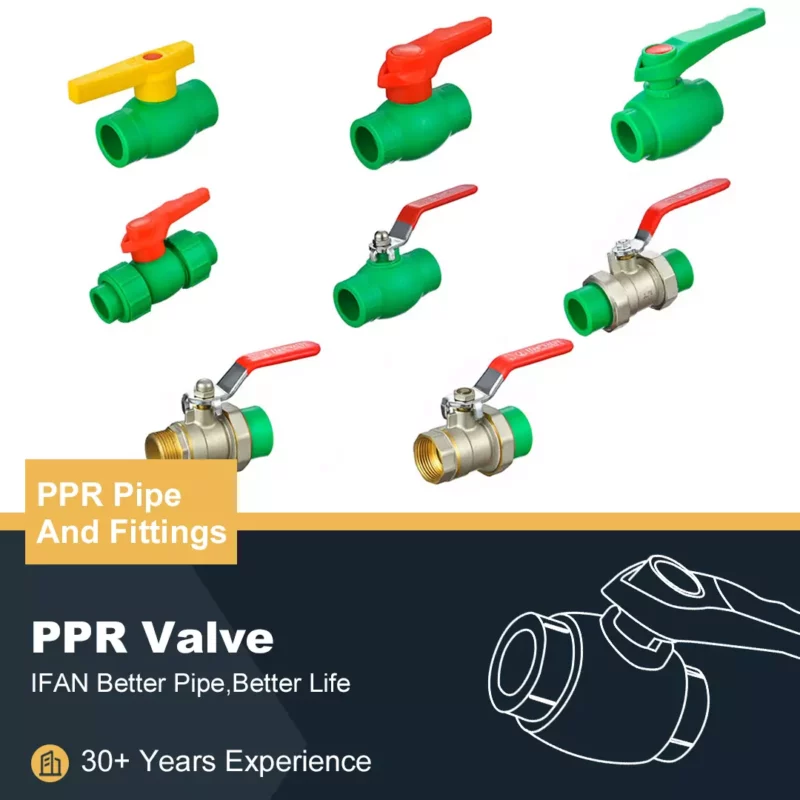
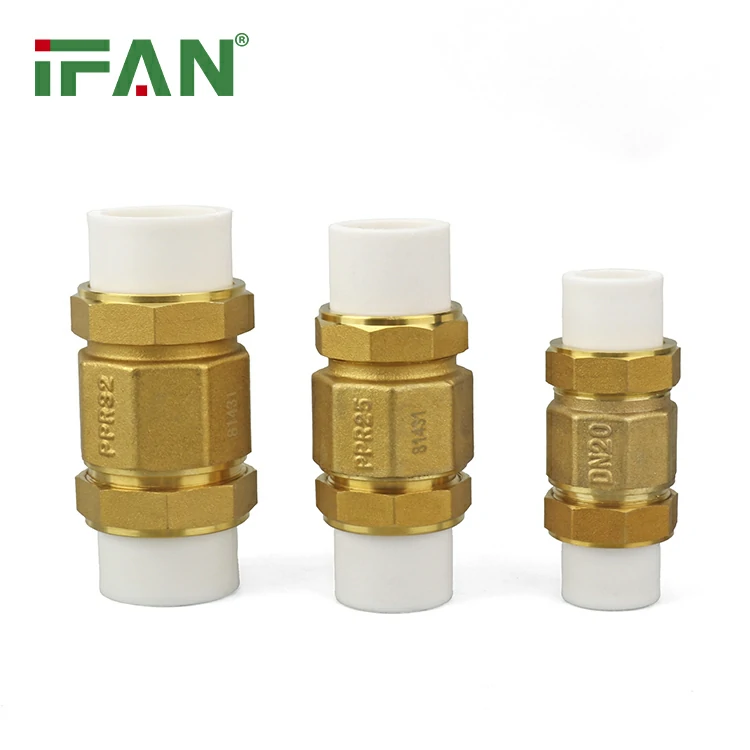
A PPR check valve is a vital component in plumbing and industrial systems, ensuring one-way fluid flow and preventing backflow. Made from polypropylene random copolymer (PPR), it is highly durable, corrosion-resistant, and long-lasting. One of its greatest benefits is its long lifespan, which makes it a cost-effective and reliable choice for water and fluid control systems. This article explores the reasons behind the long lifespan advantages of a PPR check valve, its durability, and its applications across different industries.
Why PPR Check Valves Have a Long Lifespan
A PPR check valve is engineered for long-term operation with minimal maintenance. Its extended service life is due to the material properties, structural integrity, and resistance to environmental factors. Unlike traditional metal valves that corrode or degrade over time, a PPR check valve retains its functionality for decades.
High-Quality PPR Material
PPR check valves are made from polypropylene random copolymer, a material known for its strength, flexibility, and chemical resistance. This composition prevents degradation, ensuring that the valve maintains its performance over time.
Corrosion and Rust Resistance
One of the biggest threats to valve longevity is corrosion, especially in metal valves. A PPR check valve does not rust, oxidize, or react with water, making it ideal for long-term use in various environments.
Smooth Surface for Reduced Wear
The smooth interior surface of a PPR check valve reduces friction and scaling, preventing buildup that could lead to wear and tear. This enhances the valve’s longevity and maintains its efficiency over time.
Resistance to Harsh Conditions
A PPR check valve is designed to withstand extreme conditions, including high temperatures, pressure fluctuations, and aggressive chemicals. These characteristics contribute to its long service life and reliability.
High-Temperature Endurance
A PPR check valve can handle hot water and steam without deforming. Unlike PVC or rubber valves that may weaken over time, PPR check valves maintain their strength in high-temperature environments.
Pressure Resistance
These valves are built to handle high-pressure systems without cracking or leaking. Their robust design ensures long-lasting functionality in water supply, heating, and industrial applications.
Chemical Resistance
A PPR check valve does not degrade when exposed to chemicals, making it suitable for industrial processing, wastewater treatment, and chemical transport. This feature significantly extends its lifespan compared to metal or rubber alternatives.
Low Maintenance Requirements Extend Lifespan
One of the major reasons for the long lifespan of a PPR check valve is its low maintenance requirements. Since it resists corrosion, scaling, and mechanical wear, it requires fewer repairs and replacements.
No Lubrication Needed
Unlike metal valves that need regular lubrication to function smoothly, a PPR check valves operates efficiently without additional treatments. This reduces wear on internal components and extends its lifespan.
Minimal Cleaning Required
Due to its smooth interior, a PPR check valves prevents debris buildup, reducing the need for frequent cleaning. This feature contributes to its long-term durability and efficiency.
Leak-Proof Performance
A PPR check valve features a tight-sealing mechanism that prevents leaks over time. This ensures consistent operation without the risk of failure due to water leakage or pressure loss.
Cost Savings from a Long Lifespan
The extended service life of a PPR check valves leads to significant cost savings in various industries. Businesses and homeowners benefit from lower replacement costs, reduced maintenance expenses, and improved system efficiency.
Lower Replacement Costs
Since PPR check valves last for decades, they do not need to be replaced as often as metal or rubber valves. This reduces material costs and labor expenses associated with replacements.
Reduced Downtime
Industries that rely on continuous fluid flow benefit from the long lifespan of PPR check valves. Their durability ensures fewer system failures, leading to less downtime and higher productivity.
Energy Efficiency
With minimal friction and reduced resistance, a PPR check valves ensures smooth fluid movement, requiring less energy for pumping. This contributes to long-term cost savings in large-scale operations.
Industries That Benefit from Long-Lasting PPR Check Valves
The long lifespan advantages of PPR check valves make them ideal for various applications. Industries that require reliable, durable, and low-maintenance fluid control systems prefer PPR check valves.
1. Residential and Commercial Plumbing
A PPR check valves is widely used in water supply systems to prevent contamination and backflow. Its long service life ensures years of trouble-free operation in homes, offices, and apartment complexes.
2. Industrial Water Systems
Manufacturing plants and processing facilities require durable check valves to maintain continuous water and fluid circulation. The long lifespan of PPR check valves helps reduce maintenance costs in these industries.
3. HVAC and Heating Systems
A PPR check valves is essential in hot water circulation and heating systems, where it prevents pressure loss and ensures system efficiency. Its ability to withstand high temperatures extends its lifespan in HVAC applications.
4. Agricultural Irrigation
Farmers use PPR check valves in irrigation pipelines to maintain efficient water distribution. Their resistance to chemicals, UV exposure, and pressure fluctuations makes them a reliable long-term solution.
5. Chemical Processing Plants
Since PPR check valves resist chemical corrosion, they are preferred in chemical transport and processing industries. Their extended service life reduces downtime and operational costs.
Comparing PPR Check Valves to Other Valve Materials
| Feature | PPR Check Valve | Metal Check Valve | PVC Check Valve |
|---|---|---|---|
| Lifespan | 50+ years | 20-30 years | 10-20 years |
| Corrosion Resistance | Excellent | Low | Moderate |
| Maintenance Needs | Low | High | Medium |
| Temperature Tolerance | High | High | Low |
| Chemical Resistance | Excellent | Low | Medium |
How to Maximize the Lifespan of a PPR Check Valve
Although PPR check valves are designed for long-term durability, proper handling and installation can further extend their lifespan.
1. Ensure Correct Installation
Follow manufacturer guidelines to install the PPR check valve in the correct flow direction. Improper installation can lead to unnecessary strain and reduced efficiency.
2. Avoid Excessive Pressure
While PPR check valves handle high-pressure systems, extreme pressure fluctuations can affect longevity. Use pressure regulators if necessary.
3. Periodic Inspections
Perform occasional visual inspections to check for leaks, cracks, or blockages. While PPR check valves require minimal maintenance, routine checks help ensure optimal performance.
4. Clean Only When Necessary
Since PPR check valves resist buildup, frequent cleaning is unnecessary. However, in hard water areas, occasional flushing can help maintain efficiency.
Conclusion
A PPR check valve offers significant long lifespan advantages, making it a reliable and cost-effective solution for fluid control systems. Its corrosion resistance, durability, and minimal maintenance requirements ensure decades of efficient operation. Whether used in plumbing, industrial systems, HVAC, or irrigation, a PPR check valve provides consistent performance with reduced operational costs. Its extended service life makes it an ideal choice for modern infrastructure and fluid management applications.
If you have read this article and have any questions, please feel free to contact IFAN. Below is our contact information:
Whatsapp:+86 13373827623
Email:[email protected]