


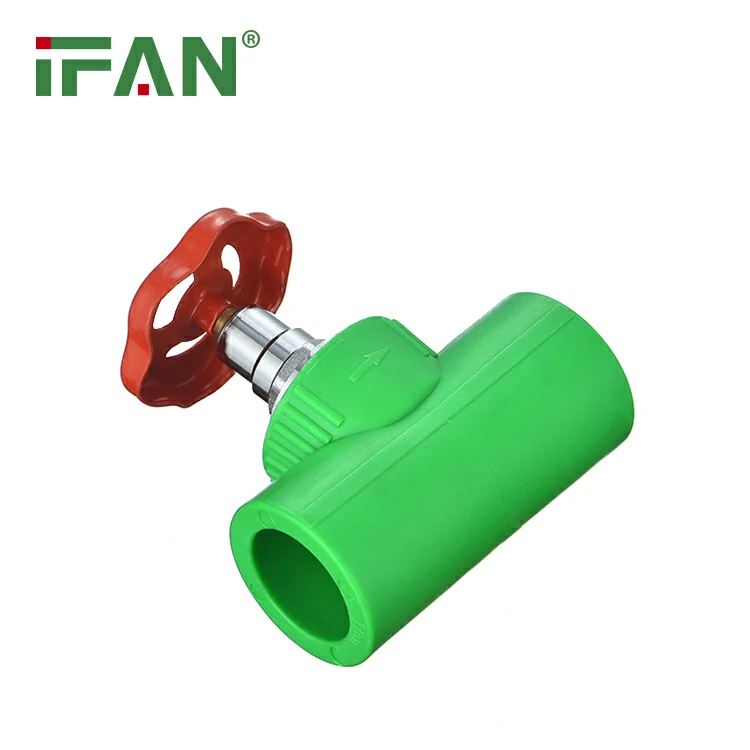
Introduction
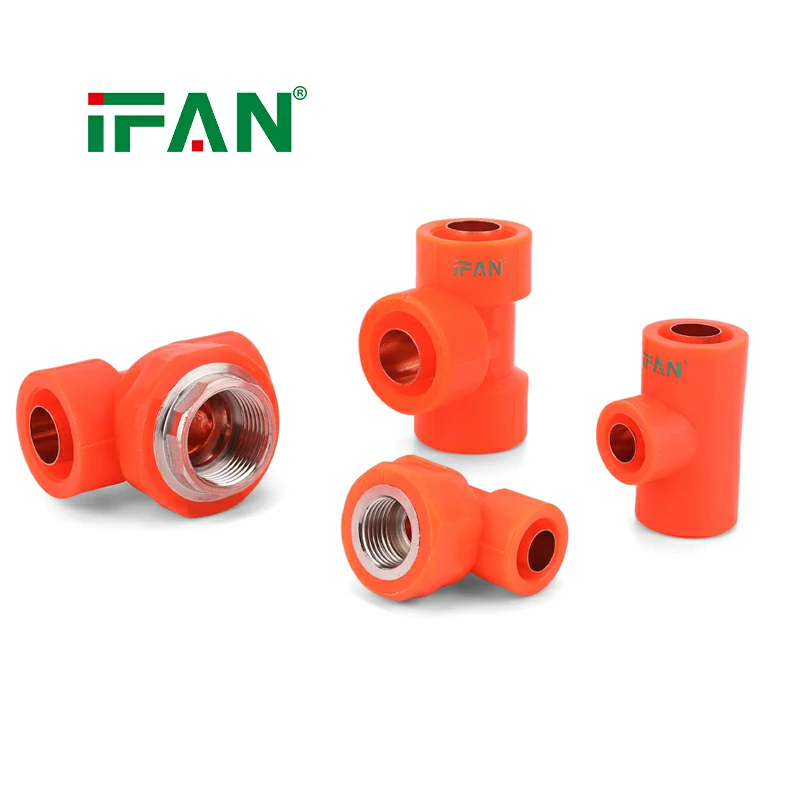
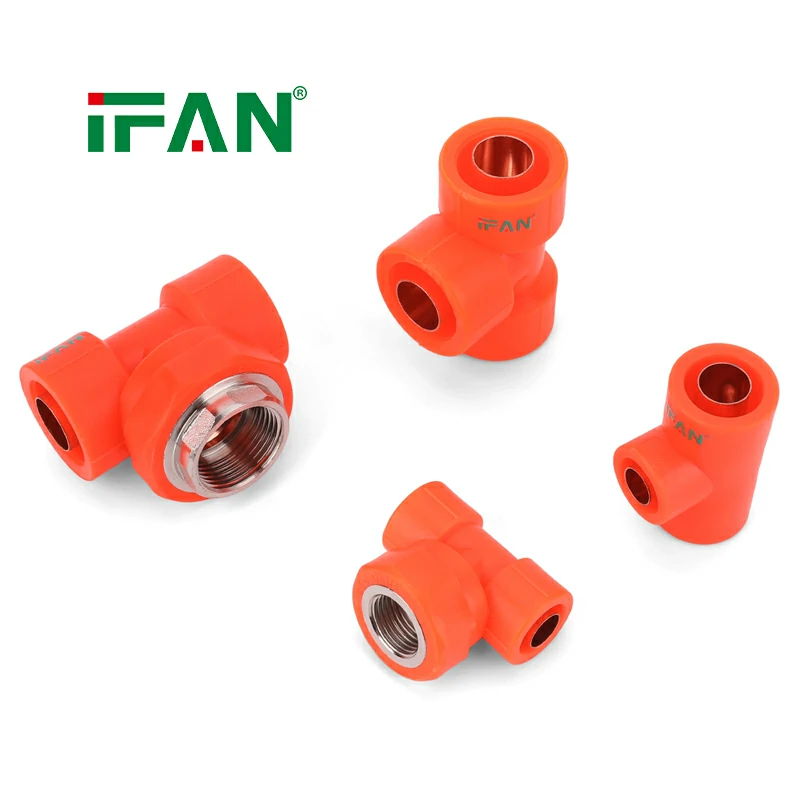
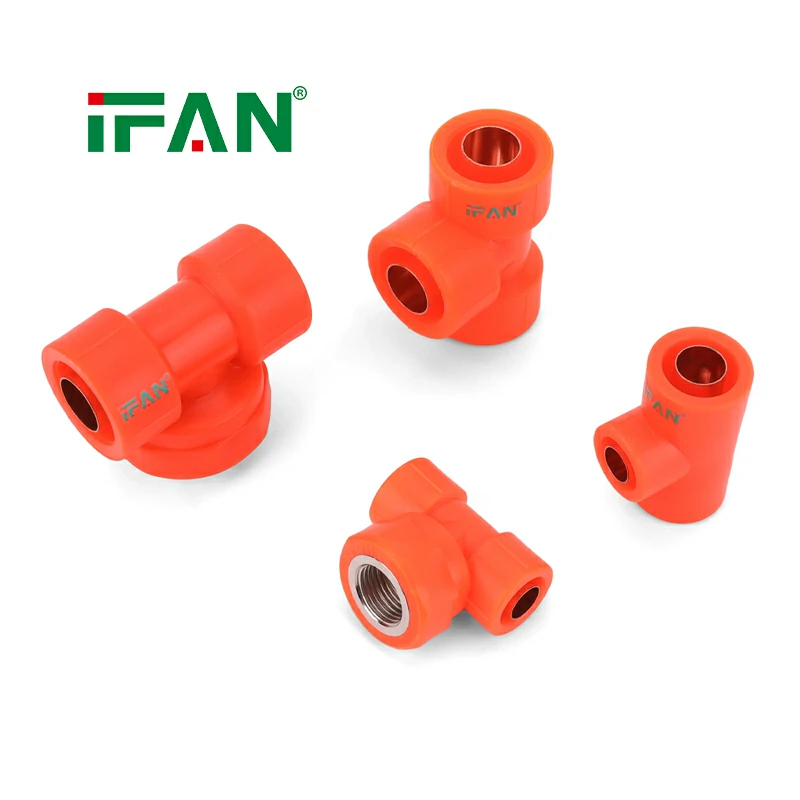
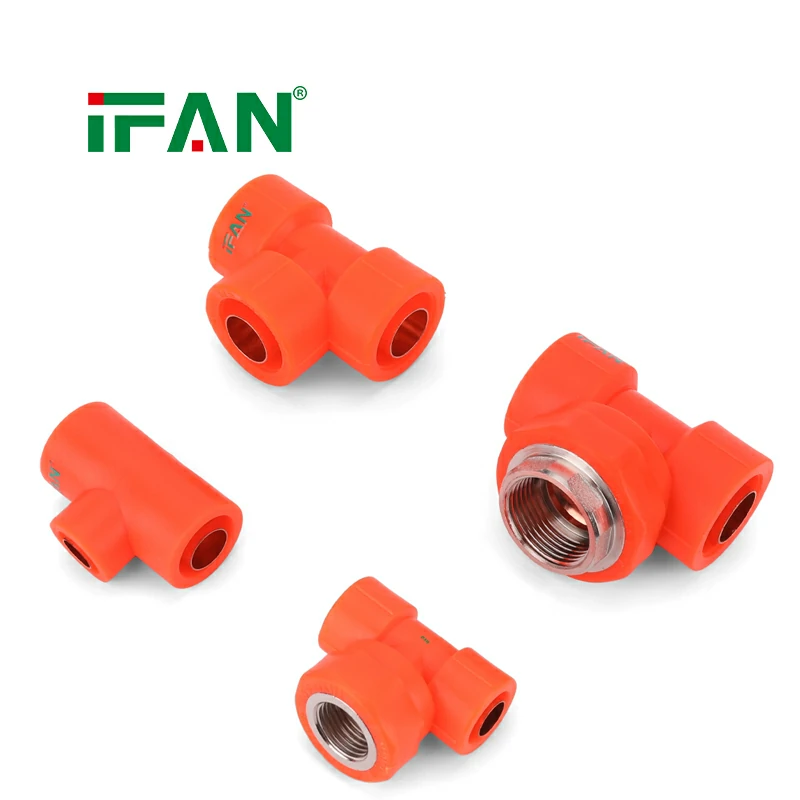
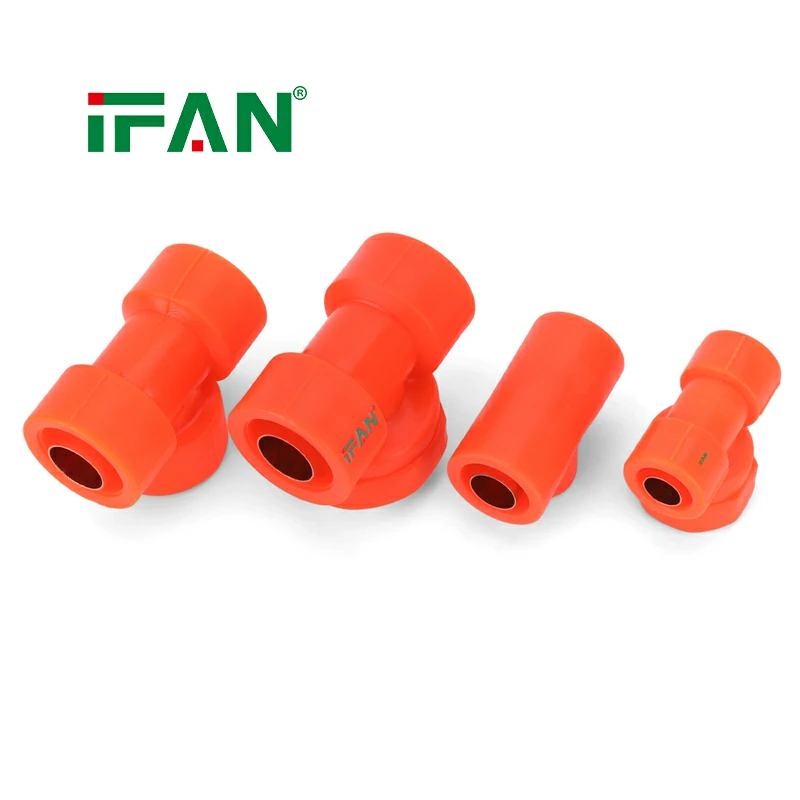
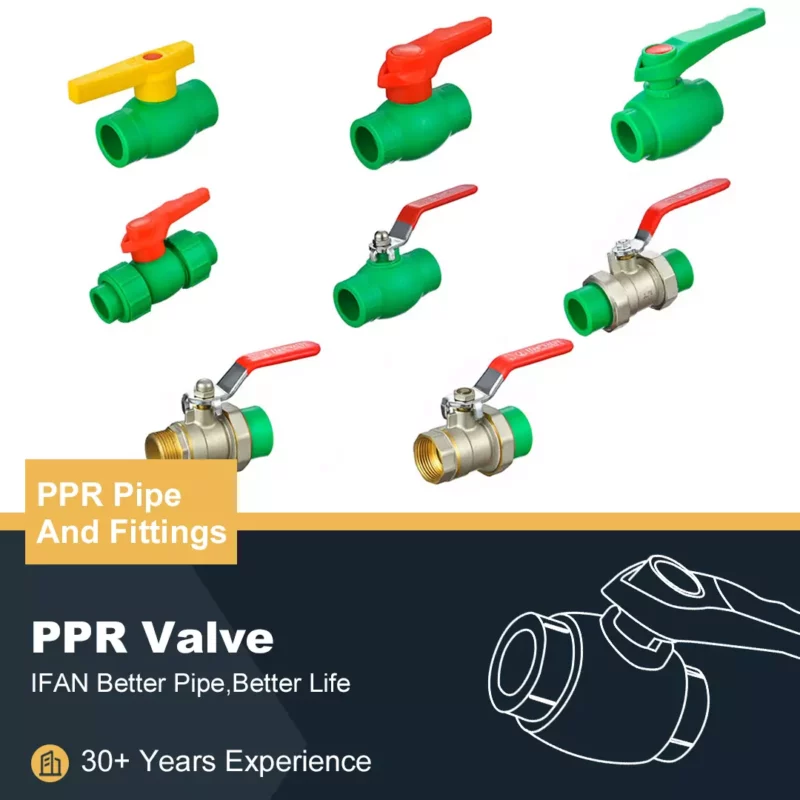
A PPR stop valve is an essential plumbing component known for its durability, efficiency, and ease of use. One of its key advantages is its lightweight and portable design. Unlike metal valves, a PPR stop valve is easy to handle, transport, and install. Its lightweight nature reduces labor efforts and makes it ideal for various plumbing applications. This article explores the benefits of a PPR stop valve in terms of weight, portability, and ease of installation.
Lightweight Design for Easy Handling
A PPR stop valve is significantly lighter than metal alternatives. Metal valves, such as brass or steel, are heavy and require additional labor for installation. In contrast, a PPR stop valve can be carried and installed with minimal effort. This makes it a preferred choice for residential, commercial, and industrial plumbing projects. Its lightweight design also reduces transportation costs, making it more economical.
Reduced Installation Effort
Due to its lightweight nature, a PPR stop valves is easier to install than metal valves. It does not require heavy lifting or specialized equipment. Installers can handle it comfortably, reducing physical strain. This simplifies the installation process and increases efficiency. The reduced weight also lowers the risk of workplace injuries related to heavy plumbing components.
Portability Enhances Convenience
A PPR stop valves is portable and easy to move around construction sites. Plumbers can carry multiple valves without difficulty, improving workflow efficiency. Unlike heavy metal valves that require lifting tools, a PPR stop valves can be transported by hand. This makes it ideal for large-scale projects where quick access to materials is essential.
Easy Transportation and Storage
Transporting plumbing materials can be challenging, especially with heavy metal valves. A PPR stop valves takes up less space and adds minimal weight to shipments. This reduces fuel costs and simplifies logistics. Storage is also more convenient, as PPR stop valves can be stacked or stored without requiring reinforced shelving. This makes inventory management easier for suppliers and contractors.
Simplified Installation Process
A PPR stop valves does not require complex tools for installation. Metal valves often need welding, threading, or sealing compounds. A PPR stop valve uses a heat fusion process, which is quick and efficient. The lightweight material allows for easy alignment, reducing installation errors. This results in a faster and more reliable plumbing system.
Reduced Labor Costs
Since a PPR stop valve is easier to handle, installation requires less manpower. Heavy metal valves often need multiple workers for positioning and securing. A PPR stop valves can be installed by a single worker with minimal effort. This lowers labor costs and makes plumbing projects more cost-effective.
Ideal for DIY Plumbing Projects
Homeowners and DIY enthusiasts benefit from the lightweight design of a PPR stop valves. Unlike metal valves that require professional handling, a PPR stop valve can be installed with basic training. This makes it a popular choice for home renovations, repairs, and small plumbing upgrades. Its user-friendly nature encourages self-installation, saving time and money.
Perfect for Temporary Plumbing Systems
A PPR stop valves is ideal for temporary plumbing setups due to its portability. Construction sites, outdoor events, and emergency water supply systems benefit from its easy transport and quick installation. Once the system is no longer needed, the PPR stop valves can be removed and reused in another location.
Durability Despite Lightweight Structure
Despite being lightweight, a PPR stop valves is highly durable. It withstands high pressure and temperature variations without cracking or deforming. Its strength ensures long-term performance, making it a reliable choice for different plumbing applications. The combination of lightweight design and durability enhances its usability in various environments.
No Heavy Equipment Required
Traditional metal valves often require special lifting tools for transportation and installation. A PPR stop valves eliminates the need for such equipment. This simplifies the installation process and reduces costs. Contractors can complete plumbing projects more efficiently without investing in expensive handling tools.
Suitable for Overhead and Vertical Installations
Overhead plumbing installations can be difficult with heavy metal valves. A PPR stop valves is lightweight, making it easier to install in ceiling-mounted or vertical systems. Plumbers can handle it comfortably without requiring additional support. This makes it a practical choice for multi-story buildings and industrial piping systems.
Better Mobility for Maintenance and Repairs
Maintenance and repair work often require replacing or adjusting valves. A PPR stop valves is easy to remove and reposition due to its lightweight nature. Plumbers can quickly access and replace it without dealing with heavy components. This reduces downtime in water supply systems and improves maintenance efficiency.
Cost Savings in Large-Scale Installations
Large plumbing projects require numerous valves, increasing overall weight and transportation costs. A PPR stop valves helps reduce these expenses due to its lightweight structure. Contractors save money on shipping, handling, and labor. This makes it an economical solution for large-scale plumbing installations in commercial and industrial buildings.
Less Strain on Plumbing Systems
A PPR stop valve exerts less weight on connected pipes. Metal valves add significant load, which may strain plumbing structures over time. The lightweight design of a PPR stop valve reduces stress on joints and connections. This extends the lifespan of the entire plumbing system and prevents premature failures.
Eco-Friendly and Energy-Efficient
Since a PPR stop valve is lightweight, it requires less energy for transportation and installation. Reduced fuel consumption in transportation lowers the carbon footprint of plumbing projects. Additionally, PPR stop valves are recyclable, supporting sustainable construction practices. This makes them an environmentally friendly alternative to metal valves.
Versatile Applications
A PPR stop valve is suitable for various applications due to its lightweight and portable design. It is used in residential homes, commercial buildings, industrial facilities, and temporary plumbing systems. Its versatility makes it a practical choice for different plumbing needs. Whether used in high-rise buildings or mobile water supply units, a PPR stop valve delivers reliable performance.
Conclusion
A PPR stop valve offers significant advantages due to its lightweight and portable design. It simplifies handling, reduces installation time, and lowers labor costs. Unlike heavy metal valves, it is easy to transport, store, and install. Despite its lightweight structure, it remains durable and reliable for long-term use. Whether for residential, commercial, or industrial applications, a PPR stop valve provides a practical and cost-effective plumbing solution.
If you have read this article and have any questions, please feel free to contact IFAN. Below is our contact information:
Whatsapp:+86 13373827623
Email:[email protected]