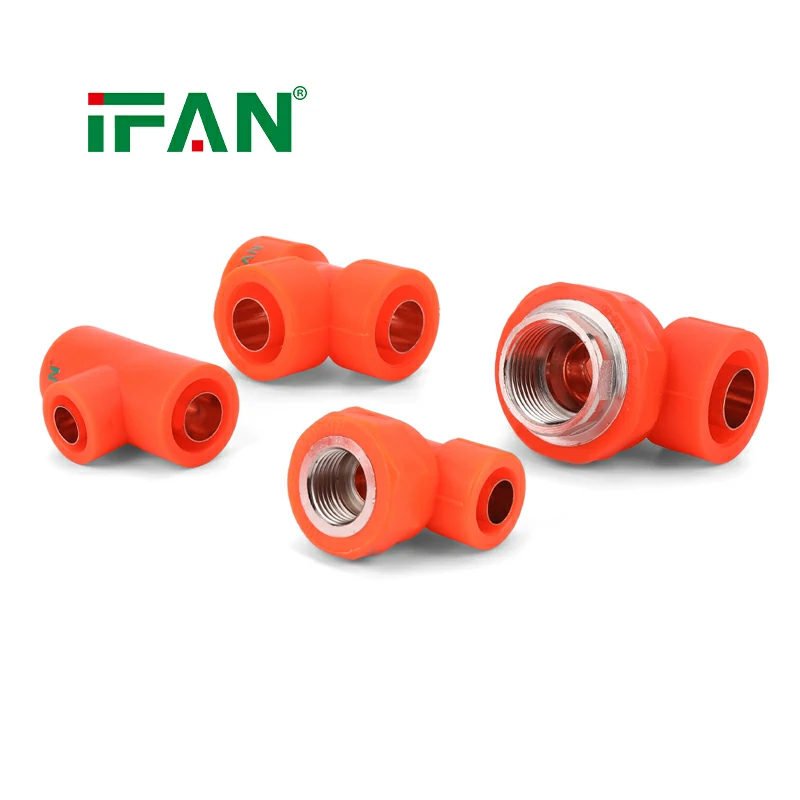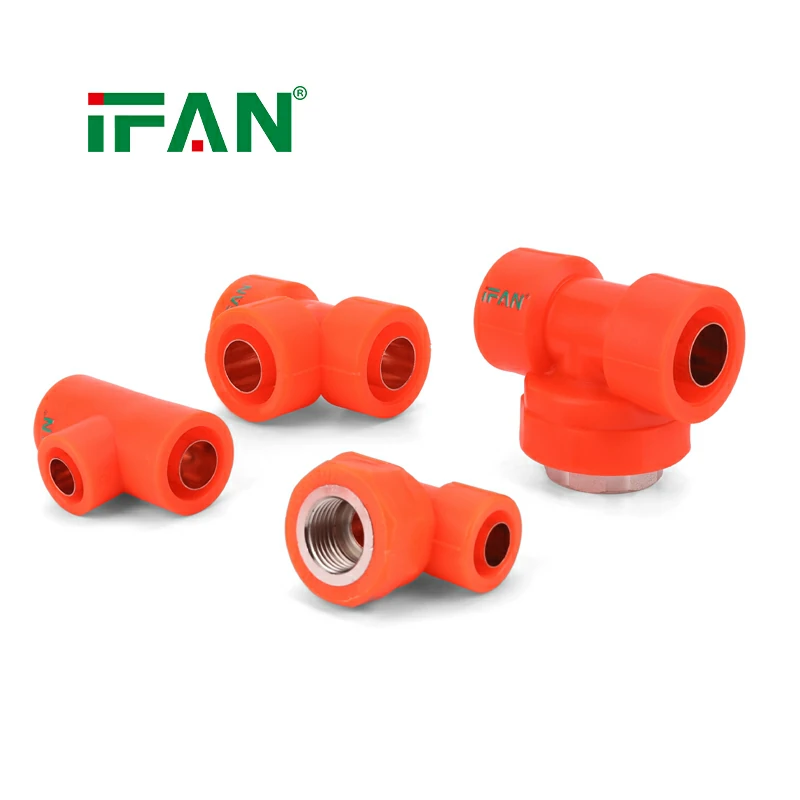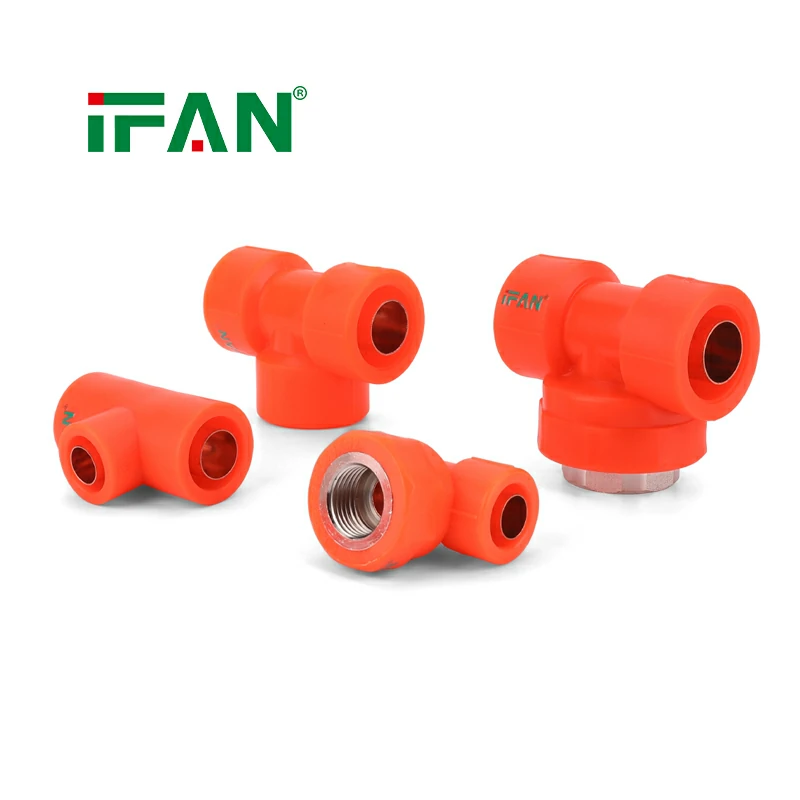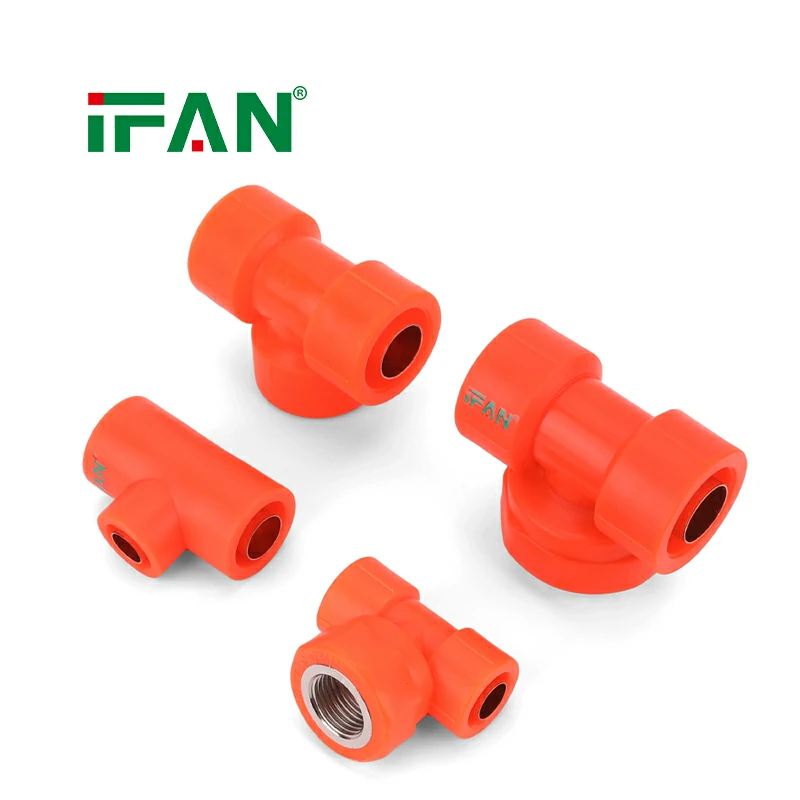


Introduction
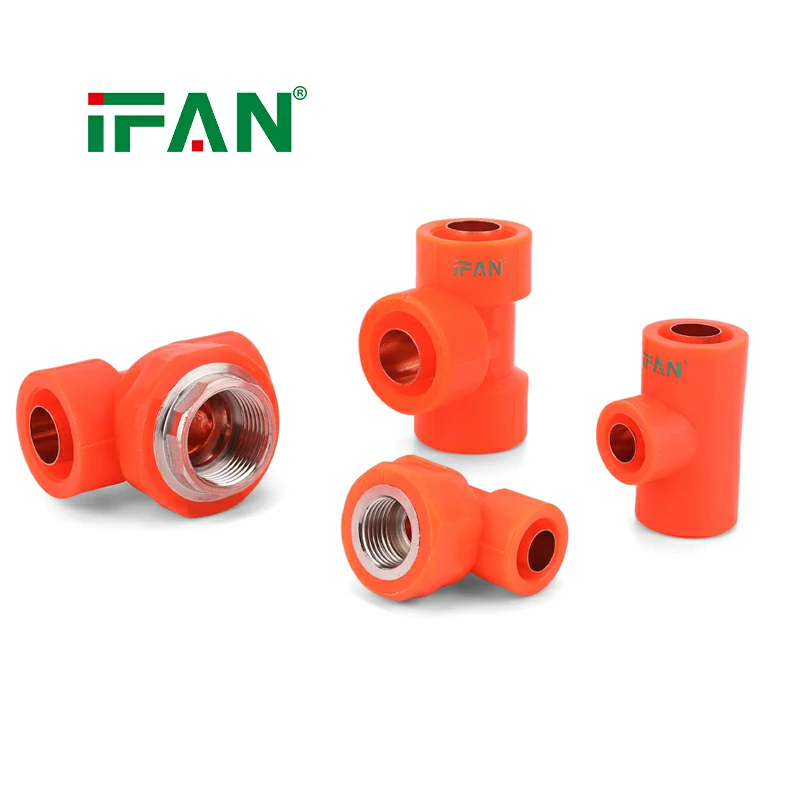
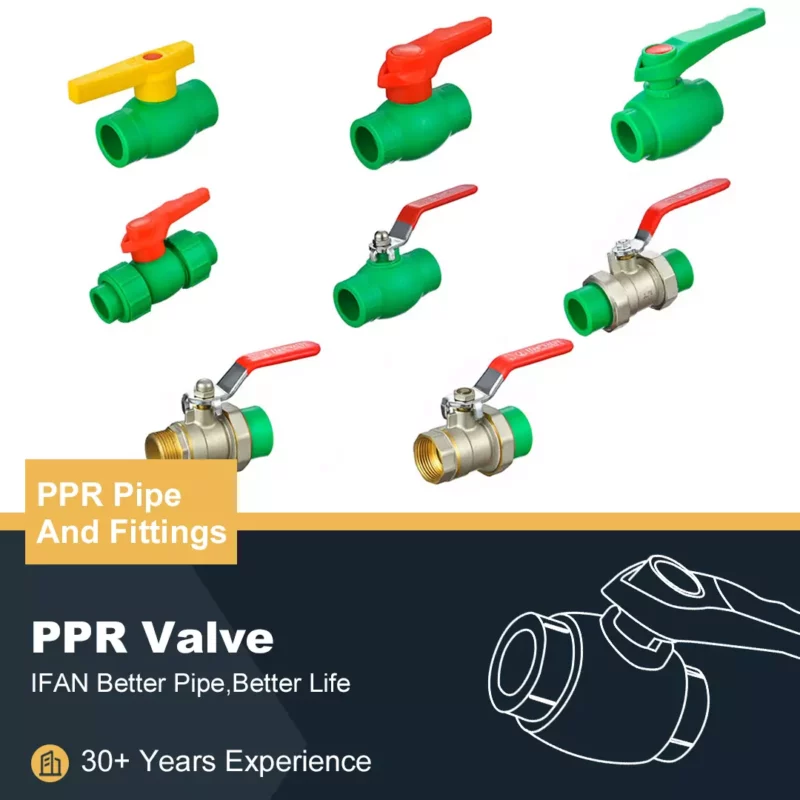
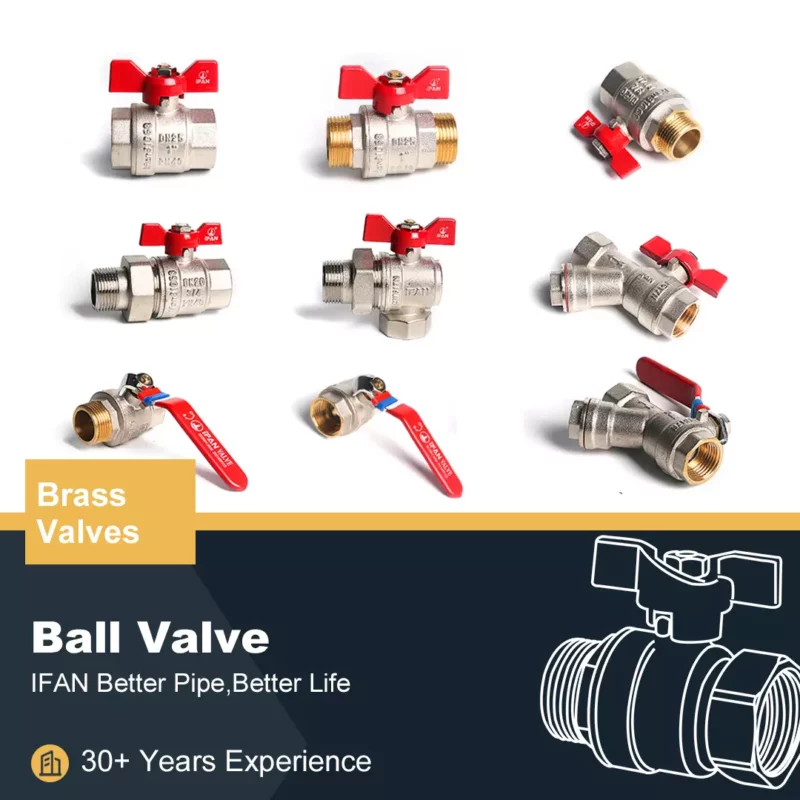
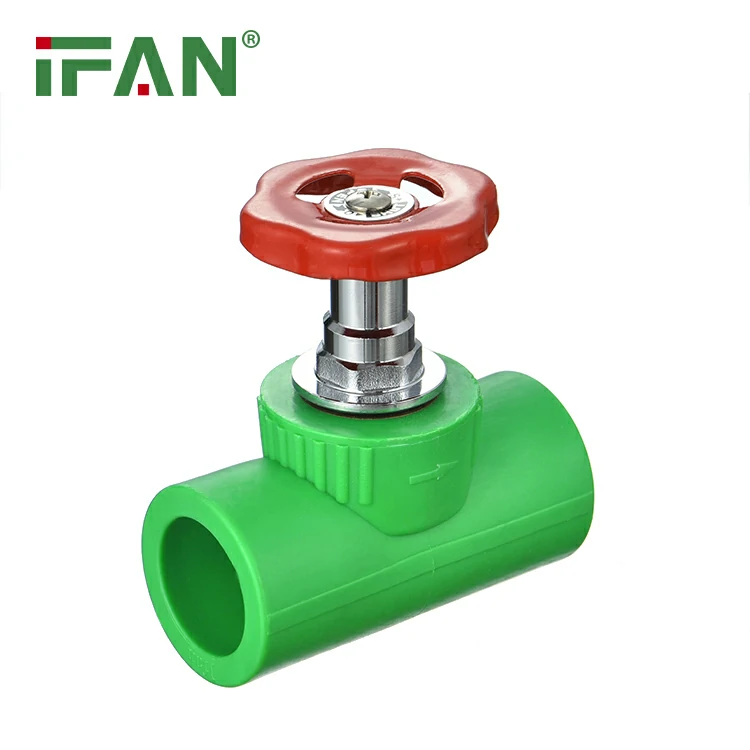
A PPR stop valve is an essential component in modern plumbing systems. It controls the flow of water efficiently while offering excellent durability. One of its most important benefits is corrosion resistance. Unlike metal valves, a PPR stop valve does not rust, degrade, or weaken over time. This article explores the corrosion resistance features of a PPR stop valves, highlighting its advantages for residential, commercial, and industrial applications.
What Causes Corrosion in Plumbing Systems?
Corrosion occurs when metal pipes and valves react with water, air, or chemicals. This reaction weakens the material, leading to leaks and failures. Metal stop valves, especially those made from iron or steel, are prone to rust. Even brass and copper valves can corrode due to chemical exposure. A PPR stop valves, made from Polypropylene Random Copolymer, resists these reactions. This makes it a superior choice for long-lasting plumbing systems.
Non-Metallic Material Prevents Rust Formation
Rust is a major issue in plumbing systems using metal valves. It weakens the structure and affects water quality. A PPR stop valve is completely non-metallic, eliminating the risk of rust. This ensures long-term reliability and clean water flow. Homes and businesses benefit from rust-free plumbing solutions, reducing maintenance and repair costs.
Resistance to Chemical Reactions
Plumbing systems often come into contact with various chemicals. Cleaning agents, disinfectants, and industrial fluids can accelerate corrosion in metal valves. A PPR stop valves is chemically resistant, preventing degradation from chemical exposure. This feature makes it ideal for industries that require chemical-resistant plumbing components.
No Electrochemical Corrosion Issues
Metal valves are prone to electrochemical corrosion when different metals interact in a plumbing system. This type of corrosion weakens connections and leads to leaks. A PPR stop valves eliminates this risk because it is made entirely from polymer material. This ensures stable and long-lasting performance in mixed plumbing systems.
Prevention of Mineral Buildup
Metal valves can accumulate mineral deposits over time, restricting water flow. Hard water accelerates this problem, leading to clogging and reduced efficiency. A PPR stop valves has a smooth internal surface that resists mineral buildup. This ensures consistent water pressure and reduces the need for frequent cleaning or descaling.
Durability in Harsh Environments
A PPR stop valves performs well in harsh environments where metal valves would degrade. High humidity, saltwater exposure, and chemical-rich atmospheres accelerate corrosion in metal components. The corrosion-resistant nature of a PPR stop valves makes it ideal for use in such conditions. Coastal areas, chemical plants, and wastewater systems benefit from this durability.
Longer Lifespan Reduces Replacement Costs
Corroded metal valves need frequent replacement, increasing maintenance costs. A PPR stop valves lasts significantly longer due to its corrosion resistance. This reduces the need for repairs and replacements, saving money over time. Plumbing systems remain efficient and functional with minimal maintenance.
No Impact on Water Quality
Metal corrosion can contaminate drinking water with rust particles and metallic taste. A PPR stop valves does not release harmful substances into the water. It ensures safe and clean water supply, making it suitable for residential and commercial plumbing systems. Schools, hospitals, and food industries benefit from its non-toxic properties.
Compatibility with Various Water Types
A PPR stop valves works efficiently with different types of water. Whether used in soft water, hard water, or treated water systems, it maintains its integrity. Metal valves often corrode faster in hard water due to high mineral content. The PPR stop valves resists this damage, ensuring reliable long-term performance.
No Internal Corrosion Issues
Metal valves corrode from the inside due to continuous water exposure. This weakens their structure and leads to unexpected failures. A PPR stop valve is immune to internal corrosion, maintaining consistent functionality. This reliability makes it an ideal choice for high-pressure and high-temperature applications.
Reduced Maintenance and Repair Needs
Regular maintenance is necessary for metal valves to prevent corrosion-related failures. Cleaning, lubrication, and replacement of corroded parts increase maintenance costs. A PPR stop valves requires minimal upkeep due to its corrosion-resistant nature. This reduces maintenance efforts and ensures hassle-free operation for years.
Ideal for Underground and Concealed Installations
Underground plumbing systems are exposed to moisture, soil chemicals, and varying temperatures. Metal valves corrode faster in such environments, leading to leaks. A PPR stop valves withstands underground conditions without degrading. It is also ideal for concealed plumbing installations, where maintenance access is limited.
Resistant to High-Temperature Corrosion
Some metal valves corrode faster when exposed to high temperatures. Heating systems and industrial applications require components that can handle heat without degrading. A PPR stop valves resists high-temperature corrosion, making it suitable for hot water distribution and industrial fluid systems.
Prevents Bacterial Growth
Corroded metal surfaces create an environment for bacterial growth. This is a major concern in drinking water systems. A PPR stop valve has a non-porous surface that prevents bacteria from settling. This ensures hygienic water supply, making it ideal for healthcare and food processing industries.
No External Corrosion Damage
External corrosion weakens metal valves exposed to air, moisture, and pollutants. This is common in outdoor plumbing systems and industrial environments. A PPR stop valve remains unaffected by external factors, ensuring long-term structural integrity. It is a reliable choice for outdoor and exposed plumbing installations.
Eco-Friendly and Sustainable Choice
Corrosion-resistant valves reduce waste and environmental impact. A PPR stop valve is made from recyclable material, supporting sustainability efforts. Unlike corroded metal valves that require frequent disposal, a PPR stop valve lasts longer and reduces resource consumption. This makes it an eco-friendly plumbing solution.
Suitable for Specialized Applications
A PPR stop valve is used in various specialized industries that require corrosion resistance. Chemical plants, marine systems, and wastewater treatment facilities benefit from its durability. It ensures reliable operation in environments where metal valves would fail.
Conclusion
A PPR stop valve offers exceptional corrosion resistance, making it a superior choice over metal alternatives. It prevents rust, chemical damage, and mineral buildup, ensuring long-term reliability. With no risk of electrochemical reactions, bacterial growth, or water contamination, a PPR stop valve provides clean and safe plumbing solutions. Its durability reduces maintenance, repair, and replacement costs, making it a cost-effective option. Whether used in residential, commercial, or industrial applications, a PPR stop valve guarantees reliable performance and extended service life.
If you have read this article and have any questions, please feel free to contact IFAN. Below is our contact information:
Whatsapp:+86 13373827623
Email:[email protected]