
Introduction
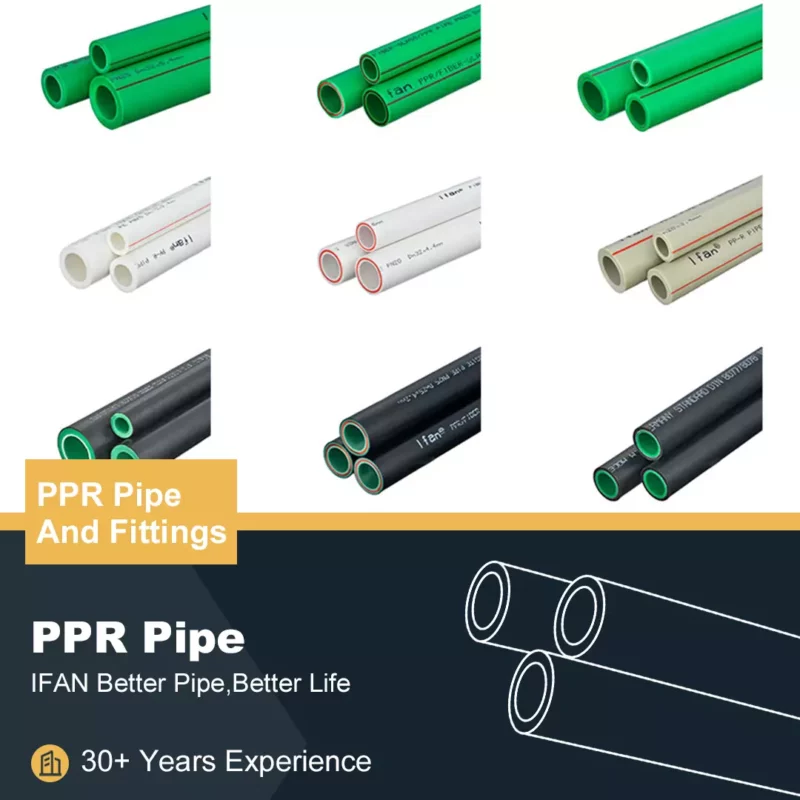
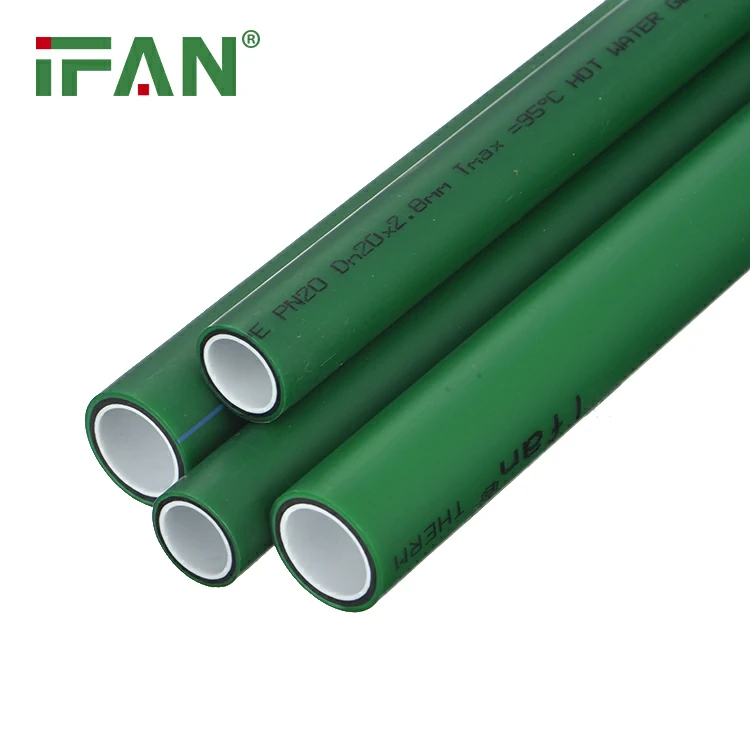
PPR (Polypropylene Random Copolymer) pipes are known for their remarkable longevity in various plumbing, heating, and industrial applications. Unlike traditional metal or PVC pipes, PPR pipes are resistant to corrosion, chemical damage, and physical wear, which makes them highly durable. This article explains the factors contributing to the long lifespan of PPR pipes and the advantages of choosing them for long-term use.
High Resistance to Corrosion
One of the primary reasons for the longevity of PPR pipe is their resistance to corrosion. Metal pipes, such as copper or steel, are susceptible to rust and oxidation when exposed to water and air. Over time, this corrosion weakens the pipes and reduces their efficiency. PPR pipe, however, are immune to corrosion, even in the presence of water, moisture, or chemicals. This resistance ensures they maintain their structural integrity and functionality for decades.
Chemical Resistance
PPR pipes are highly resistant to a wide range of chemicals, making them ideal for both residential and industrial applications. Chemical corrosion can rapidly degrade metal pipes, leading to leaks or failure. PPR pipe, however, can transport chemicals, acids, and alkalis without suffering from material degradation. This makes them perfect for environments where exposure to harsh chemicals is common, extending the pipe’s useful life.
Smooth Interior Surface
The smooth interior surface of PPR pipe is another reason for their longevity. The inner walls of metal pipes often develop rough patches and mineral build-ups over time, which can obstruct water flow. PPR pipe, however, have a smooth finish that prevents such build-up. This smoothness not only ensures consistent flow but also prevents any pressure loss or blockages, contributing to their long-term performance.
Resistance to Scaling
In hot water systems, mineral deposits can accumulate inside pipes, forming scale that reduces flow efficiency. PPR pipes are highly resistant to scaling due to their smooth surface and the material’s non-reactive nature. This resistance prevents the formation of scale, ensuring that the pipes maintain their efficiency and longevity. As a result, PPR pipe require far less maintenance and have a significantly longer service life than traditional metal pipe.
High-Temperature Resistance
PPR pipe are designed to withstand high temperatures without deteriorating. They can handle hot water up to 95°C (203°F) without losing their structural integrity. In contrast, metal pipes, which are often prone to warping or weakening when exposed to high heat, can fail under such conditions. PPR pipe’ ability to resist heat ensures they remain stable and effective in both hot water and heating systems, which extends their lifespan significantly.
Low Thermal Expansion
Thermal expansion occurs when materials expand due to changes in temperature. Metal pipes, for instance, expand and contract with temperature fluctuations, which can lead to cracks and leaks over time. PPR pipes have a low coefficient of thermal expansion, meaning they expand and contract less than metal pipes. This property reduces the risk of pipe damage due to temperature changes, enhancing their overall longevity.
Durability in Harsh Environments
PPR pipes are highly durable in various environmental conditions. Whether exposed to moisture, sunlight, or extreme temperatures, PPR pipes maintain their performance. Metal pipes, on the other hand, are more vulnerable to environmental factors, such as rusting when exposed to moisture or UV degradation when exposed to sunlight. PPR pipes’ ability to withstand these environmental stresses ensures their longevity in a variety of settings, from residential plumbing to industrial applications.
Resistance to Impact Damage
PPR pipes are designed to be tough and resistant to physical damage. Unlike metal pipes, which can dent or crack under impact, PPR pipes are flexible and can absorb minor impacts without breaking. This makes them ideal for construction sites and installations in areas where physical damage is more likely. Their ability to withstand physical stress contributes to their long lifespan and makes them a durable option for both indoor and outdoor applications.
High Mechanical Strength
PPR pipes possess high mechanical strength, which enables them to handle high pressures without cracking or deforming. In plumbing systems, where pressure fluctuations are common, PPR pipes maintain their structural integrity over time. Their ability to withstand mechanical stress ensures that they can endure high-pressure water systems, hot water systems, and even industrial fluid transport systems without failure.
Reliable Joint Connections
PPR pipes use heat fusion technology to create permanent, leak-proof joints. This method of joining eliminates the risk of weak spots, which are often found in traditional pipe fittings like threaded or soldered joints. These weak spots can be points of failure over time, leading to leaks or system breakdowns. The reliable joints of PPR pipes reduce the risk of leakage, extending the overall life of the piping system.
Long Warranty Period
Most manufacturers offer long warranties for PPR pipes, further confirming their longevity. These warranties can last up to Long-term durability according to standards or more, reflecting the confidence in the durability of the product. With such extended warranty coverage, property owners are assured of the pipes’ longevity and reduced risk of premature failure. The long warranty period also means that any potential defects will be covered, ensuring peace of mind for the entire service life of the pipes.
Sustainability and Environmental Impact
The longevity of PPR pipes also makes them an environmentally friendly choice. As they do not need to be replaced frequently, they help reduce waste. PPR pipes are recyclable, and their long lifespan reduces the environmental impact compared to materials that require frequent replacement. The longevity of PPR pipes helps in reducing the overall carbon footprint of plumbing and industrial systems, contributing to sustainable practices.
Cost-Effectiveness Over Time
While PPR pipes may have a slightly higher initial cost than PVC pipes, their durability and longevity make them a more cost-effective option in the long run. Their resistance to corrosion, scaling, and impact, combined with minimal maintenance needs, means they require fewer repairs and replacements. Over time, PPR pipes can save property owners significant amounts of money in maintenance, replacement, and water damage repairs.
Conclusion
The longevity of PPR pipes is one of their most significant advantages, making them a popular choice for plumbing and industrial applications. Their resistance to corrosion, high temperatures, scaling, and impact, combined with their smooth inner surface and reliable joints, ensures they perform for decades without degradation. PPR pipes offer a durable, cost-effective, and sustainable solution for both residential and commercial plumbing systems.
If you have read this article and have any questions, please feel free to contact IFAN. Below is our contact information:
Whatsapp:+86 13373827623
Email:[email protected]