



Introduction
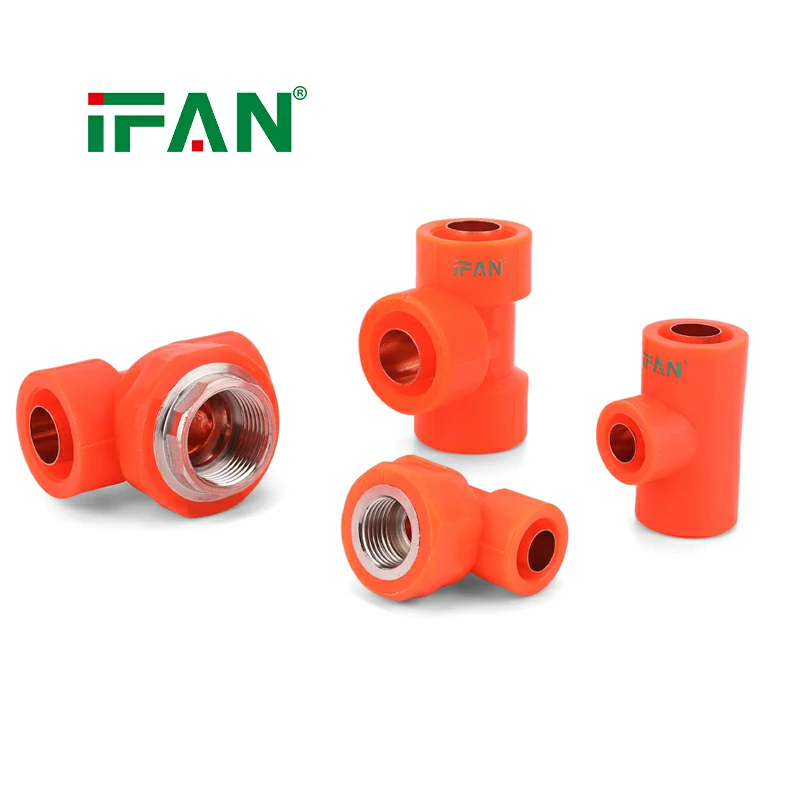
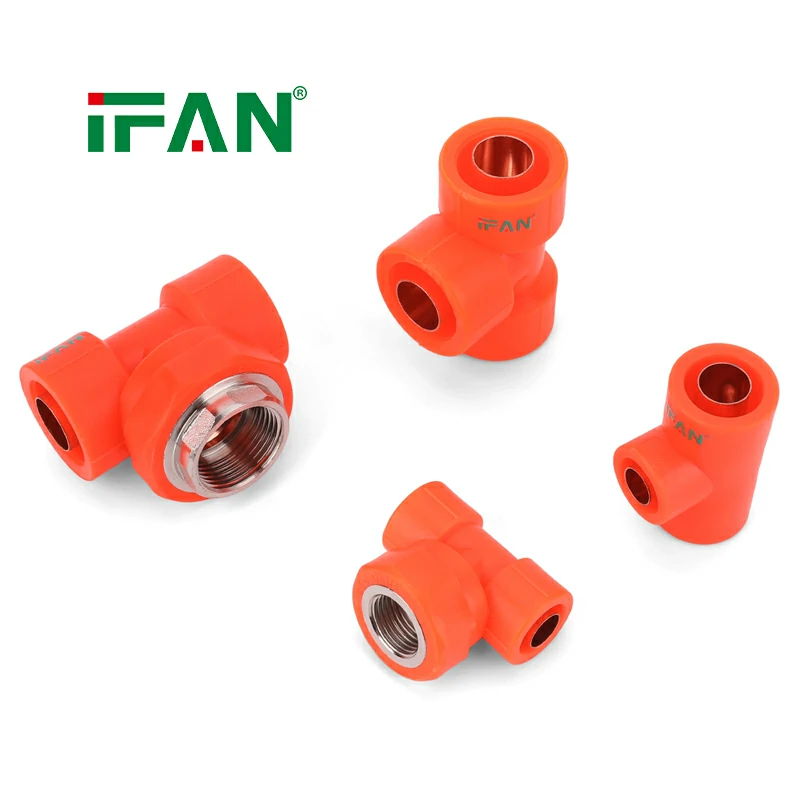
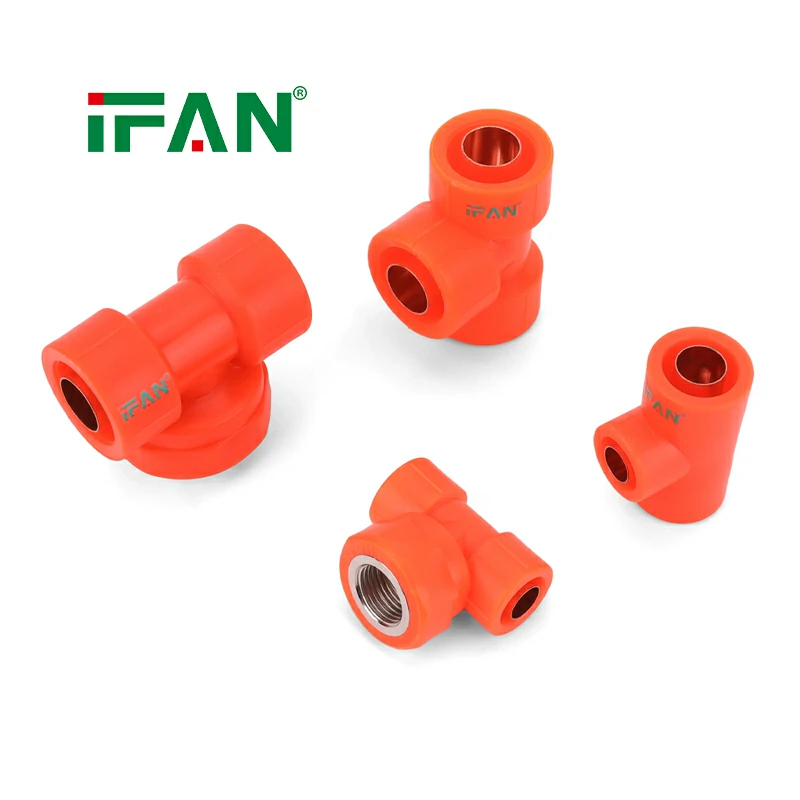
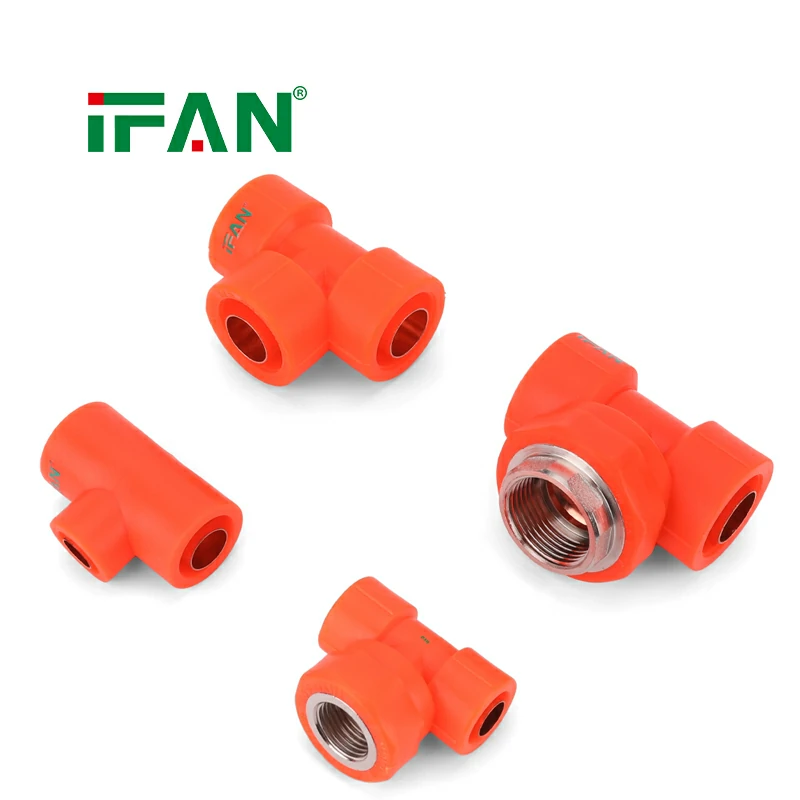
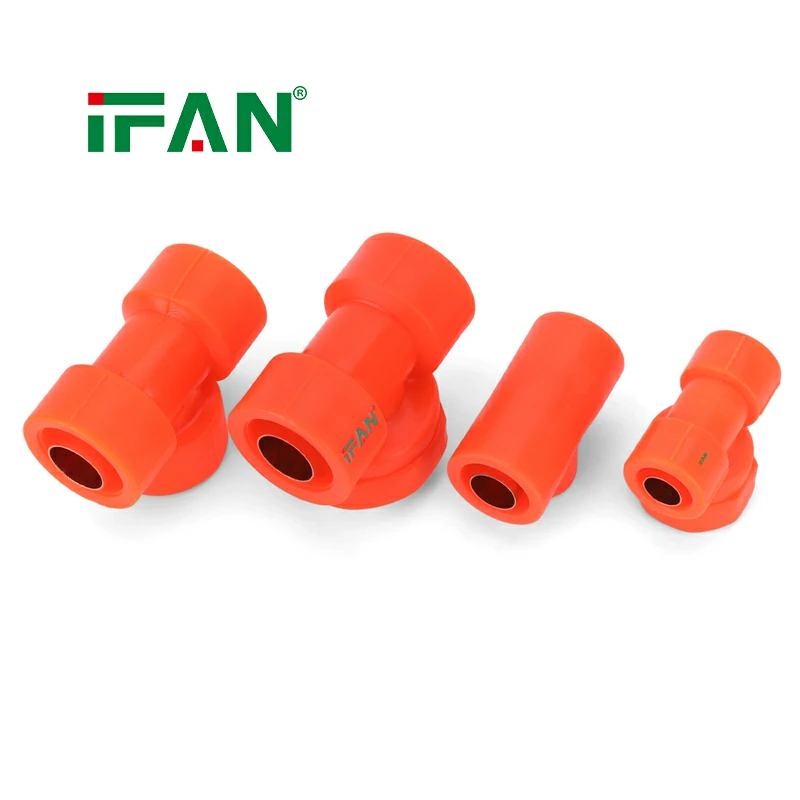
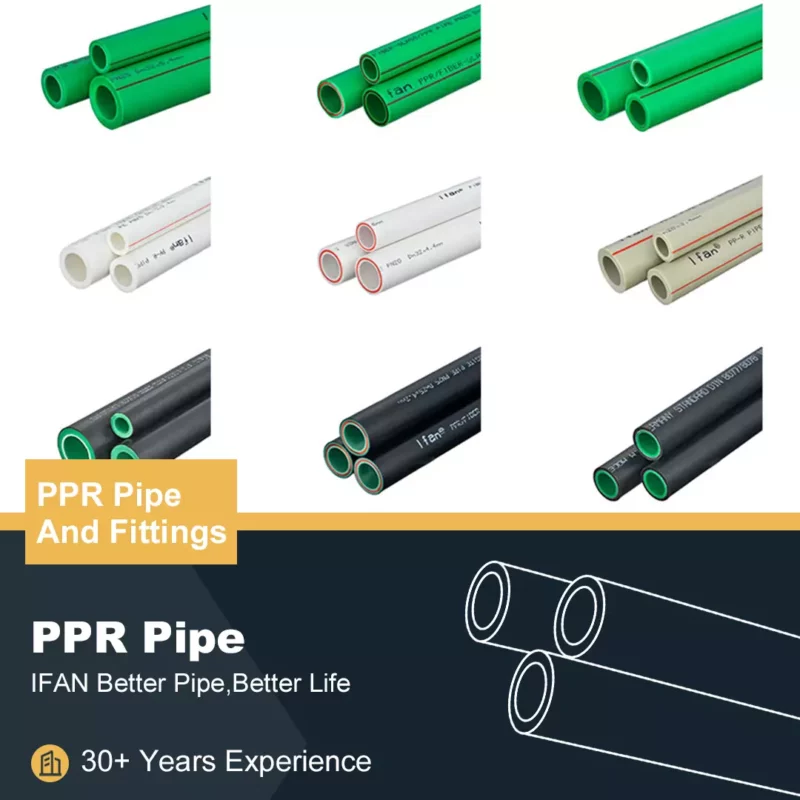
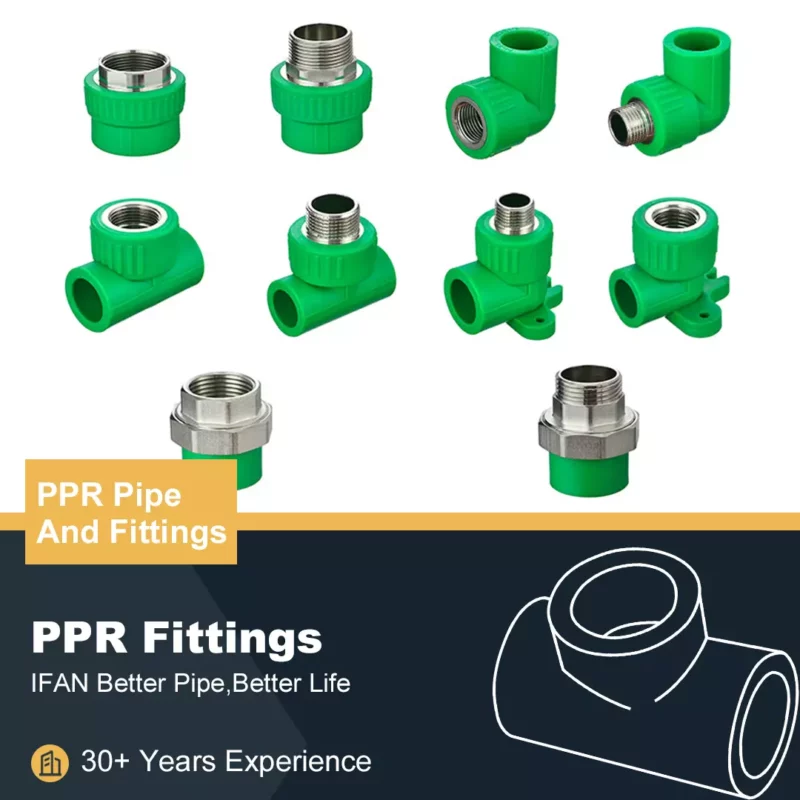
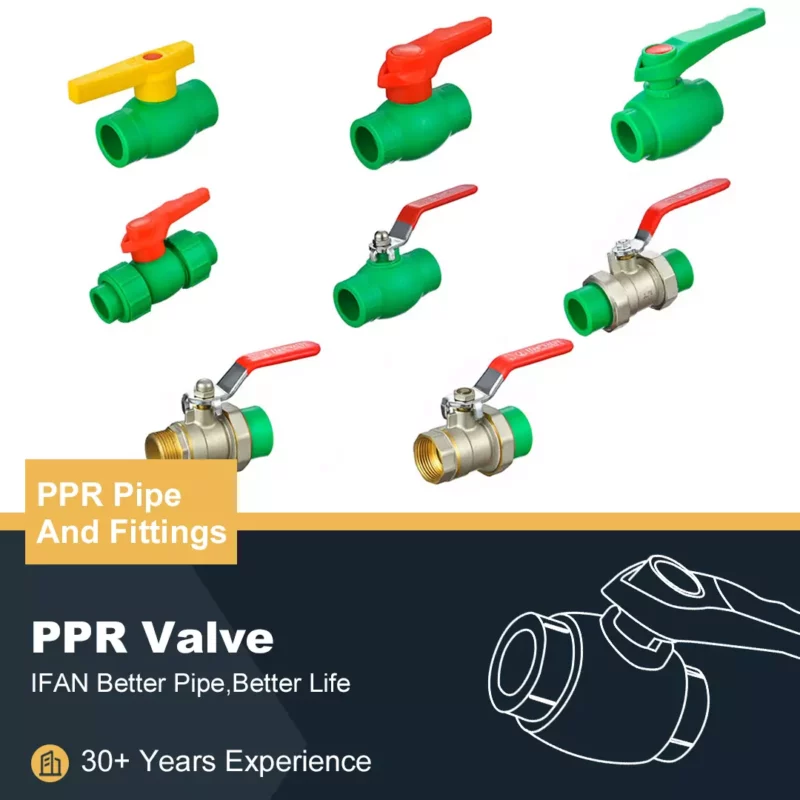
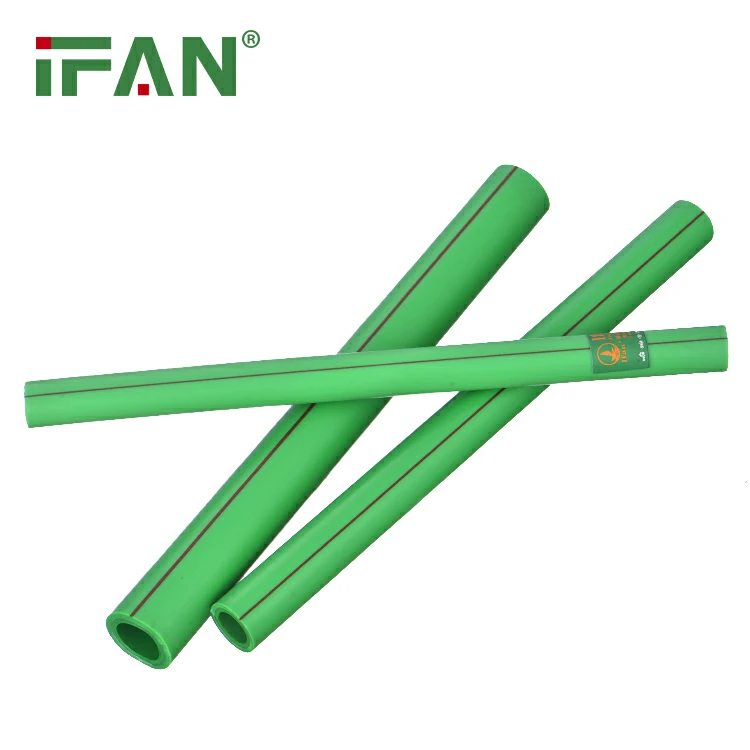
PPR (Polypropylene Random Copolymer) pipes are widely used in plumbing, heating, and industrial systems. They are known for their durability, efficiency, and environmental benefits. Unlike traditional metal or PVC pipes, PPR pipes have a lower environmental impact. They contribute to sustainability through energy efficiency, recyclability, and reduced pollution. This article explores the key environmental benefits of PPR pipes and their role in eco-friendly construction.
Energy-Efficient Manufacturing
The production of PPR pipes requires less energy compared to metal pipes. Metal pipe manufacturing involves mining, smelting, and processing, which consume significant energy. PPR pipes are made from polypropylene, a lightweight material with a simpler production process. This reduces energy consumption and lowers carbon emissions, making PPR pipe a more sustainable choice.
Lower Carbon Footprint
PPR pipe have a lower carbon footprint compared to metal and PVC pipe. Their lightweight nature reduces transportation energy and fuel consumption. Heavy metal pipes require more fuel for transportation, increasing emissions. Using PPR pipes helps reduce greenhouse gas emissions and supports sustainable construction practices.
Long Lifespan and Durability
PPR pipe have a lifespan of over Long-term durability according to standards, reducing the need for frequent replacements. Metal pipes corrode, rust, and degrade over time, leading to waste. PPR pipe resist corrosion, scaling, and chemical damage, ensuring long-term performance. Their durability minimizes waste generation and conserves natural resources.
100% Recyclable Material
PPR pipe are fully recyclable, reducing plastic waste and environmental impact. At the end of their life cycle, they can be reprocessed into new products. Unlike PVC pipe, which release harmful chemicals during recycling, PPR pipe can be safely reused. This supports a circular economy and reduces landfill waste.
No Harmful Chemical Emissions
PPR pipe do not release harmful chemicals during production or use. Some pipes, such as PVC, emit toxic substances like dioxins and chlorine. These chemicals contribute to air and water pollution. PPR pipe are made from non-toxic materials, ensuring environmental safety and human health.
Safe for Drinking Water
PPR pipe do not contaminate drinking water with harmful substances. Metal pipes may release heavy metals, while PVC pipes can leach chemicals. PPR pipe maintain water purity, ensuring safe consumption. This reduces the need for additional water filtration and treatment, conserving energy and resources.
Resistance to Corrosion and Scaling
Corrosion and scaling in metal pipes lead to inefficiency and waste. Corroded pipes require frequent repairs, replacements, and increased water treatment. PPR pipes resist corrosion and scaling, ensuring consistent water flow and reducing maintenance needs. This extends the lifespan of plumbing systems and minimizes environmental impact.
Reduced Water Waste
Leaking pipes contribute to significant water waste, harming the environment. Metal pipes corrode over time, leading to leaks and inefficiencies. PPR pipes have strong, leak-proof joints, reducing water loss. Their durability ensures efficient water distribution, promoting water conservation.
Lower Installation Impact
PPR pipes are lightweight and easy to install, reducing labor and energy costs. Metal pipes require welding, threading, and heavy machinery, increasing installation emissions. PPR pipes use heat fusion technology, which is energy-efficient and produces strong, leak-free connections. This minimizes environmental impact during construction.
Compatibility with Renewable Energy Systems
PPR pipes are ideal for solar water heating and geothermal systems. They can withstand high temperatures without degrading. Their compatibility with renewable energy systems supports sustainable construction and energy efficiency. This makes them a preferred choice for eco-friendly buildings.
Minimal Environmental Degradation
Traditional pipe materials require extensive mining and resource extraction, damaging ecosystems. PPR pipe are made from synthetic polymers, reducing reliance on natural resources. Their lightweight nature reduces fuel consumption during transportation, minimizing environmental degradation.
Contribution to Green Building Certifications
Many green building standards recognize PPR pipe for their environmental benefits. They contribute to certifications such as LEED (Leadership in Energy and Environmental Design). Using PPR pipe helps buildings meet sustainability goals, improving energy efficiency and reducing environmental impact.
Conclusion
PPR pipe offer numerous environmental benefits, making them a sustainable choice for plumbing systems. They reduce energy consumption, carbon emissions, and waste production. Their durability, recyclability, and non-toxic properties support eco-friendly construction. Choosing PPR pipe contributes to water conservation and a healthier environment.
If you have read this article and have any questions, please feel free to contact IFAN. Below is our contact information:
Whatsapp:+86 13373827623
Email:[email protected]