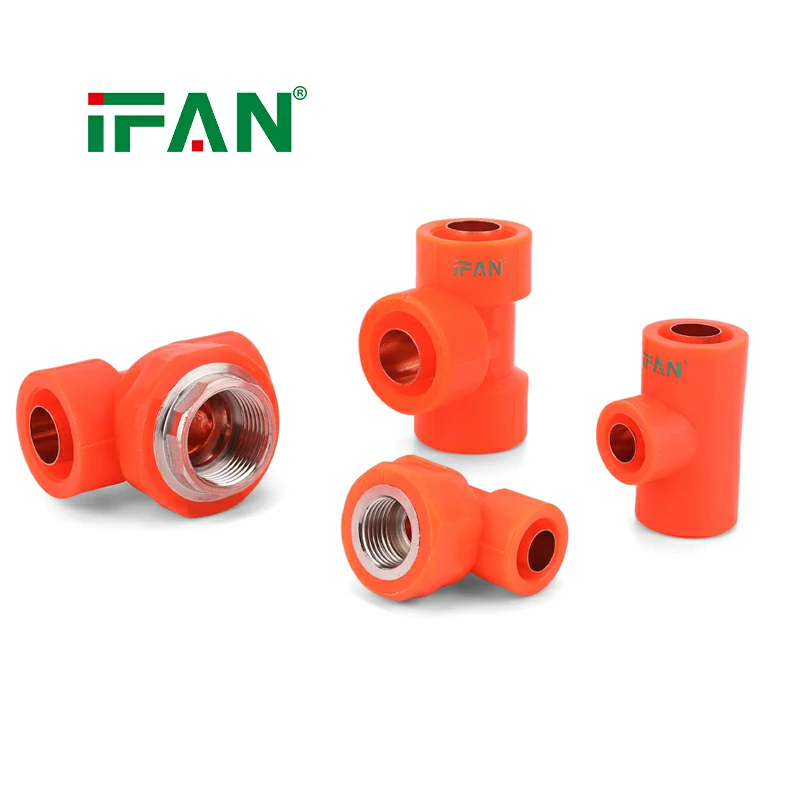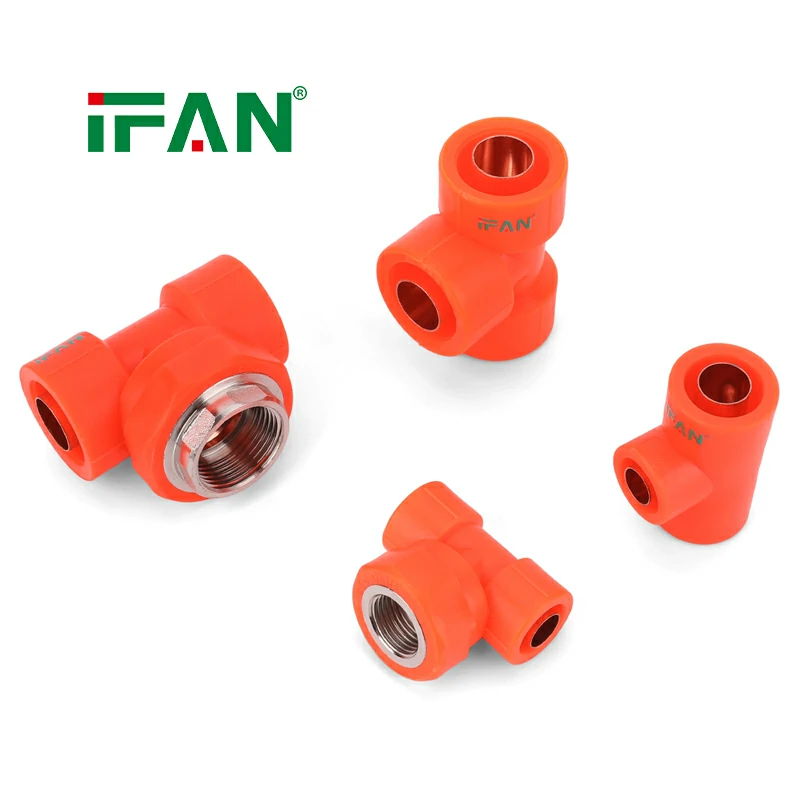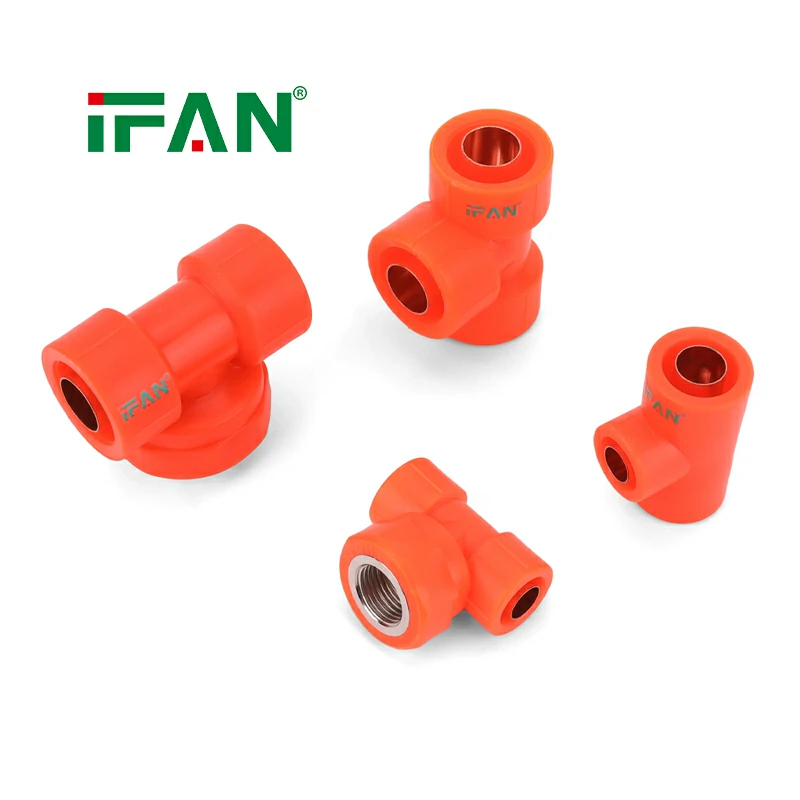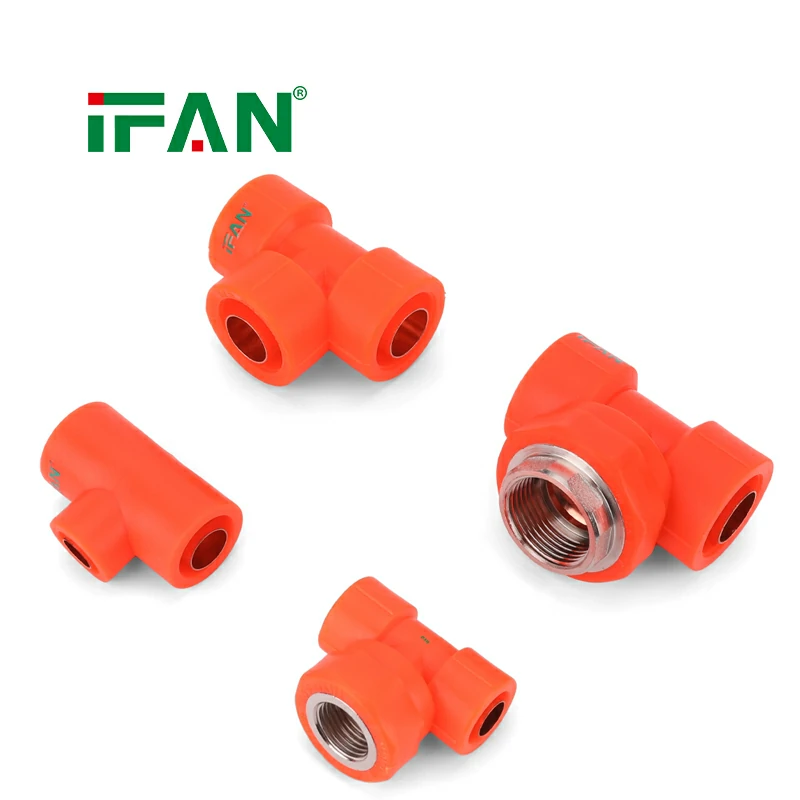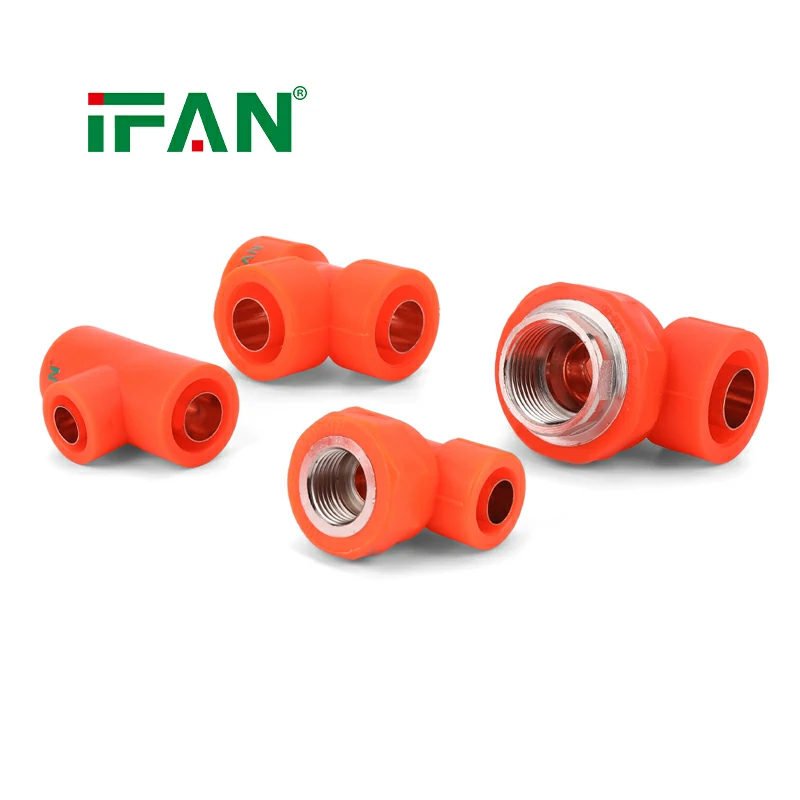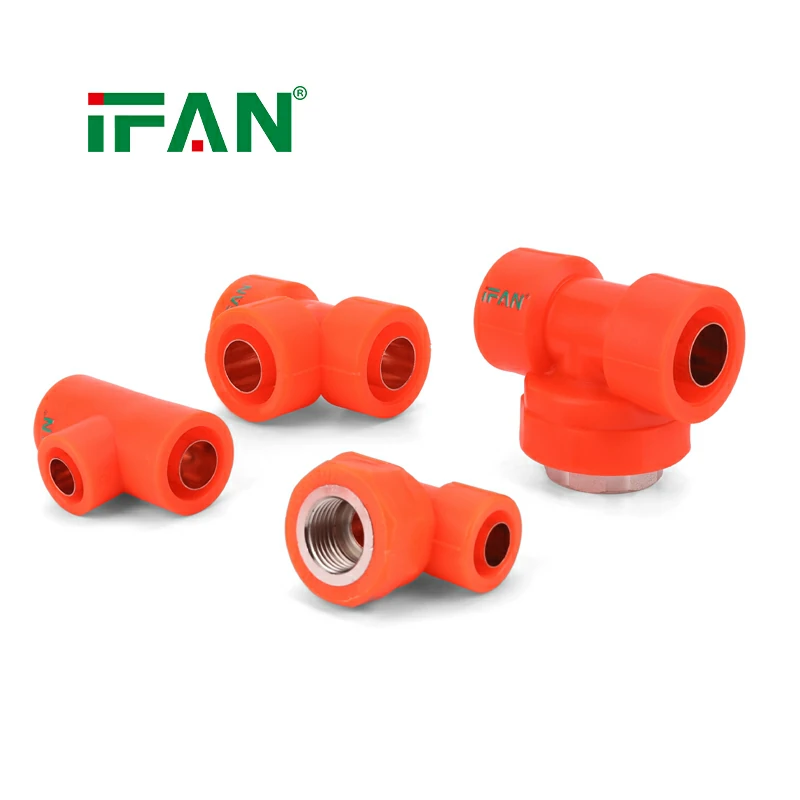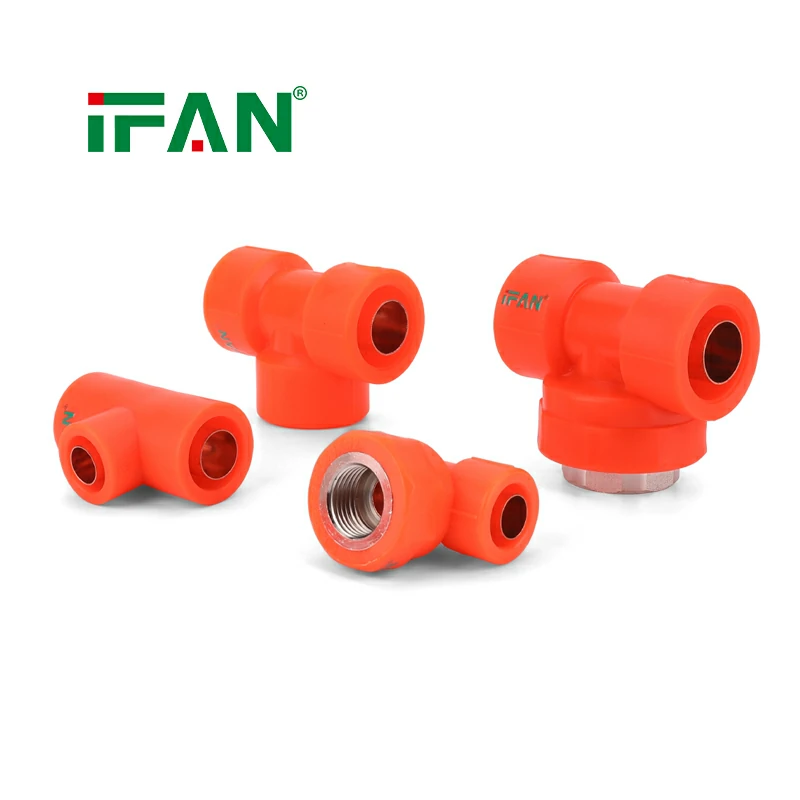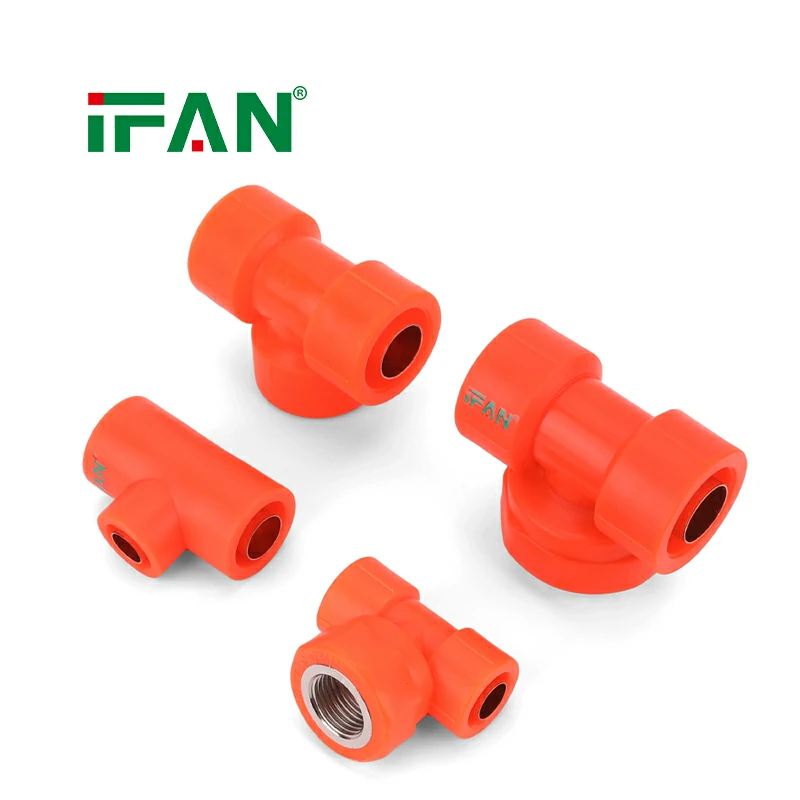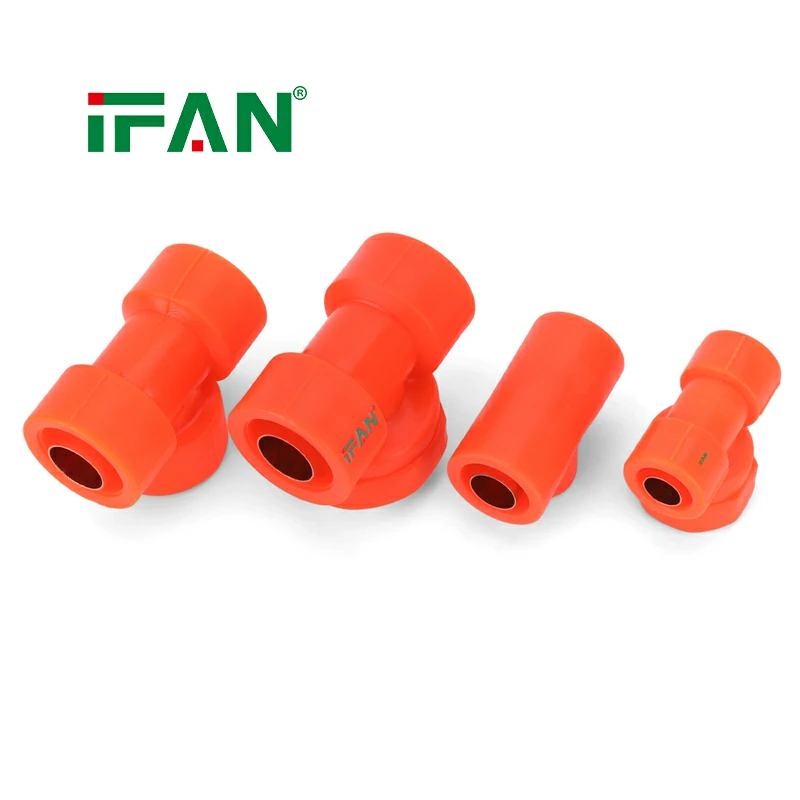
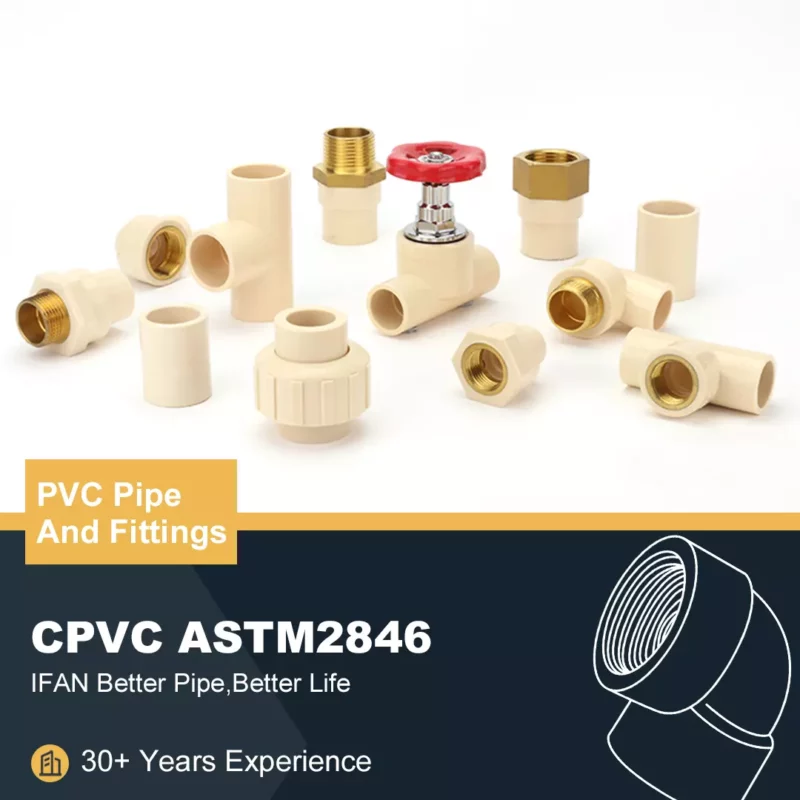
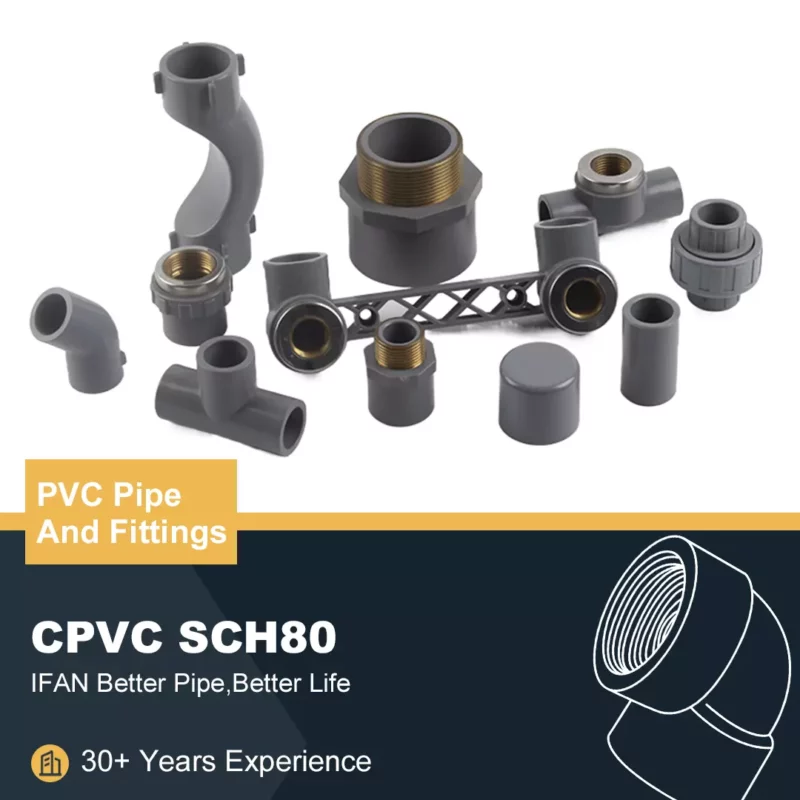
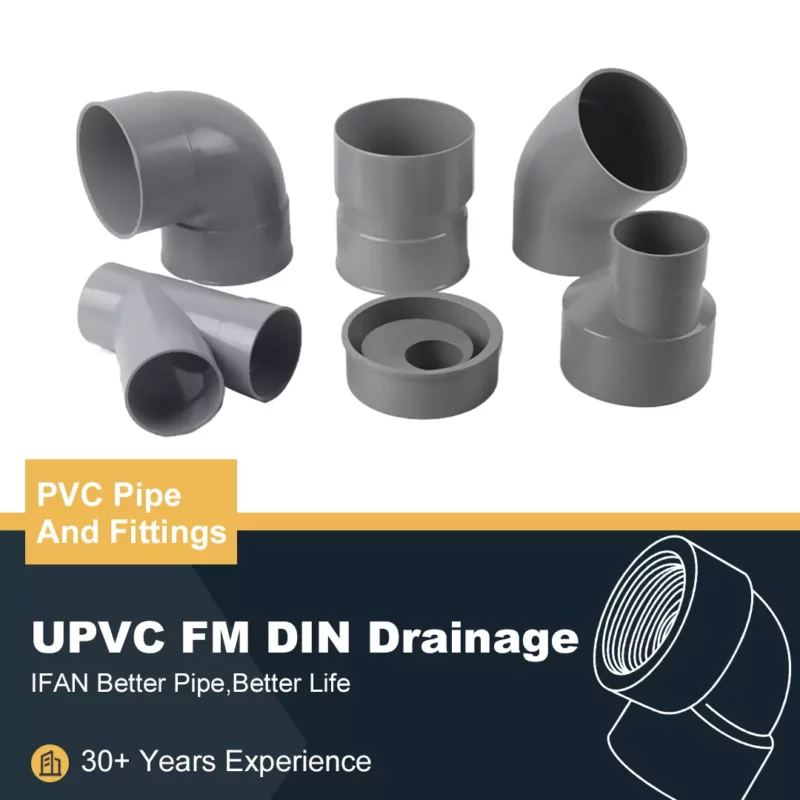
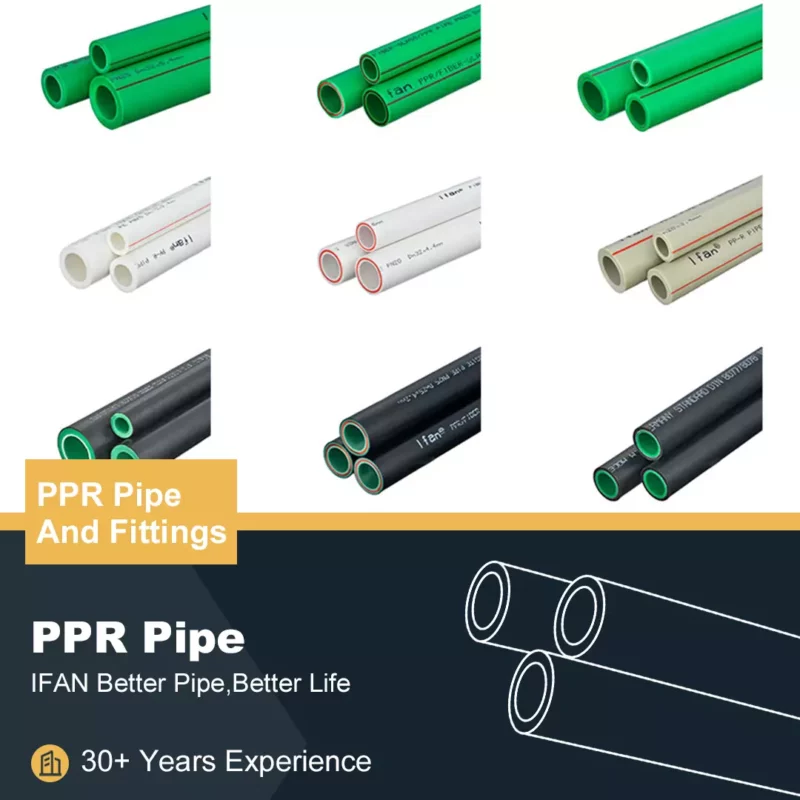
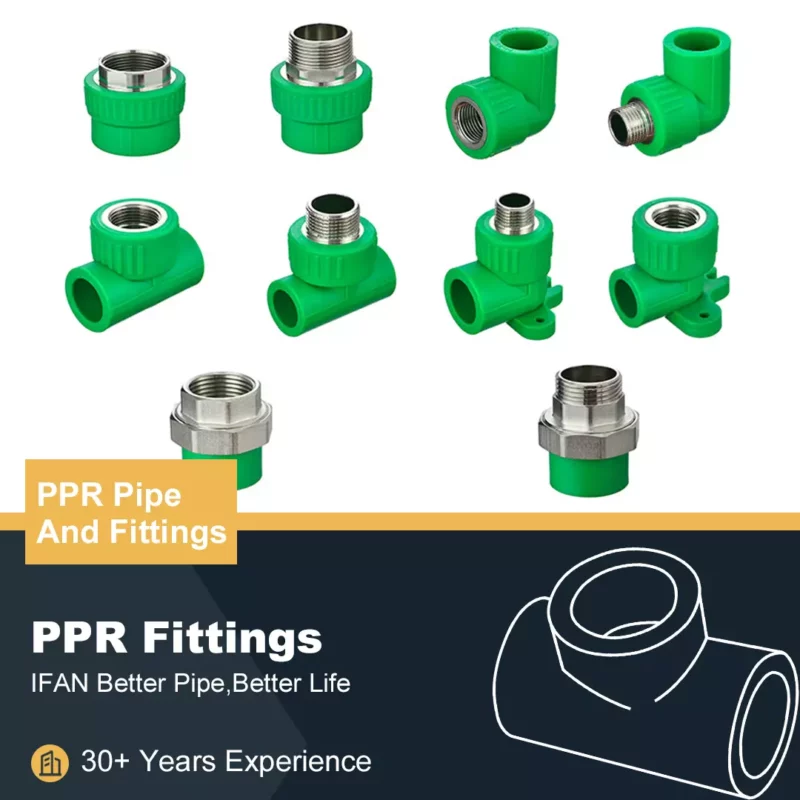
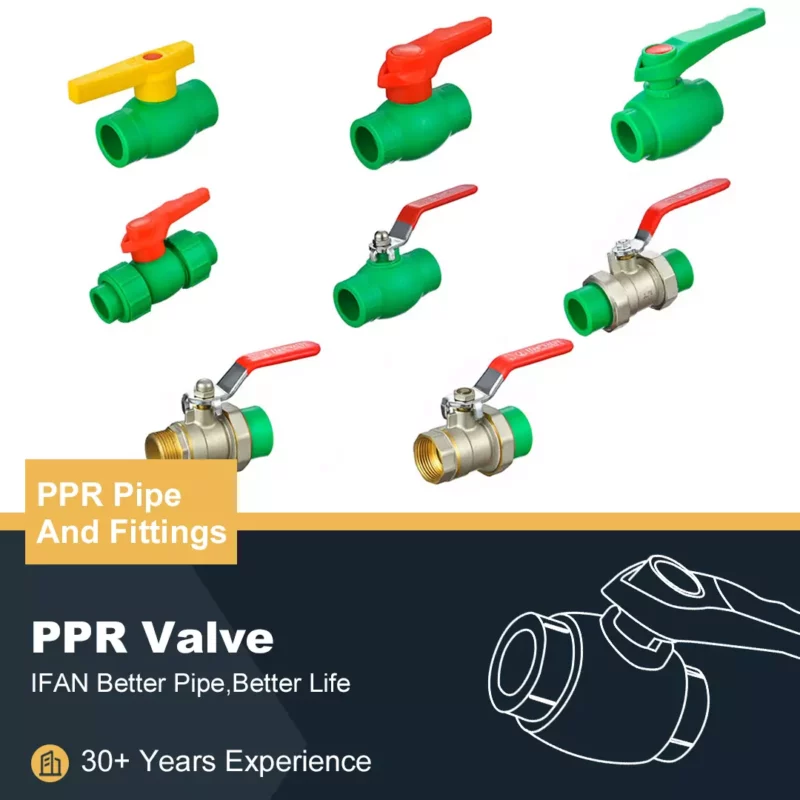
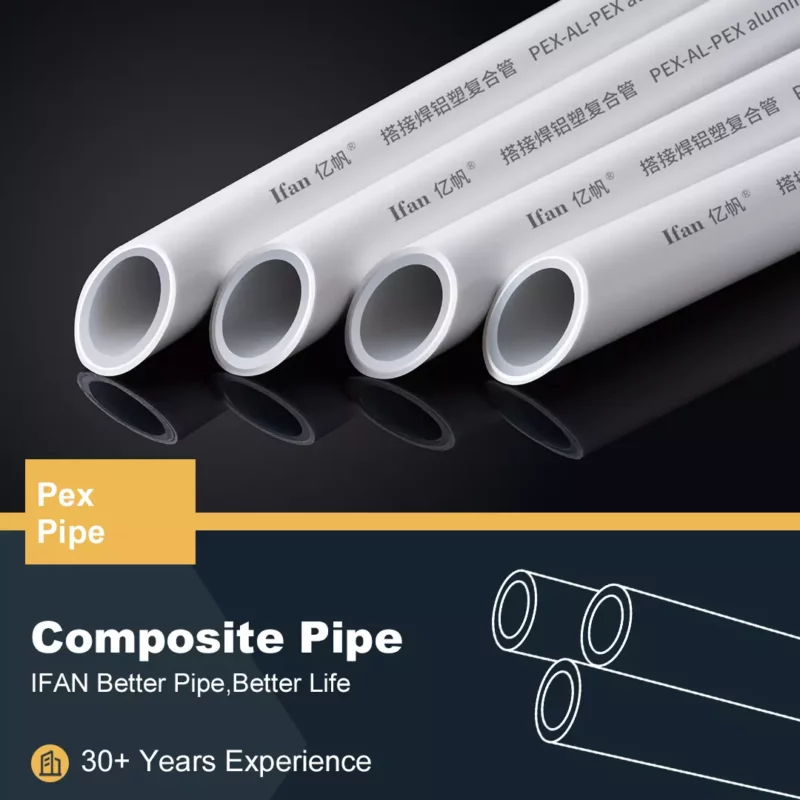

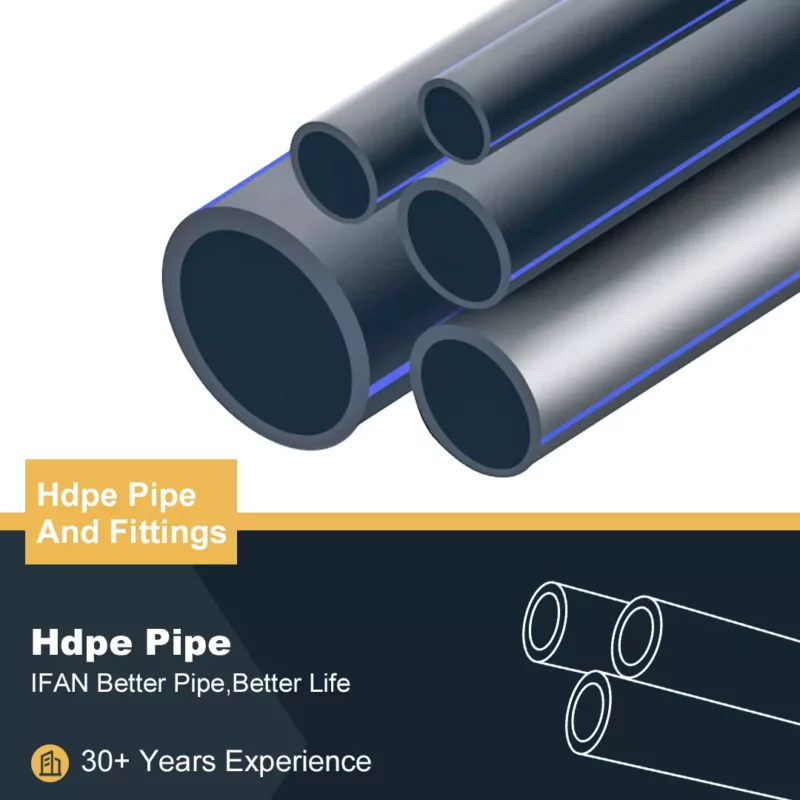
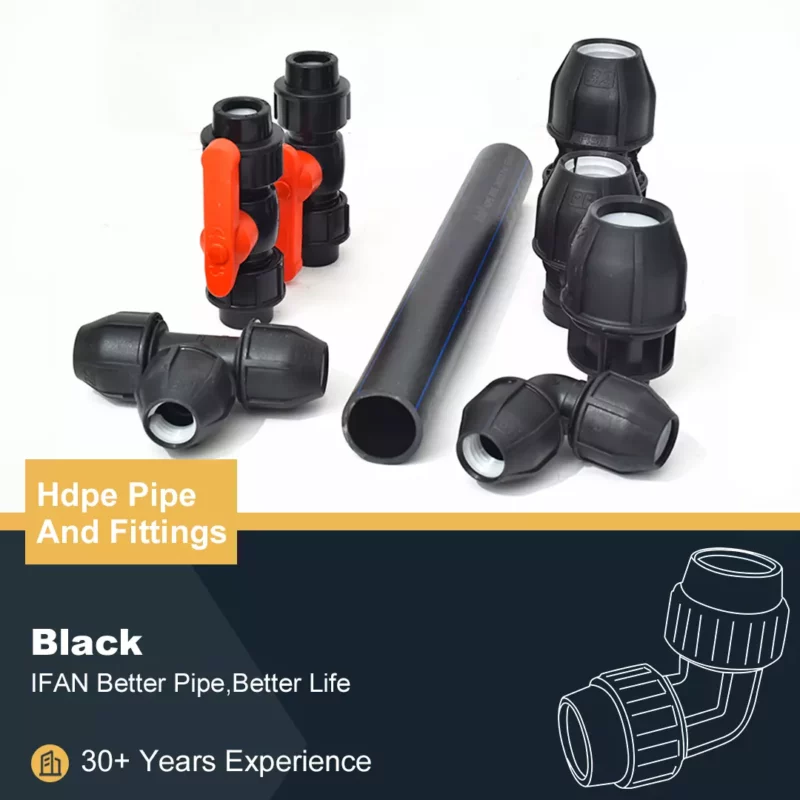
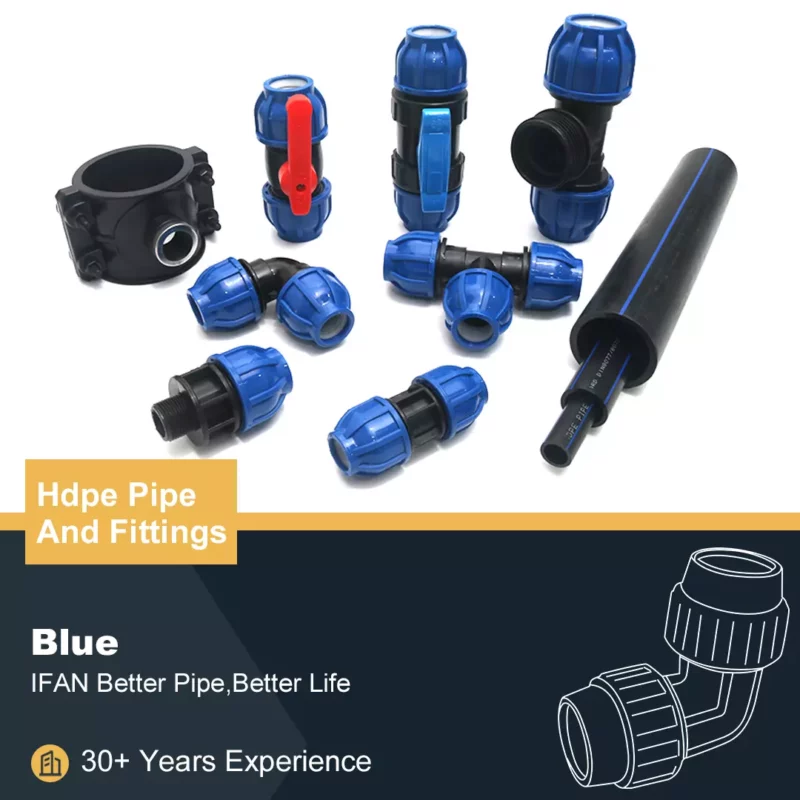
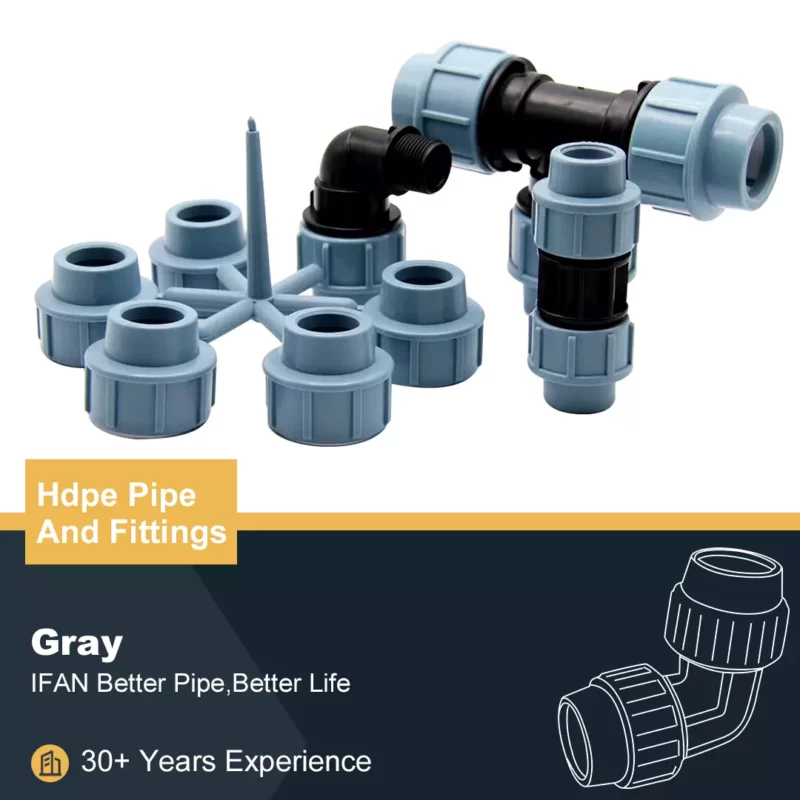



PPR (Polypropylene Random Copolymer) gate valve are essential components in fluid control systems. They are widely used in residential, commercial, and industrial applications due to their durability, cost-effectiveness, and ease of installation. These valves are designed to regulate the flow of water, gas, and other fluids in a pipeline. Their simple yet reliable operation, combined with their affordability, makes them a popular choice for a variety of systems. This article explores the features, benefits, and practical applications of PPR gate valves.
1. What is a PPR Gate Valve?
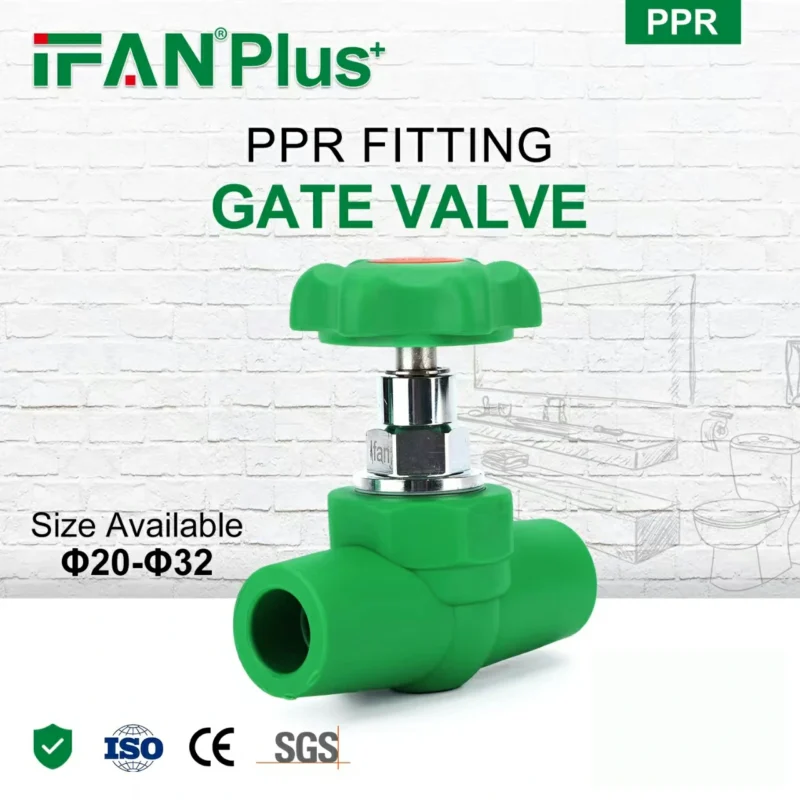
A PPR gate valve is a type of valve used to control the flow of fluids in a pipeline. The valve operates by raising or lowering a gate to open or close the flow path. When the valve is open, the gate is lifted, allowing fluid to pass through. When closed, the gate moves downward, blocking the fluid. PPR gate valves are made from polypropylene, a lightweight and corrosion-resistant plastic.
These valves are commonly used in water supply systems, heating installations, and industrial fluid handling applications. They offer a simple design and can be operated manually using a handwheel or handle.
For example, PPR gate valve are often found in residential water systems, where they regulate the flow of water to different fixtures, such as sinks, toilets, and showers.
2. Key Features of PPR Gate Valve
PPR gate valve are designed with several key features that make them effective and popular:
- Corrosion Resistance: PPR valves do not rust or corrode over time, making them suitable for water and chemical systems.
- Lightweight: Made from plastic, PPR gate valves are lighter than metal alternatives, making them easier to install and handle.
- Leak-Proof: Properly installed PPR valves create strong, leak-proof seals, ensuring reliable operation.
- Durability: These valves are resistant to wear and tear, giving them a long service life.
- Cost-Effective: PPR gate valves are much cheaper than metal alternatives, offering significant savings for large-scale or budget-conscious projects.
For example, in an agricultural irrigation system, PPR gate valve regulate water flow to different sections of the farm, ensuring efficient use of water resources.
3. How PPR Gate Valves Work
PPR gate valve operate using a gate mechanism that is raised or lowered to control the flow of fluids. When the valve is open, the gate is fully raised, allowing fluid to flow freely through the valve. When the valve is closed, the gate is lowered, creating a seal that prevents fluid from passing.
The valve is typically operated by turning a handle or wheel. Turning the handle rotates a stem connected to the gate, moving it up or down to control the flow. This design ensures a straightforward and efficient operation, with minimal effort required from the operator.
In residential plumbing systems, PPR gate valves are used to control the water supply to various fixtures. The valve can be opened or closed as needed to stop or start the flow of water to a specific area.
4. Benefits of Using PPR Gate Valves
The primary benefits of using PPR gate valves in various systems include:
- Cost Savings: PPR gate valves are significantly cheaper than metal valves, making them a cost-effective choice for both small and large installations.
- Ease of Installation: PPR valves are easier to install than metal valves. They can be joined to PPR pipes using fusion welding, which creates a strong, durable bond.
- Long Service Life: PPR material is resistant to corrosion and degradation, meaning PPR gate valves last longer and require less maintenance.
- Environmental Benefits: PPR valves are recyclable, which reduces waste and makes them an environmentally friendly option.
- Versatility: These valves are suitable for a wide range of applications, from residential plumbing to industrial fluid handling.
For example, in a large residential construction project, PPR gate valves can be used to regulate water flow throughout the entire building, providing both cost savings and long-term performance.
5. Applications of PPR Gate Valves
PPR gate valves are used in a wide range of applications, thanks to their versatility, durability, and cost-effectiveness. Some common applications include:
- Residential Plumbing: In homes, PPR gate valves are used to control water flow to bathrooms, kitchens, and other areas.
- Industrial Fluid Systems: PPR gate valves are used to regulate the flow of chemicals, oils, or gases in industrial applications.
- Heating Systems: These valves are commonly used in residential and commercial heating systems to control the flow of hot water or steam.
- Irrigation Systems: In agriculture, PPR gate valves regulate the water flow in irrigation pipelines, ensuring efficient water distribution.
For instance, in an industrial chemical processing plant, PPR gate valves are used to manage the flow of chemicals through pipelines, providing a reliable and affordable solution.
6. Cost-Effectiveness of PPR Gate Valves
The cost-effectiveness of PPR gate valves is one of their most attractive features. Compared to traditional metal valves made of brass, steel, or cast iron, PPR gate valves are much cheaper to manufacture and purchase. The lower material cost contributes to significant savings in the overall cost of installation.
In addition, PPR valves are lightweight, which reduces transportation and labor costs during installation. Their simple design and ease of installation also reduce the need for specialized labor, further contributing to overall savings.
For example, in large-scale plumbing projects, using PPR gate valves instead of metal valves can reduce the overall cost of materials, making it a more budget-friendly solution for contractors.
7. Installation Process of PPR Gate Valves
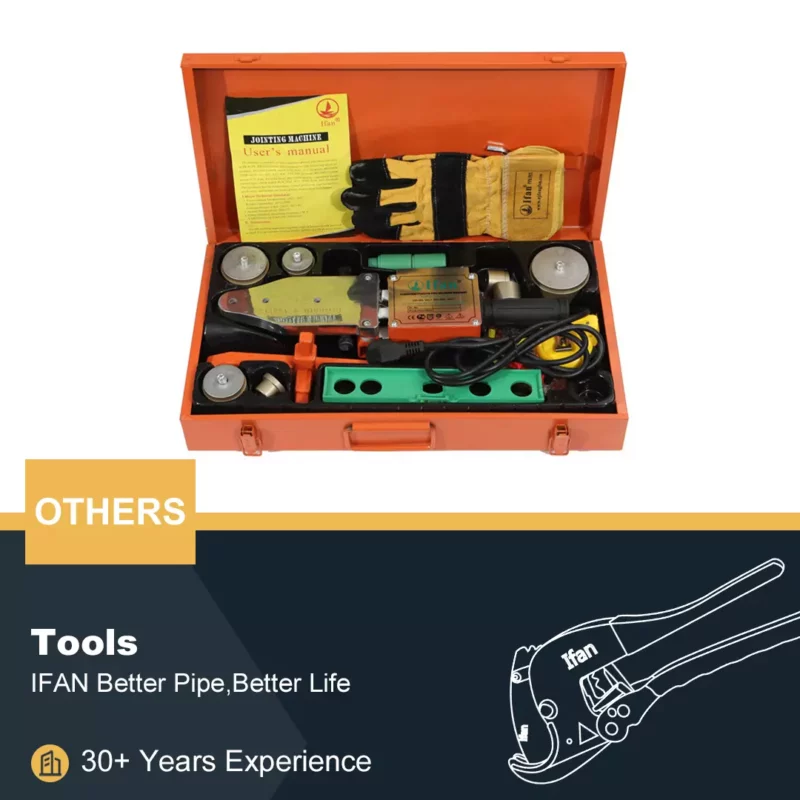
Installing PPR gate valves is a relatively simple process. The most common installation method is fusion welding, which involves heating the ends of the PPR pipe and valve and then fusing them together. This method creates a strong, leak-proof joint that ensures reliable performance.
The installation steps typically include:
- Cut the Pipe: Use a pipe cutter to ensure the pipe is cut cleanly and evenly.
- Prepare the Valve: Apply the proper solvent or fusion adhesive to the valve and pipe ends.
- Fusion Welding: Heat the valve and pipe ends and fuse them together using a fusion tool.
- Allow to Cool: Let the joint cool for a few minutes to ensure a secure bond.
- Test for Leaks: After installation, pressurize the system and check for any leaks.
In residential plumbing systems, the installation process of PPR gate valves is quick and efficient, reducing labor time and costs.
8. Maintenance of PPR Gate Valves
PPR gate valves are low-maintenance components due to the durability of the PPR material. However, it is important to regularly inspect the valves for any signs of wear or damage. Common maintenance tasks include:
- Check for Leaks: Inspect the valve and pipe connections for any signs of leakage. If leaks are detected, the joint may need to be resealed.
- Clean the Valve: Periodically clean the valve to remove any dirt or debris that may interfere with its operation.
- Check the Handle: Ensure that the valve handle is secure and operates smoothly. If the handle becomes loose or difficult to turn, tighten or replace it as needed.
In an industrial application, regular inspection and maintenance of PPR gate valves help prevent costly repairs and downtime by ensuring the system operates efficiently.
9. Environmental Impact of PPR Gate Valves
One of the environmental benefits of PPR gate valves is that they are made from recyclable materials. Polypropylene is a plastic that can be recycled, reducing waste and contributing to a more sustainable product lifecycle. Additionally, the long service life of PPR gate valves means fewer replacements are needed, further minimizing environmental impact.
Using PPR gate valves also helps reduce the need for metal extraction, which can have a significant environmental footprint. This makes PPR gate valves an eco-friendly option compared to traditional metal valves.
For example, in a large-scale industrial project, using PPR gate valves can reduce the amount of waste generated from discarded valves and pipes, making the project more sustainable overall.
10. Limitations of PPR Gate Valves
While PPR gate valves offer many advantages, they are not suitable for all applications. Some limitations include:
- Temperature Sensitivity: PPR valves are not ideal for very high-temperature applications. For systems involving extremely hot fluids, a metal valve may be a better option.
- Pressure Limits: PPR gate valves are designed for low to medium-pressure applications. High-pressure systems may require stronger materials like brass or steel.
- UV Degradation: Prolonged exposure to ultraviolet (UV) light can cause PPR material to degrade. Therefore, these valves should be installed in areas with minimal direct sunlight or be protected with UV-resistant coatings.
In applications that involve extreme conditions, such as high temperatures or pressures, alternative valve materials may be required to ensure long-term performance.
11. Conclusion
Cost-effective PPR gate valves offer a reliable, durable, and affordable solution for fluid control in a variety of systems. Their corrosion resistance, ease of installation, and long service life make them ideal for both residential and industrial applications. Whether used in plumbing, heating, irrigation, or industrial fluid handling systems, PPR gate valves provide significant cost savings without compromising on quality. Their lightweight construction, low maintenance needs, and environmental benefits further enhance their appeal. By choosing PPR gate valves, homeowners, contractors, and industries can enjoy efficient, cost-effective fluid control solutions for many years.
If you have read this article and have any questions, please feel free to contact IFAN. Below is our contact information:
Whatsapp:+86 13373827623
Email:[email protected]