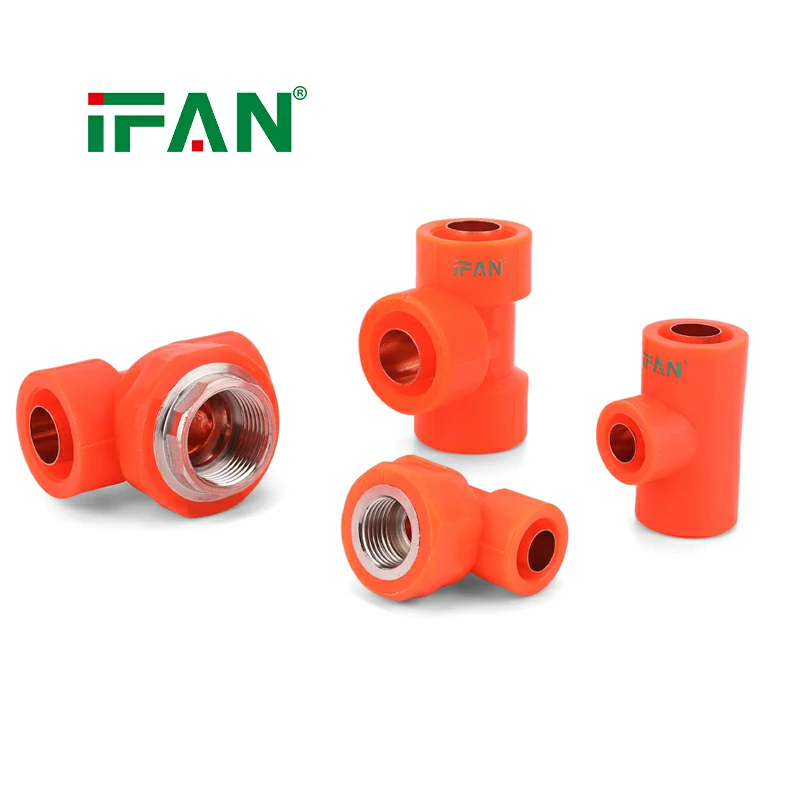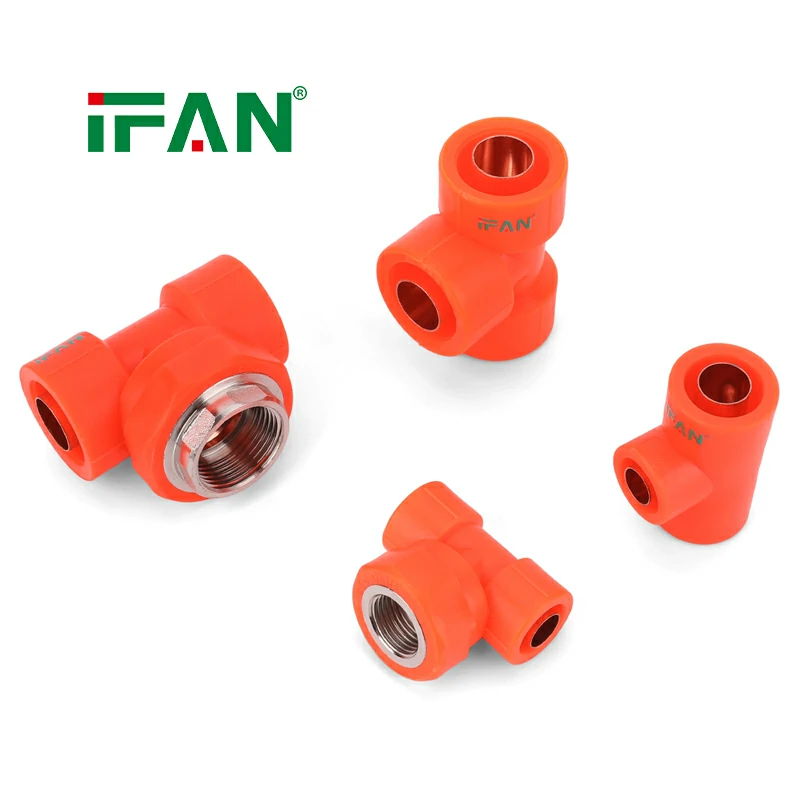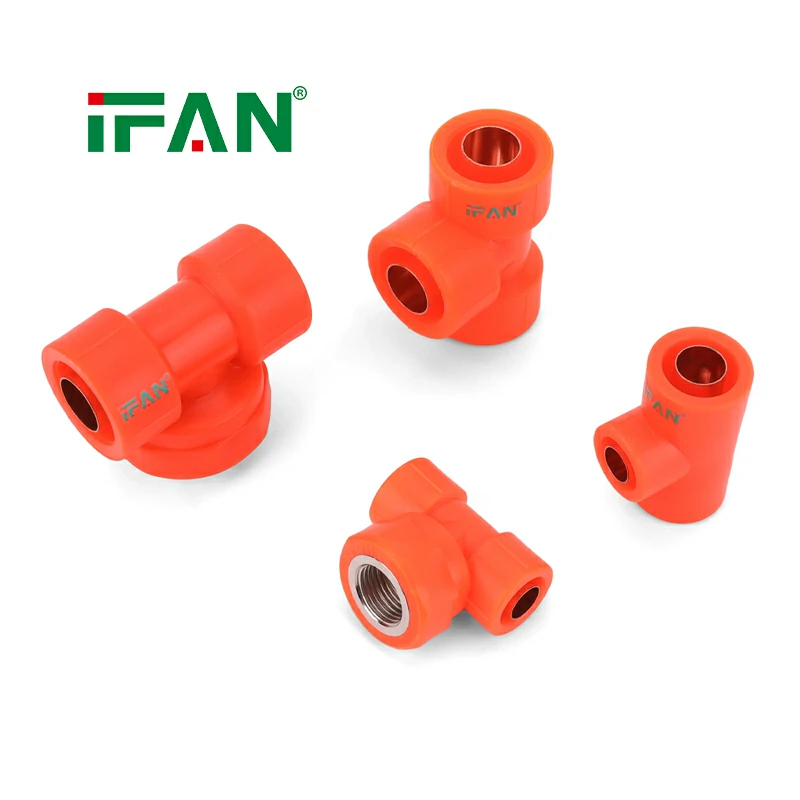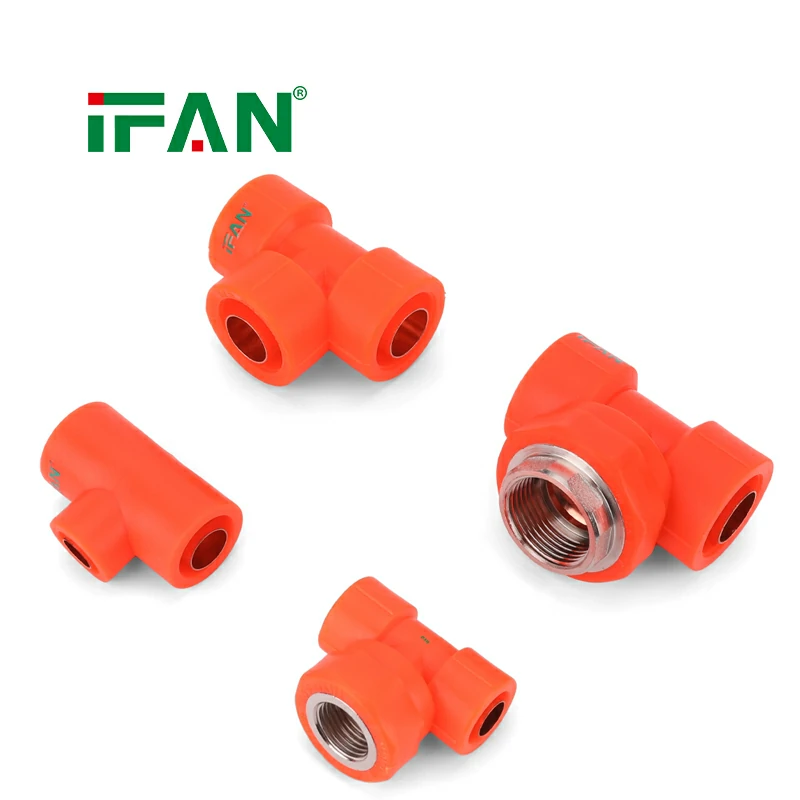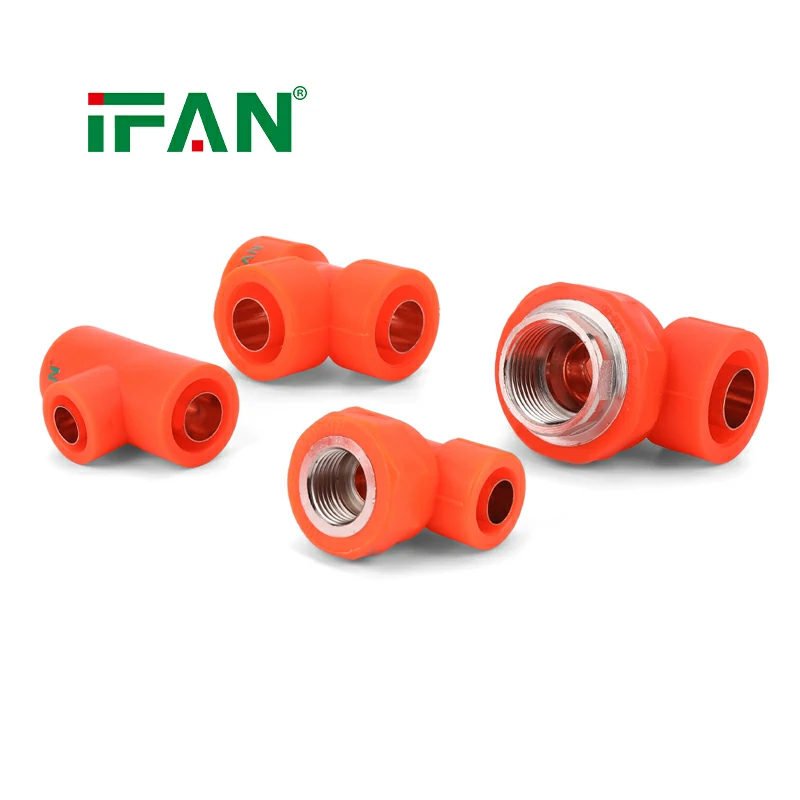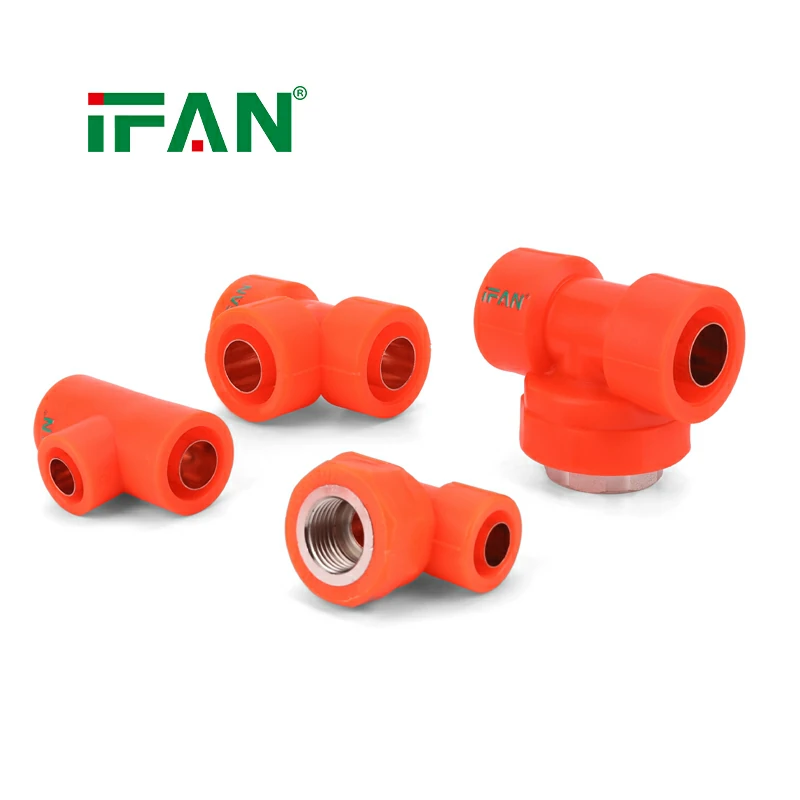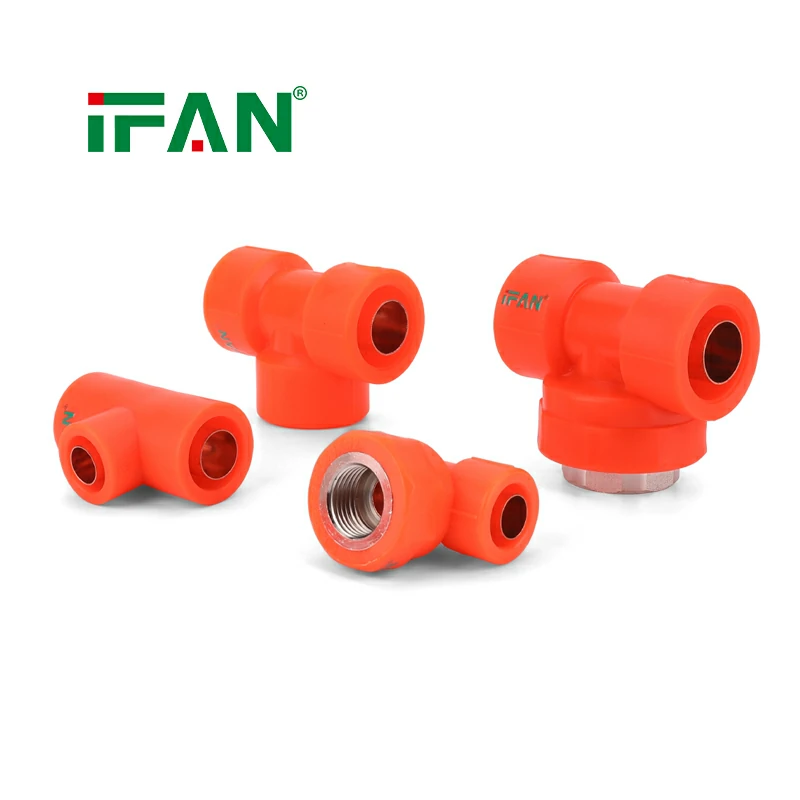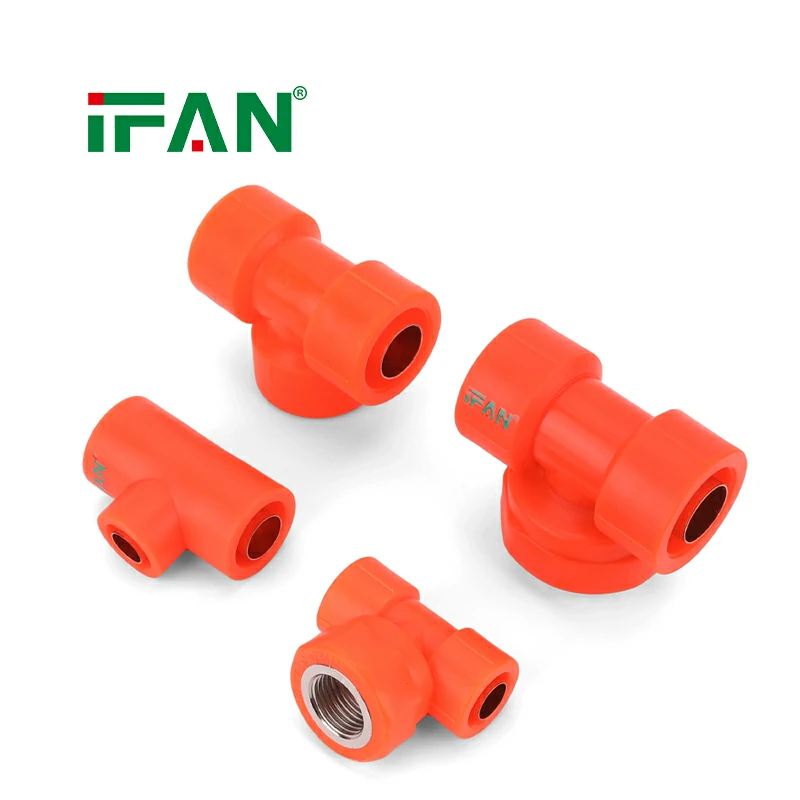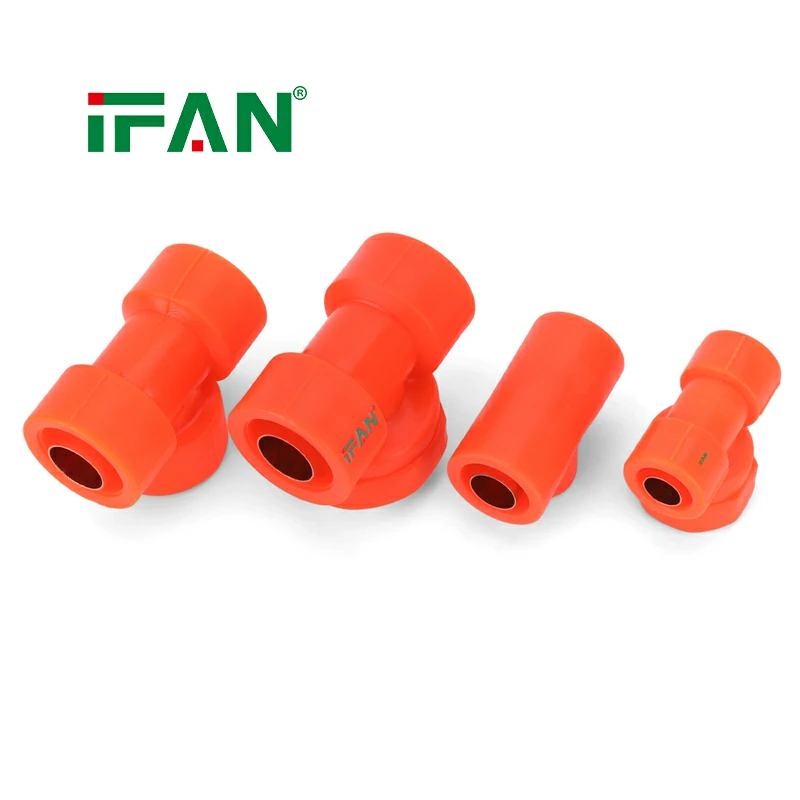



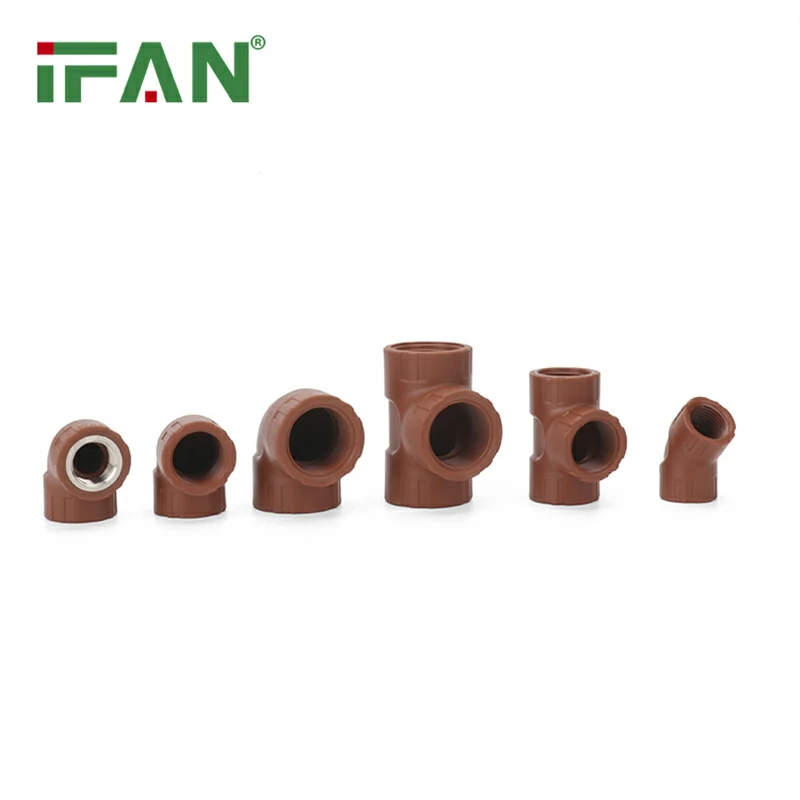
PPH (Polypropylene Homopolymer) pipe fittings are essential in various industries, particularly where chemical resistance is a priority. Their ability to withstand exposure to a wide range of chemicals makes them ideal for applications in chemical processing, water treatment, and more. Understanding the chemical resistance of PPH pipe fittings helps engineers and operators choose the right materials for their systems.
What is Chemical Resistance in PPH Pipe Fittings?
Chemical resistance refers to the ability of a material to resist degradation when exposed to different chemicals. PPH pipe fittings are designed to resist corrosion, cracking, and other forms of damage caused by aggressive substances. Their excellent chemical resistance helps ensure the longevity of the entire piping system.
PPH Material Composition and Its Chemical Resistance
PPH is a highly crystalline thermoplastic polymer made from propylene monomers. Its molecular structure gives it a high level of stability and resistance to chemicals. This material stands out when compared to other thermoplastics due to its higher chemical resistance, making it suitable for handling a wide array of chemicals.
PPH Resistance to Common Chemicals
PPH pipe fittings show strong resistance to a variety of chemicals, including acids, alkalis, and organic solvents. For instance, they withstand dilute acids, such as hydrochloric acid, and concentrated acids, like sulfuric acid. Their resistance to caustic substances, like sodium hydroxide, also makes them ideal for applications in industries that use strong chemicals.
Performance in Harsh Environments
The chemical resistance of PPH pipe fittings is not limited to mild chemical exposures. PPH pipes perform well in harsh industrial environments where aggressive chemicals are regularly used. For example, chemical plants and wastewater treatment facilities often use PPH pipe fittings to transport substances that would degrade many other materials.
Resistance to Acids and Bases
PPH fittings resist both acids and bases effectively, which is crucial for industries dealing with highly corrosive substances. Strong acids like hydrochloric acid or nitric acid have little effect on PPH pipe fittings, as do concentrated bases. Their resistance helps prevent deterioration and reduces the need for frequent replacements, making them highly reliable.
Resistance to Organic Solvents
PPH pipe fittings also show resistance to many organic solvents, including alcohols, ketones, and esters. These chemicals are commonly used in industries like pharmaceuticals and food processing. PPH fittings allow the safe transport of these substances without worrying about damage or leaks. This feature makes PPH ideal for a variety of applications in manufacturing processes.
Impact of Temperature on Chemical Resistance
Temperature plays a significant role in the chemical resistance of PPH pipe fittings. Higher temperatures can accelerate chemical reactions, potentially weakening the material’s resistance. However, PPH maintains its resistance at a range of temperatures, making it suitable for moderate to high-temperature environments. Operators must consider the operating temperature when choosing the correct PPH fittings for their systems.
Chemical Compatibility Charts for PPH Pipe Fittings
Manufacturers often provide chemical compatibility charts to help users understand the specific chemicals that PPH fittings can handle. These charts list the types of substances that PPH can tolerate at various concentrations and temperatures. Such tools are invaluable in ensuring that the right material is selected for a particular chemical environment.
Limitations of Chemical Resistance in PPH
While PPH pipe fittings have excellent chemical resistance, they do have some limitations. Certain chemicals, like aromatic hydrocarbons (e.g., benzene), can degrade PPH over time. Similarly, concentrated oxidizing agents, such as chlorine and fluorine, can weaken the material. Understanding these limitations is essential for making informed decisions when selecting materials for piping systems.
Comparing PPH with Other Materials in Terms of Chemical Resistance
PPH pipe fittings offer superior chemical resistance when compared to other common materials like PVC or CPVC. While PVC fittings are generally resistant to many chemicals, PPH provides higher tolerance to heat and chemical exposure. Additionally, PPH tends to perform better in a wider variety of chemical environments, making it the go-to choice for certain industries.
Advantages of Using PPH Pipe Fittings in Chemical Systems
The advantages of using PPH pipe fittings in chemical systems are clear. Their resistance to corrosion and chemical degradation helps reduce maintenance costs and extends the lifespan of the piping system. Operators experience fewer failures, leaks, and breakdowns, leading to more reliable and cost-effective operations. PPH fittings also help to ensure that chemicals are safely transported without contamination.
Environmental Considerations and Chemical Resistance
In some cases, the environmental impact of the chemicals transported in PPH pipes must also be considered. PPH fittings are non-toxic and do not release harmful substances, making them a safer choice for industries concerned with sustainability. In addition, PPH is recyclable, adding to its environmental appeal.
Choosing the Right PPH Fittings Based on Chemical Resistance
Selecting the right PPH fittings involves understanding the chemical environment in which the fittings will be used. Factors such as chemical concentration, temperature, and the duration of exposure all play a role in determining the best material. By consulting chemical compatibility charts and working with experienced suppliers, users can make informed choices to enhance the safety and efficiency of their systems.
Maintenance and Care to Maximize Chemical Resistance
Although PPH fittings are highly resistant to chemicals, regular maintenance is still important to ensure optimal performance. Inspecting the fittings for signs of wear or degradation, especially after prolonged exposure to chemicals, can help identify issues before they become serious problems. Proper cleaning and routine checks can extend the life of PPH pipe fittings, ensuring they continue to perform as expected.
If you have read this article and have any questions, please feel free to contact IFAN. Below is our contact information:
Whatsapp:+86 13373827623
Email:[email protected]