


PEX Compression Fittings vs. Push-Fit: Which Is Better for Your Home?
When it comes to plumbing, two popular options for connecting PEX pipes are compression fittings and push-fit fittings. Both types have their advantages and drawbacks. Understanding their differences can help you make an informed decision based on your home’s needs.
What Are PEX Compression Fittings?
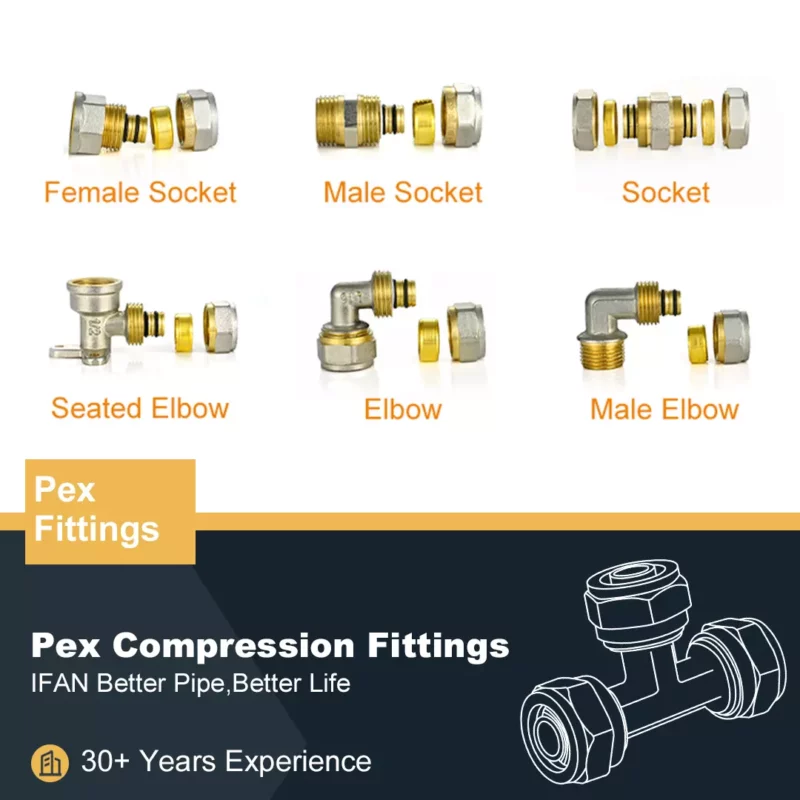
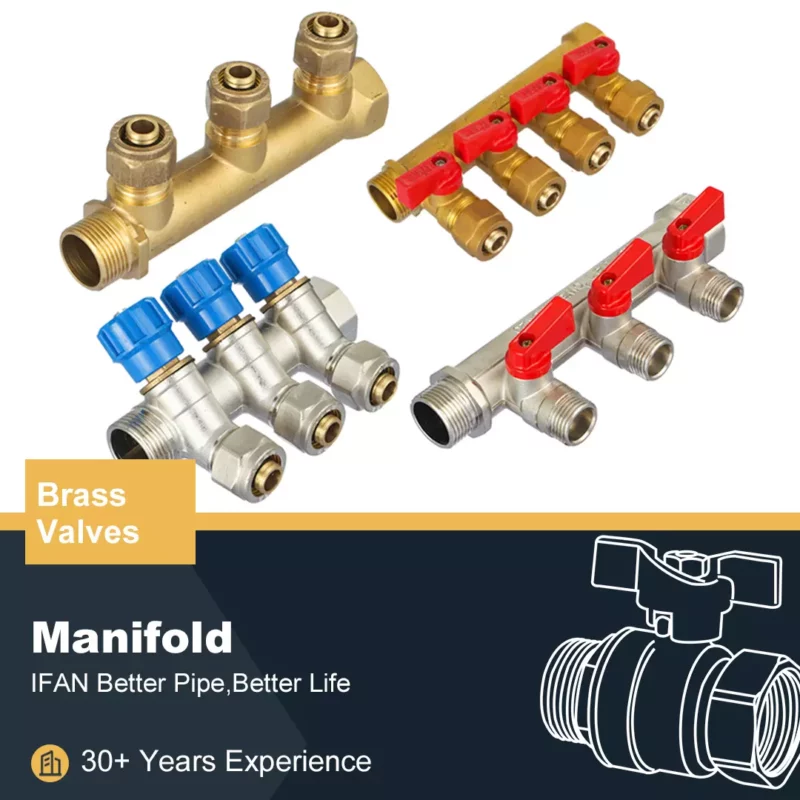
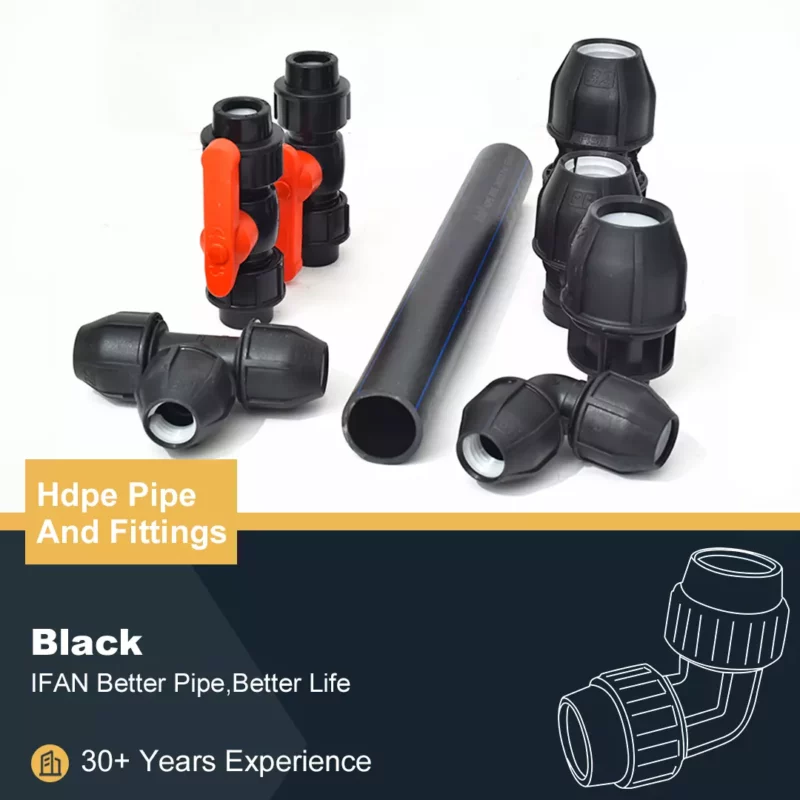
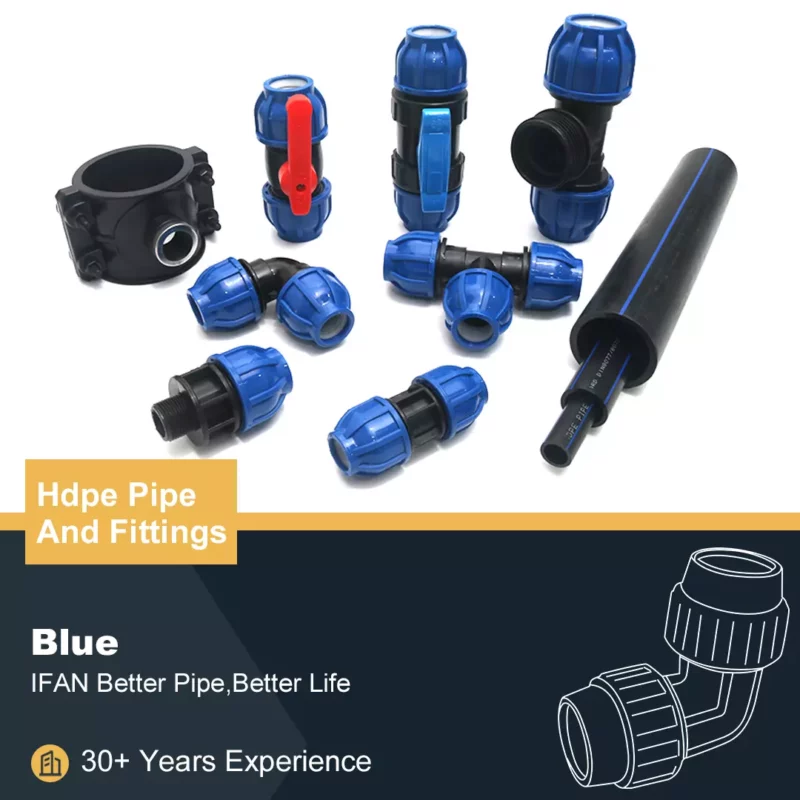
PEX compression fittings are mechanical connections that use a compression ring or ferrule to secure the PEX pipe to the fitting. This type of connection requires a compression tool to tighten the fitting around the pipe.
How It Works: You slide the PEX pipe into the fitting and place a compression ring over it. As you tighten the nut, the ring compresses against the pipe, creating a secure and leak-free seal.
Common Uses: These fittings are commonly used for indoor plumbing, irrigation systems, and in areas where durability and secure connections are critical.
What Are Push-Fit Fittings?
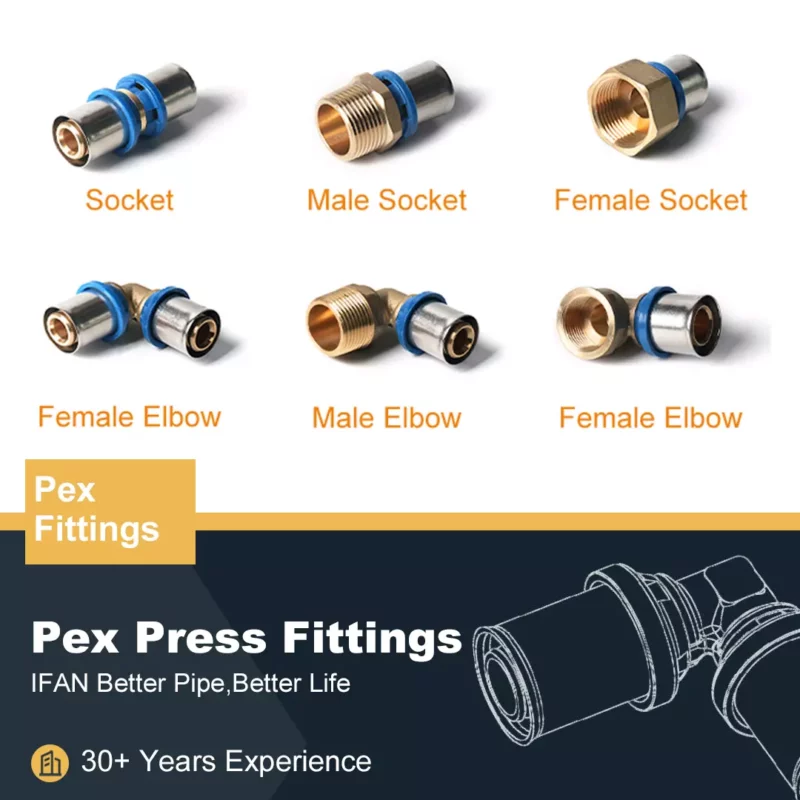
Push-fit fittings, also known as quick-connect or push-to-connect fittings, are another method for joining PEX pipes. These fittings do not require tools for installation. You simply push the PEX pipe into the fitting, and internal mechanisms hold it securely in place.
How It Works: When you push the PEX pipe into the fitting, internal grab rings and seals lock the pipe in place. These fittings automatically create a tight, leak-free seal.
Common Uses: Push-fit fittings are perfect for DIY projects and areas where quick installation is needed without special tools.
Installation Ease: Compression vs. Push-Fit
Installation ease is often the deciding factor for homeowners choosing between PEX compression fittings and push-fit fittings.
PEX Compression Fittings: Installing compression fittings requires more time and effort. You need a compression tool to properly tighten the fitting around the pipe. If you’re a beginner, this can be slightly challenging, but it’s straightforward once you get the hang of it.
Push-Fit Fittings: These fittings are easier and faster to install. They don’t require tools, making them ideal for DIYers who want to complete a project quickly. You simply push the pipe into the fitting until it clicks into place.
Durability: Which Option Lasts Longer?
Durability is essential for ensuring your plumbing system performs well for years.
PEX Compression Fittings: Compression fittings are known for their long-lasting durability. Once properly installed, they provide a tight seal and can withstand pressure and wear for decades. However, if not installed correctly, there’s a risk of leaks.
Push-Fit Fittings: Push-fit fittings are durable but may not offer the same long-term reliability as compression fittings. The internal seals could wear out over time, especially if subjected to high pressure or frequent movement. That said, high-quality push-fit fittings can last for many years when installed in low-movement areas.
Cost Comparison: PEX Compression vs. Push-Fit
Cost is another key factor in deciding between compression and push-fit fittings.
PEX Compression Fittings: Generally, compression fittings are more affordable than push-fit options. The materials used in compression fittings are simple, and the tools required for installation are usually inexpensive.
Push-Fit Fittings: Push-fit fittings are more expensive than compression fittings. The convenience of tool-free installation and quick setup comes with a higher price tag. However, if you value ease of use and are willing to pay for it, this could be worth the investment.
Flexibility and Reusability
Flexibility and the ability to reuse fittings can be an important consideration in certain plumbing scenarios.
PEX Compression Fittings: Compression fittings can be removed and reused, but you need to inspect the compression ring carefully. If the ring is damaged during removal, you will need to replace it. The pipe itself is also flexible, allowing for adjustments during installation.
Push-Fit Fittings: Push-fit fittings are typically designed for one-time use. While you may be able to remove the pipe and reuse the fitting, this is not always recommended. Some manufacturers may allow reusability, but the risk of damage or leaks increases after removal.
Leak Prevention and Seal Quality
The main purpose of any fitting is to ensure a secure and leak-free connection. So, how do compression and push-fit fittings compare in this regard?
PEX Compression Fittings: When installed correctly, compression fittings offer a very tight, leak-free seal. The compression ring ensures that the pipe is securely attached to the fitting, which can withstand significant water pressure. However, improper installation may lead to leaks or weak connections.
Push-Fit Fittings: Push-fit fittings are also designed to provide leak-free connections. The internal seals are designed to hold tight, even under pressure. As long as the pipe is inserted fully, you shouldn’t experience leaks. However, the potential for improper installation is higher with push-fit fittings if the pipe isn’t inserted properly.
Ease of Maintenance and Repairs
Maintenance and repair play a major role in the longevity of your plumbing system.
PEX Compression Fittings: If a leak occurs or if the fitting is damaged, you can remove and replace compression fittings fairly easily. However, you may need to cut the pipe and replace parts of the fitting or ring. This can be time-consuming but is typically straightforward.
Push-Fit Fittings: Push-fit fittings are easy to replace, as they don’t require any special tools or techniques. Simply pull the pipe out of the fitting and insert a new one. If there’s a leak, it may be because the pipe wasn’t pushed in far enough or the fitting is faulty.
PEX Compression Fittings: Pros and Cons
Pros:
Durable and reliable if installed correctly.
Affordable compared to push-fit fittings.
Ideal for high-pressure applications.
Reusable, with proper care.
Cons:
Requires a compression tool for installation.
Installation can be more time-consuming and difficult.
Slight risk of leaks if not tightened correctly.
Push-Fit Fittings: Pros and Cons
Pros:
Easy, tool-free installation.
Ideal for DIYers or fast repairs.
Provides a secure and leak-free connection if installed correctly.
Often comes with a wider range of sizes and fittings.
Cons:
More expensive than compression fittings.
Less durable over time compared to compression fittings.
Typically not reusable.
Which Is Better for Your Home?
The choice between PEX compression fittings and push-fit fittings ultimately depends on your specific needs.
Go for Compression Fittings if: You prioritize durability and reliability. Compression fittings are perfect for long-term installations where you don’t mind investing extra time and effort during installation. They work well for high-pressure areas or when you need a robust connection that lasts.
Go for Push-Fit Fittings if: You want a quick, hassle-free installation. Push-fit fittings are ideal for DIY projects, temporary installations, or when you want to minimize tools and labor. They’re great for low-pressure or low-movement areas where ease of use matters more than long-term durability.
Conclusion
In the end, both PEX compression fittings and push-fit fittings serve their purpose well. Compression fittings offer more durability and reliability but require more effort to install. Push-fit fittings are convenient and easy to use, though they may not provide the same long-lasting performance. Evaluate your needs and decide which fitting suits your project best, considering factors like installation ease, cost, and longevity.
If you have read this article and have any questions, please feel free to contact IFAN. Below is our contact information:
Whatsapp:+86 13373827623
Email:[email protected]