



Check valves are an essential component in many fluid systems, preventing fluid backflow, protecting pumps and other equipment, and maintaining system efficiency. When it comes to check valves, two options are commonly used: brass and PVC. But which one is better? In this article, we’ll explore the pros and cons of each type to help you make an informed decision.
Understanding Check Valves
Before we delve into the differences between brass and PVC check valves, let’s first understand what they are and what they do. Check valves are mechanical devices that allow fluids to flow in only one direction. They consist of a valve body, a disc or ball, and a spring. When fluid flows in the intended direction, the disc or ball moves away from the valve seat, allowing fluid to pass through. But when there is backflow, the disc or ball is pushed back onto the seat, sealing the valve and preventing fluid from flowing backward.
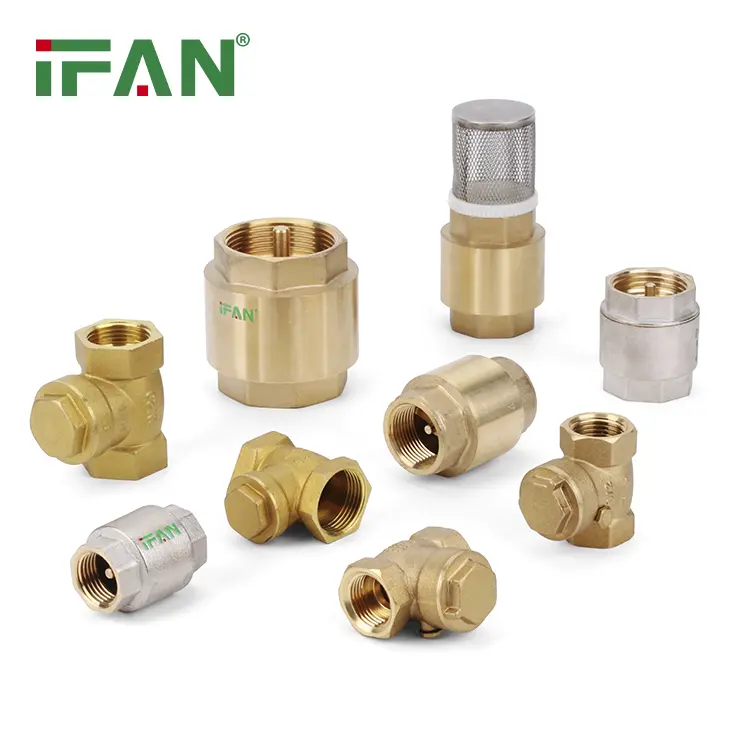
Brass Check Valve
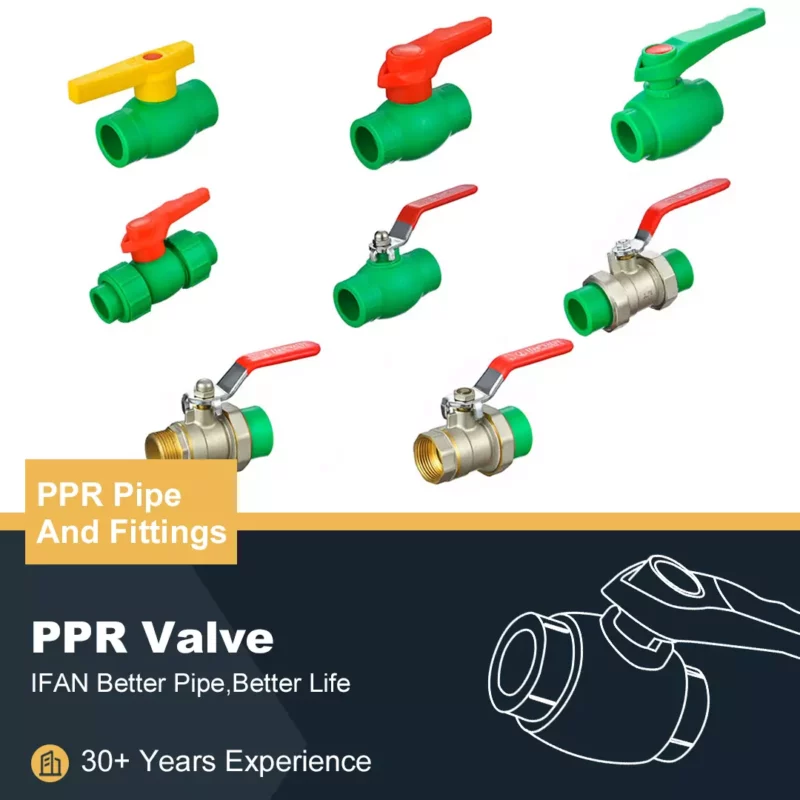
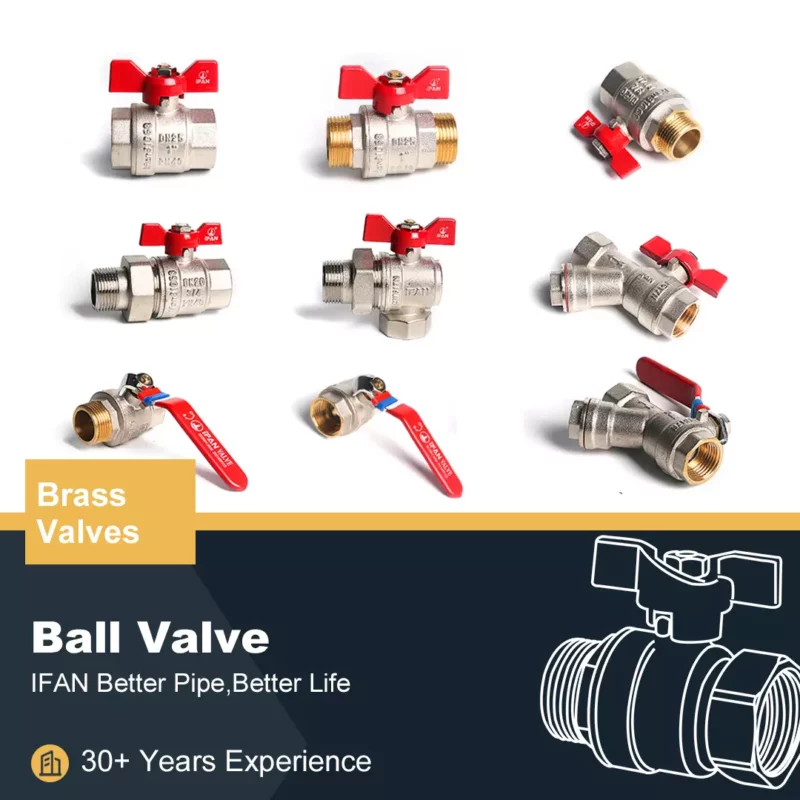
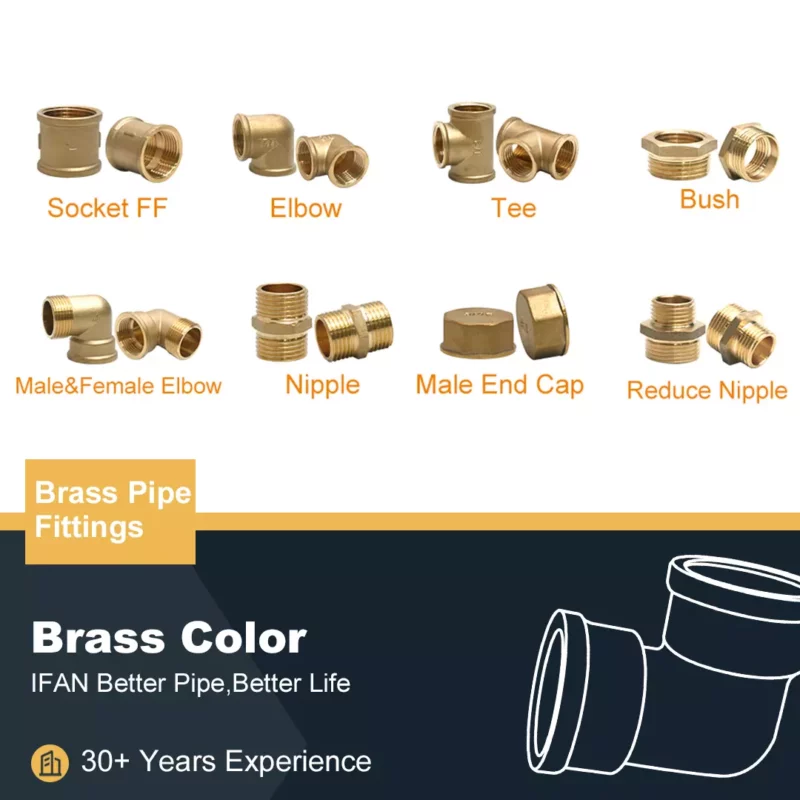
Brass check valve are a popular choice due to their durability, strength, and resistance to high temperatures and pressures. They are commonly used in residential, commercial, and industrial applications, including plumbing, heating, ventilation, and air conditioning (HVAC), and oil and gas. Additionally, brass is a highly conductive material, making it an excellent choice for systems that require good thermal conductivity.
Pros:
Durable and long-lasting
Resistant to high temperatures and pressures
Suitable for various applications
Excellent thermal conductivity
Cons:
Expensive compared to PVC
Prone to corrosion in certain environments
Can cause galvanic corrosion when used with dissimilar metals
PVC Check Valves
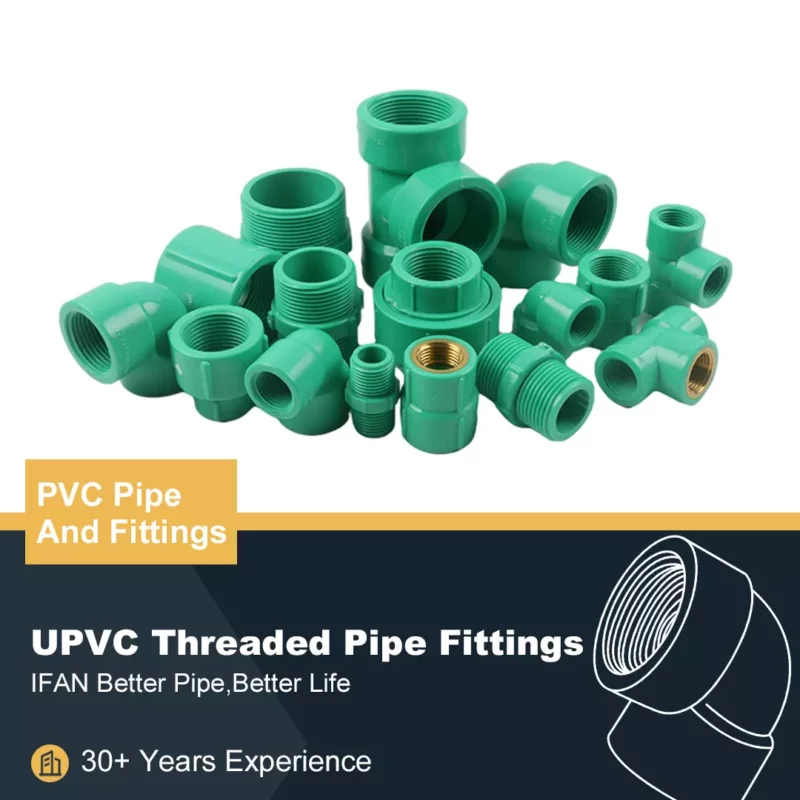
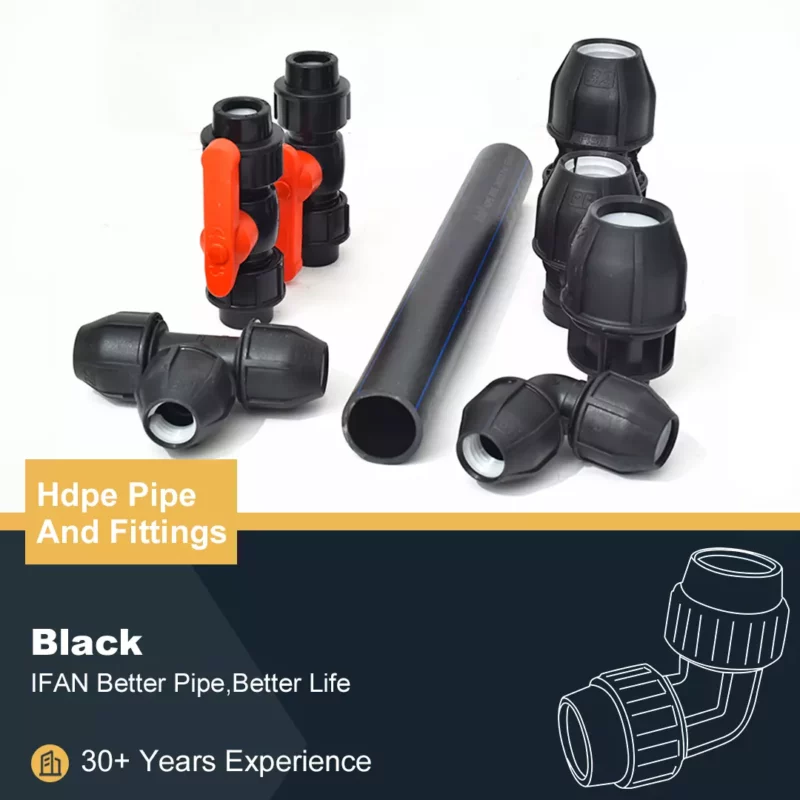
PVC check valves are a popular alternative to brass due to their affordability, lightweight, and chemical resistance. PVC is a plastic material that is widely used in the construction industry, and its popularity has made it a popular choice for check valves as well. They are commonly used in residential and commercial applications, including swimming pools, irrigation systems, and aquariums.
Pros:
Affordable compared to brass
Lightweight and easy to install
Resistant to chemicals and corrosion
Suitable for various applications
Cons:
Not as durable as brass
Limited resistance to high temperatures and pressures
Can become brittle over time
Cannot be used with certain chemicals
Which is Better?
Choosing between brass and PVC check valves ultimately depends on the specific needs of your system. Brass check valves are an excellent choice for systems that require high durability, strength, and thermal conductivity. However, they are expensive and can cause galvanic corrosion when used with dissimilar metals. PVC check valves, on the other hand, are affordable, lightweight, and resistant to chemicals and corrosion. However, they are not as durable as brass and have limited resistance to high temperatures and pressures.
Conclusion:
In conclusion, there is no one-size-fits-all answer when it comes to choosing between brass and PVC check valves. Both materials have their advantages and disadvantages, and the final decision will depend on the specific needs of your system. It’s essential to consider factors such as durability, resistance to high temperatures and pressures, chemical resistance, and cost before making a decision. By understanding the pros and cons of each type, you can make an informed decision that will ensure the long-term efficiency and reliability of your system.
If you have read this article and have any questions, please feel free to contact IFAN. Below is our contact information:
Whatsapp:+86 13373827623
Email:[email protected]