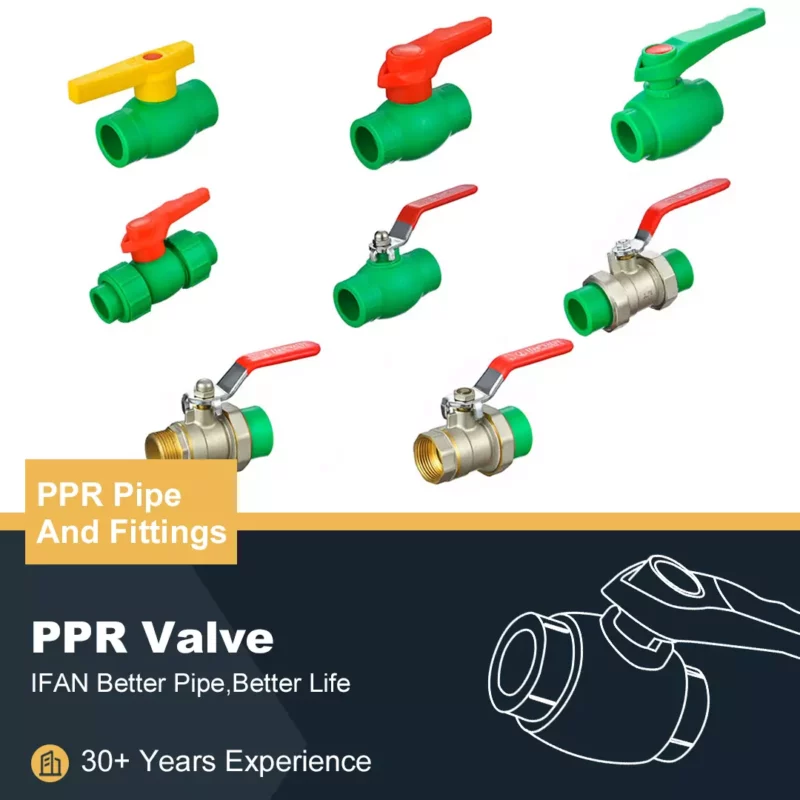
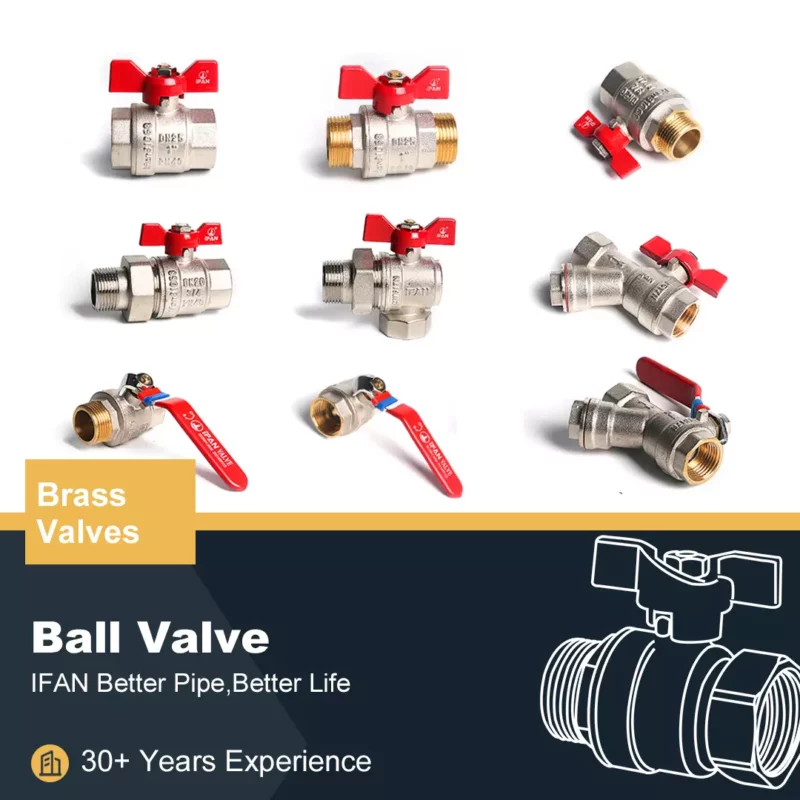


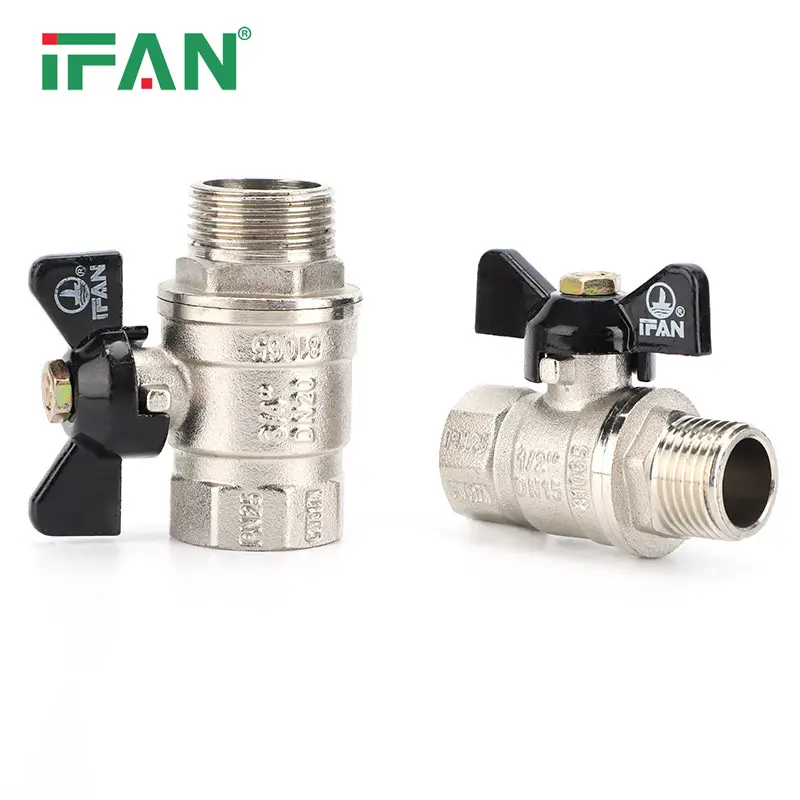
The ball valve is a control element widely used in fluid pipeline systems, and its connection methods are diverse, mainly including the following:
Threaded connection
This is a common connection method for copper ball valves. The connection is achieved by machining the inlet and outlet end of the ball valve into a threaded shape and then screwing with a pipe or joint that is also threaded. To ensure sealing performance, sealant or sealing tape is usually used at the joint site. It should be noted that the nominal size of the threaded ball valve is generally small. Excessive size may cause installation and sealing difficulties.
Flange connection
Flange connection is suitable for large diameter copper ball valves. The advantages of flange connection are convenient installation and disassembly, strong pressure bearing capacity, and a wide range of calibers. However, the temperature resistance of flanged connections is limited. High temperatures may result in reduced bolt load, resulting in a risk of leakage.
Welded joint
The welding connection is to fix the copper ball valve and the pipeline together by welding, which is suitable for various pressure and temperature conditions. The tightness and strength of the welded connection are high, especially suitable for high temperature, high pressure and other harsh working environments. However, it should be noted that the disassembly and reinstallation of welded connections are more difficult. Therefore, it is generally suitable for long-term reliable operation.
Brazed joint
This connection method achieves a tight connection by brazing the copper ball valve with the end of the pipe. The advantage of brazed connections is that they are well sealed. Suitable for high temperature, high pressure working environment. However, the process requirements for brazing connections are higher. When welding, the welding temperature and time need to be precisely controlled to avoid excessive melting and deformation of the material.
Sandwich connection
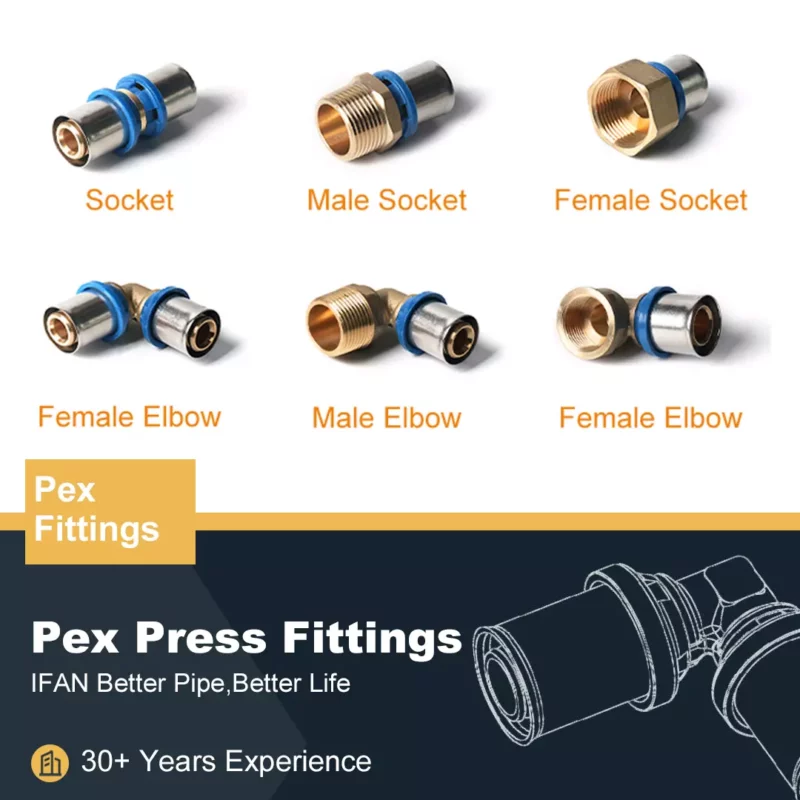
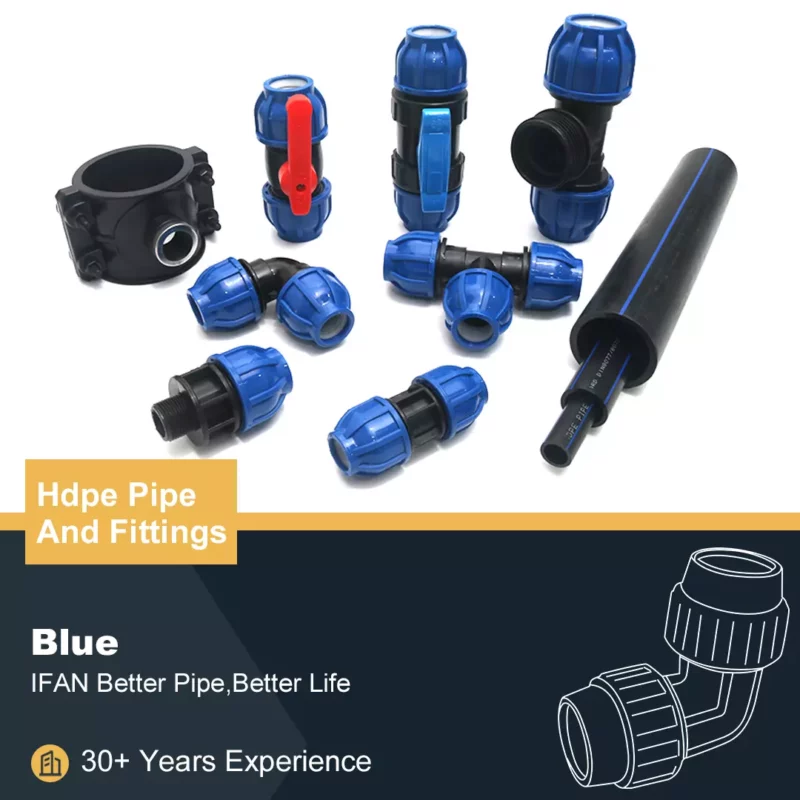
This connection method is suitable for smaller caliber copper ball valves. A clamping device is arranged at the inlet and outlet end of the ball valve to clamp and fix the pipeline to achieve sealing. The advantage of the sandwich connection is that the installation is simple and fast, and it is suitable for occasions that require quick installation and disassembly. However, it should be noted that the sealing performance and pressure resistance of the clamp connection are relatively low. Therefore, it is generally suitable for low pressure and low temperature working environment.
Clamp type connection
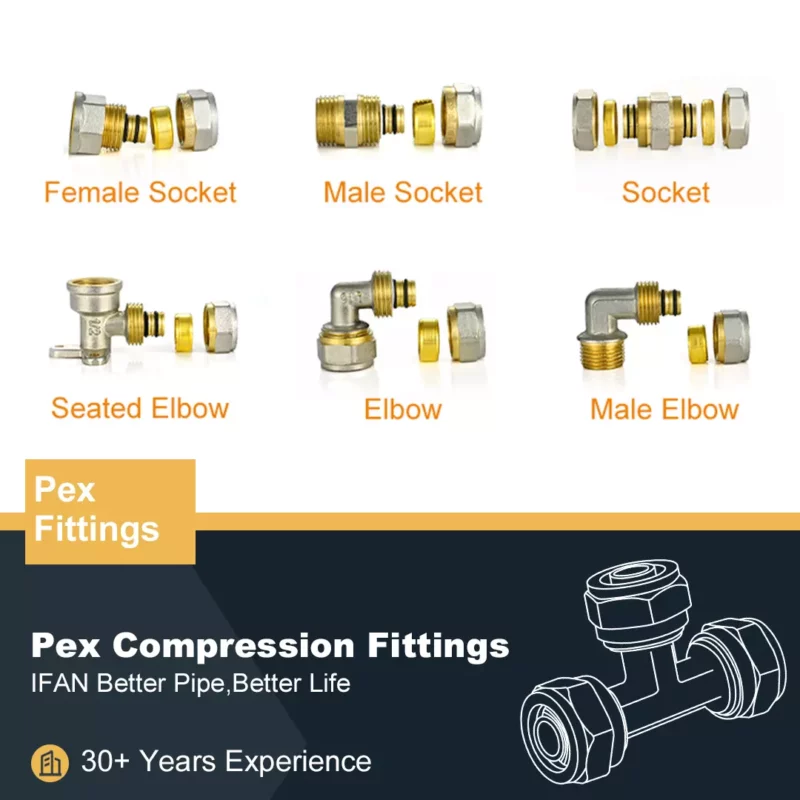
Clamp connection is a fast and easy connection method. By fixing the clamp on the copper ball valve, and then clamping and fixing the clamp with the pipe, the seal is realized. Clamp type connection is suitable for various caliber copper ball valve, easy to install. However, it is necessary to pay attention to the quality and tightness of the clamp to ensure the sealing performance.
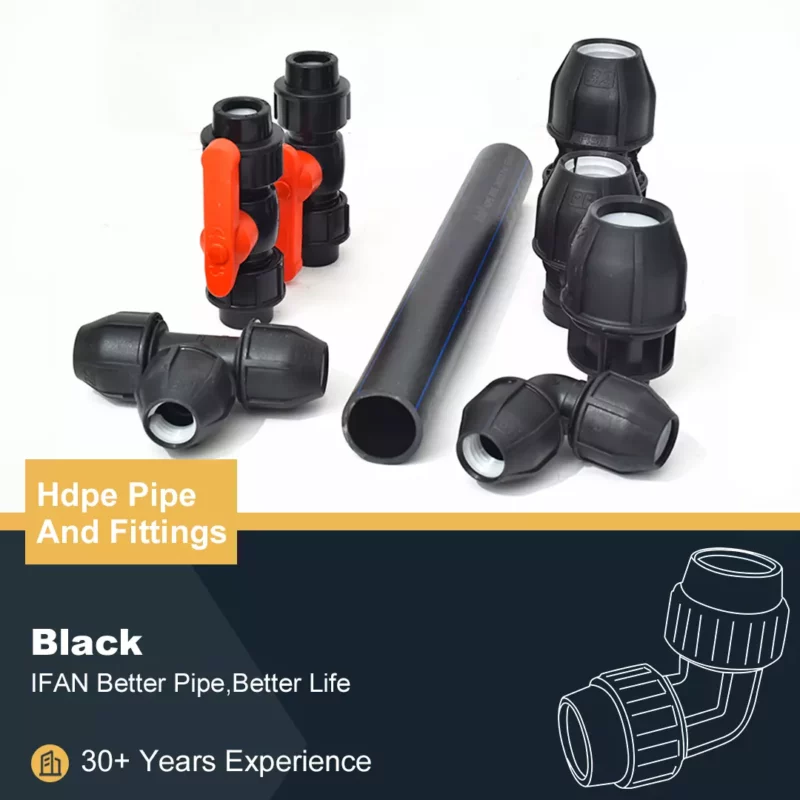
Quick joint connection
This connection method is suitable for occasions that require frequent disassembly, such as experimental devices, fluid transportation, etc. The brass ball valve is connected to the pipe with a quick fitting for quick and easy installation and removal. However, it should be noted that the sealing performance of the quick connector connection may not be as stable and reliable as other connection methods.
In summary, there are a variety of connection methods for copper ball valves, and choosing the right connection method according to actual needs is the key to ensure the sealing performance and service life of ball valves. When Vitech selecting and using the copper ball valve, it is also necessary to pay attention to the correct installation and maintenance to ensure its long-term stable operation.
If you have read this article and have any questions, please feel free to contact IFAN. Below is our contact information:
Whatsapp:+86 13373827623
Email:[email protected]