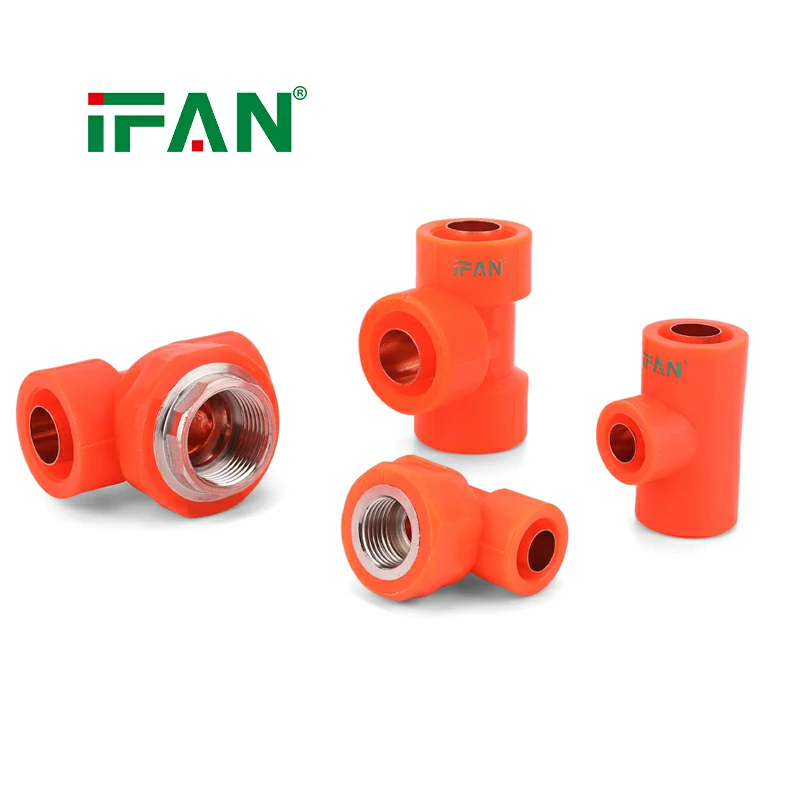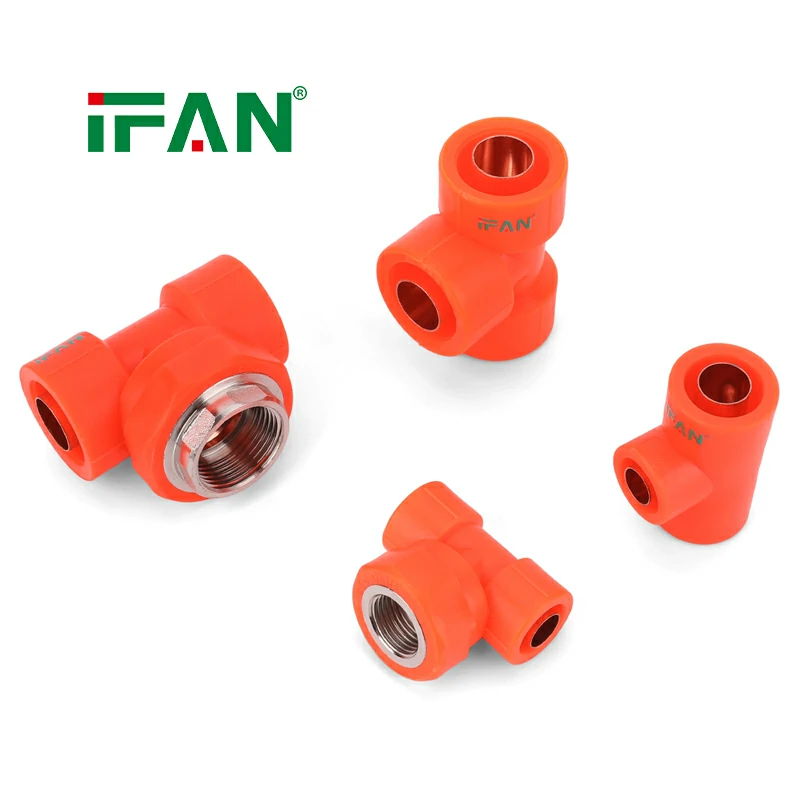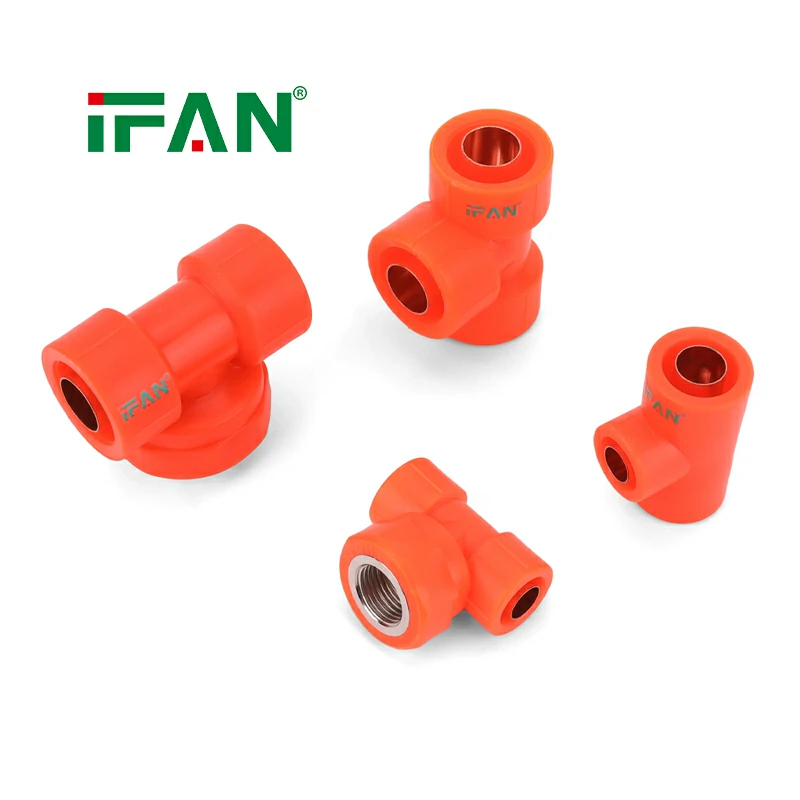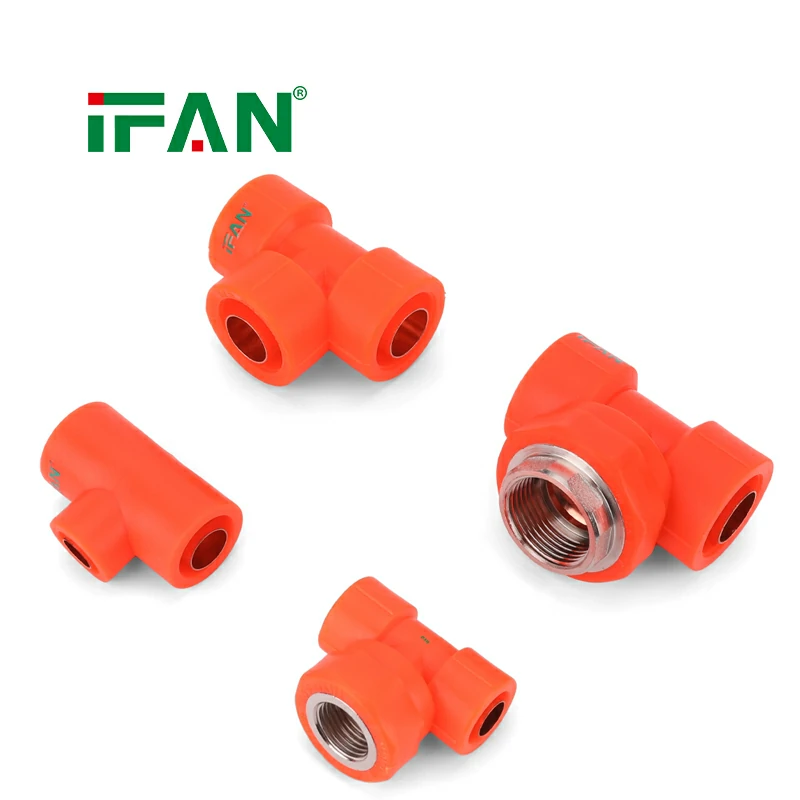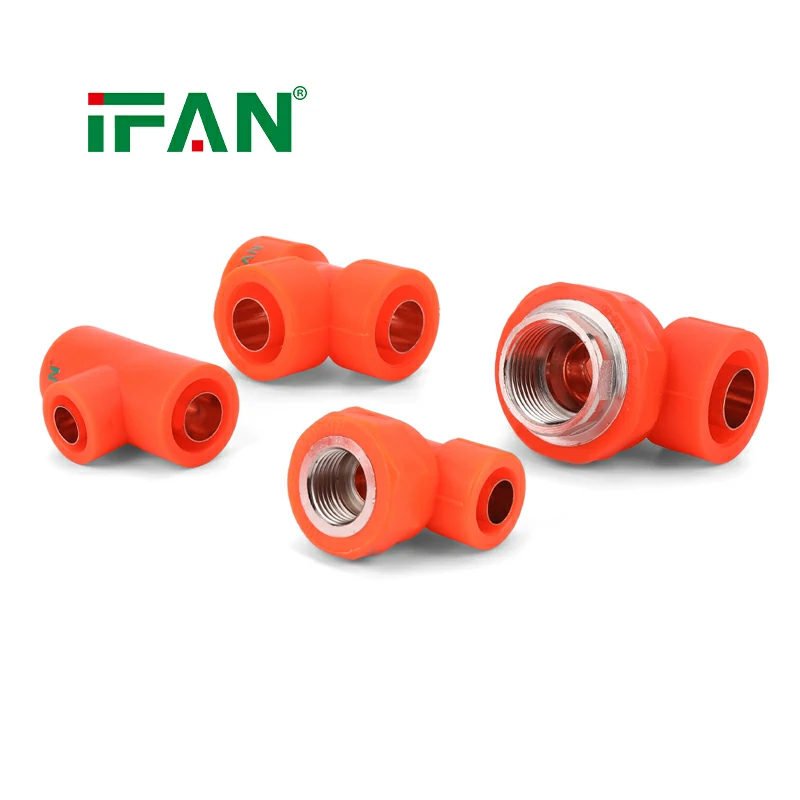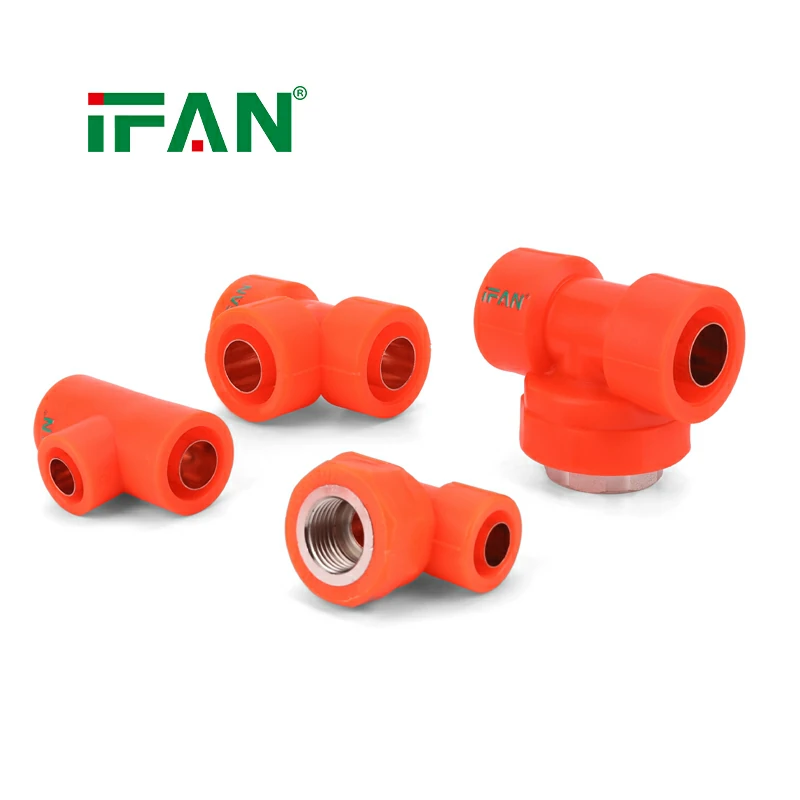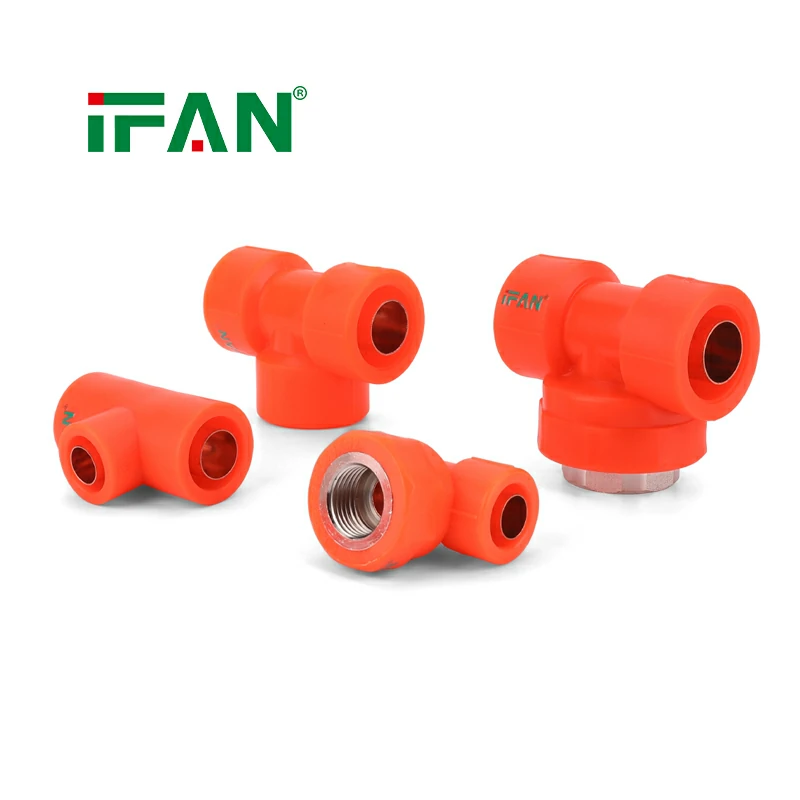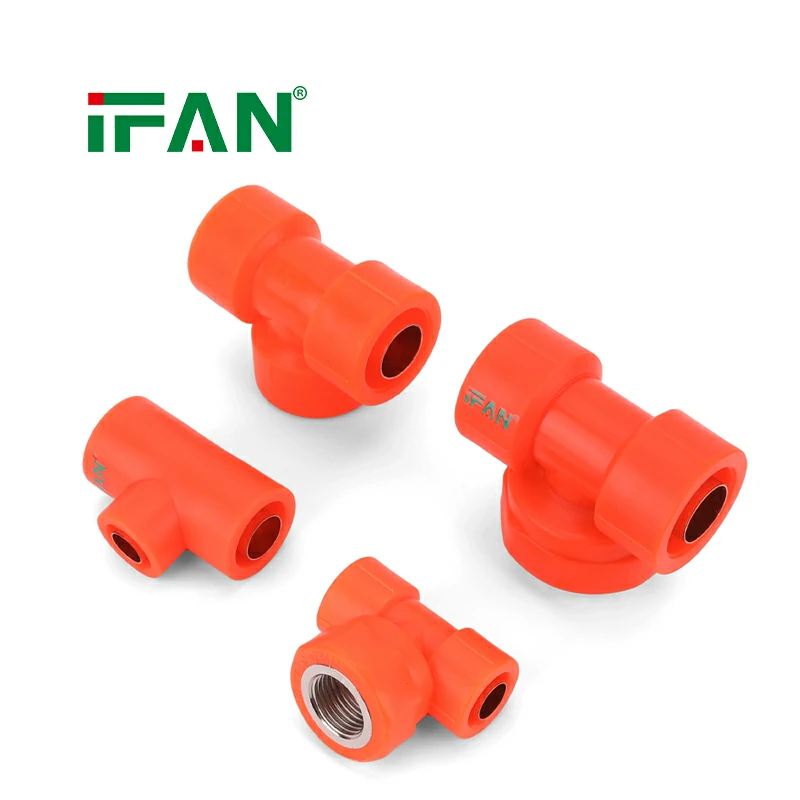
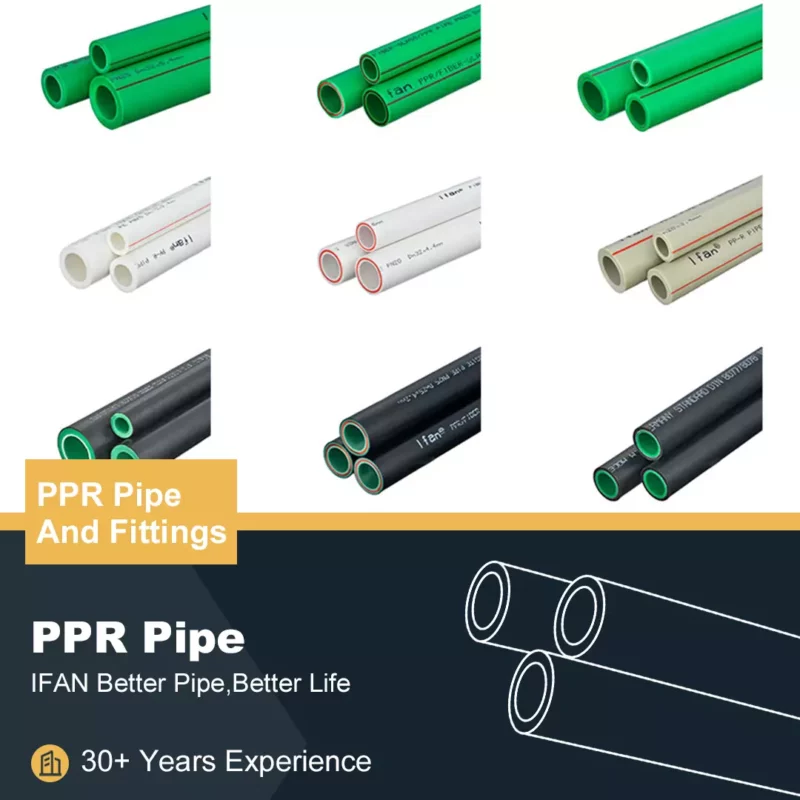


PPR pipes, also known as Polypropylene Random Copolymer pipe, are widely used in plumbing and heating systems due to their durability, corrosion resistance, and excellent thermal properties. In this article, we will explore the various methods used to join PPR pipes securely and efficiently.

1.Solvent Welding:
Solvent welding is a commonly used method for joining PPR pipes. It involves using a specialized adhesive solvent that chemically bonds the pipes together. This method ensures a strong and leak-free joint.
2.Socket Fusion:
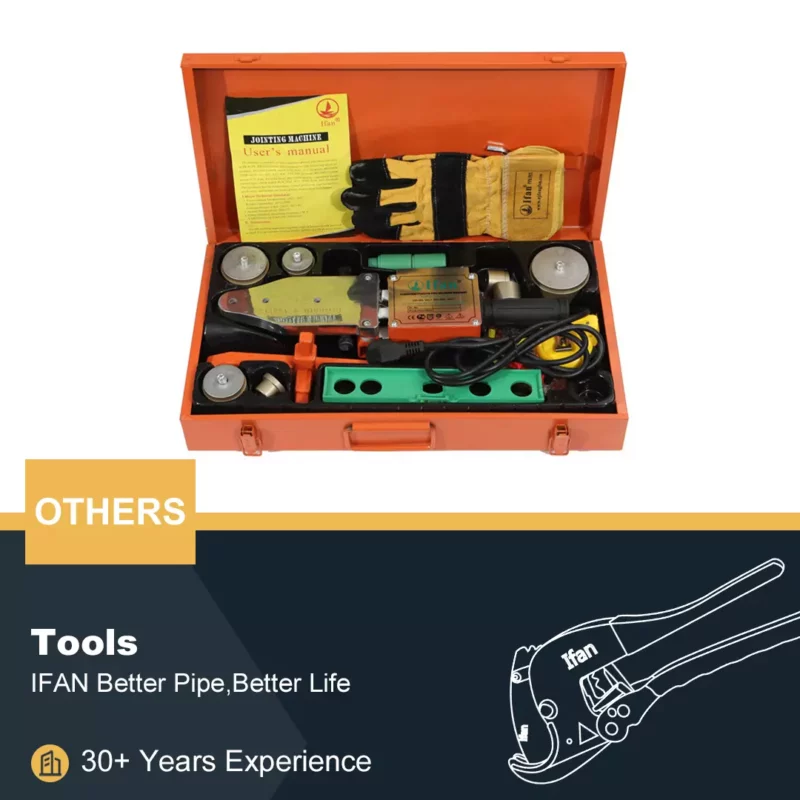
Socket fusion is another popular method for joining PPR pipes. It requires a socket fusion machine, which heats the pipe and fitting simultaneously. Once the desired temperature is reached, the softened materials are pressed together, creating a reliable fusion joint.
3.Butt Fusion:
Butt fusion is an effective method for connecting PPR pipes of the same diameter. It involves heating the pipe ends with a butt fusion machine until they reach a molten state. The two ends are then pushed together, creating a seamless and durable joint.
4.Electrofusion:
Electrofusion is a technique that uses specialized fittings with built-in heating elements. The fittings are connected to an electrofusion control unit, which heats the elements and melts the pipe surface. As the melted materials cool down, they form a strong joint.
5.Mechanical Fittings:
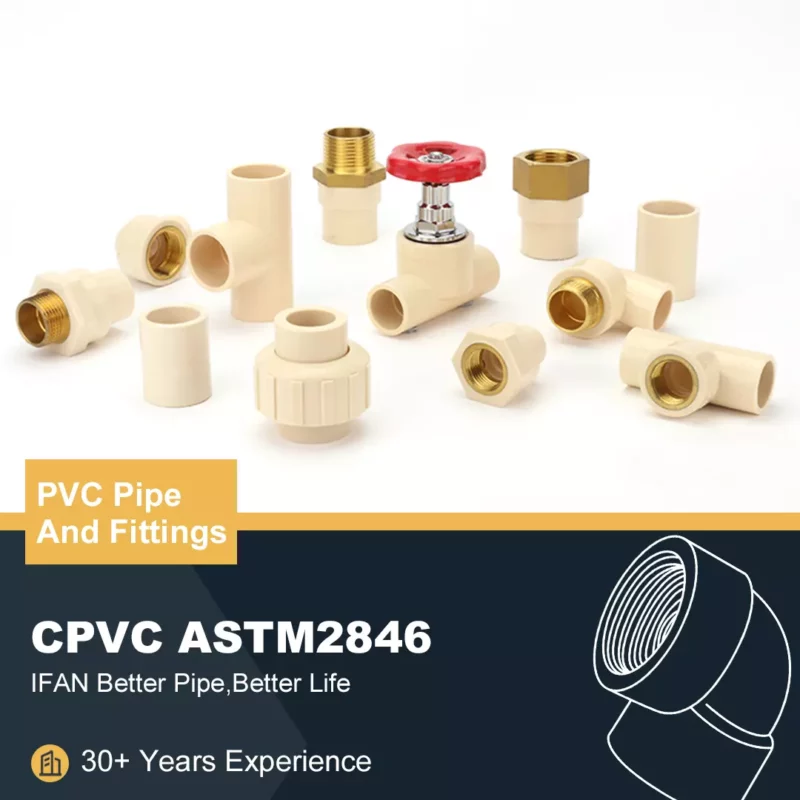
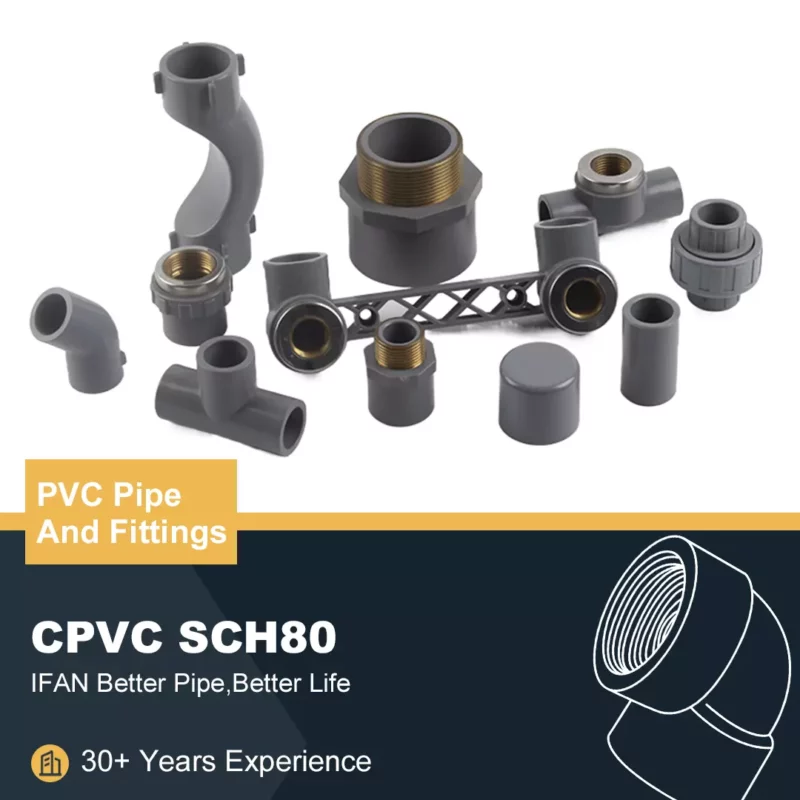
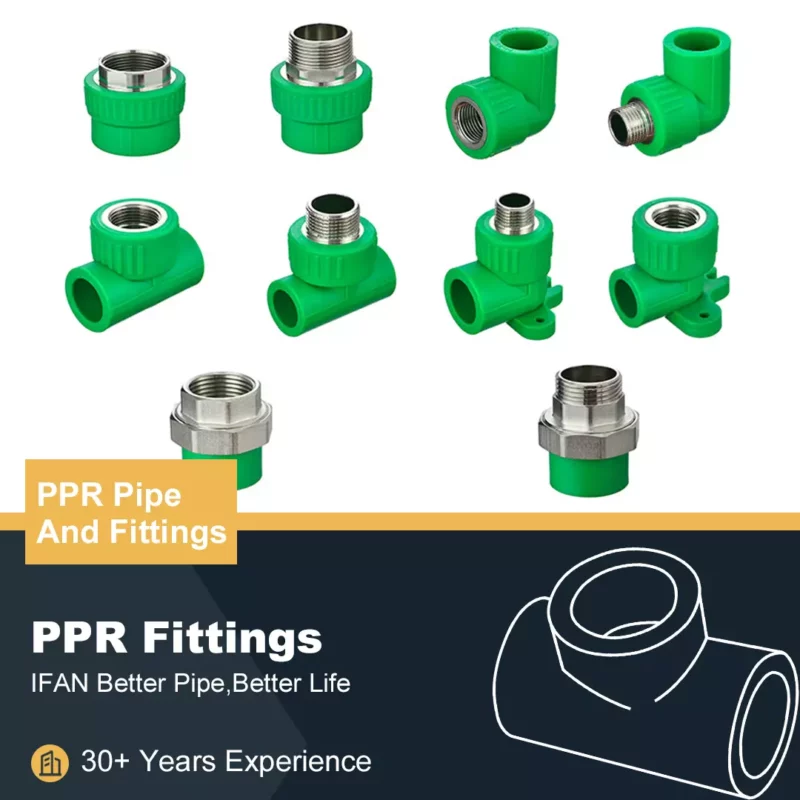
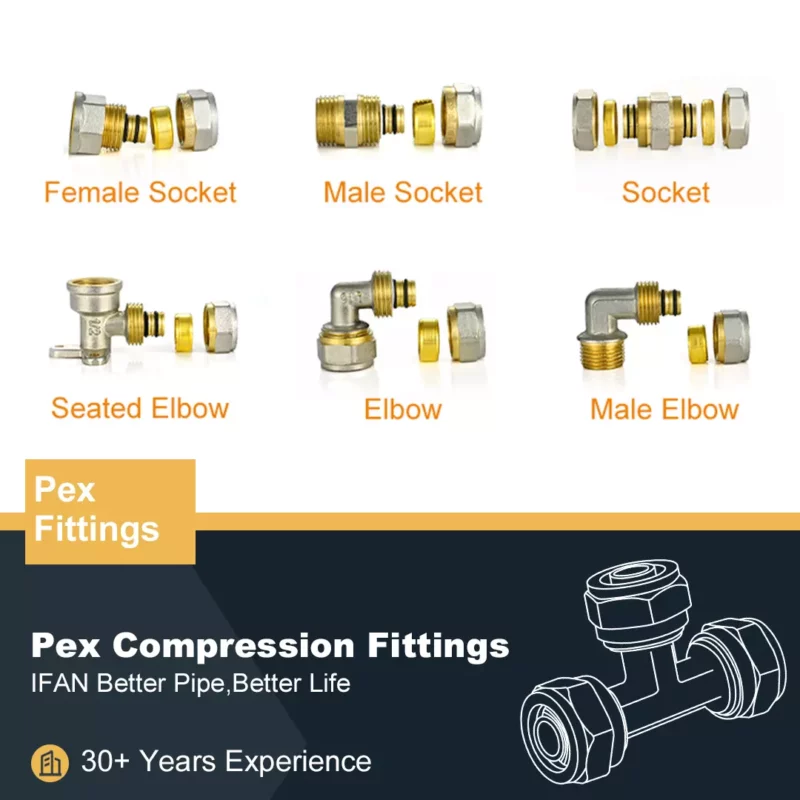
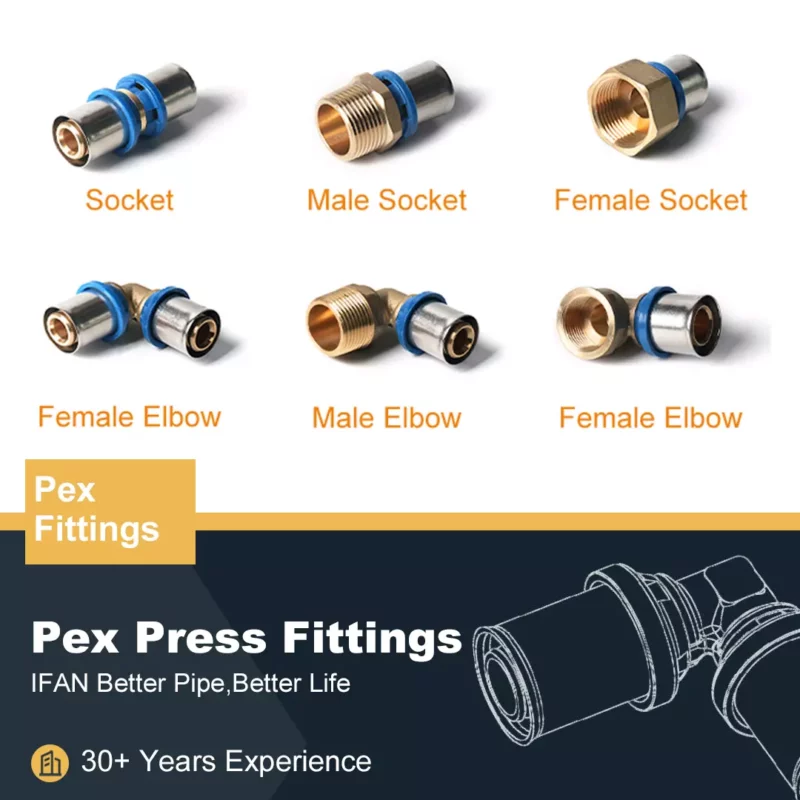
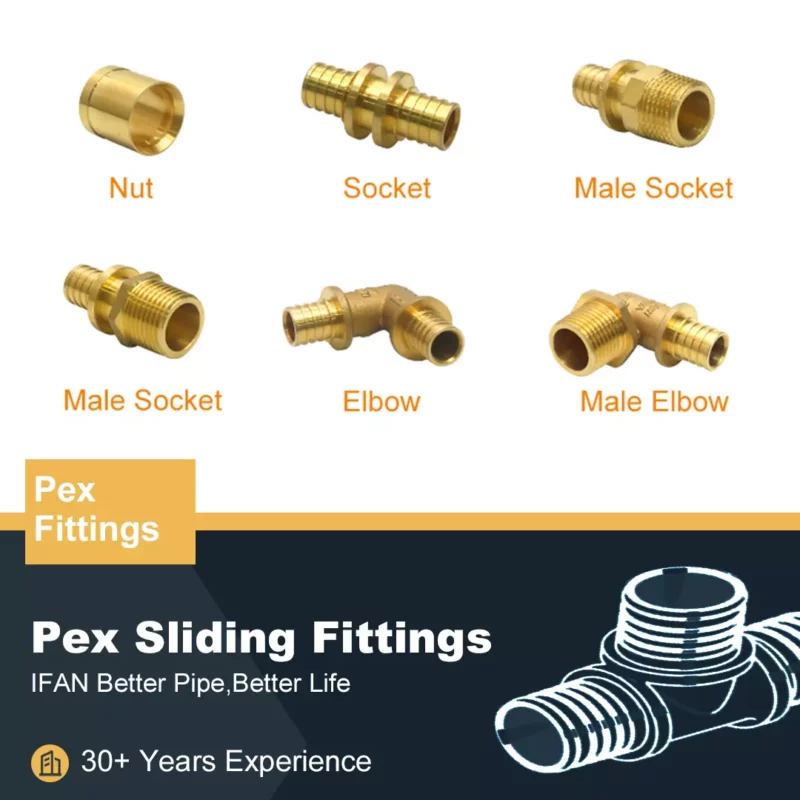
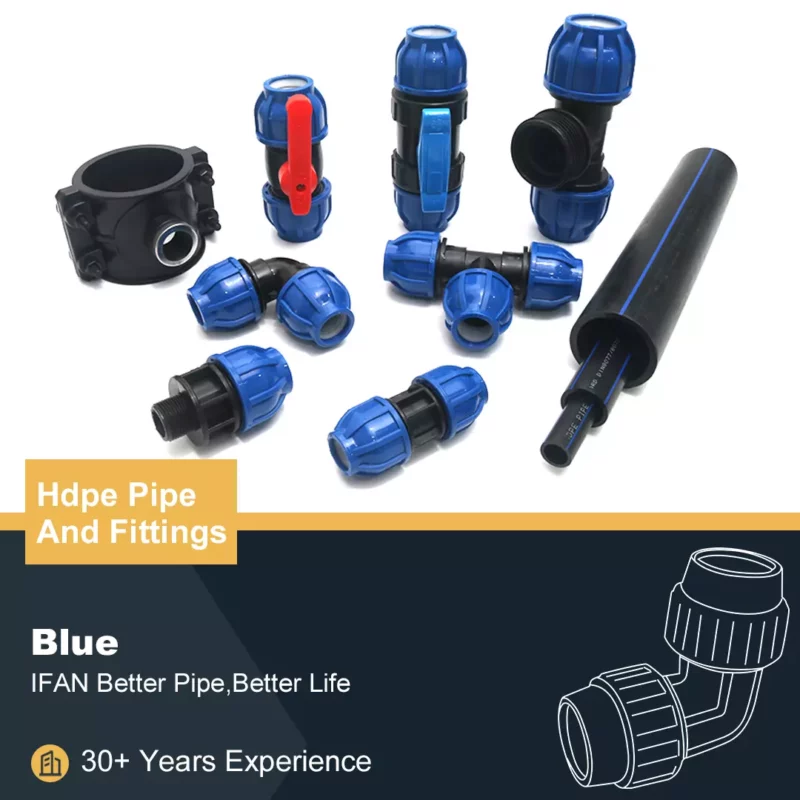
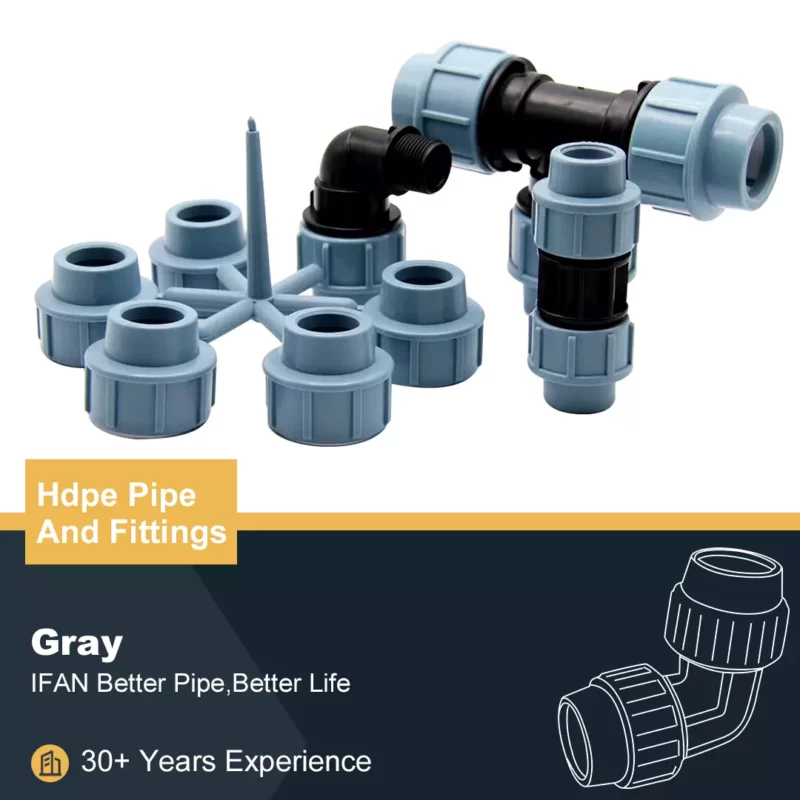
Mechanical fittings offer a convenient and versatile way to join PPR pipes. These fittings typically consist of metal or plastic components that are tightened around the pipe ends using nuts and bolts. While not as secure as other methods, mechanical fittings provide flexibility for disassembly and reassembly.
6.Transition Fittings:
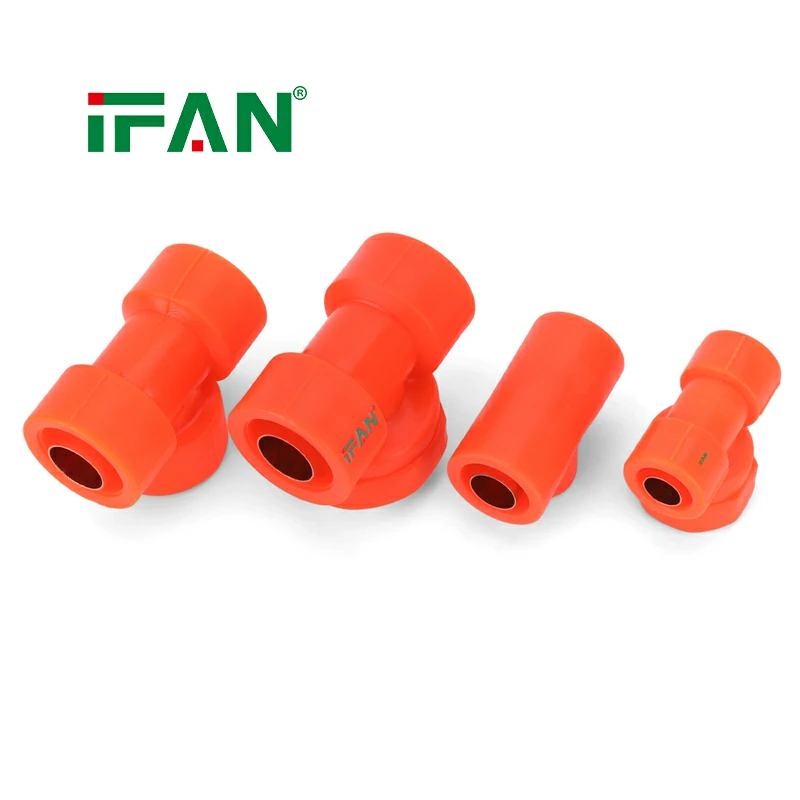
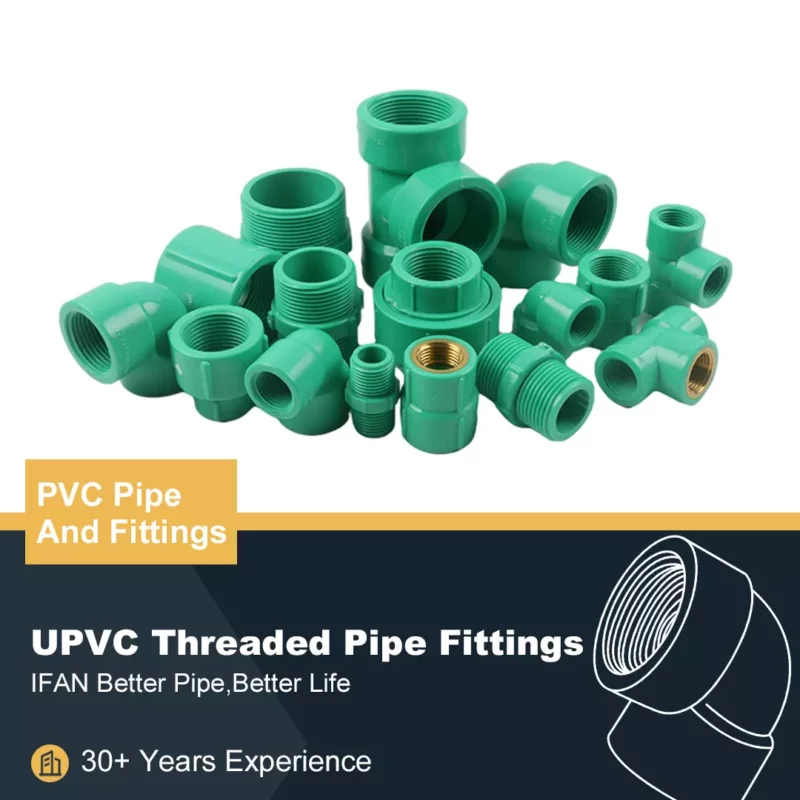
Transition fittings are used when connecting PPR pipe to different types of piping systems, such as copper or PVC. These fittings have different connectors on each end, allowing for a secure and reliable transition between pipes of different materials.
Conclusion:
Joining PPR pipes requires careful consideration of the specific application and desired joint strength. Whether it’s solvent welding, socket fusion, butt fusion, electrofusion, mechanical fittings, or transition fittings, each method offers its own advantages and limitations. By understanding these joining techniques, professionals and DIY enthusiasts can ensure the longevity and efficiency of PPR pipe installations in plumbing and heating systems.
Welcome to contact IFAN:+86 13373827623.