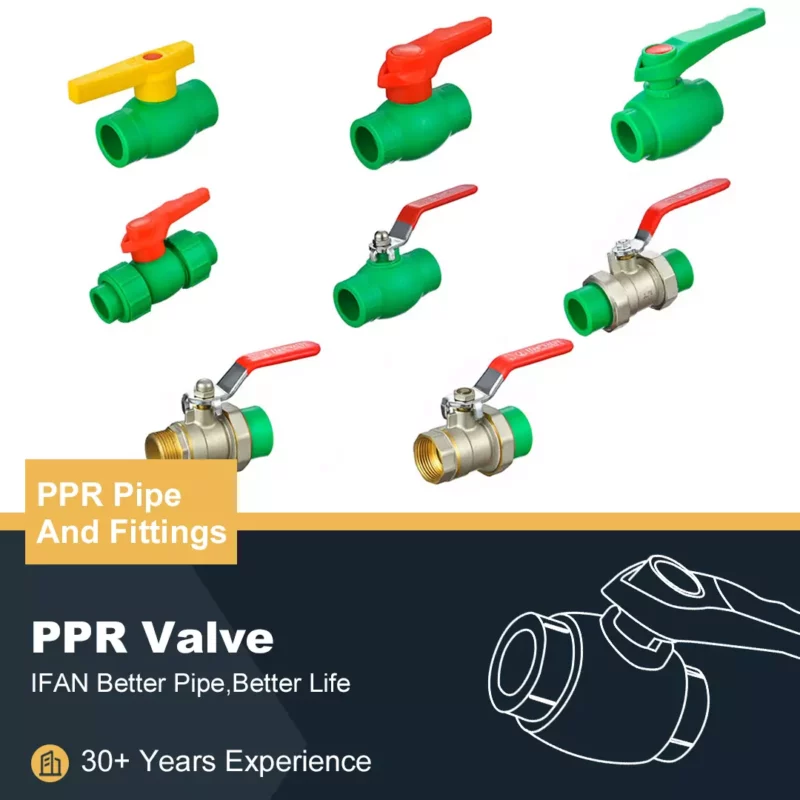

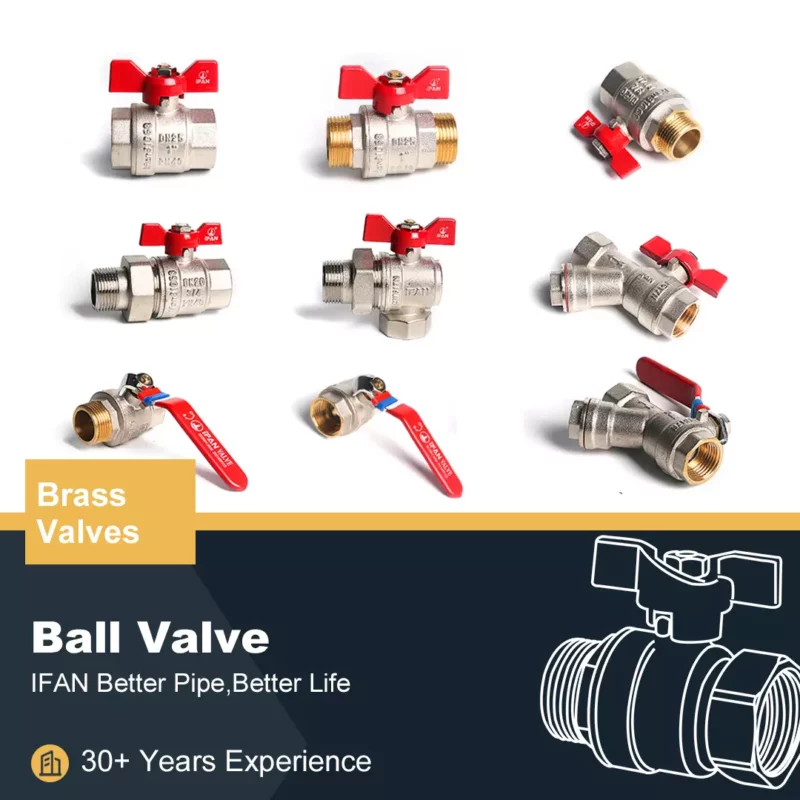
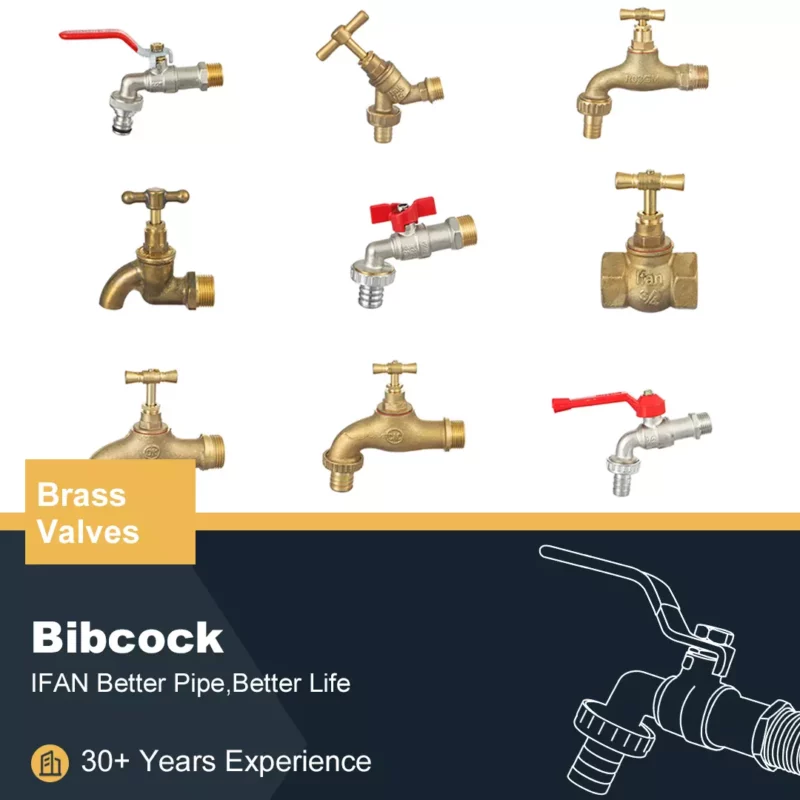
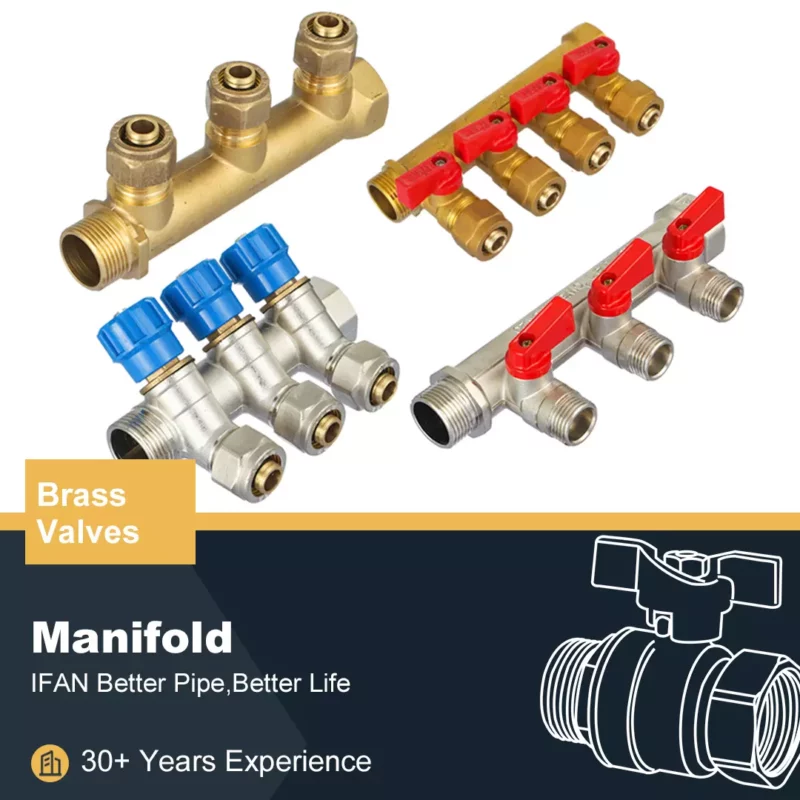



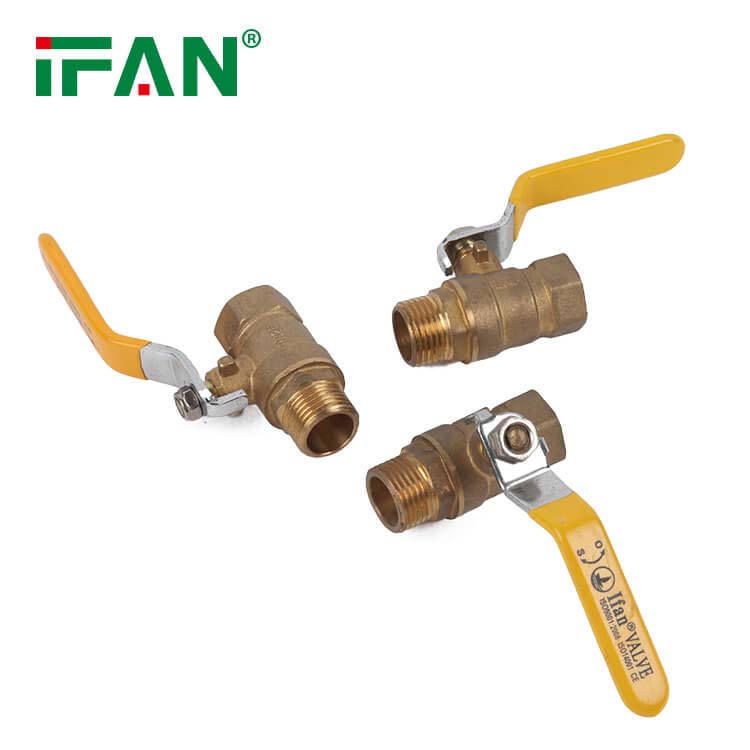
Brass valves find wide application in pipeline systems due to their durability, corrosion resistance, and malleability. However, it’s important to acknowledge the disparity in quality among brass valves. To ensure utmost quality and reliability, manufacturers must adhere to a rigorous production process comprising essential steps.In this article, we’ll explore the essential stages in producing brass valves and why they matter to installers, manufacturers, and sales professionals.
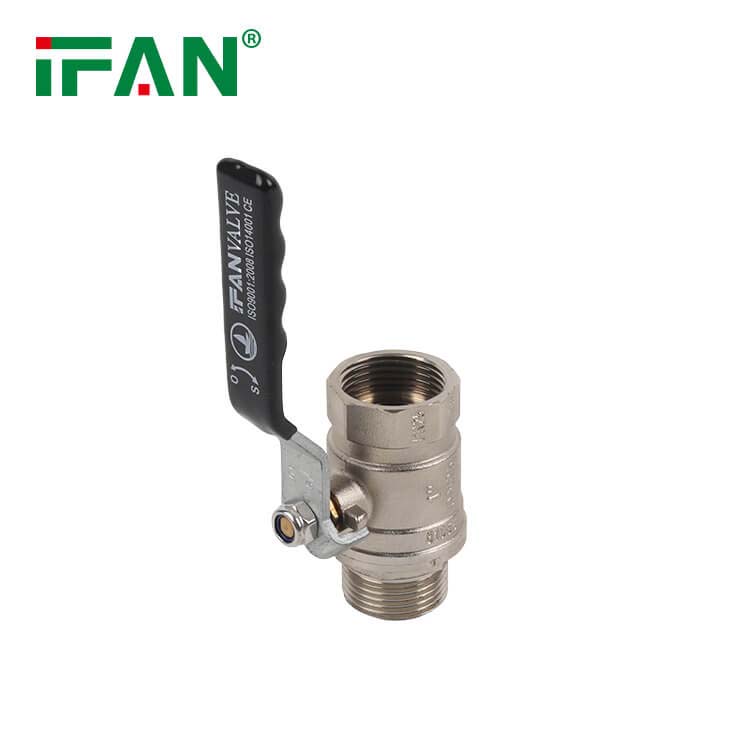
Material Selection:
The first step in producing high-quality brass valve is selecting the right materials. Manufacturers typically use a brass alloy composed of copper and zinc, with varying ratios depending on the valve’s intended application. The brass alloy must meet specific industry standards for performance, corrosion resistance, and durability to ensure the valve can withstand harsh conditions and maintain optimal function over time.
Valves Casting and Molding:
After selecting the brass alloy, the next step involves casting and molding. Precise melting and pouring of the alloy into molds form valve components like bodies, stems, and connectors. This stage emphasizes accuracy and consistency to ensure seamless fitting and smooth operation of the valves.
Machining and Finishing:
After the casting process, the rough components undergo machining and finishing. Specialized machinery is used to cut, drill, and shape the brass parts to precise specifications. This stage ensures the valve have the correct dimensions, smooth surfaces, and tight tolerances, enhancing their functionality and aesthetics.
Valves Assembly and Testing:
Trained technicians carefully assemble each component, including seals, stems, handles, and connectors, to create a complete brass valve. During this critical stage, rigorous testing is conducted to ensure smooth operation, proper pressure maintenance, and leakage prevention.
Valves Surface Treatment:
To improve the longevity and appearance of brass valve, manufacturers often apply surface treatments such as polishing, plating, or coating. These treatments can enhance the valve’s aesthetic appeal and provide an additional layer of protection against corrosion and wear.
Valves Quality Control:
We implement stringent quality control measures to meet industry standards and customer expectations. At every stage, inspections detect defects or inconsistencies, and comprehensive pressure and leakage tests validate the performance of the finalized valves.
Conclusion:
The production process of brass valve involves several essential steps that must be carefully executed to produce high-quality, reliable products. Material selection, casting and molding, machining and finishing, assembly and testing, surface treatment, and quality control are all critical stages that contribute to the valves’ durability, functionality, and appearance. Understanding these key steps is vital for installers, manufacturers, and sales professionals seeking to offer top-quality brass valvs to customers in various industries. By prioritizing quality and reliability throughout the production process, manufacturers can create brass valve that meet the diverse needs of pipeline systems and exceed customer expectations.
If you have read this article and have any questions, please feel free to contact IFAN. Below is our contact information:
Whatsapp:+86 13373827623
Email:[email protected]